
For home cooks seeking bold, savory depth with minimal effort, Goya Adobo seasoning has become a staple in pantries across the United States—and far beyond. More than just a spice blend, it’s a cultural touchstone that brings the essence of Latin American home cooking into modern kitchens. Whether you're marinating chicken, seasoning ground beef, or boosting the flavor of roasted vegetables, Goya Adobo delivers consistent, complex taste with a single sprinkle. Understanding what it is, how it works, and how to use it effectively can transform your weeknight meals and deepen your appreciation for Latin culinary traditions.
Definition & Overview
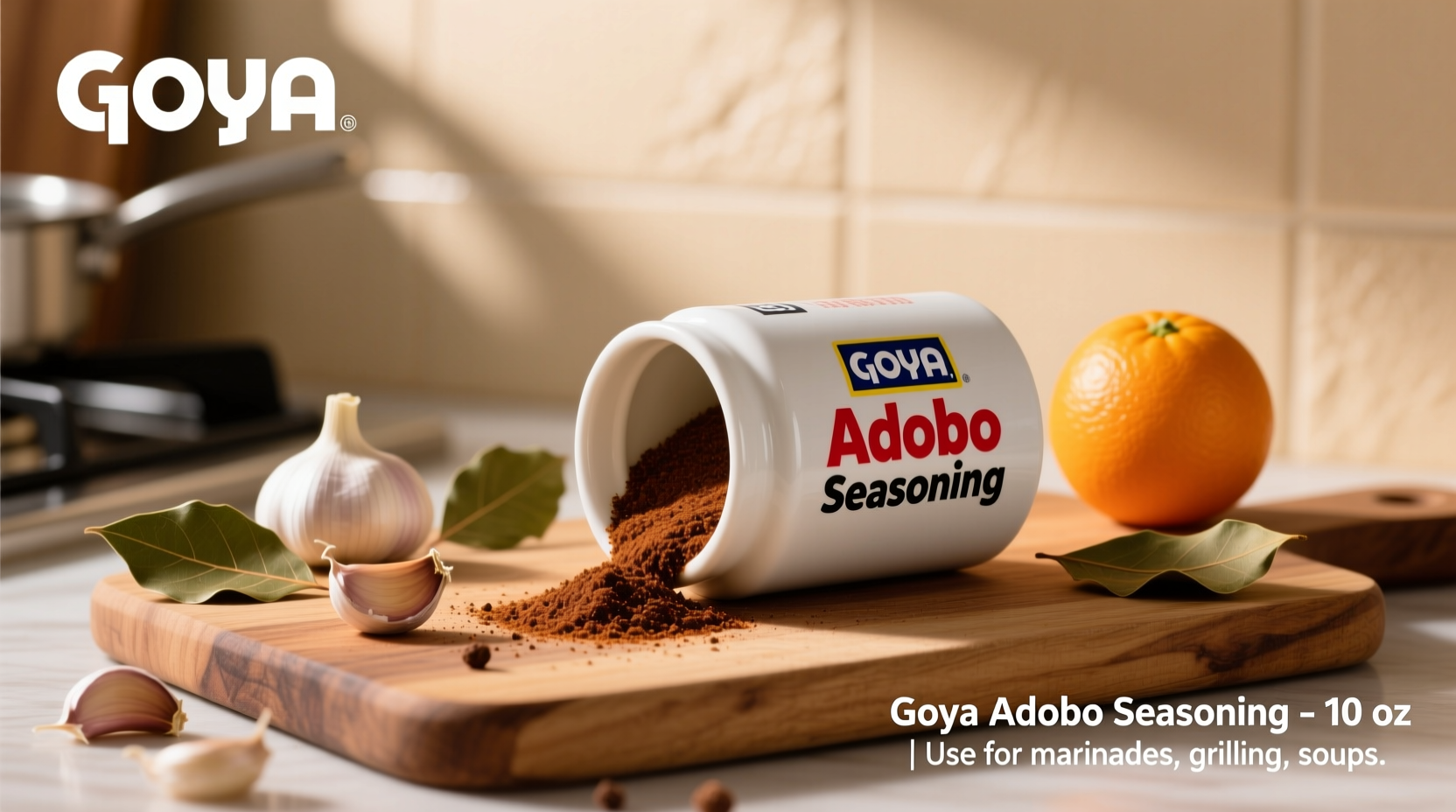
Goya Adobo is a pre-mixed dry seasoning blend produced by Goya Foods, the largest Hispanic-owned food company in the U.S. Introduced in the 1970s, it was designed to simplify traditional Latin American seasoning techniques while preserving authentic flavor. The word “adobo” originates from the Spanish verb *adobar*, meaning \"to marinate\" or \"to season,\" and refers broadly to seasoned preparations found throughout Spain, the Philippines, and Latin America. In the context of Goya’s product, adobo specifically denotes a versatile all-purpose seasoning used as a rub, marinade base, or flavor enhancer.
Unlike liquid adobo sauces (such as Filipino adobo made with vinegar and soy), Goya Adobo is a fine, free-flowing powder composed primarily of salt, garlic, oregano, black pepper, and onion. It functions similarly to seasoned salts like Lawry’s but is distinct in its herb-forward profile and cultural specificity. While not tied to one single national cuisine, it reflects the shared pantry staples of Puerto Rican, Dominican, Cuban, and Mexican home cooking—where layers of aromatic herbs and pungent alliums form the foundation of daily meals.
Key Characteristics
The power of Goya Adobo lies in its balance of simplicity and intensity. Below are its defining attributes:
- Flavor Profile: Savory, garlicky, slightly herbal, with earthy undertones from oregano and mild heat from black pepper.
- Aroma: Pungent garlic and sweet onion dominate, followed by warm notes of dried oregano.
- Color: Light tan to pale brown, due to finely ground dehydrated ingredients.
- Texture: Fine, uniform powder that adheres well to meats and vegetables.
- Salt Content: High—salt is the first ingredient, so it acts as both flavor enhancer and preservative.
- Heat Level: Mild; no chili components unless specified in variant blends.
- Culinary Function: All-purpose seasoning used as a dry rub, marinade accelerator, soup booster, or finishing sprinkle.
- Shelf Life: Up to two years when stored in a cool, dry place away from light.
Pro Tip: Because Goya Adobo contains salt as its primary ingredient, reduce added table salt in recipes when using it. A general rule: for every 1 teaspoon of Adobo used, cut back on additional salt by ¼ to ½ teaspoon.
Practical Usage: How to Use Goya Adobo in Cooking
Goya Adobo excels in applications where quick flavor development is key. Its powdered form allows for rapid absorption into proteins and integration into batters, doughs, and sauces. Here's how to use it effectively across different cooking contexts:
As a Dry Rub for Meats
The most common use of Goya Adobo is as a dry rub for poultry, pork, beef, and seafood. Simply sprinkle the seasoning evenly over raw meat, then massage it in. For best results:
- Pat the protein dry with paper towels to improve adhesion.
- Sprinkle 1 to 1.5 teaspoons of Adobo per pound of meat.
- Add a drizzle of olive oil or lime juice to help form a paste and enhance penetration.
- Let sit for at least 15 minutes (or up to overnight in the refrigerator).
This method works exceptionally well for grilled chicken thighs, roasted pork shoulder, or seared skirt steak. The result is a deeply seasoned crust with herbal complexity and umami richness.
In Marinades
Mix Goya Adobo with acidic liquids like citrus juice, vinegar, or yogurt to create fast-acting marinades. Combine:
- 2 tablespoons olive oil
- 1 tablespoon lemon or orange juice
- 1 clove minced garlic (optional, for extra punch)
- 1–2 teaspoons Goya Adobo per pound of meat
This mixture tenderizes while infusing flavor. Ideal for chicken breasts, shrimp, or flank steak destined for the grill or broiler.
With Ground Meats
Seasoning ground beef, turkey, or plant-based crumbles with Goya Adobo adds instant character to tacos, empanadas, rice bowls, and stuffed peppers. Use 1 teaspoon per pound of meat during the sauté stage. The heat from the pan volatilizes the aromatic compounds, releasing a fragrant burst that permeates the dish.
In Stews, Soups, and Beans
Add ½ to 1 teaspoon of Adobo during the simmering phase of black beans, lentils, or vegetable soups. It deepens the background flavor without overpowering delicate ingredients. Particularly effective in frijoles negros, sancocho, or white bean stews.
On Roasted Vegetables
Toss potatoes, sweet potatoes, cauliflower, or carrots with olive oil and ½ teaspoon of Adobo before roasting at 400°F (200°C). The seasoning caramelizes slightly, creating a savory-sweet crust that elevates simple sides.
In Doughs and Batters
Incorporate a small amount (¼ to ½ teaspoon) into cornbread, arepa dough, or empanada pastry for subtle savoriness. This technique mirrors traditional approaches where even starch-based items carry layered seasoning.
As a Finishing Sprinkle
After cooking, dust finished dishes like grilled fish, scrambled eggs, or avocado toast with a pinch of Adobo for an aromatic lift. Especially effective when paired with a squeeze of lime.
Recipe Hack: Make \"Adobo Butter\" by blending ½ cup softened butter with 1 tablespoon Goya Adobo and 1 teaspoon lime zest. Use it to top grilled steak, melt over corn, or spread on warm bread.
Variants & Types
Goya offers several variations of Adobo seasoning, each tailored to specific flavor preferences or dietary needs. Knowing the differences ensures you select the right version for your recipe.
| Variant | Key Ingredients | Flavor Notes | Best Uses |
|---|---|---|---|
| Original Adobo | Salt, garlic, oregano, black pepper, onion | Classic savory-herbal profile | All-purpose; ideal for rubs, meats, beans |
| Adobo Garlic | Extra garlic, salt, oregano, onion, paprika | Bolder garlic presence, slightly sweeter | Garlic lovers; roasted meats, aioli boosters |
| Adobo All-Purpose Seasoning (No Salt) | Garlic, oregano, black pepper, onion, turmeric | Herb-forward, lower sodium | Sodium-restricted diets; control salt separately |
| Adobo with Lemon | Salt, citric acid, garlic, oregano, lemon peel | Bright, tangy, citrus-infused | Poultry, seafood, summer grilling |
| Adobo Negro (Blackened) | Salt, paprika, garlic, onion, herbs, coloring agents | Smoky, charred appearance, deeper color | Grilled dishes, visual contrast on meats |
Each variant maintains the core identity of Adobo while introducing subtle shifts in emphasis. For example, the \"No Salt\" version is indispensable for those managing hypertension, while \"Lemon\" Adobo pairs naturally with fish tacos or ceviche-style preparations.
Comparison with Similar Ingredients
Goya Adobo is often confused with other seasoning blends, but key distinctions set it apart:
| Seasoning | Differences from Goya Adobo | When to Choose Instead |
|---|---|---|
| Lawry’s Seasoned Salt | Contains sugar and fewer herbs; more generic American profile | Classic meatloaf, mashed potatoes, retro American dishes |
| Italian Seasoning + Salt | Lacks garlic/onion base; heavier on basil/thyme | Pasta sauces, tomato-based dishes, focaccia |
| Adobo Sauce (in cans) | Liquid, chipotle-based, smoky-spicy; used in Mexican moles | Slow-cooked braises, chili, adobo-marinated meats |
| Sazon | Contains annatto (coloring), coriander, sometimes MSG; more colorful | Dishes requiring golden hue (arroz amarillo, stews) |
| Chinese Five-Spice | Anise-forward, sweet-spicy, non-savory | Asian braised meats, duck, stir-fries |
While substitutions are possible, they alter the final dish significantly. For authentic Latin flavor foundations, Goya Adobo remains unmatched in convenience and consistency.
Practical Tips & FAQs
How much Goya Adobo should I use?
Start with 1 teaspoon per pound of meat or 4 cups of vegetables. Taste and adjust. Overuse can lead to excessive saltiness, especially since salt is the first ingredient.
Can I use Goya Adobo in place of Sazon?
Not directly. Sazon provides color and a slightly different herb profile. If substituting, add a pinch of turmeric or annatto for color and consider blending in cilantro or coriander for authenticity.
Is Goya Adobo spicy?
No. The original blend contains only black pepper for heat, which registers as mild. For spicier options, look for limited-edition blends or mix in cayenne or crushed red pepper.
How should I store it?
Keep in a cool, dark cupboard in its original shaker container. Ensure the lid is tightly sealed to prevent moisture absorption, which can cause clumping.
Does it contain MSG?
The standard Original and No-Salt versions do not list monosodium glutamate (MSG) as an ingredient. Always check the label if sensitive.
Can I make my own Goya Adobo at home?
Yes. A close approximation:
- ¼ cup kosher salt
- 2 tablespoons garlic powder
- 1 tablespoon onion powder
- 1 tablespoon dried oregano (preferably Mexican oregano)
- 1 tablespoon freshly ground black pepper
Mix thoroughly and store in an airtight jar. Use within 6 months for peak potency. Note: homemade versions lack anti-caking agents, so stir before each use.
\"Goya Adobo is the gateway spice to Latin flavor. It’s not about heat or novelty—it’s about building a savory foundation that feels familiar yet distinctive.\" — Carlos Rodriguez, Chef & Culinary Instructor, Miami International University of Art & Design
Is it gluten-free?
Yes. Goya confirms that Adobo seasoning is gluten-free, making it suitable for celiac-safe cooking when used in appropriate dishes.
What are the best dishes to use it in?
Top applications include:
- Pollo asado (Cuban roast chicken)
- Carne mechada (shredded beef)
- Peruvian-style grilled chicken
- Black bean soup
- Rice and beans
- Empanada fillings
- Roasted root vegetables
Summary & Key Takeaways
Goya Adobo seasoning is more than a shortcut—it’s a cultural artifact repackaged for modern kitchens. With its balanced blend of salt, garlic, oregano, and black pepper, it delivers the foundational flavors of Latin American cooking in seconds. Its versatility spans proteins, vegetables, legumes, and grains, making it one of the most efficient tools for flavor layering.
Key points to remember:
- Goya Adobo is a dry, all-purpose seasoning, not a sauce.
- It is high in salt—adjust added salt accordingly.
- Multiple variants exist, including no-salt and lemon-infused options.
- It differs significantly from Sazon, Italian seasoning, and chipotle adobo sauce.
- Use it as a rub, in marinades, soups, roasted veggies, and even doughs.
- Store properly to maintain freshness and flowability.
Final Thought: Keep a shaker of Goya Adobo next to your salt and pepper. Once integrated into your routine, you’ll find yourself reaching for it not just for Latin dishes—but for any meal that needs a quick, reliable boost of savory depth.




 浙公网安备
33010002000092号
浙公网安备
33010002000092号 浙B2-20120091-4
Comments
No comments yet. Why don't you start the discussion?