
Ground clove is one of the most potent and distinctive spices in global cuisine, known for its intense warmth, sweetness, and aromatic depth. Found in spice racks from Moroccan kitchens to American holiday baking, this fine brown powder delivers a powerful punch that can elevate or overpower a dish depending on how it’s used. Understanding what ground clove is—where it comes from, how it tastes, and how to wield it effectively—is essential for any cook who wants to harness its potential without tipping into bitterness or sensory overload.
Cloves are not just a seasonal spice reserved for mulled cider or pumpkin pie. They play vital roles in savory stews, pickling brines, spice blends, and even meat preservation across cultures. Yet their strength demands respect. Used correctly, ground cloves add complexity and warmth; used carelessly, they dominate. This guide explores the science, history, and practical application of ground clove, offering clear strategies for integrating it into everyday cooking with precision and confidence.
Definition & Overview
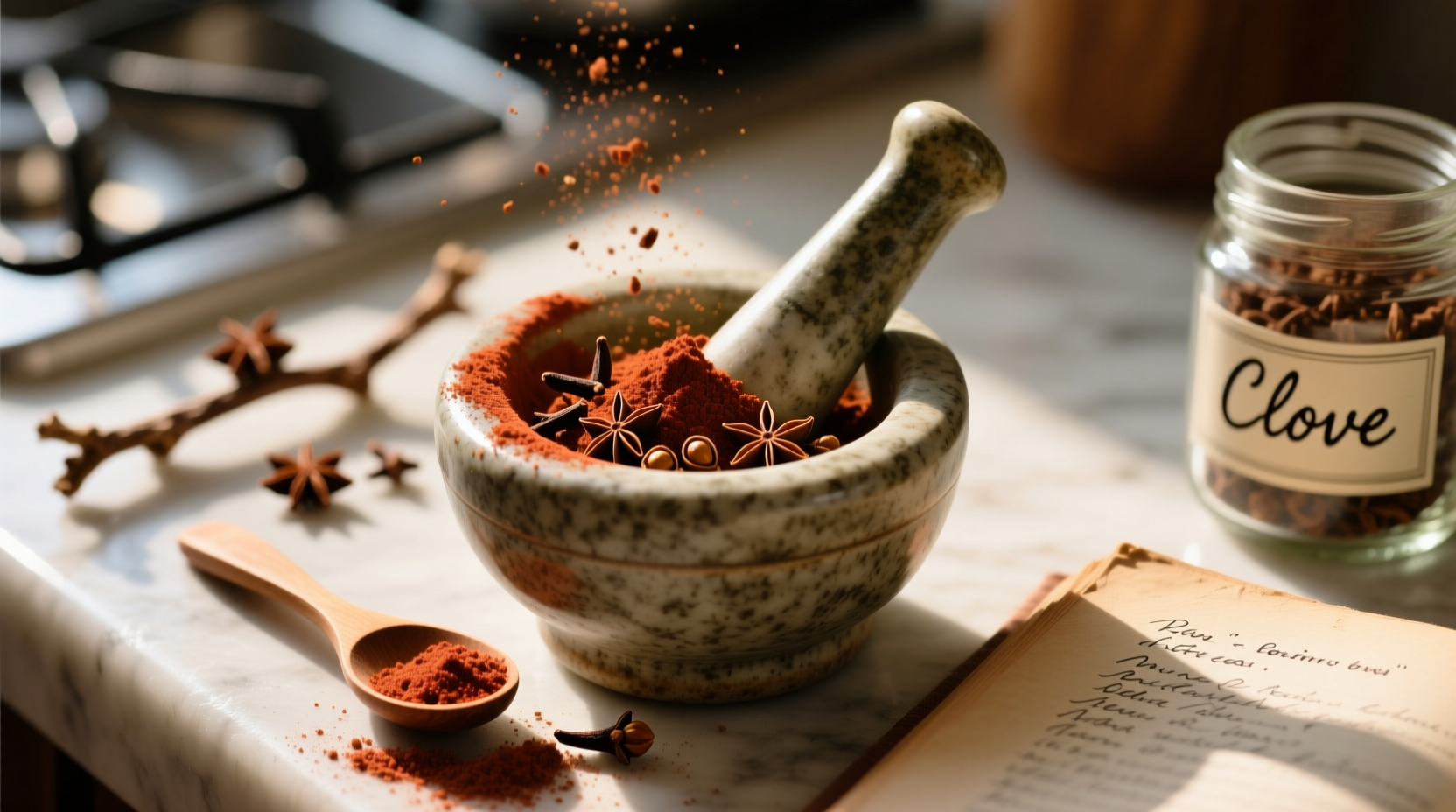
Ground clove is the powdered form of dried flower buds harvested from the Syzygium aromaticum, an evergreen tree native to the Maluku Islands (historically known as the Spice Islands) of Indonesia. These unopened buds are hand-picked, sun-dried until they turn dark brown, and then mechanically ground into a fine, deep-hued powder.
As a spice, clove belongs to the same botanical family as cinnamon and allspice—Myrtaceae—and shares a warm, pungent character. Its use dates back over 2,000 years, with ancient Chinese records showing clove being used as early as 200 BCE, where officials were required to hold cloves in their mouths when addressing the emperor to ensure fresh breath.
Today, ground clove is a staple in both sweet and savory applications worldwide. It features prominently in Indian garam masala, Middle Eastern baharat, Chinese five-spice powder, and Caribbean jerk seasoning. In Western cooking, it's synonymous with fall and winter baking—think gingerbread, apple pie, and spiced cookies—but its utility extends far beyond dessert.
Key Characteristics
| Attribute | Description |
|---|---|
| Flavor Profile | Intensely warm, sweet, slightly bitter, with sharp peppery notes and a numbing sensation at high concentrations. |
| Aroma | Pungent, spicy-sweet, reminiscent of camphor and wood, with strong eugenol dominance. |
| Color | Rich mahogany to dark brown powder. |
| Heat Level | Moderate pungency—not chili-hot, but creates a warming, almost numbing effect on mucous membranes. |
| Culinary Function | Flavor enhancer, preservative, aromatic base in spice blends, natural sweet-spice balance in desserts. |
| Shelf Life | 6–12 months for peak potency; degrades slowly after, losing aroma and becoming flat. |
The dominant compound in cloves is **eugenol**, which makes up 70–90% of clove oil. Eugenol is responsible for the spice’s antiseptic properties, signature aroma, and slight numbing effect. It also contributes to clove’s natural preservative qualities, historically making it valuable for food preservation before refrigeration.
Practical Usage: How to Use Ground Clove in Cooking
Because of its intensity, ground clove requires careful dosing. A little goes a very long way. The key is integration: allowing its flavor to meld with other ingredients rather than standing alone.
Baking & Desserts
In sweet applications, ground clove enhances warmth and depth without adding sugar. It works synergistically with cinnamon, nutmeg, and ginger. Classic pairings include:
- Gingerbread: ¼ tsp ground clove per 2 cups flour balances the molasses’ acidity and boosts spice complexity.
- Pumpkin Pie: Combine ½ tsp clove with 1 tbsp cinnamon and ¼ tsp nutmeg for a balanced spice mix.
- Fruit Compotes: Add a pinch to poached pears or baked apples for aromatic lift.
Tip: Always sift ground clove with dry ingredients to prevent clumping and ensure even distribution.
Savory Dishes
While less common in modern Western savory cooking, clove is foundational in many traditional cuisines:
- Indian Curries: Used in small amounts in garam masala (typically 5–10% of the blend), where it supports cardamom and cumin without dominating.
- Middle Eastern Rice Dishes: A single clove bud (not ground) is often simmered in rice pilaf and removed before serving. Ground clove may be used sparingly in meat stuffings or lentil soups.
- Chinese Five-Spice Powder: Clove is one of the five components (with star anise, Sichuan pepper, fennel, and cinnamon), contributing heat and sweetness.
- Caribbean Jerk Marinades: Blended with allspice, thyme, and scotch bonnet peppers, clove adds depth to grilled meats.
Pro Tip: When using ground clove in slow-cooked dishes like braises or stews, add it early to allow its volatile oils to mellow and integrate. For quick sautés or finishing, avoid ground clove—it can burn easily. Opt for whole cloves instead, which infuse gradually and can be removed.
Preservation & Pickling
Due to its antimicrobial properties, clove has long been used in preserving foods. In pickling brines, it imparts flavor while inhibiting bacterial growth. For example:
- Add ¼ tsp ground clove per quart of vinegar-based brine for pickled onions or carrots.
- Combine with mustard seed and bay leaf for classic chutneys.
Note: Ground clove will cloud brines slightly. For clearer appearance, use whole cloves and strain after cooling.
Spice Blend Formulations
Creating your own blends ensures freshness and control. Here are three foundational recipes using ground clove:
- Homemade Garam Masala: Toast 2 tbsp coriander seeds, 1 tbsp cumin seeds, 1 tsp black peppercorns, 1-inch cinnamon stick, 4 green cardamom pods, and 3 whole cloves. Grind and add an additional ¼ tsp ground clove after grinding for extra warmth.
- Pumpkin Pie Spice (Makes ~3 Tbsp): Mix 1 tbsp ground cinnamon, 2 tsp ground ginger, 1 tsp ground nutmeg, ½ tsp ground allspice, and ¼ tsp ground clove. Store in an airtight jar.
- Baharat (Middle Eastern Blend): Combine equal parts ground cinnamon, cumin, coriander, black pepper, and 1 part ground clove. Use ½ tsp per pound of ground meat in kebabs or kofta.
Variants & Types
While “ground clove” refers specifically to pulverized dried buds, there are several related forms worth knowing:
| Type | Description | Best Use Case |
|---|---|---|
| Whole Cloves | Dried unopened buds, nail-shaped, dark brown. | Infusing liquids (mulled wine, broths), pickling, removable after cooking. |
| Ground Clove | Finely milled powder from dried buds. | Baking, spice rubs, blends where even dispersion is needed. |
| Clove Oil | Concentrated essential oil extracted via steam distillation. | Dental remedies (topical only), flavoring extracts, never for direct ingestion. |
| Organic vs. Conventional | No chemical pesticides; grown sustainably. | Preferred for health-conscious users and clean-label cooking. |
For maximum freshness, buy whole cloves and grind them as needed using a dedicated spice grinder or mortar and pestle. Pre-ground clove loses potency faster due to greater surface area exposure to air and light.
Comparison with Similar Ingredients
Ground clove is often confused with other warm spices. Understanding the differences prevents misapplication.
| Spice | Flavor Difference | Substitution Advice |
|---|---|---|
| Allspice | Tastes like a blend of clove, cinnamon, and nutmeg but milder and fruitier. | Use ¾ tsp allspice for every ½ tsp clove, but expect softer impact. |
| Nutmeg | Sweeter, more delicate, with woody undertones; lacks clove’s sharpness. | Not a direct substitute; combine with cinnamon to mimic clove’s warmth. |
| Cinnamon | Softer, sweeter, less aggressive; primarily sugary with mild heat. | Can complement clove but cannot replace its pungency. |
| Star Anise | Licorice-forward, less numbing, more floral. | Works in some Asian dishes but alters flavor profile significantly. |
\"Clove is the scalpel of the spice drawer—precise, sharp, and unforgiving if misused. But in the right hands, it brings unmatched depth.\" — Chef Amira Hassan, Culinary Instructor, Institute of Global Flavors
Practical Tips & FAQs
How much ground clove should I use?
Start with ⅛ to ¼ tsp per recipe for four servings. Increase only if building layered spice profiles. Never exceed ½ tsp in a standard dish unless intentionally crafting a bold fusion flavor.
Can I substitute whole cloves for ground?
Yes, but adjust quantity: 1 whole clove ≈ ⅛ tsp ground clove. Remember that whole cloves infuse slowly and should be removed before serving unless crushed finely.
Does ground clove go bad?
It doesn’t spoil, but it loses potency. Test freshness by rubbing a pinch between fingers and inhaling. If the aroma is weak or musty, discard. Store in an airtight container away from heat and sunlight.
Is ground clove safe to consume daily?
In culinary amounts (up to ½ tsp per day), yes. However, excessive intake (more than 1 tsp daily) may cause liver toxicity due to high eugenol content. Avoid medicinal use without professional guidance.
Can I use ground clove in beverages?
Absolutely. Stir a pinch into hot chocolate, chai tea, or apple cider. For mulled wine, combine ¼ tsp ground clove with cinnamon sticks and orange peel, simmering for 10–15 minutes. Strain before serving.
Why does clove numb my mouth?
Eugenol acts as a mild local anesthetic. This is why clove oil has been used traditionally for toothaches. In food, this effect is subtle but noticeable at high concentrations.
Storage Checklist
- Store in opaque, airtight glass jars.
- Keep in a cool, dark cupboard—never above the stove.
- Label with purchase date; aim to replace within 12 months.
- Buy in small quantities to ensure freshness.
Summary & Key Takeaways
Ground clove is a powerhouse spice with a rich history and broad culinary reach. Derived from the dried buds of an Indonesian evergreen, it offers a bold, warm, and slightly numbing flavor driven by eugenol. While commonly associated with holiday baking, its true versatility spans savory curries, spice blends, pickling solutions, and marinades.
The secret to mastering ground clove lies in restraint. Use it in small, measured amounts—typically no more than ¼ tsp per dish—to enhance rather than overwhelm. Pair it thoughtfully with complementary spices like cinnamon, nutmeg, and allspice, and consider grinding whole cloves fresh for superior aroma.
Remember: clove is not interchangeable with similar warm spices. Allspice may resemble it, but lacks its intensity. Nutmeg is sweeter and gentler. Substitutions require recalibration, not direct swaps.
From ancient breath-freshening rituals to modern gourmet kitchens, clove remains a symbol of culinary transformation. Whether you're spicing a batch of cookies or building a complex curry, understanding how to use ground clove properly unlocks deeper layers of flavor and tradition.
Next time you reach for your spice rack, pause at the clove jar. Measure carefully, think contextually, and let its warmth work quietly in the background—where great spices belong.




 浙公网安备
33010002000092号
浙公网安备
33010002000092号 浙B2-20120091-4
Comments
No comments yet. Why don't you start the discussion?