
Korean red chili paste—commonly known as gochujang (고추장)—is one of the most essential ingredients in Korean cuisine. A deep crimson condiment with a complex balance of heat, sweetness, umami, and fermentation depth, it transforms everything from stews and marinades to dressings and glazes. For cooks seeking bold, layered flavor without relying on processed additives, gochujang offers an elegant solution. Understanding what it is, how it’s made, and how to use it effectively unlocks new dimensions in both traditional Korean cooking and global fusion applications.
Definition & Overview
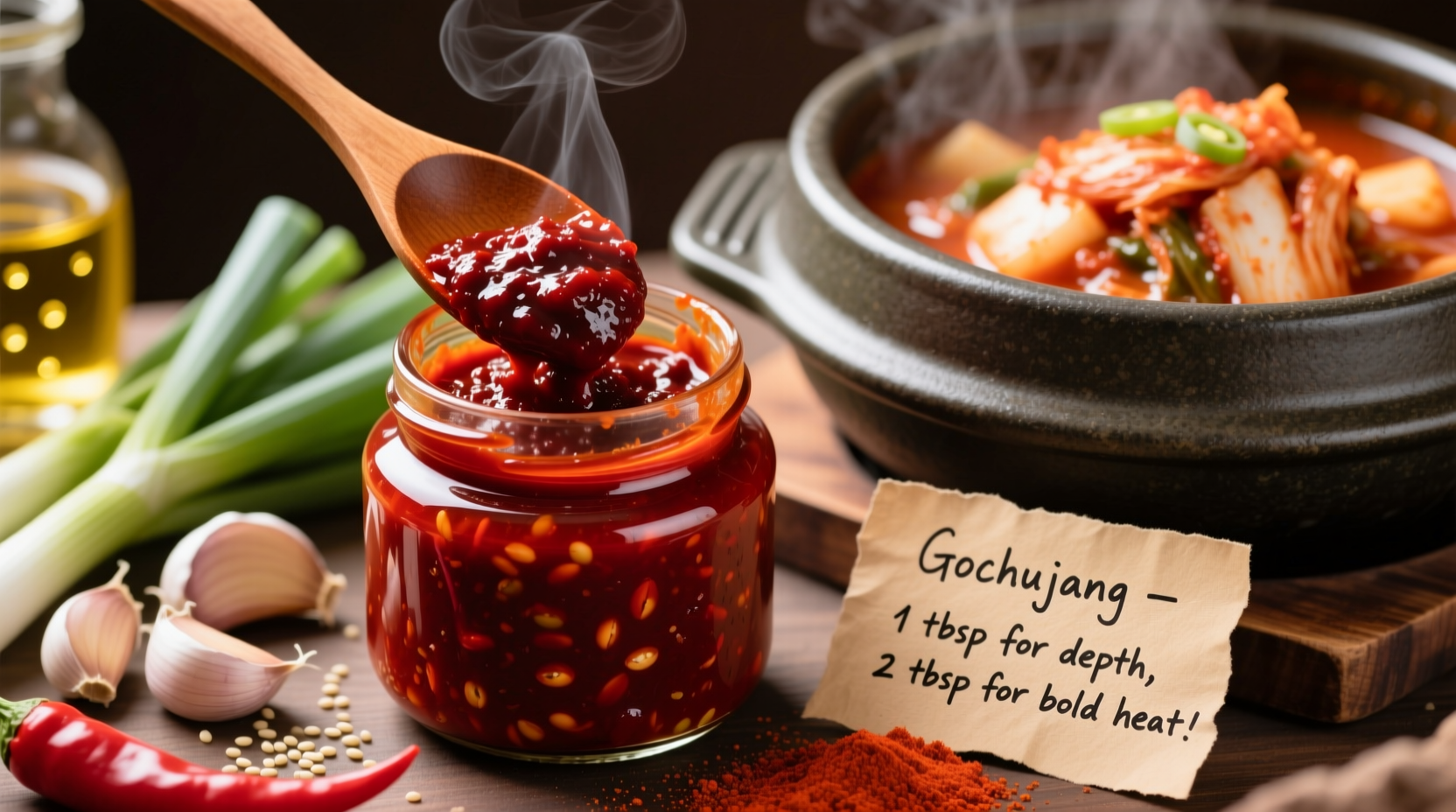
Gochujang is a fermented Korean chili paste made primarily from glutinous rice, fermented soybean powder (mejugaru), red chili flakes (gochugaru), and salt. The mixture undergoes a slow fermentation process that can last months or even years, developing rich enzymatic complexity. Unlike fresh salsas or vinegar-based hot sauces, gochujang relies on natural microbial activity to build savory depth, similar to miso or doenjang but with pronounced spice and sweetness.
The paste has been a staple in Korean pantries for over 500 years, originating during the Joseon Dynasty. Its production was historically seasonal, reserved for spring when clean air and stable temperatures favored safe fermentation. Today, commercial versions are widely available, though artisanal producers still adhere to traditional methods using earthenware pots called onggi, buried partially underground to maintain consistent temperature and humidity.
Gochujang occupies a central role in Korea’s “three pastes” (sam-chang): gochujang (chili), doenjang (soybean), and ganjang (soy sauce). These fermented bases form the backbone of Korean flavor architecture, providing structure, depth, and regional identity across countless dishes.
Key Characteristics
- Flavor Profile: Spicy, sweet, savory, and deeply umami with subtle tang from lactic acid fermentation.
- Aroma: Earthy and slightly smoky, with toasted grain notes and a faint fermented funk reminiscent of aged cheese or miso.
- Color: Vibrant red to dark brick-red, depending on age and brand.
- Texture: Thick, smooth, and paste-like—similar to tomato paste or peanut butter in consistency.
- Heat Level: Medium to high on the Scoville scale; typically ranges from 3,000 to 8,000 units, though milder versions exist.
- Culinary Function: Acts as a base for stews, marinades, sauces, batters, and dipping mixtures. Provides body, color, and flavor foundation.
- Shelf Life: Unopened, lasts 1–2 years refrigerated. Once opened, remains usable for up to 18 months due to high salt content and acidity.
Tip: Always store gochujang in the refrigerator after opening. While its fermentation makes it resistant to spoilage, exposure to warm temperatures accelerates degradation and may encourage mold if contaminated.
Practical Usage: How to Use Gochujang in Cooking
Gochujang's versatility extends far beyond Korean borders. Its unique combination of heat, sweetness, and fermentation allows it to function as a multi-purpose flavor booster in both simple weeknight meals and refined culinary creations.
As a Marinade Base
Gochujang excels at tenderizing and flavoring proteins. When combined with garlic, sesame oil, honey or sugar, and soy sauce, it creates a marinade that clings well and caramelizes beautifully during grilling or roasting.
Example: Gochujang Chicken Marinade
- Mix 3 tablespoons gochujang, 2 tablespoons soy sauce, 1 tablespoon rice syrup (or honey), 1 tablespoon grated ginger, 3 minced garlic cloves, and 1 teaspoon toasted sesame oil.
- Add 1.5 lbs chicken thighs and marinate for at least 4 hours, preferably overnight.
- Grill or broil until charred at edges and cooked through. Baste with reserved (not used) marinade during final minutes.
This technique works equally well with beef (for bulgogi-style dishes), pork (especially belly or shoulder), tofu, and mushrooms.
In Stews and Braises
Gochujang is the defining ingredient in iconic Korean stews like jjigae and chueotang. It dissolves easily into liquid, coloring the broth a rich red while adding body and warmth.
Tofu and Kimchi Jjigae Recipe Base:
- Sauté chopped kimchi and pork belly (optional) in a pot.
- Add 2 tablespoons gochujang and stir-fry 1 minute to bloom flavors.
- Pour in 3 cups water or anchovy stock, bring to simmer.
- Add soft tofu, sliced onion, zucchini, and green onions.
- Cook 15–20 minutes. Adjust seasoning with soy sauce or sugar if needed.
The paste integrates fully, creating a harmonious, spicy-savory broth that pairs perfectly with steamed rice.
As a Sauce or Glaze
Thinned with vinegar, citrus juice, or broth, gochujang becomes a dynamic table sauce or finishing glaze. It cuts richness and adds brightness to grilled meats, roasted vegetables, and noodle bowls.
Gochujang Dipping Sauce (Ssamjang-inspired):
| Ingredient | Amount |
|---|---|
| Gochujang | 2 tbsp |
| Doenjang (fermented soybean paste) | 1 tbsp |
| Minced garlic | 1 tsp |
| Toasted sesame oil | 1 tsp |
| Honey or sugar | 1 tsp |
| Rice vinegar | 1 tsp |
| Chopped green onion | 1 tbsp |
Mix all ingredients. Serve with lettuce wraps, grilled meats, or as a sandwich spread. This blend balances gochujang’s intensity with additional umami and acidity.
In Modern Fusion Applications
Chefs worldwide incorporate gochujang into non-traditional contexts:
- Stirred into mayo for spicy sandwiches or burger spreads.
- Whisked into vinaigrettes for slaws or grain salads.
- Used as a pizza base instead of tomato sauce.
- Blended into aiolis, hummus, or bean dips for added depth.
- Added to ramen broth for extra kick and viscosity.
One New York-based chef famously uses a gochujang-butter compound to finish grilled octopus, citing its ability to \"bridge smoke, fat, and spice without overwhelming.\"
\"Gochujang isn’t just heat—it’s a flavor chassis. You can build entire dishes around it because it already contains sugar, salt, acid, and umami.\" — Chef Ji-Hyun Lee, James Beard-nominated Korean-American restaurateur
Variants & Types
While standard gochujang dominates the market, several variations exist based on region, producer, and intended use.
By Fermentation Length
- Young (6-month) Gochujang: Brighter, fruitier, less complex. Ideal for raw applications like dressings.
- Mature (1–2 year): Deeper color, more rounded heat, intensified umami. Best for stews and long-cooked dishes.
- Aged (3+ years): Rare, expensive, almost molasses-like. Used sparingly as a finishing accent.
By Heat Level
- Mild: Reduced chili content or lower-grade peppers. Often marketed for children or sensitive palates.
- Standard: Balanced heat suitable for most recipes.
- Extra Spicy: Higher concentration of gochugaru or inclusion of hotter pepper varieties.
By Texture & Form
- Paste (Traditional): Thick, spoonable consistency. Most common form.
- Liquid Gochujang: Thinned with vinegar or water for spray bottles or marinade injectors. Used commercially.
- Powdered: Dehydrated version for seasoning blends or rubs. Dissolves quickly in liquids.
Regional Differences
- Sunchang Gochujang: Produced in North Jeolla Province, designated as a protected geographical indication (PGI) product. Known for superior fermentation control and balanced flavor.
- Home-Fermented: Made in small batches using family recipes. Often includes pumpkin, sweet potato, or pear for natural sweetness.
Artisanal brands like Chung Jung One, Haechan, and Mother-in-Law’s Kimchi offer distinct profiles—some emphasizing sweetness, others focusing on earthy depth or clean heat.
Comparison with Similar Ingredients
Gochujang is frequently mistaken for other red-hued condiments, but key differences set it apart.
| Ingredient | Gochujang | Doubanjiang (Chinese) | Miso (Japanese) | Sriracha |
|---|---|---|---|---|
| Main Base | Rice + soy + chili | Fermented fava/soy beans + chili | Soy + rice/barley | Chili + vinegar + garlic |
| Heat Level | Medium-high | High | None (white), low (red) | High |
| Sweetness | Noticeable | Low | Varies (sweet white miso) | Moderate (from sugar) |
| Fermentation | 6+ months | 1–3 years | Months to years | Weeks (lactic acid only) |
| Texture | Thick paste | Chunky, gritty | Smooth to grainy | Free-flowing liquid |
| Best Use | Marinades, stews, glazes | Mapo tofu, braises | Miso soup, glazes | Condiment, drizzle |
Unlike sriracha, which functions primarily as a spicy topping, gochujang integrates structurally into dishes. Compared to doubanjiang, it’s sweeter and smoother, lacking the coarse texture and intense saltiness. While similar to red miso in fermentation method, gochujang brings significant heat and color absent in most miso varieties.
Practical Tips & FAQs
How much gochujang should I use?
Start with 1–2 teaspoons per serving. Taste and adjust gradually—its flavor builds over time, especially when heated. In soups or stews, 1–2 tablespoons per quart of liquid is typical.
Can I substitute gochujang?
No direct substitute replicates all aspects, but acceptable alternatives include:
- Miso + cayenne + sugar: Mix 1 tbsp red miso, 1 tsp cayenne, 1 tsp sugar, 1 tsp water.
- Chipotle paste + soy sauce + honey: Adds smoke and heat, though missing fermentation depth.
- Sambal oelek + tomato paste + brown sugar: Closer in texture and color, but lacks umami.
Note: Substitutes work in a pinch but won’t deliver the same complexity.
Is gochujang vegan?
Most commercial brands are vegan, but some traditional recipes include fish sauce or shrimp paste. Check labels if strict plant-based diets apply. Brands like Mother-in-Law’s and Sempio clearly label vegan status.
Does gochujang need to be cooked?
Not necessarily. Raw gochujang can be used in dressings or dips, but heating it for 1–2 minutes in oil enhances aroma and rounds out sharp edges. This step, known as “blooming,” activates volatile compounds and improves integration into dishes.
How do I prevent mold?
Always use a clean, dry spoon when scooping. Avoid double-dipping. If mold appears (fuzzy spots, off smell), discard the entire container—do not scrape off and continue using.
Where can I buy it?
Available in most Asian grocery stores, larger supermarkets (Kroger, Wegmans, Whole Foods), and online retailers (Amazon, Hmart.com). Look for glass jars rather than plastic tubs for better shelf stability.
Storage Checklist:
- Keep unopened jars in a cool, dark pantry.
- Refrigerate immediately after opening.
- Press plastic wrap directly onto surface before sealing to minimize oxidation.
- Use within 12–18 months for peak flavor.
Summary & Key Takeaways
Gochujang is more than just a spicy paste—it’s a fermented flavor powerhouse that embodies the essence of Korean culinary philosophy: balance, depth, and transformation through time. Its triad of heat, sweetness, and umami makes it uniquely versatile, capable of elevating marinades, stews, sauces, and even fusion dishes with minimal effort.
Understanding its composition, variants, and proper usage ensures optimal results in any kitchen. Whether crafting an authentic kimchi jjigae or spicing up a weekday grain bowl, gochujang delivers complexity that few condiments can match.
Begin with small amounts, experiment with pairings, and respect its fermented nature by storing it properly. Over time, it will become an indispensable tool in your pantry—one that connects ancient tradition with modern taste.
Try making your own gochujang-inspired dressing this week: whisk 1 tsp gochujang, 1 tbsp rice vinegar, 1 tsp honey, 1 tbsp olive oil, and a dash of soy sauce. Toss with shredded cabbage, carrots, and cilantro for a quick, vibrant slaw.




 浙公网安备
33010002000092号
浙公网安备
33010002000092号 浙B2-20120091-4
Comments
No comments yet. Why don't you start the discussion?