
Linguica sausage is a flavorful, garlicky smoked pork sausage with deep roots in Portuguese cuisine. Revered for its bold aroma and rich umami depth, it has become a staple ingredient not only in traditional dishes like feijoada and caldo verde, but also in modern fusion cooking across the United States, Hawaii, and Brazil. For home cooks seeking to elevate soups, rice dishes, or breakfast plates with minimal effort, linguica offers an instant infusion of savory complexity. Understanding its characteristics, regional variations, and proper handling ensures that this versatile sausage enhances meals without overpowering them.
Definition & Overview
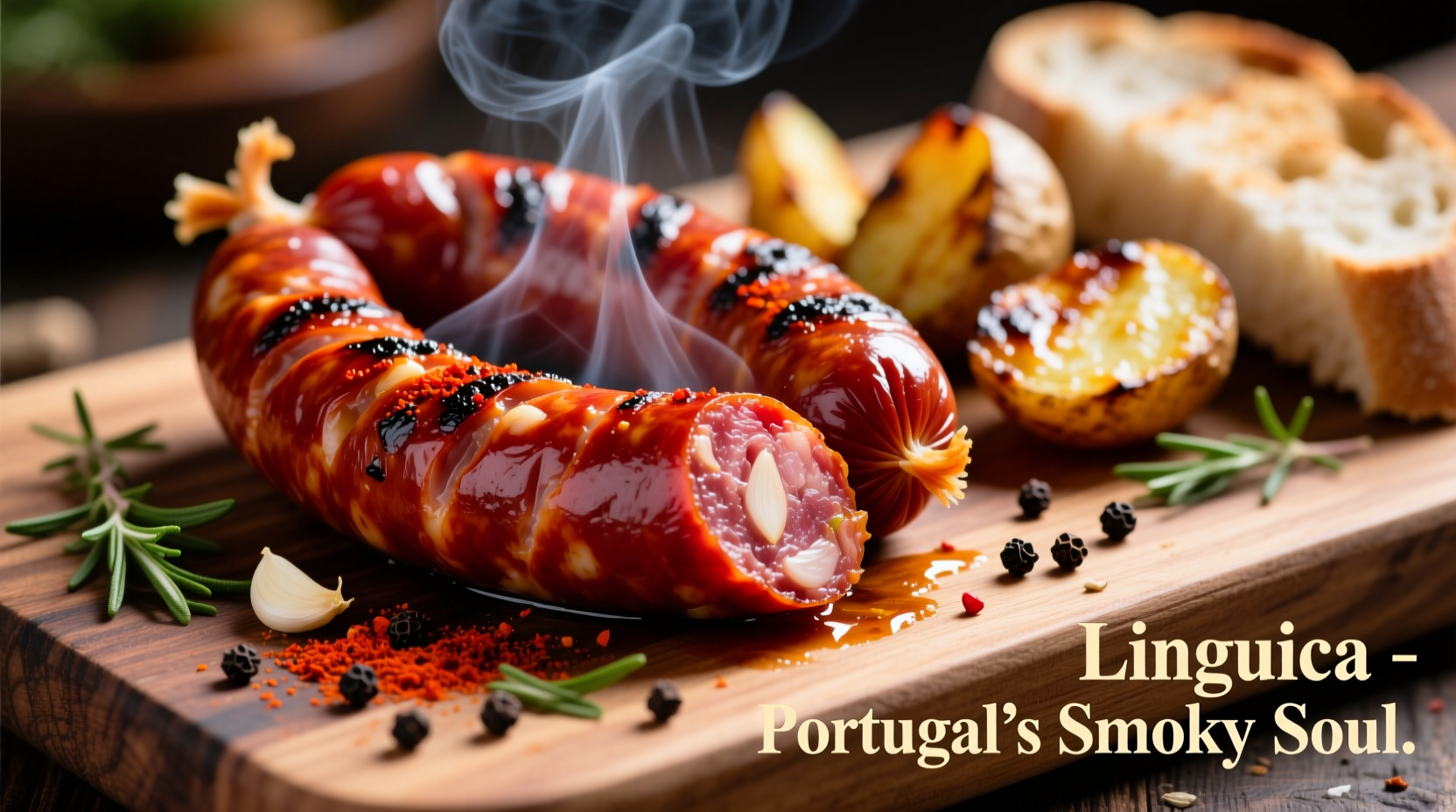
Linguica (pronounced \"ling-GEE-ka\") is a cured, smoked pork sausage originating from Portugal. Made primarily from coarsely ground pork, it is seasoned generously with garlic, paprika—often sweet or mild—and sometimes wine or piri-piri peppers for subtle heat. Unlike spicy chorizo or dry-cured salami, linguica strikes a balance between smokiness, garlic richness, and gentle warmth, making it accessible to a broad range of palates.
The name “linguica” derives from the Portuguese word *linguiça*, meaning “little tongue,” likely referring to its elongated, slender shape rather than any ingredient. Traditionally stuffed into natural casings, it is fully cooked during the smoking process, which means it can be eaten as-is or further prepared in hot dishes. Its popularity extends far beyond Portugal, particularly in regions with strong Lusitanian influence—such as the Azores, Madeira, coastal Massachusetts, California’s Central Valley, and Hawaii—where it appears in both everyday meals and festive gatherings.
In culinary function, linguica acts as a flavor foundation. Like bacon or pancetta, it imparts fat-soluble flavors when rendered, building a savory base for beans, greens, potatoes, and grains. However, unlike those ingredients, linguica brings its own distinct seasoning profile: pronounced garlic, a hint of smoke, and a touch of sweetness from paprika, creating a uniquely Iberian character.
Key Characteristics
| Attribute | Description |
|---|---|
| Primary Meat | Pork (shoulder or belly preferred) |
| Texture | Coarsely ground, juicy when cooked |
| Flavor Profile | Garlicky, smoky, mildly spicy, slightly sweet |
| Aroma | Strong garlic presence, warm smoke, cured meat notes |
| Color | Deep red-brown exterior; pinkish interior when sliced |
| Heat Level | Mild to medium (varies by region and recipe) |
| Cooking Status | Pre-cooked via smoking; ready-to-eat but typically reheated or sautéed |
| Shelf Life (Unopened) | Refrigerated: 2–3 weeks; Frozen: up to 3 months |
| Culinary Role | Flavor enhancer, protein component, fat source |
Practical Usage: How to Use Linguica in Cooking
Linguica shines brightest when used as a foundational ingredient. Because it is already cooked, the goal is often to render its fat and bloom its spices before adding other components. This technique maximizes flavor transfer and creates a cohesive dish.
Basic Preparation Method
- Slice linguica into ¼-inch rounds or halve lengthwise for grilling.
- Place in a cold skillet and turn heat to medium-low.
- Render slowly for 6–8 minutes, turning occasionally, until golden and sizzling.
- Remove meat and reserve drippings for sautéing onions, garlic, or vegetables.
- Return meat to pan when combining final ingredients.
This method prevents burning the garlic and allows the fat to carry flavor throughout the dish. Never boil linguica directly—it dulls the texture and leaches seasoning.
Classic Dishes Featuring Linguica
- Caldo Verde: A Portuguese kale and potato soup where thin slices of linguica are simmered gently at the end, infusing the broth with smoky depth.
- Feijoada: A black bean stew enriched with multiple cuts of pork; linguica adds aromatic intensity alongside smoked ham hocks and pork shoulder.
- Spanish Rice (Hawaiian Style): In Hawaii, linguica replaces Spam or longaniza in fried rice dishes, contributing a richer, more complex taste.
- Breakfast Hash: Combined with diced potatoes, bell peppers, and onions, then topped with eggs for a hearty morning meal.
- Stuffed Peppers or Potatoes: Mixed with breadcrumbs, herbs, and cheese, then baked inside hollowed vegetables.
Professional Kitchen Applications
In restaurant settings, chefs use linguica to build layered flavor profiles efficiently. A small amount—just 4 ounces per quart—can season soups, risottos, or grain pilafs. Some upscale kitchens render linguica fat separately and use it to poach clams or braise greens, preserving clarity while delivering umami punch.
One notable example comes from a San Francisco-based chef who substitutes linguica for pancetta in a slow-cooked white bean ragu. The result? A rustic sauce with deeper aromatic complexity and a subtle heat that pairs exceptionally well with grilled bread or seared fish.
TIP: Always slice linguica just before cooking. Pre-sliced sausage dries out faster and loses moisture during storage. If using frozen, thaw overnight in the refrigerator—never microwave, as uneven heating damages texture.
Variants & Types of Linguica
While all linguicas share core traits—garlic, smoke, pork—not all are created equal. Regional differences significantly affect flavor, spice level, and application.
Portuguese Linguica
The original version, made in mainland Portugal and the islands. Typically uses sweet paprika, white wine, and abundant garlic. Smoked over oak or fruitwood. Mild heat unless labeled “picante.” Ideal for soups and stews.
Azorean Linguica
From the Azores archipelago, this variant often includes vinegar and hotter chili peppers. More acidic and spicier than mainland versions. Commonly used in cozido das Furnas, a volcanic-cooked stew.
Hawaiian Linguica
Developed by Portuguese immigrants in the late 19th century. Often sweeter due to added sugar or pineapple juice in marinades. Frequently paired with rice and eggs. Sold in local markets and plate lunch spots statewide.
Brazilian Linguiça
Broader category including fresh and smoked types. May contain citrus zest, cumin, or stronger chilies. Not always interchangeable with Iberian styles. Best suited for churrasco-style grilling.
California-Style Linguica
Produced by Portuguese-American butchers, especially in the Central Valley. Closer to traditional recipes but may use liquid smoke for consistency. Widely available in supermarkets and delis with Latin or Mediterranean focus.
| Type | Spice Level | Best Use | Availability (U.S.) |
|---|---|---|---|
| Portuguese (Mainland) | Mild | Soups, stews, casseroles | Specialty stores, online |
| Azorean | Medium-Hot | Boiled dishes, cozidos | Limited; ethnic markets |
| Hawaiian | Mild-Sweet | Fried rice, sandwiches | Widely available in HI |
| Brazilian | Variable | Grilling, feijoada | Select Latin grocers |
| California-Made | Mild | All-purpose | West Coast supermarkets |
TIP: Check packaging labels carefully. Some products labeled “linguica” may actually be closer to Mexican chorizo (raw, highly spiced). True linguica should be firm, refrigerated, and clearly marked as smoked or pre-cooked.
Comparison with Similar Ingredients
Linguica is often confused with other cured sausages, especially given overlapping names and global adaptations. Knowing the distinctions prevents recipe mishaps.
- Linguica vs. Chorizo (Spanish): Spanish chorizo relies on smoked paprika (pimentón) for color and earthiness but contains less garlic. It’s drier and harder, often served sliced on charcuterie boards. Linguica is juicier, more aromatic, and better suited for cooking.
- Linguica vs. Chorizo (Mexican): Mexican chorizo is raw, unsmoked, and packed with chili powder and vinegar. Requires full cooking and crumbles like ground meat. Linguica skips this step—it’s ready to eat and retains its shape when sliced.
- Linguica vs. Kielbasa: Polish kielbasa tends to feature marjoram and black pepper, with less garlic and smoke. Heavier in texture, often boiled first. Linguica delivers brighter, more pungent top notes.
- Linguica vs. Andouille: Louisiana andouille is spicier, coarser, and double-smoked. Used heavily in Cajun gumbo. While linguica can substitute in a pinch, it lacks the same heat and smokiness unless enhanced with cayenne.
- Linguica vs. Pepperoni: Pepperoni is finer-ground, very spicy, and intended for pizza. It crisps quickly under high heat. Linguica remains moist and functions more like a cooking ingredient than a topping.
“Linguica isn’t just sausage—it’s flavor insurance. One link can transform a bland bean pot into something memorable.” — Chef Ana Silva, Lisbon Culinary Institute
Practical Tips & FAQs
Can you eat linguica raw?
No, despite being fully cooked through smoking, it is not safe or palatable to eat straight from the package without warming. Heating improves texture, releases aroma, and kills potential surface bacteria.
Is linguica spicy?
Typically no. Most versions are mild, relying on garlic and smoke rather than heat. However, some Azorean or homemade varieties include piri-piri or red pepper flakes. Always check the label if sensitive to spice.
How do you store linguica?
Keep unopened linguica refrigerated below 40°F (4°C). Once opened, wrap tightly in parchment or foil and consume within one week. For longer storage, freeze whole links in airtight bags for up to three months. Thaw slowly in the fridge before use.
What can I substitute for linguica?
Acceptable swaps depend on the dish:
- Smoked Spanish chorizo – closest match in texture and smoke level.
- Andouille sausage – spicier, but similar density and smokiness.
- Kielbasa + extra garlic – add minced garlic to compensate for lower garlic content.
- Smoked turkey sausage + olive oil – leaner option; add oil to replace lost fat.
Do you remove the casing before cooking?
Not necessarily. Natural casings are edible and help hold the sausage together during slicing and searing. Remove only if incorporating into a finely textured dish like stuffing or dip. To peel, slice lengthwise and gently pull back the skin.
Can linguica be grilled?
Yes. Grill over medium heat for 8–10 minutes, turning frequently, until lightly charred. Serve as part of a mixed grill platter or sliced into salads and sandwiches. Baste with lemon-garlic butter for added brightness.
Is linguica gluten-free?
Most traditional recipes are gluten-free, but always verify the label. Some commercial brands may use fillers or shared equipment. Look for certified GF symbols when necessary.
How much linguica should I use per serving?
A general rule: 3–4 ounces (85–115g) per person when it's the primary protein. For flavor enhancement in soups or sides, 1–2 ounces per quart or pound of base ingredient suffices.
TIP: Save linguica ends and trimmings in a freezer bag. Simmer them in bean pots or broths for extra depth, then discard before serving.
Summary & Key Takeaways
Linguica sausage is a pre-cooked, smoked pork sausage defined by its generous garlic seasoning, mild paprika-infused smoke, and juicy texture. Originating in Portugal, it plays a vital role in traditional dishes such as caldo verde and feijoada, but its versatility makes it valuable in modern kitchens worldwide.
Its key strengths lie in its ability to enrich dishes quickly—whether lentils, rice, potatoes, or leafy greens—through rendered fat and robust flavor. Available in several regional forms, from mild mainland Portuguese to spicier Azorean and sweeter Hawaiian styles, selecting the right type depends on the desired outcome.
Distinguish it from similar sausages: unlike raw Mexican chorizo or heavily spiced pepperoni, linguica is ready-to-cook, shaped in links, and emphasizes garlic over heat. Proper storage, slicing, and rendering techniques ensure optimal results every time.
For cooks aiming to deepen their repertoire with globally inspired yet approachable ingredients, linguica offers a simple path to restaurant-quality flavor. Whether tucked into a breakfast sandwich or stirred into a bubbling pot of beans, it delivers authenticity and satisfaction with minimal effort.
Next time you're preparing a stew or grain bowl, reach for linguica instead of bacon or ham. You might discover a new go-to for building bold, layered flavor in under 30 minutes.




 浙公网安备
33010002000092号
浙公网安备
33010002000092号 浙B2-20120091-4
Comments
No comments yet. Why don't you start the discussion?