
In an era where health-conscious cooking meets bold flavor expectations, MS Dash seasoning stands out as a pioneering solution for reducing sodium without sacrificing taste. Originally developed in the 1970s by Miles Laboratories (a subsidiary of Bayer), Dash was one of the first nationally marketed salt-free seasoning blends in the United States. Designed primarily for individuals managing hypertension or heart conditions, it has since evolved into a staple pantry item for home cooks seeking cleaner, more balanced seasoning profiles. Unlike generic “salt substitutes” that rely heavily on potassium chloride and often carry a metallic aftertaste, MS Dash offers a complex, herb-forward formula that enhances food naturally. Understanding what Dash is—and how to use it effectively—can transform everyday meals into flavorful, heart-smart experiences.
Definition & Overview
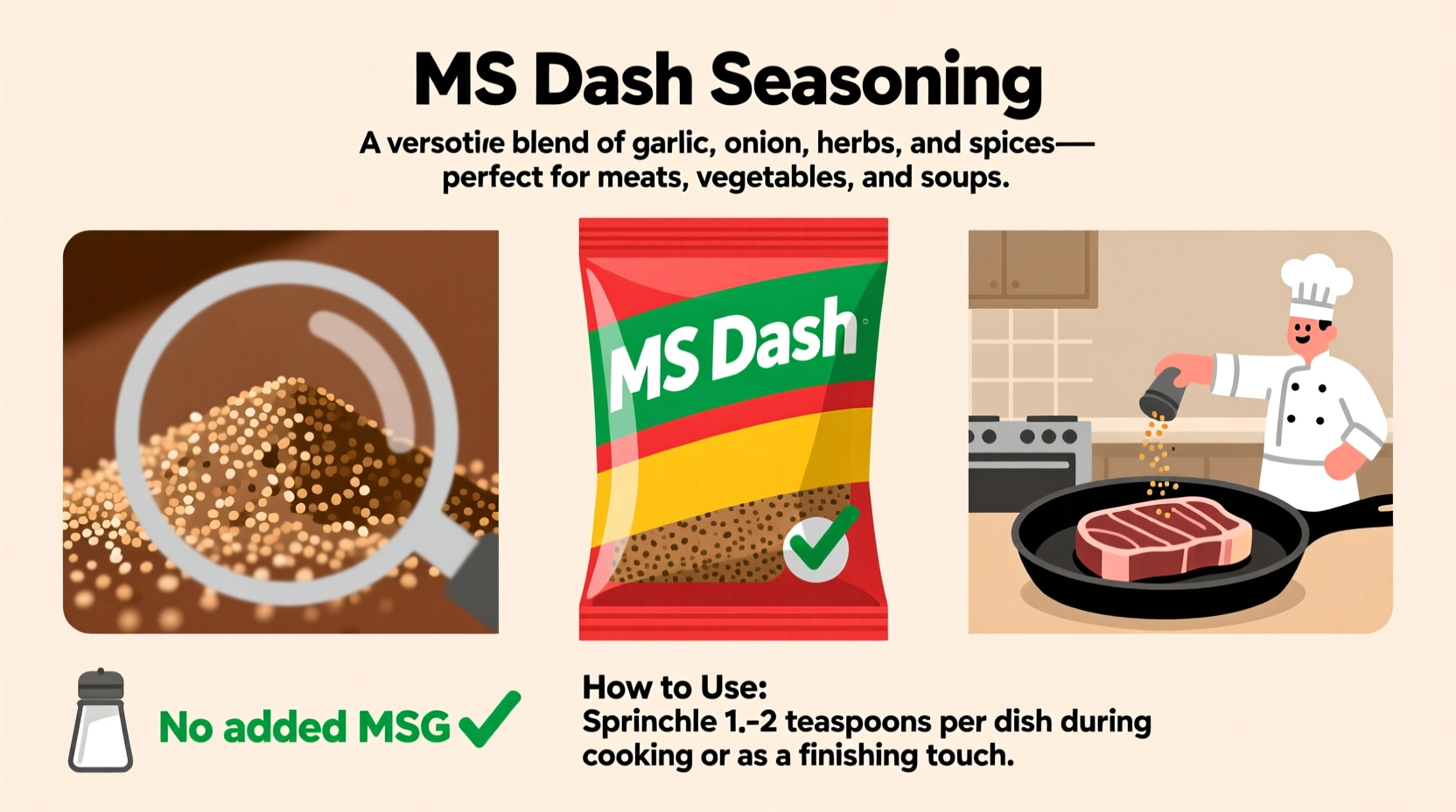
MS Dash (often stylized as *DASH*, short for \"Dietary Approaches to Stop Hypertension\") is a commercially produced, salt-free seasoning blend formulated to help reduce dietary sodium intake while maintaining rich flavor in cooked dishes. Despite its medical origins, Dash is not a pharmaceutical product but a culinary spice mix composed of dried herbs, spices, and natural flavor enhancers. The brand name “Dash” became synonymous with low-sodium seasoning, much like “Kleenex” is used for tissues, though several other brands now offer similar formulations.
The blend typically includes onion, garlic, parsley, black pepper, red pepper, and citric acid, among other ingredients. It contains no added salt (sodium chloride) and is explicitly labeled as such, making it suitable for those on sodium-restricted diets. While originally conceived as a health aid, Dash has earned a place in mainstream kitchens due to its ability to elevate vegetables, proteins, and grains with depth and savoriness—without relying on salt for impact.
Dash seasoning aligns closely with the principles of the DASH diet—a nutrition plan endorsed by the National Heart, Lung, and Blood Institute (NHLBI) to combat high blood pressure through whole foods, reduced sodium, and increased intake of potassium, calcium, and magnesium. Though the seasoning is just one component of that dietary approach, its widespread availability helped popularize the idea that healthy eating doesn’t require blandness.
Key Characteristics
Dash seasoning’s sensory and functional attributes make it distinct from both table salt and other herb blends. Its formulation balances earthiness, brightness, and subtle heat, allowing it to function as a versatile all-purpose seasoning.
| Attribute | Description |
|---|---|
| Flavor Profile | Earthy, savory, slightly tangy with herbal notes (parsley, onion, garlic), mild pungency from black and red pepper. |
| Aroma | Fragrant and fresh-dried herb scent with warm garlic-onion base; no artificial fragrance. |
| Color & Form | Light green to tan granular powder; free-flowing texture. |
| Sodium Content | 0 mg per serving (typically 1/4 tsp); explicitly labeled as salt-free. |
| Heat Level | Mild to moderate warmth from red pepper flakes; not spicy-hot. |
| Culinary Function | All-purpose seasoning for meats, vegetables, soups, sauces, marinades; replaces salt in most applications. |
| Shelf Life | 2–3 years when stored in a cool, dry place away from light. |
| Primary Ingredients | Dehydrated onion, garlic, parsley, citric acid, black pepper, red pepper, cornstarch (anti-caking agent). |
Practical Usage: How to Use MS Dash Seasoning
Dash seasoning shines in applications where salt would traditionally dominate, offering complexity instead of mere salinity. Because it lacks sodium, it cannot trigger the same immediate taste bud response as table salt, so strategic use is key. It works best when layered throughout the cooking process rather than applied only at the end.
For home cooks: Use Dash as a direct 1:1 replacement for salt in recipes where you want to reduce sodium. However, because it contains no sodium, you may need to adjust quantities slightly—often using a bit more than you would salt—to achieve full flavor development. Start with 1/4 teaspoon per serving and adjust upward based on dish type and personal preference.
It performs exceptionally well in:
- Roasted vegetables: Toss carrots, potatoes, broccoli, or Brussels sprouts with olive oil and Dash before roasting. The citric acid brightens earthy flavors, while garlic and onion add umami depth.
- Grilled or baked proteins: Rub onto chicken breasts, fish fillets, pork chops, or tofu before cooking. Combine with lemon juice or vinegar-based marinades for enhanced penetration.
- Soups and stews: Add during simmering to build background flavor. Particularly effective in bean soups, lentil stews, and vegetable chowders.
- Scrambled eggs or omelets: Sprinkle into eggs before cooking for a savory boost without saltiness.
- Popcorn seasoning: Mix with nutritional yeast and a touch of smoked paprika for a nutritious, flavorful snack.
Professional kitchen applications: Chefs use Dash in menu development for heart-healthy or wellness-focused offerings. In restaurant settings, it's often incorporated into rubs, dry brines (for poultry), or blended into compound butters for grilled items. Some upscale cafés use it in house-made salad dressings where sodium must be minimized but flavor maximized.
One limitation: Dash does not dissolve or integrate as seamlessly in cold preparations like vinaigrettes or raw salsas. For these, consider steeping a small amount in warm vinegar or water first to extract flavor compounds before cooling and incorporating.
Pro Tip: Boost the savoriness of Dash by pairing it with natural glutamates. Add a splash of soy sauce (low-sodium version), a spoonful of tomato paste, or grated Parmesan rind to soups seasoned with Dash. These ingredients provide umami synergy that mimics the mouthfeel salt normally delivers.
Variants & Types
While the original MS Dash remains the flagship product, the brand has expanded to include several specialized variants tailored to different cuisines and flavor preferences. Each maintains the core principle of being salt-free but adjusts the spice matrix accordingly.
| Variant | Flavor Focus | Best Used In |
|---|---|---|
| Dash Original | Balanced herb-garlic-pepper blend | General cooking, roasted veggies, soups, eggs |
| Dash Lemon Pepper | Citrus-forward with zesty lemon peel and cracked pepper | Poultry, seafood, rice dishes, salads |
| Dash Garlic & Herb | Enhanced garlic, rosemary, thyme, oregano | Pasta sauces, bread dips, roasted meats |
| Dash Spicy Jalapeño | Smoky heat with jalapeño, cumin, chili | Tacos, chili, grilled corn, black beans |
| Dash Steakhouse | Peppercorn blend with mushroom powder and onion | Steaks, burgers, mushrooms, pan sauces |
| Dash Mediterranean | Oregano, basil, marjoram, sun-dried tomato | Grilled vegetables, hummus, couscous, tzatziki |
Each variant allows users to match seasoning to cuisine without reintroducing sodium. For example, the Mediterranean version complements Greek-inspired bowls, while Spicy Jalapeño adds dimension to Tex-Mex dishes. When selecting a variant, consider the dominant flavor theme of your dish rather than defaulting to the original.
Comparison with Similar Ingredients
Dash is frequently confused with other low-sodium or salt-replacement products. While they share health goals, their composition and performance differ significantly.
| Product | Sodium? | Primary Components | How It Differs from Dash |
|---|---|---|---|
| Kosher Salt | Yes (high) | Sodium chloride, anti-caking agents | Provides pure salinity; no herbal complexity; used for seasoning and texture control. |
| Potassium Chloride (e.g., Nu-Salt, NoSalt) | No sodium, but high potassium | 100% potassium chloride | Bitter, metallic aftertaste; lacks herbs; purely functional sodium substitute. |
| Herbes de Provence | No sodium (if unsalted) | Thyme, rosemary, savory, lavender | French aromatic blend; floral notes; not designed for broad substitution. |
| Italian Seasoning | Varies (often contains salt) | Basil, oregano, marjoram, sometimes salt | More herb-forward; common versions include salt; less versatile for sodium-sensitive diets. |
| MSG (Monosodium Glutamate) | Yes (contains sodium, but less than salt) | Glutamic acid + sodium | Enhances umami; not a flavor itself; does not replace herbs or salt directly. |
| Homemade Salt-Free Blends | No (if properly made) | Custom mixes of garlic, onion, herbs, citrus | Can replicate Dash; requires effort; variability in consistency. |
“Dash was revolutionary because it treated low-sodium eating as a flavor challenge, not just a restriction. It proved that removing salt didn’t mean removing soul.” — Culinary Nutrition Review, 2018
Practical Tips & FAQs
Can I use Dash seasoning if I don’t have high blood pressure?
Absolutely. Even individuals without medical restrictions benefit from reducing processed sodium. Dash helps recalibrate taste buds to appreciate layered seasoning over salt dominance, supporting long-term palate health.
Does Dash contain MSG?
No, MS Dash does not contain monosodium glutamate (MSG). It relies on natural ingredients like onion and garlic powder, which contain some free glutamates, but not added MSG.
Is Dash safe for people with kidney disease?
Caution is advised. While Dash is sodium-free, some variants may contain potassium-rich ingredients. Individuals with impaired kidney function should consult a healthcare provider before using any salt substitute containing potassium.
How much Dash should I use per serving?
Start with 1/4 teaspoon per standard serving (about 4 oz protein or 1 cup vegetables). Adjust upward in 1/8-teaspoon increments. Remember: Dash builds flavor gradually and benefits from longer cooking times.
Can I make my own Dash-style blend?
Yes. A simple homemade version:
- 3 tbsp dried onion flakes
- 2 tbsp garlic powder
- 2 tbsp dried parsley
- 1 tbsp black pepper (coarsely ground)
- 1 tsp crushed red pepper
- 1 tsp citric acid (optional, for brightness)
- 1 tsp cornstarch (optional, prevents clumping)
Mix thoroughly and store in an airtight jar. Use within 6 months for peak potency.
Does cooking affect Dash’s flavor?
Yes. Heat enhances the release of volatile oils in garlic, onion, and herbs. For maximum impact, add Dash early in the cooking process—especially in sautéed, roasted, or simmered dishes. Avoid burning by adding after initial searing if working with high heat.
What are the best dishes to start with when using Dash?
Begin with forgiving, flavor-absorbent foods:
- Black beans or lentils (absorb seasoning deeply)
- Roasted sweet potatoes or cauliflower
- Grilled chicken thighs (fat carries flavor well)
- Tomato-based pasta sauce
- Scrambled tofu or eggs
Storage Tip: Keep Dash in a cool, dark cupboard away from the stove. Exposure to heat and light degrades dried herbs quickly. Replace after two years for optimal flavor, even if unopened.
Summary & Key Takeaways
MS Dash seasoning is far more than a salt substitute—it is a thoughtfully engineered flavor builder designed to support health without compromising taste. Born from medical research into hypertension management, it has become a valuable tool for any cook aiming to reduce sodium while enhancing complexity in everyday meals.
The original blend combines garlic, onion, parsley, and gentle heat with a touch of acidity to create a savory, rounded profile suitable for a wide range of dishes. Its salt-free composition makes it ideal for heart-healthy diets, but its versatility appeals to all palates. With multiple variants available—from lemon pepper to spicy jalapeño—there’s a Dash formulation for nearly every cuisine.
Unlike potassium chloride-based substitutes that leave a bitter aftertaste, Dash delivers genuine flavor through real herbs and spices. When used strategically—layered into cooking, paired with umami sources, and matched to compatible dishes—it can permanently change how you season food.
Whether you're managing a health condition, exploring clean eating, or simply refining your culinary technique, integrating MS Dash into your kitchen routine offers a practical step toward more intentional, flavorful cooking. Start experimenting today: swap it into a soup, sprinkle it on roasted vegetables, or blend it into a marinade. Over time, you may find you reach for the salt less—and enjoy your food more.




 浙公网安备
33010002000092号
浙公网安备
33010002000092号 浙B2-20120091-4
Comments
No comments yet. Why don't you start the discussion?