
Parsley root is a culinary ingredient that often flies under the radar in Western kitchens, yet it holds a quiet prominence in Central and Eastern European cuisines. While most people are familiar with parsley as a leafy green herb used for garnish or seasoning, far fewer recognize that its taproot is not only edible but deeply flavorful and versatile. Often mistaken for parsnips or carrots due to its appearance, parsley root offers a unique aromatic depth that enriches broths, stews, and roasted vegetable medleys. Understanding this overlooked root expands a cook’s palette of natural flavor enhancers and introduces a sustainable way to utilize more parts of common garden plants.
As interest in root-to-stem cooking and traditional ingredients grows, parsley root is gaining recognition among home cooks and professional chefs alike. It delivers both nutritional value and complex taste without overpowering other ingredients, making it an ideal component in layered dishes where subtle herbal notes elevate the whole. This guide explores the botanical identity, sensory profile, culinary applications, and storage practices of parsley root, equipping readers with the knowledge to confidently incorporate it into everyday meals.
Definition & Overview
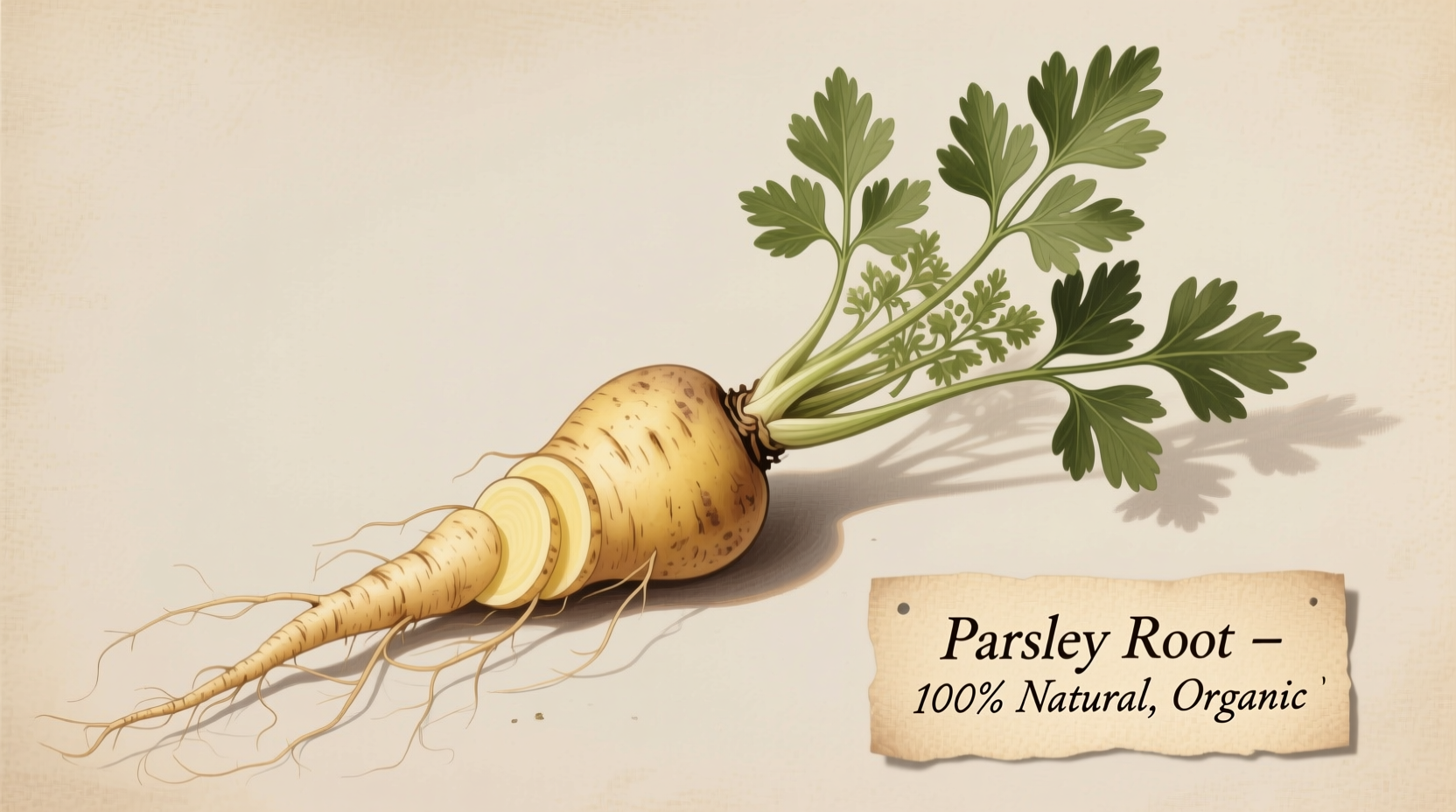
Parsley root (var. tuberosum of Petroselinum crispum) is a cultivated variety of parsley grown specifically for its edible taproot rather than its foliage. Unlike curly or flat-leaf parsley—primarily harvested for their leaves—parsley root develops a long, tapered underground structure resembling a pale carrot or slender parsnip. It belongs to the Apiaceae family, which includes carrots, celery, fennel, and parsnips, explaining its shared aromatic qualities with these vegetables.
The plant originated in southern Europe and has been cultivated for centuries in countries such as Germany, Poland, Hungary, and Austria, where it remains a staple in classic stocks, winter soups, and holiday roasts. In German cuisine, it's known as *Petersilienwurzel*; in Polish, *pietruszka korzeniowa*. Its historical role stems from its ability to store well through cold months and contribute foundational flavor to slow-cooked dishes.
While parsley root can be grown commercially or in home gardens, it requires loose, well-drained soil to develop properly. The roots mature in about 90–110 days and are typically harvested in late fall. Above ground, the plant produces parsley-like foliage, though often less lush than leaf varieties since energy is directed toward root development.
Culinarily, parsley root functions as a flavor base, much like onions, leeks, or celery. However, it brings a distinctive herbal nuance—earthy, slightly sweet, with a whisper of parsley’s bright chlorophyll character—that synthetic bouillon cubes cannot replicate. This makes it particularly valuable in clean-label cooking and artisanal broth production.
Key Characteristics
| Attribute | Description |
|---|---|
| Appearance | Long, tapered root; creamy white to pale beige skin; interior flesh is ivory-colored and firm. |
| Size | Typically 6–10 inches long, about 1 inch in diameter at the top, tapering to a point. |
| Flavor Profile | Sweet, earthy, mildly nutty, with a distinct fresh parsley aroma. Less sugary than parsnips, less woody than celery root. |
| Aroma | Bright, green, herbaceous—immediately reminiscent of parsley but deeper and more subdued. |
| Culinary Function | Used as a flavor base (in mirepoix equivalents), roasted vegetable, soup thickener, or puréed side dish. |
| Shelf Life (Raw) | 3–4 weeks when stored unwashed in a cool, dark place or crisper drawer. |
| Nutritional Highlights | Rich in vitamin C, potassium, dietary fiber, and antioxidants; low in calories. |
Practical Usage: How to Use Parsley Root in Cooking
Parsley root shines in both raw and cooked preparations, though it is most commonly used in cooked forms due to its firm texture when raw. Its greatest strength lies in building flavor foundations for savory dishes, especially those requiring long simmering times.
In Stocks and Broths
One of the most traditional uses of parsley root is in homemade stock. Alongside onion, carrot, and celery (the standard mirepoix), parsley root adds a layer of herbal complexity that enhances chicken, beef, or vegetable broths. Simply peel and coarsely chop the root, then add it during the initial sauté or directly to the pot. Because it breaks down slowly, it releases flavor gradually over hours of simmering. For best results, use one medium-sized parsley root per quart of liquid.
“Parsley root transforms a good broth into something extraordinary—it gives that elusive ‘kitchen depth’ without any artificial additives.” — Chef Marta Zawadzki, Culinary Instructor, Kraków Academy of Gastronomy
In Soups and Stews
In Central European borscht, goulash, and potato soups, parsley root is a non-negotiable ingredient. It contributes body and aroma without clouding the broth. Dice it into ½-inch cubes and add early in the cooking process to allow full integration of flavor. In cream-based soups, boiling and puréeing parsley root creates a silky texture similar to cauliflower or potato but with more aromatic lift.
TIP: To prevent discoloration and preserve freshness, submerge cut parsley root in cold water with a splash of lemon juice until ready to use—especially if prepping ahead.
Rosasted and Grilled Applications
When roasted at high heat (400°F/200°C), parsley root caramelizes slightly and develops a richer, almost chestnut-like sweetness. Toss peeled and halved roots with olive oil, salt, thyme, and garlic, then roast for 30–35 minutes until tender and golden at the edges. Serve alongside roasted meats or as part of a root vegetable platter.
Purées and Mashed Preparations
Boiled and mashed parsley root makes an elegant alternative to mashed potatoes. Combine equal parts boiled parsley root and Yukon gold potatoes, warm cream, butter, and a pinch of white pepper for a smooth, fragrant side dish. The parsley notes remain subtle—not aggressive—making it accessible even to those who claim they “don’t like parsley.”
Raw Uses
Grated or julienned raw parsley root adds crunch and freshness to salads. Pair it with apples, walnuts, and a cider vinaigrette for a wintertime slaw. Its mild bitterness balances sweet and tart elements beautifully.
Variants & Types
While all parsley roots share core characteristics, there are subtle variations based on cultivar and growing conditions:
- Hamburg Parsley Root: The most widely available type outside Europe. Known for its straight shape and smooth skin, ideal for peeling and uniform cutting.
- Italian Parsley Root: Slightly more fibrous but intensely flavored; preferred by chefs seeking maximum aroma impact.
- Homegrown vs. Commercial: Garden-harvested roots may have more irregular shapes but often boast superior flavor intensity due to shorter time between harvest and consumption.
Parsley root is sold in three primary forms:
| Form | Best Used For | Storage Notes |
|---|---|---|
| Fresh Whole Root | Stocks, roasting, grating, long-term storage | Store unpeeled in a paper bag in the refrigerator crisper; lasts up to 4 weeks |
| Peeled and Pre-Cut Chunks | Quick soups, last-minute additions, convenience cooking | Use within 5–7 days; keep submerged in water in the fridge |
| Dried or Powdered Form | Seasoning blends, rubs, instant soups (less common) | Store in airtight container away from light; retains potency 6–8 months |
Comparison with Similar Ingredients
Parsley root is frequently confused with other white or pale roots. Understanding the differences ensures proper usage and avoids flavor imbalances.
| Ingredient | Differences from Parsley Root | When to Substitute |
|---|---|---|
| Parsnip | Sweeter, starchier, lacks herbal notes; higher sugar content leads to faster browning when roasted. | Acceptable in roasts or purées if parsley root unavailable, but expect a sweeter, less aromatic result. |
| Carrot | Distinct orange color, stronger sweetness, different phytonutrient profile (beta-carotene). | Can replace parsley root in mirepoix, but will add color and alter flavor balance—use half the amount. |
| Celery Root (Celeriac) | Larger, knobbier, more pronounced celery flavor; denser texture. | Not interchangeable in delicate broths; better suited for bold, rustic dishes. |
| Regular Parsley (leaves only) | No structural bulk; added at end of cooking for brightness, not depth. | Leaves can complement parsley root in finished dishes but do not replace the root’s function. |
Crucially, while substitutions exist, none fully replicate the dual role of parsley root: providing physical substance in stocks while contributing nuanced herbal depth. It occupies a unique niche between aromatic and vegetable.
Practical Tips & FAQs
How do I select the best parsley root at the market?
Look for firm, smooth roots without soft spots, cracks, or visible sprouting. Smaller to medium-sized roots tend to be more tender; very large ones may be woody. If greens are attached, they should appear fresh and vibrant—this indicates recent harvest.
Do I need to peel parsley root?
Yes. The outer skin is thin but fibrous and can impart a slight bitterness. Use a vegetable peeler or paring knife. Unlike carrots, the peel does not contain significant nutrients, so removal doesn't compromise nutrition.
Can I freeze parsley root?
Yes, but with caveats. Raw freezing causes texture degradation. For best results, blanch chopped pieces for 2 minutes, cool in ice water, drain, and freeze in airtight bags. Use within 10 months for soups or stocks. Avoid freezing for roasting or raw applications.
Is parsley root safe for everyone?
Generally yes, but individuals with allergies to plants in the Apiaceae family (carrots, celery, etc.) should exercise caution. Also, pregnant women consuming medicinal amounts should consult a healthcare provider, as high intake of parsley-family plants may stimulate uterine activity—though culinary doses pose no risk.
What herbs or spices pair well with parsley root?
Classic pairings include thyme, bay leaf, black pepper, marjoram, and garlic. It complements dill in fish-based soups and rosemary in heartier meat stews. Avoid overly floral herbs like lavender, which clash with its green earthiness.
Can I grow my own parsley root?
Absolutely. Plant seeds in early spring in deep, stone-free soil. Thin seedlings to 4 inches apart. Keep soil moist but not waterlogged. Harvest in fall before hard frost. Note: germination is slow (up to 21 days), so patience is required.
STORAGE CHECKLIST:
✔ Store unwashed and unpeeled in the fridge
✔ Wrap in a dry cloth or paper bag to absorb moisture
✔ Do not wash until ready to use
✔ Discard if slimy, moldy, or emits sour odor
✔ Greens (if attached) can be removed and used separately—store like regular parsley
Summary & Key Takeaways
Parsley root is a quietly powerful ingredient that bridges the gap between herb and vegetable. With its creamy-white taproot, earthy-sweet flavor, and unmistakable parsley aroma, it enhances everything from humble weeknight soups to refined restaurant-style roasts. Though lesser-known in many English-speaking kitchens, it plays a vital role in traditional European cooking and deserves wider appreciation for its functional and nutritional benefits.
Its key advantages include:
- Superior flavor contribution to stocks and braises compared to artificial seasonings
- Versatility across cooking methods: boiling, roasting, puréeing, grating
- Long shelf life and compatibility with seasonal cooking
- Nutrient density with minimal caloric impact
Unlike its close relatives—parsnips, carrots, and celeriac—parsley root offers a uniquely herbal dimension that cannot be replicated by simply adding parsley leaves. It functions as a foundational ingredient, working behind the scenes to deepen flavor profiles naturally. Whether you're crafting a bone broth from scratch, preparing a festive holiday stew, or experimenting with root vegetable sides, incorporating parsley root elevates your cooking with authenticity and depth.
Next time you’re at the market or planning a garden bed, consider giving parsley root a place in your kitchen repertoire. Once you’ve tasted a broth made with it, you may find it difficult to go back.




 浙公网安备
33010002000092号
浙公网安备
33010002000092号 浙B2-20120091-4
Comments
No comments yet. Why don't you start the discussion?