
Red crushed pepper is a staple in kitchens around the world, known for its bold heat and vibrant color. Often found in shakers on pizza parlors tables or sprinkled over pasta dishes, this versatile spice adds more than just fire—it contributes depth, aroma, and complexity to a wide range of cuisines. Despite its ubiquity, many home cooks don’t fully understand what red crushed pepper actually is, how it differs from other chili products, or how best to use it. Understanding its composition, flavor nuances, and proper application can elevate everyday meals from bland to exceptional with minimal effort.
Definition & Overview
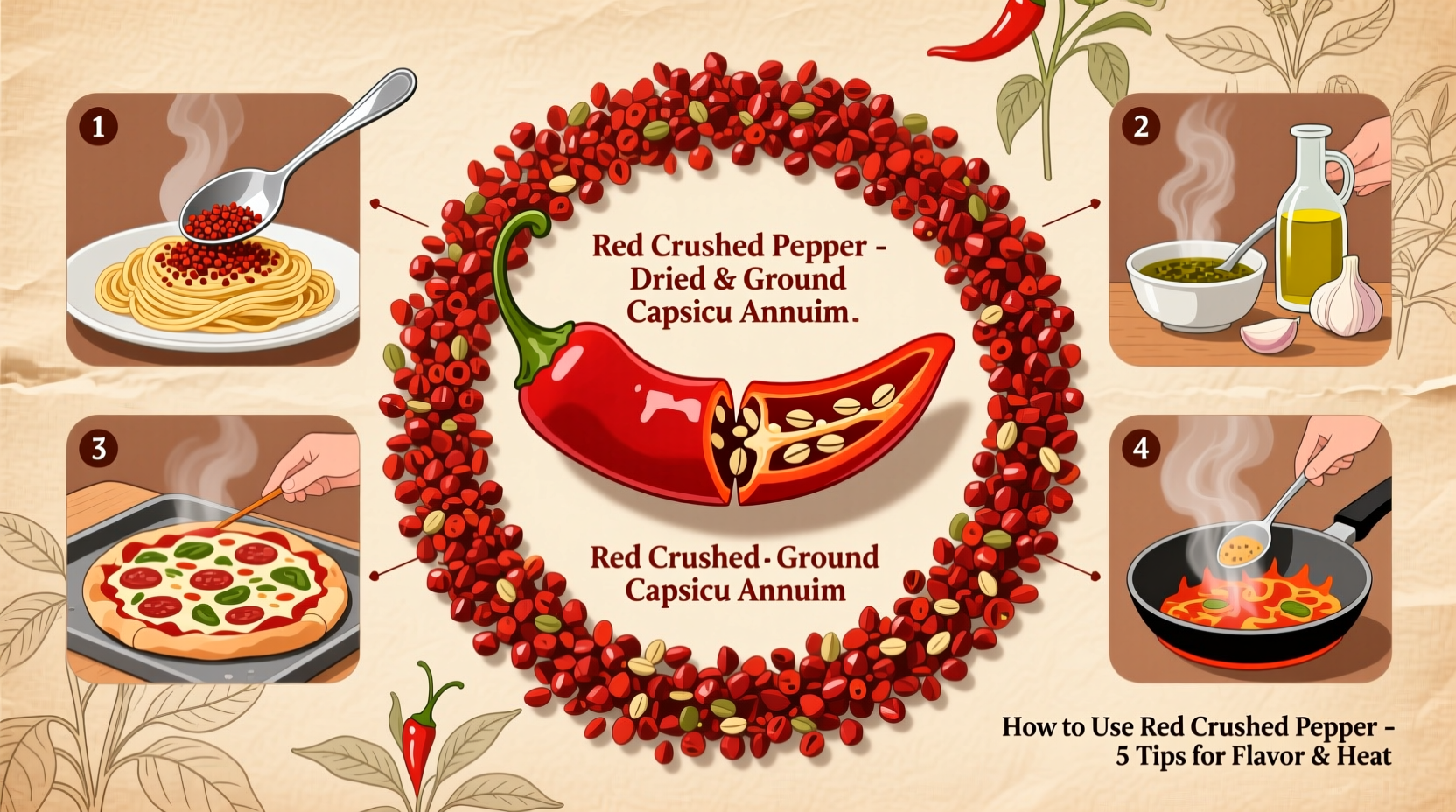
Red crushed pepper, also commonly referred to as crushed red pepper flakes, is a dried and coarsely ground seasoning made primarily from hot red chili peppers. The most common variety used in commercial production is Capsicum annuum, particularly cultivars like cayenne, jalapeño, serrano, or bird’s eye chilies. These peppers are harvested at peak ripeness when they turn bright red, then sun-dried or dehydrated before being crushed into irregular flakes.
Unlike finely ground cayenne powder, red crushed pepper retains small fragments of skin, seeds, and membrane—parts that contribute both texture and intensified heat. This gives it a rustic appearance and variable spiciness depending on the proportion of seeds present. While often associated with Italian-American cuisine—especially on pizzas and pastas—its roots span Mediterranean, Middle Eastern, Latin American, and Asian culinary traditions.
The term “crushed” refers not only to the physical form but also to the method: whole dried peppers are broken apart rather than milled into a uniform powder. This partial grinding allows for controlled heat distribution and visual appeal in finished dishes.
Key Characteristics
Understanding the sensory and functional properties of red crushed pepper helps determine how and when to use it effectively:
| Characteristic | Description |
|---|---|
| Flavor Profile | Sharp, pungent, moderately spicy with earthy undertones; some varieties carry fruity or smoky notes depending on the pepper type. |
| Aroma | Warm, slightly sweet, with an immediate sharpness upon opening the container; intensifies when heated in oil. |
| Color/Form | Bright red to deep burgundy flakes of varying sizes; includes visible seeds and membranous bits. |
| Heat Level (Scoville Scale) | Varies between 30,000–50,000 SHU on average; influenced by pepper species and seed content. |
| Culinary Function | Adds heat, color, and aromatic depth; used as a seasoning during cooking or finishing agent. |
| Shelf Life | 6–12 months if stored properly in a cool, dark place; loses potency over time. |
The presence of seeds significantly affects heat intensity. Many artisanal producers offer seed-adjusted blends—low-seed versions for mild warmth, high-seed mixes for serious burn. Texture plays a role too: larger flakes release flavor slowly, while finer particles infuse quickly.
Practical Usage: How to Use Red Crushed Pepper in Cooking
Red crushed pepper is remarkably flexible across cooking techniques and global cuisines. Its utility lies not just in adding heat, but in enhancing overall flavor architecture through controlled spice layering.
1. Infusing Oils and Fats
One of the most effective methods is blooming crushed pepper in hot oil. When added to olive oil, butter, or ghee over medium heat, the capsaicin and essential oils dissolve rapidly, distributing heat evenly throughout the dish. This technique is foundational in Italian aglio e olio, where garlic and red pepper sizzle together to create a fragrant base.
Pro Tip: Add crushed pepper early in sautéing to mellow its sharpness, or later for brighter, more assertive heat.
2. Seasoning During Cooking
Incorporate crushed pepper into sauces, soups, stews, and braises while simmering. It integrates seamlessly into tomato-based sauces, lentil dal, ramen broths, and bean dishes. Because the flakes soften during prolonged cooking, they become less gritty and more harmonious with the texture of the food.
Recommended Ratio: Start with ¼ to ½ teaspoon per serving, adjusting based on desired heat level and pepper strength.
3. Finishing Dishes
Sprinkle crushed pepper over finished dishes to add both visual contrast and immediate heat. This works exceptionally well on:
- Pizza (especially Neapolitan or New York-style)
- Roasted vegetables
- Grilled meats and seafood
- Fresh cheeses like ricotta or feta
- Avocado toast or deviled eggs
4. Marinades and Dry Rubs
Mix crushed pepper into spice rubs for chicken, steak, or lamb. Combined with paprika, cumin, garlic powder, and salt, it contributes both warmth and complexity. In marinades, allow at least 30 minutes for flavors to penetrate proteins.
5. Preserved in Oil
Create homemade chili oil by steeping crushed pepper in warm olive or vegetable oil. Let sit for several hours or days to deepen flavor. Strain for a smooth oil, or leave flakes in for continued infusion. Store refrigerated and use within 4 weeks to prevent bacterial growth.
Expert Tip: Toast crushed pepper lightly in a dry pan before use to unlock deeper, nuttier aromas. Watch closely—just 30 seconds over low heat can transform its character without burning.
Variants & Types
Not all red crushed peppers are created equal. Differences in source pepper, processing, and regional preferences yield distinct variations:
- Standard Commercial Blend: Typically a mix of cayenne and other Capsicum annuum varieties; widely available and consistent in heat.
- Marshall’s Flake (Hungarian Style): Larger, flakier pieces with lower heat and pronounced fruitiness; ideal for finishing.
- Calabrian Crushed Pepper: From Southern Italy, often preserved in oil; carries smoky, tangy notes and moderate heat.
- Korean Gochugaru (flaked version): Though usually powdered, flake-style gochugaru offers a sweeter, less fiery alternative with vibrant color.
- Smoked Crushed Pepper: Made from smoked dried chilies (like chipotle), offering a rich, campfire-like depth.
- Organic or Single-Origin Flakes: Sourced from specific farms or heirloom peppers; prized by purists for terroir-driven flavor.
When selecting a variant, consider the intended application:
| Type | Best For | Heat Level |
|---|---|---|
| Standard Blend | Everyday cooking, pizza, pasta | Moderate to High |
| Calabrian | Seafood, sauces, charcuterie boards | Medium |
| Smoked | BBQ, chili, roasted vegetables | Medium-High |
| Marshall’s Flake | Finishing, salads, eggs | Low-Medium |
| Gochugaru (flake) | Korean-inspired dishes, kimchi, marinades | Mild-Sweet |
Comparison with Similar Ingredients
Red crushed pepper is frequently confused with other red chili seasonings. Knowing the differences ensures accurate usage and prevents unintended heat levels.
| Ingredient | Differences from Red Crushed Pepper |
|---|---|
| Cayenne Powder | Fully ground, uniform texture; hotter and faster-releasing due to higher surface area. Lacks textural element. |
| Paprika | Can be sweet, smoked, or hot—but generally milder. No flake structure; used more for color than heat. |
| Chili Garlic Paste | Wet ingredient with fresh garlic; provides moisture and fermented depth. More complex but alters dish consistency. |
| Crystallized Chili Flakes | Treated with oil to prevent dusting; easier to handle but may contain additives. |
| Urfa Biber (Turkish) | Dark, wrinkled flakes with raisin-like sweetness and smokiness; lower heat, nuanced flavor profile. |
“Many chefs reach for crushed red pepper out of habit, but understanding its variability—seed content, origin, grind size—is key to mastering control over heat and flavor.” — Chef Lena Torres, Culinary Director, Spice Heritage Institute
Practical Tips & FAQs
How much red crushed pepper should I use?
Begin with ¼ teaspoon for four servings. Taste and adjust. Remember: heat builds over time, especially when cooked.
Is red crushed pepper the same as chili flakes?
Yes, in most contexts. However, “chili flakes” can refer to blends including multiple pepper types (e.g., Thai, habanero), whereas “red crushed pepper” typically implies a standard cayenne-based product.
Can I substitute crushed pepper for cayenne?
You can, but note that crushed pepper is generally less concentrated. Use ½ teaspoon crushed pepper to replace ¼ teaspoon cayenne powder. Adjust for texture and heat preference.
Does the seed content really affect heat?
Absolutely. Capsaicin concentrates in the white membranes and seeds. Flakes with visible black specks (seeds) will be noticeably hotter than seedless versions.
How should I store red crushed pepper?
In an airtight container away from light, heat, and humidity. A dark pantry or cupboard is ideal. Avoid storing above the stove. Properly stored, it retains potency for up to one year, though flavor diminishes after six months.
Why does my crushed pepper taste stale?
Old spices lose volatile oils responsible for aroma and heat. If your flakes look faded or lack scent, they’ve likely degraded. Fresh crushed pepper should have a vivid red hue and sharp, clean smell.
Are there health benefits?
Yes. Capsaicin has been studied for metabolism support, anti-inflammatory effects, and pain relief. Moderate consumption may aid digestion and circulation. However, excessive intake can irritate sensitive stomachs.
Can I make my own red crushed pepper?
Yes. Dry ripe red chilies (such as cayenne or Fresno) in a dehydrator or oven until brittle. Remove stems, crush by hand or with a mortar and pestle. Retain seeds for heat, remove for milder flavor. Store in glass jars.
DIY Case Study: A Brooklyn-based home cook replaced store-bought flakes with homemade ones using garden-grown jalapeños and serranos. After dehydration and crushing, she noted a fresher, fruitier heat and greater control over texture. Her tomato sauce received consistent praise for “restaurant-quality depth.”
Summary & Key Takeaways
Red crushed pepper is far more than a simple heat source—it’s a dynamic seasoning that enhances aroma, color, and flavor balance when used thoughtfully. Unlike pure powders, its flaky texture offers both visual appeal and gradual flavor release, making it suitable for layering in recipes or finishing with impact.
Key points to remember:
- It consists of dried, coarsely broken chili peppers, often including seeds and membranes for added heat.
- Flavor varies by pepper type and processing; Calabrian, smoked, and organic variants offer unique profiles.
- Blooming in oil unlocks maximum aroma and distributes heat evenly.
- Use sparingly at first—heat accumulates and cannot be undone.
- Store in a cool, dark place to preserve potency and color.
- It is not interchangeable with cayenne or paprika without adjustment.
Mastering red crushed pepper means moving beyond mere spiciness toward intentional seasoning. Whether you're building a slow-simmered ragù, crafting a vibrant salad dressing, or elevating a simple bowl of scrambled eggs, a pinch of crushed red pepper can be the difference between ordinary and unforgettable.




 浙公网安备
33010002000092号
浙公网安备
33010002000092号 浙B2-20120091-4
Comments
No comments yet. Why don't you start the discussion?