
Root coriander—often overlooked in Western kitchens—is a powerhouse ingredient in Southeast Asian, Indian, and Middle Eastern cuisines. While most cooks are familiar with coriander seeds or the bright green leaves known as cilantro, the root remains a culinary secret outside specialty markets. Yet, in traditional cooking, especially in Thai curry pastes and Indian masalas, coriander root is prized for its deep, earthy aroma and complex flavor that surpasses both the seeds and leaves. Understanding how to source, prepare, and use root coriander can elevate your dishes from good to authentic, adding layers of herbal depth that dried spices alone cannot achieve.
Definition & Overview
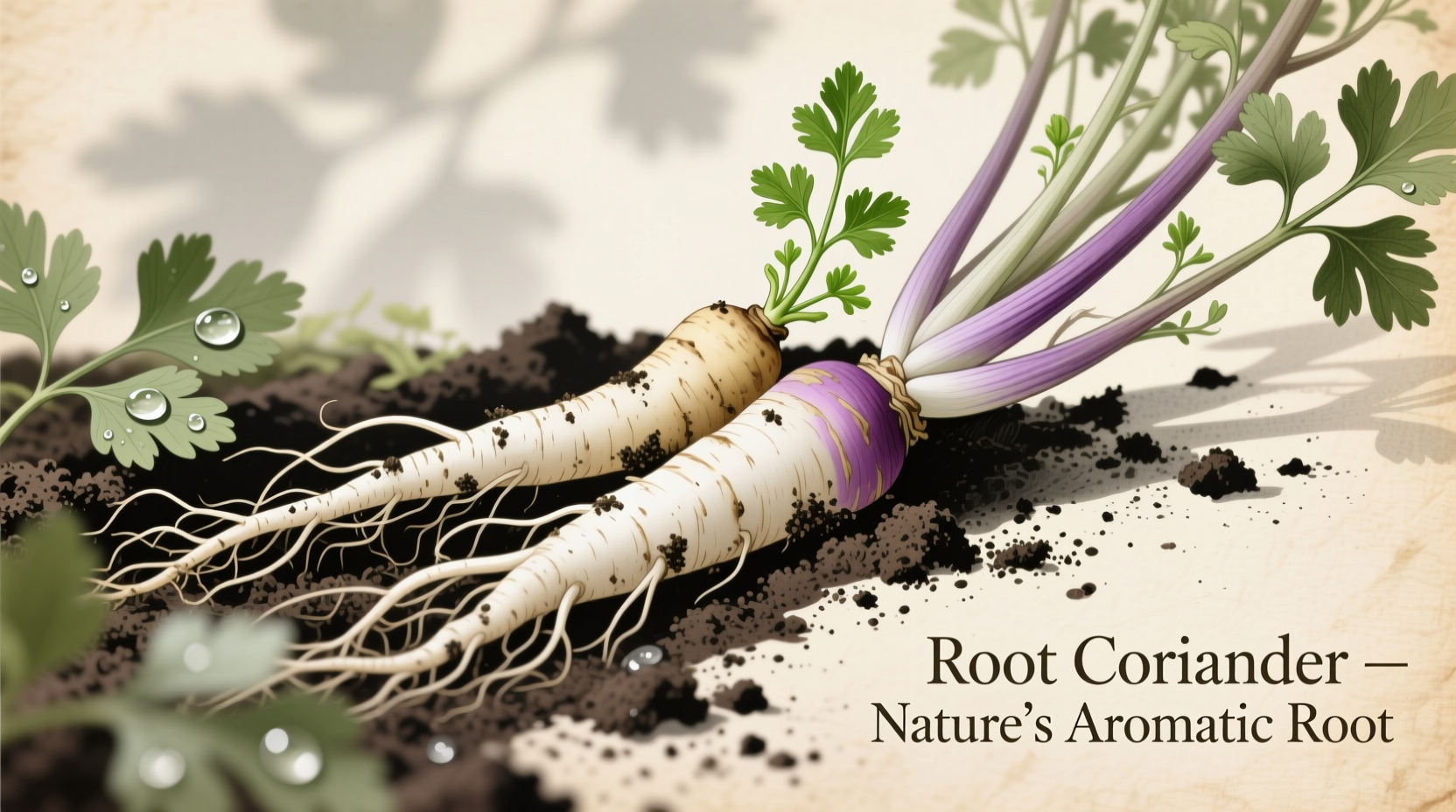
Root coriander refers to the taproot of the *Coriandrum sativum* plant—the same plant that produces coriander seeds and cilantro (also called fresh coriander leaves). Unlike the fibrous roots of many herbs, coriander root is slender, pale beige to light brown, and often retains small rootlets. When cleaned and used fresh, it offers a concentrated, pungent version of the herb’s signature citrusy, floral, and slightly peppery profile.
The plant is native to regions spanning Southern Europe, North Africa, and Southwest Asia, but today it is cultivated globally. In countries like Thailand, Vietnam, India, and Iran, the entire plant is utilized: seeds for spice, leaves for garnish, and roots for foundational flavoring. The root is particularly valued in slow-cooked dishes where its essence can infuse deeply into sauces, broths, and marinades.
In appearance, coriander root resembles a thin, gnarled carrot or parsley root, typically 3–6 inches long. Freshness is key: look for firm, moist roots without signs of shriveling or mold. They are rarely sold in mainstream supermarkets but can be found at Asian grocery stores, farmers’ markets, or grown at home if you cultivate cilantro.
Key Characteristics
| Attribute | Description |
|---|---|
| Flavor Profile | Earthy, citrusy, slightly peppery, with floral and herbal notes more intense than cilantro leaves. |
| Aroma | Potent and fragrant; releases a warm, woody scent when crushed or bruised. |
| Color & Form | Pale beige to tan; long and tapered with fine rootlets. Must be scrubbed thoroughly before use. |
| Heat Level | Non-pungent; does not contribute spiciness but enhances savory depth. |
| Culinary Function | Aromatic base ingredient, used similarly to lemongrass, galangal, or garlic in paste form. |
| Shelf Life (Fresh) | 5–7 days refrigerated in a sealed container with damp paper towel. |
| Substitutes | Combination of cilantro stems + coriander seeds; not ideal but functional in a pinch. |
Practical Usage: How to Use Root Coriander in Cooking
Root coriander shines when used raw or lightly cooked, particularly in applications where its aromatic compounds can dissolve into oils and liquids. Because of its fibrous texture, it is almost always minced, pounded, or blended rather than eaten whole.
1. In Curry Pastes (Thai & Indian)
In Thai cuisine, coriander root is a non-negotiable component of authentic red, green, and panang curry pastes. Combined with lemongrass, galangal, garlic, shallots, and chilies, it forms the aromatic backbone. To prepare:
- Scrub the root thoroughly under running water to remove soil.
- Trim off any dry or woody ends.
- Finely mince by hand or pound in a mortar with a pestle along with other aromatics.
- Add early in the paste-making process so its oils emulsify with fats.
For Indian curries, especially in Kerala and Tamil Nadu, coriander root is sautéed with mustard seeds, curry leaves, and onions to build flavor from the start. It imparts a subtle warmth that complements turmeric and chili without overpowering.
2. In Broths and Stocks
Simmering coriander root in soups—such as Vietnamese pho or Indonesian soto—adds an herbal richness that lingers on the palate. Add one cleaned root per 4 quarts of broth, removed before serving like a bay leaf. Its effect is subtle but transformative, contributing a rounded freshness absent in leaf-only versions.
3. As a Marinade Enhancer
When making marinades for chicken, pork, or tofu, blend coriander root into the mixture. A simple Thai-style marinade might include fish sauce, palm sugar, lime juice, garlic, and two tablespoons of finely chopped root. Let proteins absorb the flavors for at least 30 minutes (or overnight) for maximum penetration.
4. In Chutneys and Relishes
Fresh coriander root pairs exceptionally well with mint, green chilies, and yogurt in Indian raita or mint-coriander chutney. Its deeper flavor balances the brightness of lemon and acidity of tamarind, creating a condiment with staying power on the tongue.
Pro Tip: Always clean coriander root meticulously. Soil trapped between rootlets can introduce grit into smooth pastes. Soak in cold water for 5 minutes, then use a soft brush to scrub. Pat dry before chopping.
Variants & Types
While there is only one botanical species (*Coriandrum sativum*), coriander root appears in several practical forms depending on availability and preparation:
- Fresh Roots: Most desirable. Sold attached to bunches of cilantro in Asian markets. Optimal for pastes, broths, and stir-fries.
- Dried Roots: Rare but occasionally available in spice shops. Less aromatic due to volatile oil loss during dehydration. Best rehydrated and ground for spice blends.
- Frozen Roots: Some specialty suppliers freeze cleaned roots. Retains much of the fresh character; thaw before use.
- Commercial Paste: A few brands offer pre-made coriander root paste (e.g., Maesri, Thai Taste). Convenient but may contain preservatives or diluting agents.
The choice depends on access and application. For daily home cooking, fresh is superior. For occasional users, frozen or high-quality paste may suffice.
Comparison with Similar Ingredients
Coriander root is frequently mistaken for other parts of the same plant or confused with similar-looking herbs. Clarifying these distinctions ensures proper usage.
| Ingredient | How It Differs from Root Coriander |
|---|---|
| Cilantro Leaves | Much milder, brighter, and more citrus-forward. Lacks the earthy depth of the root. Best used raw as garnish. |
| Coriander Stems | More fibrous than leaves but less potent than roots. Often used in place of roots when unavailable, though flavor is thinner. |
| Coriander Seeds | Dry, warm, nutty, and citrusy when toasted. Used whole or ground. Complementary but not interchangeable with fresh root. |
| Parsley Root | Looks similar but belongs to a different species. Milder, slightly sweet, no citrus notes. Not a substitute. |
| Galangal / Ginger | Rhizomes with spicy heat. Galangal is sharper, ginger hotter. Coriander root lacks burn but contributes aromatic complexity. |
“In Thai cooking, leaving out coriander root is like baking bread without salt—it won’t ruin the dish, but something essential will be missing.” — Chef Nuit Regular, Night + Market
Practical Tips & FAQs
Can I substitute coriander root if I can’t find it?
Yes, though imperfectly. Use a combination of:
• 1 tablespoon finely chopped cilantro stems
• ½ teaspoon crushed coriander seeds (toasted)
• A pinch of lemon zest for brightness
This mimics the layered flavor but won’t replicate the full-bodied aroma of the true root.
Is coriander root edible after cooking?
Technically yes, but it becomes very fibrous when heated. In pastes, it breaks down sufficiently to be palatable. In broths or braises, it's best removed before serving, much like a bay leaf or cinnamon stick.
Can I grow my own coriander root?
Absolutely. Grow cilantro in deep pots (at least 10 inches) to allow root development. Harvest roots when plants are about 6–8 weeks old. Note: once cilantro bolts (flowers), the leaves turn bitter, but the root remains usable.
How should I store leftover coriander root?
Wrap in a damp paper towel and place in a sealed container or zip-top bag in the refrigerator crisper drawer. Use within one week. For longer storage, chop and freeze in ice cube trays with a little water or oil—ideal for dropping into curries.
Does coriander root taste soapy like cilantro?
Not typically. The soapy taste associated with cilantro is due to aldehyde compounds that some people genetically perceive as unpleasant. However, coriander root contains a different balance of volatile oils—more earthy terpenes—and rarely triggers the \"soapy\" reaction, even among cilantro-sensitive individuals.
Are there health benefits to using coriander root?
Like other parts of the plant, coriander root contains antioxidants, flavonoids, and antimicrobial compounds. Traditional medicine systems use it to aid digestion and reduce inflammation. While not a cure-all, incorporating aromatic herbs like coriander root supports overall dietary diversity and phytonutrient intake.
Storage Checklist:
• Store unwashed roots in a sealed container.
• Keep away from strong-smelling foods—roots absorb odors.
• Freeze for up to 3 months in portioned cubes.
• Label frozen packages with date and intended use (e.g., “Curry Base”).
Summary & Key Takeaways
Root coriander is far more than a curiosity—it is a cornerstone of authentic regional cuisines where depth and harmony of flavor are paramount. Distinct from both cilantro leaves and coriander seeds, the root delivers a robust, earthy-citrus aroma that forms the foundation of countless curries, soups, and marinades. Though underutilized in Western kitchens, it rewards adventurous cooks with a dimension of taste that cannot be replicated through substitutions alone.
To integrate root coriander into your cooking:
- Seek it out in Asian grocery stores or farmers’ markets, often bundled with fresh cilantro.
- Clean thoroughly to remove embedded soil.
- Use raw in pastes or early in cooking to maximize flavor infusion.
- Combine with complementary aromatics like garlic, lemongrass, and shallots.
- Store properly to extend shelf life or freeze for future use.
Understanding and using root coriander is a step toward mastering global flavor profiles. Whether crafting a fragrant Thai green curry or building a complex Indian dal, this humble root adds authenticity and sophistication. Once you experience its impact, you’ll wonder how you ever cooked without it.




 浙公网安备
33010002000092号
浙公网安备
33010002000092号 浙B2-20120091-4
Comments
No comments yet. Why don't you start the discussion?