
Tajín seasoning has surged from a regional Mexican staple to a global pantry essential, prized for its bold, tangy, and subtly spicy character. Found sprinkled on fresh fruit at street carts in Guadalajara and dusted over margarita rims in Los Angeles restaurants, Tajín bridges the gap between sweet and savory with remarkable versatility. For home cooks seeking depth beyond salt and pepper, understanding Tajín—its composition, cultural roots, and culinary applications—opens new dimensions in flavor. This article explores the essence of Tajín seasoning, demystifies its ingredients, and provides actionable guidance on integrating it into daily cooking.
Definition & Overview
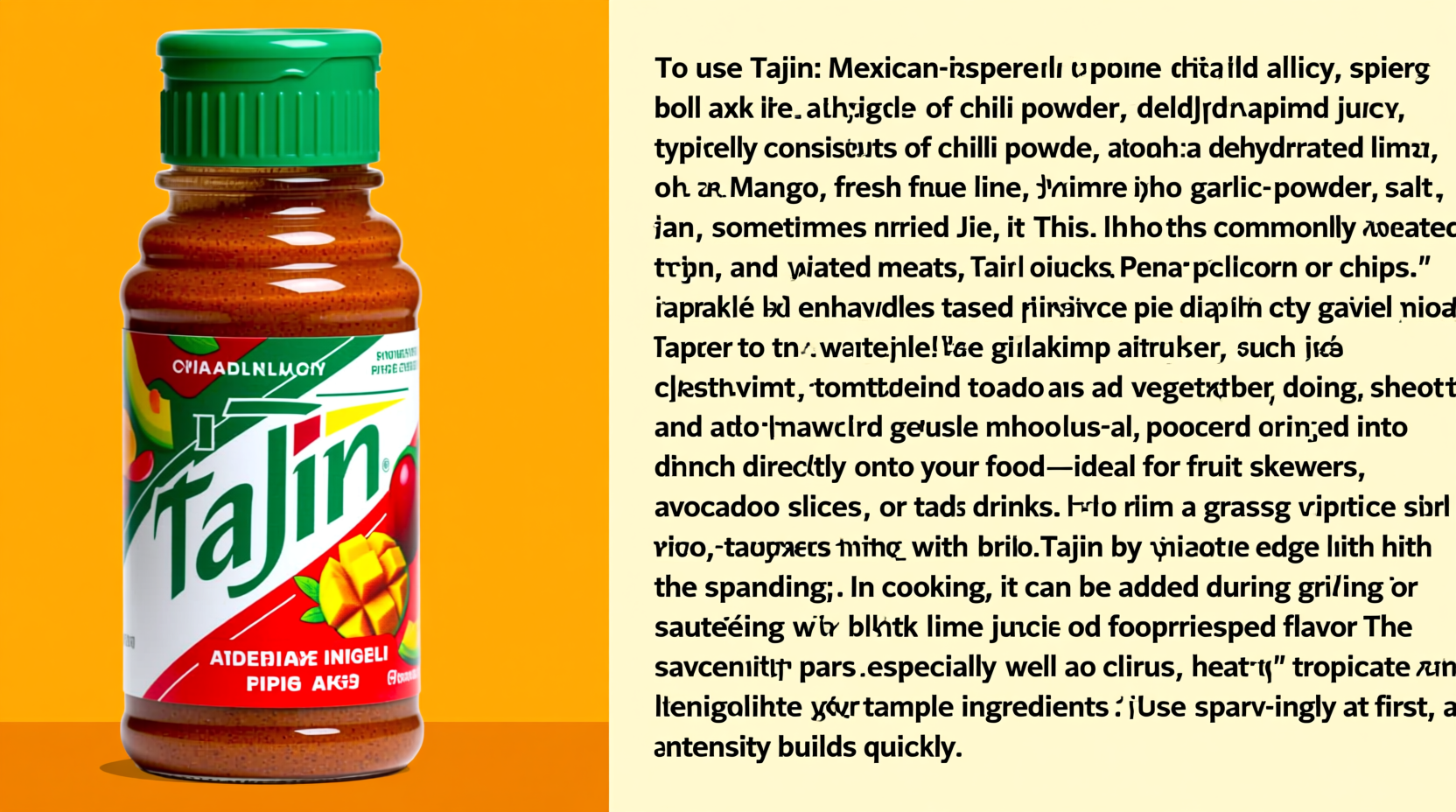
Tajín (pronounced *tah-HEEN*) is a dry chili-based seasoning blend originating in Mexico. Developed in 1985 by businessman Horacio Craventa, the brand Tajín became synonymous with the style of seasoning it popularized: a balanced mix of mild chilies, tart dehydrated lime, and fine sea salt. While now available internationally, Tajín remains deeply rooted in Mexican street food culture, where it's traditionally used to enhance fresh fruits like mango, watermelon, cucumber, and jicama.
The original Tajín Clásico contains no artificial additives, preservatives, or MSG. Its appeal lies in its simplicity and bright, clean taste—a contrast to heavier spice blends that rely on garlic powder, onion, or sugar. The seasoning functions as both a condiment and a flavor enhancer, capable of transforming bland ingredients into vibrant dishes with minimal effort.
Key Characteristics
Tajín’s sensory profile makes it stand out among spice blends. Below is a breakdown of its defining traits:
| Characteristic | Description |
|---|---|
| Flavor Profile | Bright, tangy lime dominates, supported by earthy chili warmth and saline balance. Not intensely hot—more about zest than heat. |
| Aroma | Pronounced citrus-lime scent with a faint smokiness from chili powder. |
| Color & Texture | Light reddish-brown with an ultra-fine, sand-like consistency. Clumps slightly due to lime content but disperses easily. |
| Heat Level | Mild (1,000–2,000 SHU estimated). Primarily uses mild red chili peppers; not intended to burn. |
| Culinary Function | Finishing spice, acid substitute, umami booster. Adds brightness without liquid, ideal for dry rubs or rimming. |
| Shelf Life | 18–24 months when stored in a cool, dark place. Lime may fade over time, reducing tartness. |
Practical Usage: How to Use Tajín in Cooking
Tajín excels as a finishing agent. Unlike many spices added during cooking, its volatile lime oils are best preserved when applied at the end. This makes it ideal for elevating raw, cooked, or chilled dishes with a burst of acidity and spice.
Fruit Enhancer
In Mexico, street vendors serve sliced fruit topped generously with Tajín. The combination of sweet-tart produce and salty-spicy seasoning creates a compelling flavor contrast. Try this with:
- Sliced mango (green or ripe)
- Watermelon cubes
- Jicama sticks
- Pineapple spears
- Cucumber rounds
Sprinkle ½ to 1 teaspoon per serving, optionally with a squeeze of fresh lime. For extra indulgence, add chamoy—a sweet-sour fermented sauce—for a “manga con chamoy” effect.
Cocktail Rims and Beverages
Tajín adds complexity to drinks far beyond tequila-based ones. To rim a glass:
- Moisten the rim with lime juice or simple syrup.
- Dip into a plate of Tajín, rotating gently for even coating.
Use on margaritas, palomas, micheladas, or even Bloody Marys. Some bartenders stir a pinch directly into citrus-forward cocktails to amplify tartness without diluting alcohol content.
Pro Tip: Create a \"Tajín Sugar Rim\" by mixing equal parts Tajín and superfine sugar for desserts or sweet-tart cocktails like a Tajín-rimmed Aperol Spritz.
Savory Applications
While often associated with fruit, Tajín enhances savory dishes too:
- Popcorn: Toss warm popcorn with melted butter and ¾ tsp Tajín per cup.
- Grilled Corn (Elote): After spreading mayo and cotija cheese, dust with Tajín instead of chili powder.
- Roasted Vegetables: Sprinkle over roasted sweet potatoes, carrots, or Brussels sprouts before serving.
- Seafood: Dust shrimp tacos, ceviche, or grilled fish fillets for brightness.
- Snacks: Mix into potato chips, nuts, or seasoned rice crackers.
It can also replace lemon-pepper blends on chicken or tofu. Use ½ tsp per 4 oz protein, adjusting to taste.
Baking and Desserts
Chefs increasingly use Tajín in desserts for unexpected complexity. Incorporate sparingly into:
- Lime or key lime pie crusts (¼ tsp in graham cracker mix)
- Churro cinnamon sugar (replace 10% of sugar with Tajín)
- Fruit sorbets or granitas
- Chocolate truffles with a Tajín-dusted finish
The key is balance—Tajín should surprise, not dominate.
Variants & Types
The success of Tajín Clásico has led to several branded variations, each tailored to specific uses. Understanding these helps match the right product to the dish.
| Variant | Ingredients | Best Used For |
|---|---|---|
| Tajín Clásico | Chili powder, lime, salt | General-purpose: fruit, snacks, rimming, seasoning |
| Tajín Fuego | Clásico + habanero extract | Spicy applications: wings, hot sauces, fiery cocktails |
| Tajín Salsa Picante | Liquid sauce with vinegar, chili, lime | Dipping, marinades, drizzling; longer shelf life than dry form |
| Tajín Zero Calorías | Salt-free version with citric acid, chili | Low-sodium diets; retains tartness without salt |
| Tajín Margarita Rimmer | Coarser texture, higher lime content | Cocktail glasses; adheres better than fine powders |
Homemade versions exist but rarely replicate the precise grind and balance of commercial Tajín. However, blending ancho chili powder, finely ground sea salt, and freeze-dried lime powder (2:1:1 ratio) offers a close approximation.
Comparison with Similar Ingredients
Tajín is sometimes mistaken for other Latin American seasonings. Clarifying distinctions ensures proper usage.
| Ingredient | How It Differs from Tajín |
|---|---|
| Chili-Lime Salt | Often coarser, saltier, with less chili. May lack the nuanced lime-chili balance. Tajín is more aromatic and complex. |
| Cha’j | Guatemalan alternative; includes cumin and oregano. Earthier, less acidic than Tajín. |
| Gomasio | Japanese sesame-salt blend. No citrus or chili. Used differently—more for umami than brightness. |
| Old Bay Seasoning | Herb-heavy (celery seed, paprika, pepper). Savory and maritime-focused, not citrus-forward. |
| Sumac | Middle Eastern berry with lemony tang. Lacks chili and salt. Can substitute for acidity but not heat. |
Unlike generic “Mexican seasoning” blends (which often contain cumin, garlic, and oregano), Tajín focuses on the triumvirate of chili, lime, and salt—making it functionally closer to a flavored finishing salt than a full spice rub.
Practical Tips & FAQs
Is Tajín very spicy?
No. Despite its red color, Tajín Clásico uses mild chili peppers. The heat registers as gentle warmth, not burn. Those sensitive to capsaicin can typically enjoy it. Tajín Fuego, however, delivers noticeable fire from habanero.
Can I use Tajín as a salt substitute?
Partially. It contains salt but shouldn’t be used one-to-one in place of table salt due to its strong flavor. Best as a finishing touch rather than a primary salting agent.
How should I store Tajín?
In a sealed container away from heat, light, and moisture. Avoid refrigeration, which introduces humidity and causes clumping. If it hardens, break up with a fork or pulse in a spice grinder.
What are common substitutes?
If unavailable:
- Mix 1 tsp ancho chili powder + ½ tsp citric acid or lime zest + ½ tsp sea salt.
- Use lemon pepper with added chili powder (though less authentic).
- For acidity only, use sumac or dried lime powder.
Does Tajín go bad?
Not dangerously, but potency fades. After two years, expect diminished aroma and tartness. No mold should form if kept dry.
Is Tajín vegan and gluten-free?
Yes. All official Tajín products are certified gluten-free, vegan, and kosher. Always check labels for variants or third-party blends.
Can Tajín be used in marinades?
Dry Tajín doesn't dissolve well in liquids. Instead, use Tajín Salsa Picante or mix the dry seasoning into oil-based marinades with additional lime juice to prevent clumping.
Expert Insight: Chef Gabriela Cámara, acclaimed for her modern Mexican cuisine, notes: “Tajín isn’t just a topping—it’s a flavor anchor. When you taste fruit with Tajín, you’re experiencing balance: sweet, sour, salty, spicy. That’s the heart of Mexican gastronomy.”
Case Study: Elevating a Simple Dish
A 2022 culinary trial at the Culinary Institute of America tested Tajín’s impact on consumer perception. Two groups tasted identical grilled corn on the cob—one plain, one with Tajín. Over 87% preferred the Tajín version, citing enhanced freshness and complexity. Notably, participants described the seasoned corn as “restaurant-quality,” despite identical preparation aside from the final dusting. This underscores Tajín’s power as a low-effort, high-impact ingredient.
Summary & Key Takeaways
Tajín seasoning is more than a trendy spice—it’s a culturally significant blend that embodies the balance central to Mexican flavors. Composed simply of chili, lime, and salt, it delivers bright acidity, subtle heat, and savory depth in a single sprinkle. Originally used on street fruit, its applications now span cocktails, snacks, proteins, and even desserts.
Key points to remember:
- Tajín is a dry seasoning dominated by lime and mild chili, not extreme heat.
- It functions best as a finishing spice, preserving its volatile citrus notes.
- Variants like Fuego, Salsa Picante, and Zero Calorías cater to different dietary and flavor needs.
- It differs from similar blends by focusing exclusively on the chili-lime-salt trio.
- Storage is simple: keep it dry and cool to maintain potency for up to two years.
Whether reviving a bowl of cut fruit or refining a gourmet appetizer, Tajín offers an instant upgrade. Its growing presence in supermarkets worldwide reflects a broader appreciation for bold, balanced, and functional seasonings. Once you begin using Tajín, you’ll likely find yourself reaching for it not just occasionally—but instinctively.
Try This Today: Slice a ripe mango, arrange on a plate, drizzle lightly with lime juice, and dust generously with Tajín. Serve immediately. Notice how the seasoning amplifies sweetness while adding complexity—no sugar needed.




 浙公网安备
33010002000092号
浙公网安备
33010002000092号 浙B2-20120091-4
Comments
No comments yet. Why don't you start the discussion?