
Selecting the right stateroom can transform your cruise experience from average to exceptional. While all rooms offer basic comfort, subtle differences in location, size, view, and noise level significantly impact sleep quality, convenience, and overall enjoyment. With so many choices—inside cabins, oceanview, balcony, and suites—it’s easy to feel overwhelmed. The “best” room isn’t one-size-fits-all; it depends on your budget, travel style, and priorities. Drawing from industry experts, seasoned cruisers, and ship architects, this guide breaks down the real advantages and drawbacks of each option to help you make an informed decision.
Understanding Cruise Ship Room Categories
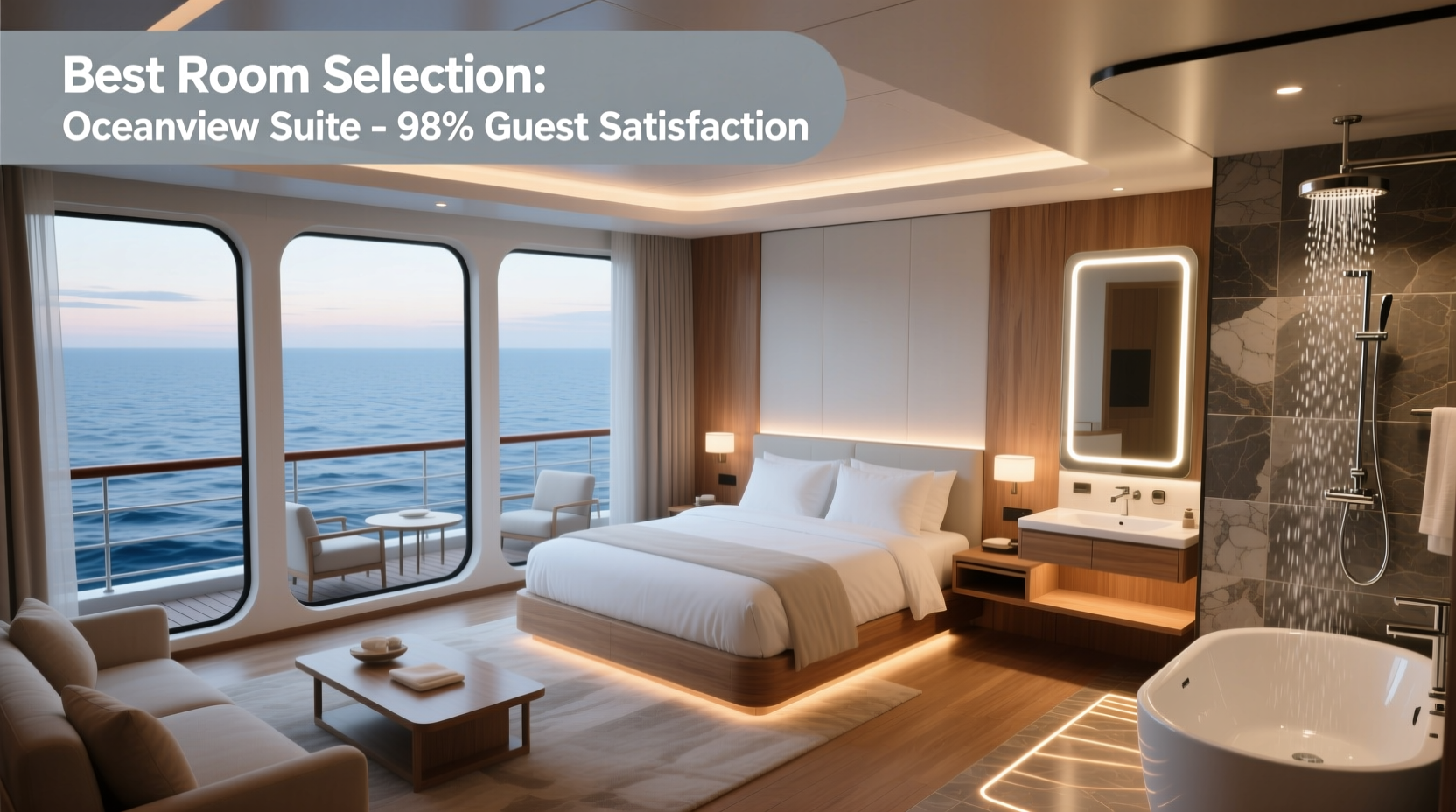
Cruise lines typically divide accommodations into four main categories: inside, oceanview, balcony, and suite. Each tier offers incremental upgrades in space, amenities, and access to views. Understanding what defines each type is the first step toward making a smart choice.
| Room Type | Average Size (sq ft) | Key Features | Best For |
|---|---|---|---|
| Inside Cabin | 130–185 | No window, compact layout, lowest price | Budget travelers, short cruises |
| Oceanview Cabin | 160–200 | Window or porthole, natural light | First-time cruisers, daylight lovers |
| Balcony Cabin | 170–250 + balcony | Private outdoor space, sliding door | Couples, scenic routes, relaxation seekers |
| Suite | 300–1,000+ | Larger living area, premium service, concierge access | Luxury travelers, special occasions |
The jump from inside to balcony may seem minor on paper, but the psychological benefit of natural light and outdoor access often outweighs the cost difference for many passengers. Suites offer perks like priority boarding and exclusive lounges, but whether they’re worth the price depends on how much you’ll use those benefits.
Location Matters: Where on the Ship Is Best?
Even within the same category, room location plays a crucial role in comfort. Two balcony cabins—one near the front (forward) and one midship—can offer vastly different experiences due to motion, noise, and views.
- Midship cabins are widely considered optimal. They experience the least motion during rough seas because they’re closest to the ship’s center of gravity. This reduces sway and makes for more restful sleep.
- Lower decks also minimize movement. A midship cabin on Deck 4 will generally feel more stable than one on Deck 10 in the same lateral position.
- Aft (rear) cabins offer sweeping views and are quieter than forward rooms, which can be noisy due to anchor operations and bow thrusters.
- Avoid rooms near elevators, nightclubs, or engine rooms, as foot traffic and vibrations can disrupt sleep.
“Choosing a midship, low-deck cabin is the single most effective way to reduce seasickness risk—even more than medication.” — Captain Lydia Tran, Maritime Safety Consultant
Real Example: The Alaska Cruise Dilemma
Mark and Lisa booked a 7-day Alaska cruise. They chose a forward-facing balcony on Deck 9 for the panoramic views. While the scenery was stunning, they struggled with motion discomfort during transit days through the Gulf of Alaska. On their next trip, they switched to a midship inside cabin on Deck 4. Though smaller and without a view, they reported deeper sleep and no motion sickness—proving that location can outweigh other features.
Is a Balcony Worth It? Expert Breakdown
Balcony cabins are among the most popular upgrades. But are they truly worth the added cost, which can range from $100 to $500 more per person?
The answer hinges on your habits. If you enjoy morning coffee with ocean breezes, private sunset dinners, or quiet reading in fresh air, a balcony enhances daily life. However, if you're rarely in your room or prefer dining in the main restaurant, the balcony may go underused.
Consider climate too. On Caribbean sailings, balconies are usable nearly every day. In cooler regions like Alaska or Northern Europe, wind and rain may limit access. Some cruisers report using their balcony only once or twice per voyage.
Do’s and Don’ts When Choosing a Balcony Room
| Action | Why |
|---|---|
| ✅ Do request higher decks | Better views, less engine noise, reduced spray |
| ✅ Do check for overhangs | Some balconies are partially shaded by lifeboats above |
| ❌ Don’t assume all balconies are equal | Size and shape vary; some are too small for two chairs |
| ❌ Don’t overlook privacy | Glass railings mean neighboring rooms can see in |
Special Considerations for Families and Accessibility Needs
Families with children or travelers requiring mobility support face unique challenges. Connecting staterooms allow families to stay close while maintaining privacy. Many ships offer interconnecting cabins, especially in inside and oceanview categories.
For guests with disabilities, cruise lines provide accessible cabins with wider doors, roll-in showers, and emergency call systems. These rooms are often located near elevators for convenience. Booking early is critical—there are typically only 8–12 accessible rooms per ship.
Another often-overlooked factor is storage. Families need space for strollers, diaper bags, and multiple suitcases. Suites and larger balcony cabins usually have more closet space and extra seating that doubles as storage.
Checklist: Questions to Ask Before Booking Your Room
- Is the room midship and on a lower deck for stability?
- Does it have a clear, unobstructed view (if applicable)?
- Is it near sources of noise like elevators, theaters, or pools?
- Are there connecting options if traveling with family or friends?
- Does the balcony size accommodate two people comfortably?
- Is there enough storage for your luggage and purchases?
- Have I reviewed the actual deck plan, not just marketing images?
FAQ: Common Cruise Room Questions Answered
Does upgrading to a suite include free drinks or excursions?
Not always. While some luxury lines (like Regent Seven Seas or Seabourn) include unlimited drinks and shore excursions in suite fares, mainstream lines (Carnival, Royal Caribbean, Norwegian) typically offer only perks like priority boarding, dining reservations, and access to a lounge. Always confirm what’s included before booking.
Can I change my room after booking?
Yes, most cruise lines allow changes up to 30 days before departure, depending on availability. Early bookings often come with the best pricing and selection. Last-minute upgrades can sometimes be negotiated onboard, especially if higher categories are unsold.
Are obstructed-view rooms a good deal?
They can be. Obstructed-view oceanview or balcony rooms are often discounted by 20–40%. If you don’t mind limited sightlines—say, a lifeboat casting a shadow—these rooms offer balcony access at near-inside prices. Just ensure the obstruction doesn’t block airflow or make the space feel claustrophobic.
Final Recommendation: What Experts Actually Choose
When asked which room they’d pick for a week-long cruise, most maritime and travel professionals opt for a **midship balcony cabin on Decks 5–7**. This combination balances minimal motion, reliable access to fresh air, and proximity to elevators and dining venues. It avoids the high prices of suites while delivering daily comfort and scenic enjoyment.
As one veteran cruise director put it: “I’ve stayed in every room type. For pure value and comfort, nothing beats a well-located balcony. You get the view, the breeze, and the peace of knowing you’re in the sweet spot of the ship.”
“The best room isn’t the biggest or most expensive—it’s the one that aligns with how you actually use the space.” — Diane Reyes, Cruise Travel Editor, *Ocean Voyages Magazine*
Take Action and Sail Smarter
Your cruise stateroom sets the tone for your entire journey. By prioritizing location, understanding trade-offs, and matching your choice to your lifestyle, you can maximize comfort without overspending. Don’t rely on generic advice or flashy photos—study deck plans, read reviews, and ask specific questions. The perfect room is out there. Book wisely, pack your sense of adventure, and set sail with confidence.




 浙公网安备
33010002000092号
浙公网安备
33010002000092号 浙B2-20120091-4
Comments
No comments yet. Why don't you start the discussion?