
Saving money doesn’t have to mean drastic lifestyle changes or living on instant noodles. The most effective approach combines practical habits, behavioral awareness, and small, consistent actions that compound over time. Whether you're building an emergency fund, planning for retirement, or aiming for a big purchase, the right strategy makes all the difference. This guide reveals proven methods to save smarter—not harder—with actionable steps and real-world examples.
Start with a Clear Financial Picture
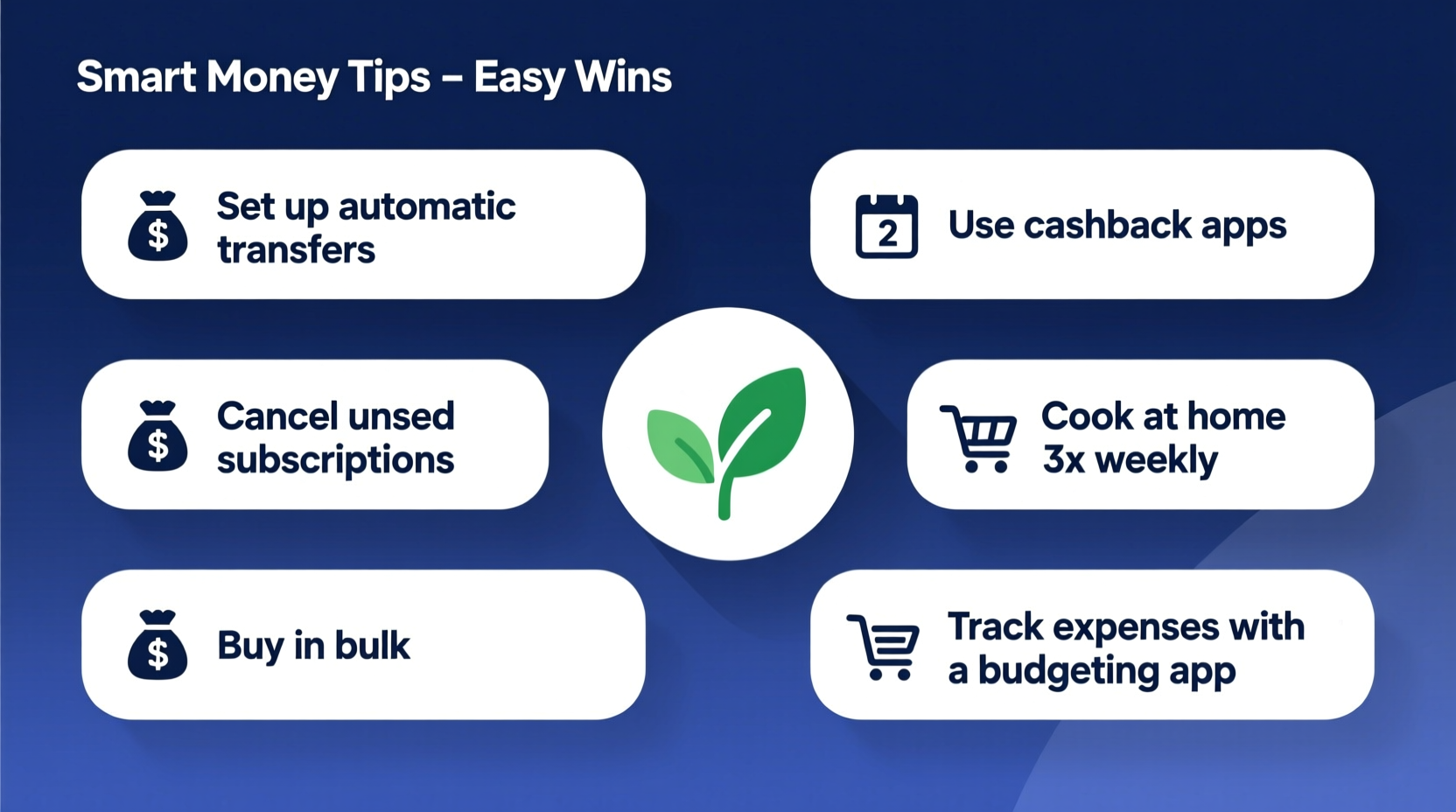
Before you can save effectively, you need to understand where your money goes. Many people assume they’re spending responsibly, only to discover hidden leaks in their monthly budget. Begin by tracking every expense for at least 30 days. Use a spreadsheet or a free app like Mint or YNAB (You Need A Budget) to categorize spending into essentials (rent, utilities, groceries), discretionary items (dining out, entertainment), and recurring subscriptions.
Once you have a full view of your cash flow, identify areas where spending exceeds value. For example, multiple streaming services may seem harmless, but at $15 each, three platforms cost $540 annually—money that could go toward savings or debt reduction.
Create a Realistic Budget That Works
A budget isn’t about restriction—it’s about intentionality. The goal is to align your spending with your priorities. One of the most effective models is the 50/30/20 rule:
| Category | Percentage | Description |
|---|---|---|
| Needs | 50% | Rent, groceries, insurance, transportation, minimum debt payments |
| Wants | 30% | Dining out, hobbies, travel, shopping |
| Savings & Debt | 20% | Emergency fund, retirement, extra loan payments |
This framework offers flexibility while ensuring consistent progress toward financial goals. Adjust percentages based on your income level and location—those in high-cost cities may need to allocate more to needs, but even a modified version works if it includes dedicated savings.
Automate Your Savings for Effortless Growth
The most powerful tool in personal finance is automation. When savings are automatic, they become invisible—and therefore painless. Set up direct transfers from your checking account to a separate savings account immediately after each paycheck. Even $50 per pay period adds up to $1,300 a year without feeling the pinch.
Take it further by using micro-saving apps like Acorns or Digit, which analyze your spending patterns and round up purchases to invest spare change. These tools make saving passive, removing the need for constant willpower.
“Automating savings turns discipline into a system. People who pay themselves first consistently build wealth over time.” — Laura Adams, Personal Finance Author and Host of 'The Money Girl Show'
Target Easy Wins That Deliver Immediate Results
You don’t need major sacrifices to see meaningful improvement. Focus on low-effort, high-impact changes that free up cash quickly. Here are five proven “easy wins”:
- Negotiate recurring bills: Call providers (internet, phone, insurance) and ask for better rates. Mention competitor offers—you’d be surprised how often they match them.
- Cut one underused subscription: Cancel a service you rarely use. Reinvest the monthly fee into savings.
- Cook at home two extra nights per week: Reducing takeout saves an average of $100–$200 monthly.
- Switch to energy-efficient bulbs and appliances: LED lighting uses 75% less energy and lasts longer.
- Use cashback apps and credit card rewards: Apps like Rakuten or credit cards with 2% cash back add up with no extra effort.
Mini Case Study: How Sarah Saved $3,000 in Six Months
Sarah, a 32-year-old graphic designer earning $55,000 annually, wanted to build her emergency fund but felt stuck. After reviewing her finances, she identified several opportunities:
- She canceled two unused subscriptions ($28/month).
- Switched her cell phone plan to a cheaper provider ($35/month saved).
- Began meal prepping, reducing weekly food spending by $60.
- Automated $150 from each paycheck into a high-yield savings account.
Within six months, Sarah had saved $2,820—without cutting essential expenses or taking on side work. By combining automation with targeted cuts, she built momentum and confidence in her financial control.
Build Sustainable Habits with a Savings Checklist
Long-term success comes from consistency, not perfection. Use this checklist monthly to stay on track:
- ✅ Track all expenses for the month
- ✅ Review and cancel unused subscriptions
- ✅ Transfer savings automatically
- ✅ Check one bill for possible negotiation
- ✅ Assess progress toward financial goals
- ✅ Allocate at least 1% of income to savings (increase by 1% every quarter)
- ✅ Avoid impulse purchases using a 24-hour waiting rule
Repeating these actions builds financial muscle memory. Over time, saving becomes second nature rather than a chore.
Avoid Common Pitfalls That Derail Progress
Even well-intentioned savers fall into traps. Here are key mistakes to avoid:
| Do’s | Don’ts |
|---|---|
| Set specific, measurable goals (e.g., “Save $1,000 in 5 months”) | Save without a purpose (“just because”) |
| Keep savings in a separate account | Leave savings in your checking account where it's easily spent |
| Adjust your budget when life changes (new job, rent increase) | Stick rigidly to a broken budget |
| Celebrate milestones (e.g., “I saved $500!”) | Punish yourself for small overspending |
Remember: setbacks are normal. What matters is returning to your plan quickly and learning from slip-ups.
FAQ
How much should I really be saving each month?
While the 20% guideline from the 50/30/20 rule is ideal, start with what’s realistic—even 5% is progress. Increase gradually as you optimize spending. Prioritize building a $500–$1,000 starter emergency fund before aggressive saving.
Is it better to save or pay off debt first?
Balance both. Focus on high-interest debt (above 6–7%) aggressively, but maintain minimal savings to avoid borrowing for emergencies. A common strategy is to save $500 first, then attack debt, followed by fully funding your emergency reserve.
What’s the best type of account for savings?
A high-yield savings account (HYSA) is optimal. These FDIC-insured accounts offer 3–5% APY, far above traditional banks, and allow quick access when needed. Avoid locking money in long-term CDs unless it’s for a specific future expense.
Conclusion: Start Small, Think Big
The best way of saving money isn’t about extreme frugality or overnight transformation. It’s about making intelligent, sustainable choices that accumulate into significant results. From automating transfers to eliminating unnoticed expenses, the easiest wins often come from simple awareness and consistency.
Financial freedom isn’t a distant dream—it’s built one decision at a time. Begin today: review one bill, set up an auto-transfer, or cancel a subscription. Each action strengthens your financial foundation. Small steps, repeated over time, create lasting change.




 浙公网安备
33010002000092号
浙公网安备
33010002000092号 浙B2-20120091-4
Comments
No comments yet. Why don't you start the discussion?