
Ending a relationship—whether by breakup, unrequited feelings, or growing apart—can leave behind emotional echoes that linger long after the final conversation. The pain isn't just about missing a person; it's about losing a future you imagined, a daily rhythm, and a sense of identity tied to being part of a couple. Healing isn’t linear, but it is possible. With intentional effort, self-compassion, and the right strategies, you can move forward not just intact, but stronger.
Understanding Emotional Attachment
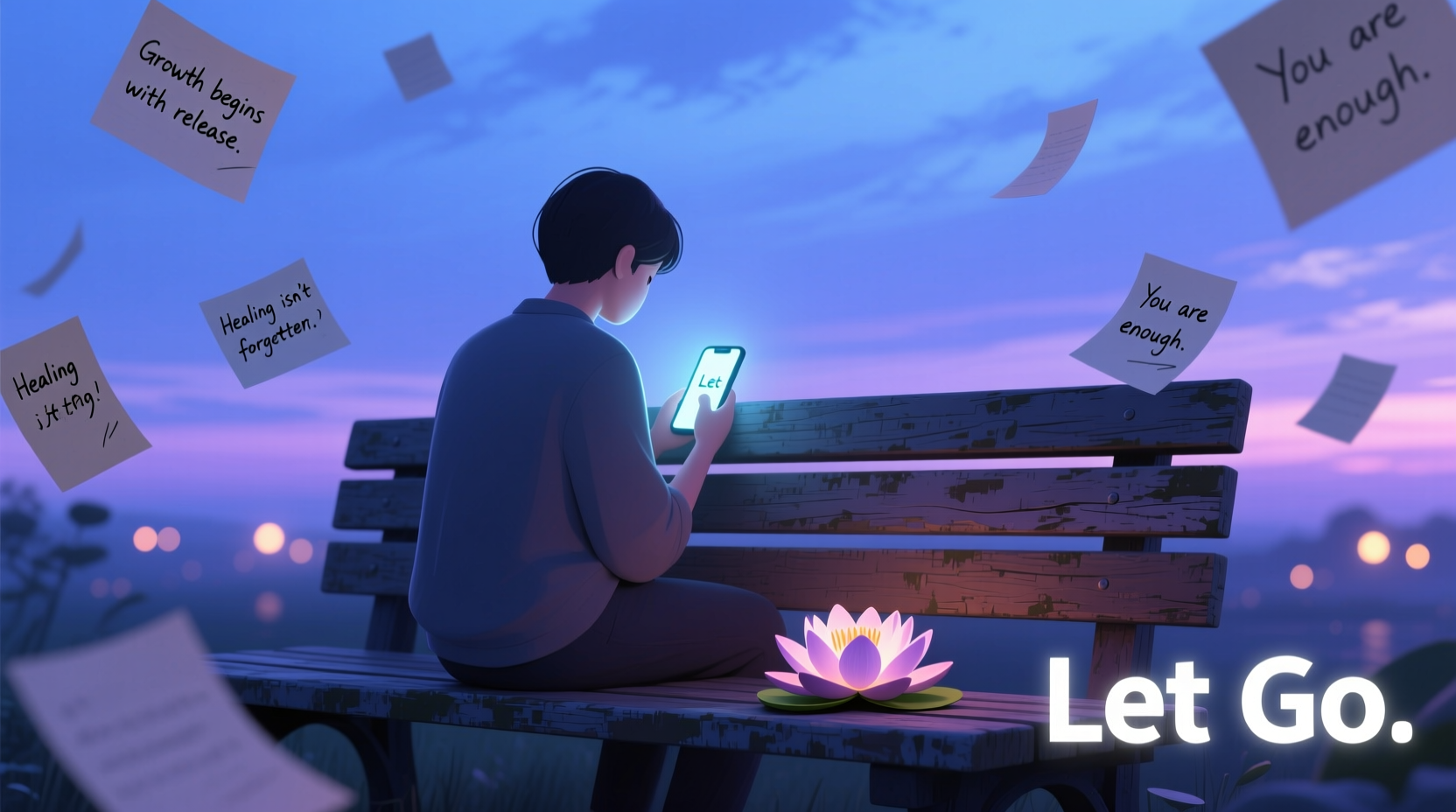
Humans are wired to form deep emotional bonds. When those bonds dissolve, the brain registers the loss similarly to physical pain. Neuroimaging studies show that regions associated with reward, motivation, and attachment light up when thinking about an ex-partner, which explains why “just getting over it” rarely works through willpower alone.
Attachment styles—secure, anxious, avoidant, or disorganized—also influence how we process breakups. Someone with an anxious attachment may obsess over closure, while an avoidant individual might suppress emotions entirely. Recognizing your patterns helps tailor your healing approach.
“Breakups disrupt our neural pathways of expectation. Healing requires rewiring not just the heart, but the habits of thought.” — Dr. Lena Patel, Clinical Psychologist & Relationship Specialist
Step-by-Step Guide to Emotional Recovery
Moving on isn’t about forgetting—it’s about recontextualizing the experience and reclaiming your autonomy. Here’s a realistic, phased approach:
- Allow Yourself to Grieve: Suppressing sadness only prolongs healing. Give yourself permission to feel: cry, journal, talk. Grief has no timeline.
- Cut Immediate Triggers: Mute or unfollow them on social media. Remove shared photos from your phone’s auto-play. Reduce visual reminders.
- Create Space: Implement a no-contact period (30–90 days). This includes texts, calls, and “checking in.” It resets emotional dependency.
- Redefine Your Identity: Reconnect with hobbies, values, and goals outside the relationship. Who were you before them? Who do you want to become?
- Reframe the Narrative: Instead of “I lost them,” try “I’m gaining myself back.” Shift focus from lack to growth.
Do’s and Don’ts During the Healing Process
| Do’s | Don’ts |
|---|---|
| Talk to trusted friends or a therapist | Stalk their social media daily |
| Establish new routines | Jump into rebound relationships |
| Practice mindfulness or meditation | Ruminate on “what ifs” for hours |
| Exercise regularly to regulate mood | Use alcohol or substances to numb pain |
| Set small, achievable personal goals | Idealize the past or minimize problems |
A Real Example: From Heartbreak to Renewal
Sophia, 29, ended a five-year relationship after realizing her partner consistently dismissed her career ambitions. Though she initiated the breakup, she struggled with loneliness and self-doubt. For weeks, she replayed conversations and checked his Instagram stories nightly.
She began therapy and committed to a 60-day no-contact rule. She deleted social media apps for the first two weeks, replacing scrolling time with evening walks and painting—activities she’d abandoned during the relationship. By week eight, she enrolled in a certification course she’d postponed for years. Six months later, she told a friend, “I’m not ‘over him’ in the sense that I’ve erased him. But I’m proud of who I am now—and that wouldn’t have happened if we’d stayed together.”
Actionable Tips for Daily Resilience
- Control your environment: Keep your phone face-down during vulnerable times (e.g., late nights).
- Label your thoughts: When you think, “I miss them,” add, “And that’s okay. But I also deserve peace.”
- Use behavioral activation: Schedule one enjoyable activity each day, even if you don’t feel like it. Action often precedes motivation.
- Limit rumination windows: Allow yourself 10 minutes a day to think about them—use a timer. Contain the emotion.
- Reclaim shared spaces: Rearrange your room, donate gifts, or repaint a wall. Physical change supports mental shift.
Healing Checklist: First 30 Days
Use this checklist to stay grounded and proactive:
- ☐ Delete or archive triggering messages/photos
- ☐ Unfollow or mute on all social platforms
- ☐ Tell one close friend your intention to heal
- ☐ Schedule a therapy session or support group meeting
- ☐ Start a daily 10-minute journaling habit
- ☐ Plan one solo outing per week (museum, hike, café)
- ☐ Identify one personal goal unrelated to romance
- ☐ Practice a grounding technique (box breathing, 5-4-3-2-1 method)
Frequently Asked Questions
How long does it take to get over someone?
There’s no fixed timeline. Research suggests emotional intensity typically begins to fade after 3–6 months, but full integration can take longer. Healing depends on the depth of attachment, circumstances of the breakup, and your coping tools—not calendar dates.
Is it normal to still love someone after letting go?
Yes. Love doesn’t switch off instantly. What changes is your relationship to that love. You can honor the care you felt while recognizing the relationship no longer serves your well-being. Continuing to love someone doesn’t mean staying with them.
Should I stay friends with my ex?
Not immediately. Premature friendship often delays healing and blurs boundaries. Wait until you can see them without emotional spikes—usually several months or more. Even then, evaluate whether the friendship adds value or keeps you emotionally tethered.
Conclusion: Rebuilding With Purpose
Getting over someone isn’t about erasing the past, but about expanding your present. Every moment of discomfort is a sign of growth—a signal that you’re confronting something real, meaningful, and transformative. The best way to move forward combines compassion with courage: honoring your grief while actively shaping a life that doesn’t revolve around absence.
Healing isn’t passive. It’s choosing, again and again, to invest in yourself. To wake up and make plans that don’t include them. To rediscover joy that isn’t dependent on reciprocation. That’s not forgetting—it’s evolving.




 浙公网安备
33010002000092号
浙公网安备
33010002000092号 浙B2-20120091-4
Comments
No comments yet. Why don't you start the discussion?