
The papery brown covering that peels away from a fresh onion is more than just kitchen waste—it plays a vital role in protecting the edible layers beneath. This thin, brittle exterior is commonly referred to as the onion skin or onion peel, but its botanical and culinary significance goes beyond casual naming. Understanding this layer helps home cooks make informed decisions about storage, preparation, and even sustainable practices like natural dyeing or broth enhancement. While most discard it without thought, knowing what it’s made of, why it exists, and whether it has any practical use can elevate both cooking technique and kitchen efficiency.
Definition & Overview: What Exactly Is the Onion Skin?
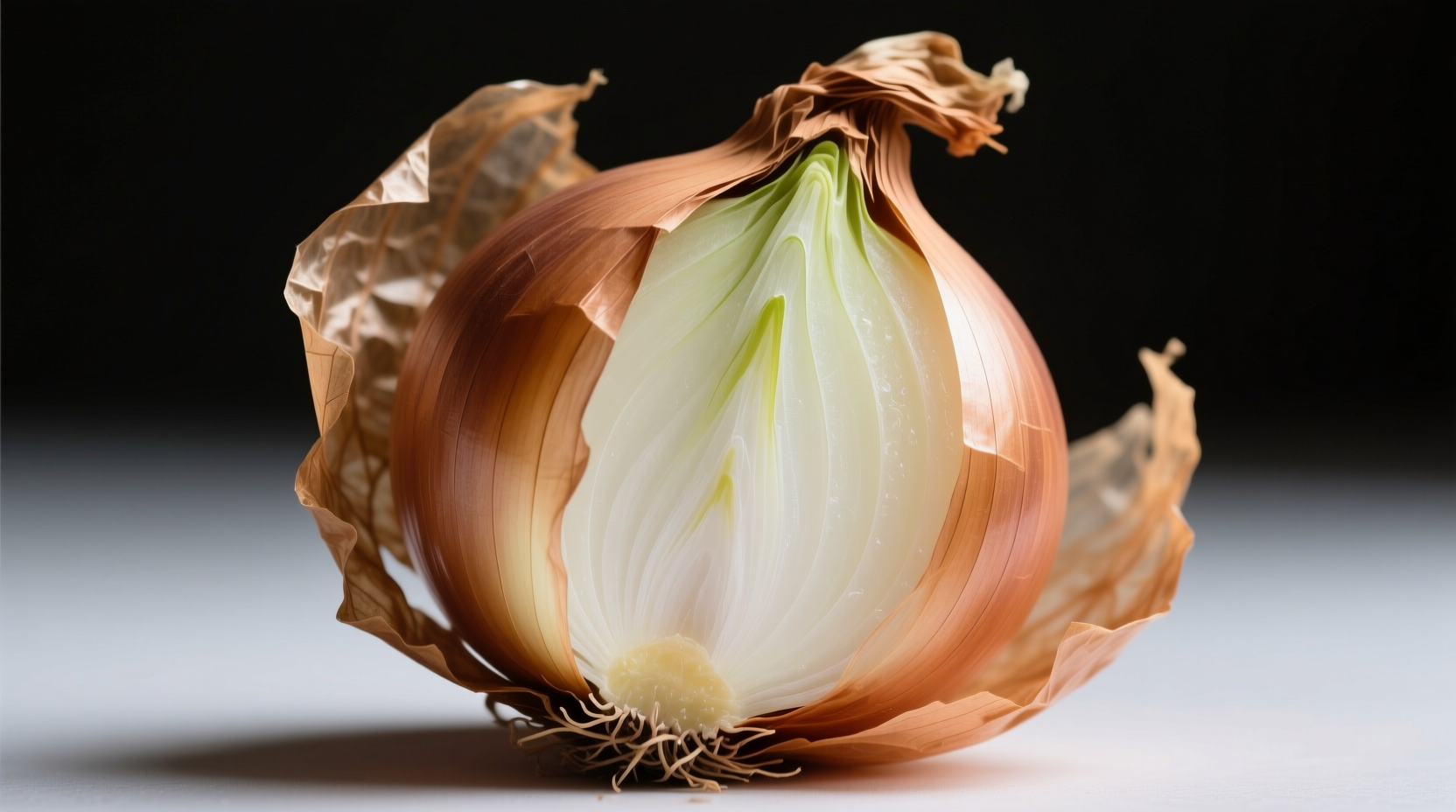
The outer layer of an onion—technically known as the tunic—is a dried, membranous sheath formed from modified leaf bases. It develops naturally as the onion matures in the field, serving as a protective barrier against moisture loss, pests, fungi, and physical damage. Botanically classified under *Allium cepa*, onions grow underground as bulbs composed of fleshy scales (the layers we eat) surrounded by one or more outer tunics.
This tunic originates from the dehydration of the outermost leaf sheaths during the curing process after harvest. Farmers allow harvested onions to dry in well-ventilated conditions, which hardens these outer layers into the familiar crinkly, translucent-to-brown covering. The color varies depending on the onion variety: yellow onions develop golden-brown skins, red onions have purplish-red husks, and white onions sport pale ivory or beige coverings.
In everyday language, people refer to this part simply as “skin,” “peel,” or “husk.” However, in agricultural and scientific contexts, \"tunic\" is the precise term. Despite being inedible due to its toughness and fibrous texture, the tunic serves multiple functions—from preserving freshness to offering unexpected uses in non-culinary applications.
Key Characteristics of Onion Skin
The onion skin possesses distinct physical and chemical properties that define its role and potential utility:
| Characteristic | Description |
|---|---|
| Texture | Dry, brittle, papery; easily crumbles when handled. |
| Color | Varies by onion type: golden-brown (yellow), deep purple (red), pale beige (white). |
| Composition | Primarily cellulose, lignin, and polyphenolic compounds including quercetin. |
| Edibility | Not palatable raw or cooked; too tough for consumption. |
| Culinary Function | Protective layer during growth and storage; occasionally used for flavor extraction. |
| Shelf Life Contribution | Intact skin significantly extends bulb longevity by reducing spoilage and sprouting. |
| Sustainability Potential | Rich in antioxidants; useful in natural dyes, composting, and plant-based extracts. |
Practical Usage: How Is Onion Skin Used Beyond Peeling?
While the primary action taken with onion skin is removal before cooking, several professional kitchens and eco-conscious households repurpose it for functional benefits.
Flavor Enhancement in Stocks and Broths
Many chefs intentionally leave the skins on onions when making vegetable, beef, or chicken stock. The reason? They contribute rich color and subtle depth without bitterness. Yellow and red onion skins, in particular, lend a warm amber hue and enhance antioxidant content in broths. Though they don’t dissolve, their polyphenols—including quercetin glycosides—leach into the liquid during prolonged simmering, adding mild complexity.
To use onion skins in stock:
- Save clean, dry skins in a freezer-safe container over time.
- Add them to your stockpot along with other aromatics (carrot peels, celery tops, herb stems).
- Simmer for at least 2–3 hours to extract maximum color and compounds.
- Strain thoroughly before using or storing the broth.
Note: Avoid using soiled or moldy skins. Only include those from organically grown onions if consuming broth regularly, to minimize pesticide exposure.
Natural Dyeing Agent
Onion skins are prized in textile arts for producing earth-toned dyes ranging from soft peach to deep russet, depending on mordant and fiber type. Wool, silk, and cotton absorb the pigments effectively, especially when treated with alum or iron solutions beforehand.
A simple home dyeing method:
- Use 1 part dried onion skins to 3 parts water.
- Boil for 45 minutes, strain, then immerse pre-soaked fabric.
- Simmer for another 45–60 minutes, stirring gently.
- Rinse and air-dry away from direct sunlight.
This application reduces food waste and supports zero-waste lifestyles, particularly among crafters and sustainable fashion advocates.
Composting and Soil Enrichment
Despite common myths, onion skins are fully compostable. While slower to break down than softer scraps, they decompose completely in hot compost systems (above 130°F/55°C). Their high carbon content balances nitrogen-rich greens like coffee grounds and vegetable trimmings.
Tip: Chop or crush onion skins before adding to compost to accelerate decomposition. Avoid adding large quantities to worm bins, as strong odors may deter worms or attract fruit flies.
Variants & Types: Do All Onions Have the Same Kind of Outer Layer?
All bulb onions share a similar structural design—the layered bulb enclosed in a protective tunic—but variations exist based on cultivar, growing conditions, and post-harvest handling.
By Onion Variety
- Yellow Onions: Most common in cooking; feature thick, multi-layered golden-brown skins ideal for stock and dyeing.
- Red (Purple) Onions: Skins are vibrantly colored with anthocyanins; excellent for natural dyes yielding pink-to-plum shades.
- White Onions: Thinner, lighter-colored tunics; often used in Mexican cuisine where visual clarity in salsas matters.
- Shallots: Have coppery, reddish skins similar to garlic; more delicate and less abundant per bulb.
- Pearl & Boiler Onions: Small varieties with tight, smooth skins; typically peeled before use due to size.
By Form and Processing
| Form | Skin Condition | Common Use Case |
|---|---|---|
| Fresh Whole Onions | Intact, dry tunic | Long-term storage, slow-cooked dishes, stock building |
| Pre-Peeled Onions | Skin removed commercially | Convenience cooking; shorter shelf life once peeled |
| Dehydrated Onion Flakes/Powder | Skin excluded during processing | Seasoning blends, dry rubs, instant meals |
| Frozen Diced Onions | Skin removed prior to freezing | Quick sautéing, soups, stews |
The integrity of the outer layer directly affects shelf life. A loose or damaged tunic exposes inner layers to microbes and accelerates rotting. For long-term storage, always select onions with tightly adhered, unbroken skins.
Comparison with Similar Ingredients
Several plants produce bulbs with outer coverings that resemble onion skin, sometimes leading to confusion. Clarifying differences ensures proper identification and usage.
| Plant | Outer Layer Name | Key Differences |
|---|---|---|
| Garlic | Wrapper or parchment | Thinner, whiter, segmented per clove; less fibrous than onion skin. |
| Shallot | Tunic (like onion) | More translucent, copper-colored; resembles small onion skin. |
| Leek | Leaf sheaths (not true tunic) | Green and white fleshy leaves; no papery skin; outer layers often discarded due to grit. |
| Spring Onion / Scallion | No developed tunic | Immature bulb; only slight thickening at base; entire plant often used. |
| Ginger | Peel or rhizome skin | Brown, bark-like, uneven; removed similarly but structurally unrelated. |
Unlike garlic wrappers, which protect individual cloves within a head, onion skin encases the entire bulb. Leeks and scallions lack a true tunic because they are harvested before bulb formation. Recognizing these distinctions prevents mislabeling and improves ingredient selection for recipes.
Practical Tips & FAQs
Should I wash onion skins before saving them?
Yes—if you plan to reuse them for stock or dyeing, rinse briefly under cool water and pat dry before drying completely. Moisture encourages mold during storage. Never save skins from onions treated with waxes or preservatives (rare but possible in imported produce).
Can onion skins be eaten safely?
No, not in any practical sense. They are indigestible, pose a choking hazard, and offer no nutritional benefit in whole form. While powdered extracts of onion skin are studied for antioxidant effects, the raw tunic itself should never be consumed.
How should I store collected onion skins?
Keep them in an airtight glass jar or resealable bag in a cool, dark pantry. Ensure they are fully dry to prevent mildew. Properly stored, they can last up to a year for dyeing or broth use.
Do organic onions make better skins for reuse?
Yes. Conventionally grown onions may retain pesticide residues on the outer layers. If using skins in consumable products like broth, opt for organic sources to reduce chemical intake.
Why do some recipes say to remove the skin while others suggest keeping it?
It depends on the dish. In refined sauces, soups, or salads, aesthetics and texture demand complete peeling. But in rustic preparations like stocks, braises, or roasted mirepoix, leaving the skins on temporarily adds color and protection during cooking—they’re removed before serving.
Are there health benefits to compounds in onion skin?
Research indicates that quercetin, abundant in onion skins (especially red and yellow), has anti-inflammatory and cardiovascular-supporting properties. However, extracting these compounds requires specialized methods—not achievable through casual boiling. Still, minimal leaching into broths may provide trace benefits.
Expert Insight: “We save every onion skin in our kitchen. Not for eating—but for enriching our house-made stocks and teaching students about root-to-stem utilization. That golden hue in our French onion soup base? Half credit goes to the peel.” — Chef Elena Ruiz, Culinary Instructor, San Francisco Cooking School
Summary & Key Takeaways
The outer layer of an onion, scientifically termed the tunic and commonly called the skin or peel, is far more than disposable waste. It is a biologically engineered shield that preserves the bulb’s freshness, moisture, and flavor during growth and storage. Made of cellulose and rich in phenolic compounds like quercetin, it plays a silent but critical role in both agriculture and gastronomy.
Though not edible, onion skin offers valuable secondary uses: enhancing the color and antioxidant profile of homemade broths, creating natural dyes for textiles, and contributing carbon to compost systems. Its presence differentiates mature storage onions from immature alliums like scallions, and its condition is a reliable indicator of overall onion quality.
Understanding the function and potential of this overlooked component empowers cooks to reduce waste, deepen flavors, and engage in more sustainable kitchen practices. Whether you're roasting, stewing, fermenting, or crafting, recognizing the purpose behind the peel transforms a routine step into a mindful act of culinary stewardship.




 浙公网安备
33010002000092号
浙公网安备
33010002000092号 浙B2-20120091-4
Comments
No comments yet. Why don't you start the discussion?