
Tortilla soup is more than a bowl of comfort—it’s a vibrant expression of Mexican culinary tradition, rooted in centuries of history and layered with bold, smoky, and tangy flavors. For home cooks seeking an accessible yet deeply flavorful dish, tortilla soup delivers richness without complexity. Unlike generic “Mexican-style” soups found in casual dining chains, authentic tortilla soup centers on roasted tomatoes, chiles, garlic, and fragrant spices, thickened naturally by blended tortillas or masa, and finished with crisp garnishes that elevate both texture and taste. Understanding its origins, core components, and preparation methods allows cooks to craft a version that honors tradition while adapting to modern pantries and dietary preferences.
Definition & Overview
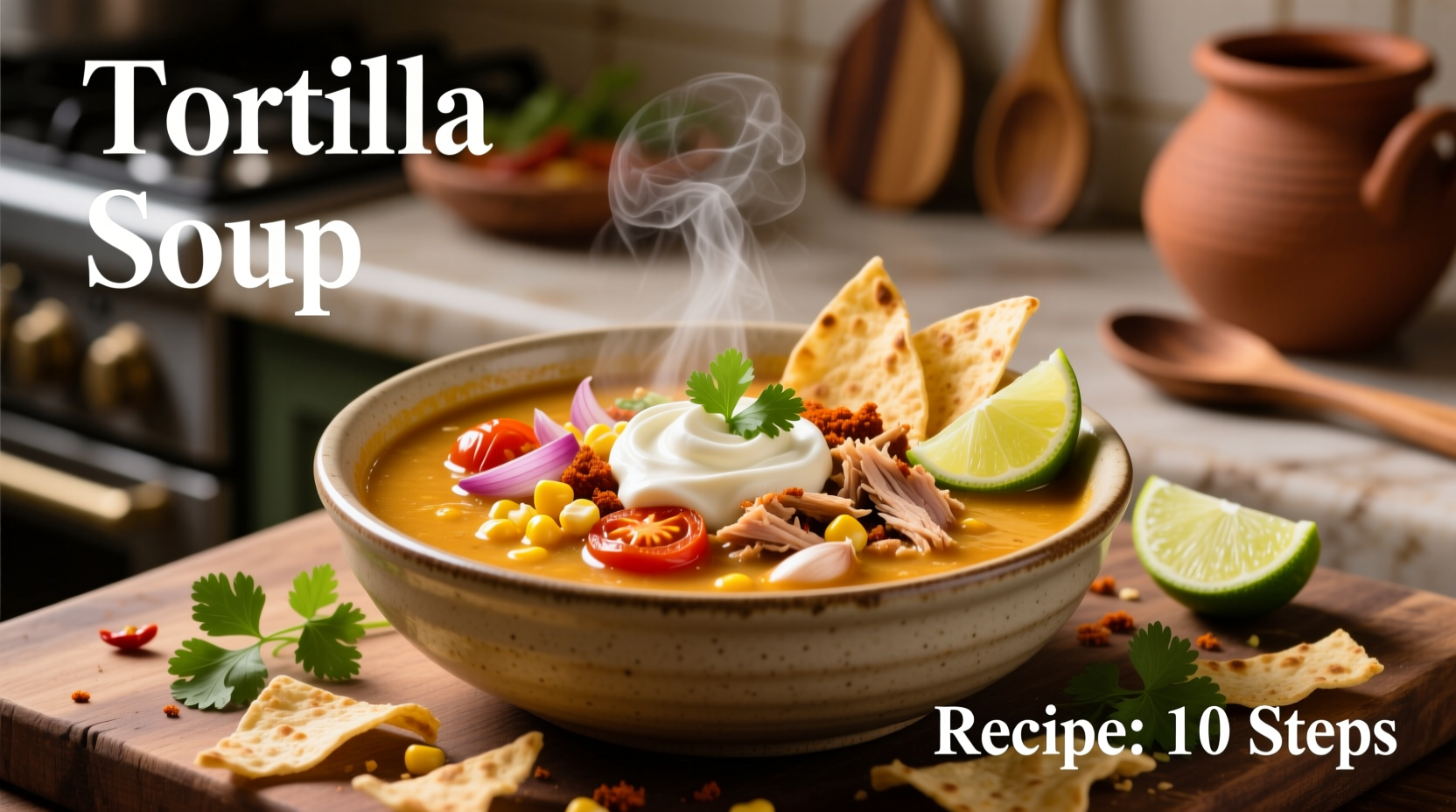
Tortilla soup, known in Spanish as sopa de tortilla or azteca soup, is a traditional Mexican stew originating in central Mexico, particularly associated with Puebla and Mexico City. Despite its name, the soup does not typically contain whole tortillas as a primary ingredient but instead uses fried or toasted tortilla strips as a garnish and often incorporates blended masa harina or soaked tortillas to thicken the broth. The base is usually a puréed mixture of roasted tomatoes, onions, garlic, and dried or fresh chiles, simmered with chicken or vegetable stock. What distinguishes tortilla soup from other Latin American soups—such as pozole or menudo—is its balance of acidity, smoke, and mild heat, anchored by corn in multiple forms.
The dish evolved from pre-Hispanic cooking practices, where indigenous peoples combined maize, tomatoes, and chiles long before European contact. After the Spanish introduced ingredients like chicken, cheese, and dairy, the soup gradually absorbed these elements, becoming a fusion of native and colonial influences. Today, it is commonly served during holidays such as Día de Muertos and Las Posadas, though its year-round appeal has made it a staple in homes and restaurants across Mexico and the United States.
Key Characteristics
| Attribute | Description |
|---|---|
| Flavor Profile | Smoky, slightly tangy, savory with moderate heat; balanced by sweetness from roasted tomatoes and earthiness from corn. |
| Aroma | Roasted garlic, charred chiles, cumin, and warm cumin; brightened by lime and cilantro. |
| Color | Deep red-orange from tomatoes and guajillo/ancho chiles; golden hue if epazote or safflower is used. |
| Texture | Smooth, medium-bodied broth thickened by masa or blended tortillas; contrasted with crunchy fried tortilla strips. |
| Heat Level | Mild to medium (3–5/10), depending on chile type and quantity; easily adjustable. |
| Culinary Function | Main course soup; often served as a starter in upscale Mexican cuisine. |
| Shelf Life | 3–4 days refrigerated; freezes well for up to 3 months (without garnishes). |
Practical Usage: How to Make Authentic Tortilla Soup
Creating a restaurant-quality tortilla soup at home requires attention to ingredient quality and technique, particularly in roasting and layering flavors. The following method produces approximately six servings and can be adapted for vegetarian, vegan, or gluten-free diets.
- Prepare the Base Ingredients:
- 6 ripe Roma tomatoes
- 1 large white onion, quartered
- 4 cloves garlic, unpeeled
- 2 dried guajillo chiles (stemmed and seeded)
- 1 dried ancho chile (optional, for depth)
- 1 fresh jalapeño or serrano pepper (for heat)
- Soak and Blend the Chiles: While vegetables cool, soak dried chiles in hot water for 15 minutes to rehydrate. Drain and blend with roasted tomatoes, onion, garlic, and fresh chili until completely smooth. Strain through a fine-mesh sieve if a silkier texture is desired.
- Sauté Aromatics: In a large stockpot, heat 2 tablespoons of vegetable oil or avocado oil over medium heat. Add 1 tablespoon ground cumin and 1 teaspoon dried oregano (preferably Mexican oregano), stirring for 30 seconds to bloom the spices. Pour in the blended purée carefully—it will splatter. Cook for 10–12 minutes, stirring frequently, to reduce raw tomato flavor and deepen color.
- Add Liquid and Simmer: Stir in 6 cups of low-sodium chicken or vegetable broth. Bring to a gentle boil, then reduce to a simmer. At this stage, add one of the following thickeners:
- Option 1: 2 corn tortillas, torn and soaked in water, then blended into the purée.
- Option 2: 2 tablespoons masa harina whisked into the broth.
- Incorporate Protein (Optional): Add 2 cups shredded cooked chicken (poached or rotisserie), or for a vegetarian version, use 1 cup cooked black beans or grilled mushrooms. Simmer another 10 minutes.
- Season and Adjust: Taste and season with salt (start with 1 tsp), freshly ground black pepper, and the juice of one lime. Add a pinch of sugar if the soup is too acidic. For herbal complexity, stir in 1 teaspoon chopped epazote (if available) or substitute with a few leaves of cilantro stem.
Pro Tip: For maximum flavor, roast your own tomatoes and chiles instead of using canned. Canned fire-roasted tomatoes can work in a pinch, but they lack the nuanced char of direct flame roasting.
Variants & Types
Tortilla soup varies significantly by region and household. Some versions are brothy and light; others are nearly stew-like. Below are the most common variants:
- Traditional Sopa de Tortilla (Puebla/Mexico City style): Uses a base of roasted tomatoes, onion, garlic, and dried chiles with chicken broth and shredded poultry. Garnished with fried tortilla strips, queso fresco, avocado, and crema.
- Vegetarian/Vegan Tortilla Soup: Omits meat and dairy, relying on vegetable broth, black beans, or sweet potatoes for body. Topped with cashew crema or tahini-lime sauce instead of sour cream.
- White Tortilla Soup (Sopa Blanca): Uses green tomatillos instead of red tomatoes, with poblano and jalapeño peppers. Also known as Chilpachole de Pollo in some regions.
- Restaurant-Style (U.S. Adaptation): Often includes bell peppers, corn kernels, zucchini, and heavy cream. Tortilla strips are deep-fried and sometimes dusted with chili powder.
- Instant Pot Version: Pressure-cooked in 30 minutes, ideal for weeknights. Sauté function replaces stovetop roasting; blend ingredients directly in the pot after pressure release.
Comparison of Tortilla Soup Styles
| Variant | Base Ingredients | Protein | Garnishes | Best For |
|---|---|---|---|---|
| Classic Red | Tomatoes, guajillo chiles, garlic | Chicken | Tortilla strips, crema, avocado | Weekend family meals |
| White (Tomatillo) | Tomatillos, poblanos, cilantro | Chicken or shrimp | Radish, queso fresco, lime | Summer dining, lighter appetite |
| Vegan | Tomatoes, chiles, beans | Black beans, tofu | Plant-based crema, pumpkin seeds | Plant-forward diets |
| U.S. Restaurant | Canned tomatoes, bell peppers | Chicken, sometimes cheese | Fried tortilla bowls, sour cream | Casual dining, crowd-pleasing |
Comparison with Similar Ingredients/Dishes
Tortilla soup is often confused with other Latin American soups, but key distinctions set it apart:
| Dish | Primary Grain | Broth Type | Key Differentiator |
|---|---|---|---|
| Tortilla Soup | Maize (tortillas/masa) | Tomato-chile based, medium-thick | Uses blended tortillas/masa for body; garnished with fried strips |
| Pozole | Hominy (large-kernel corn) | Clear, brothy, often pork-based | Contains whole hominy kernels; served with extensive condiments |
| Menudo | None (tripe-based) | Spicy red or white tripe broth | Uses beef tripe and honeycomb; slow-simmered 4+ hours |
| Taco Soup (American) | None (often includes beans, corn) | Tomato-based, chunky | Includes ground beef, kidney beans, taco seasoning; no masa |
“The soul of tortilla soup lies in the char—not just of the vegetables, but of the intention behind it. You’re not just making soup; you’re coaxing centuries of flavor from simple, sacred ingredients.” — Chef Elena Ruiz, Oaxaca Culinary Institute
Practical Tips & FAQs
How spicy is tortilla soup?
Traditionally, it ranges from mild to moderately spicy. Guajillo chiles contribute earthy warmth rather than intense heat. To increase spiciness, add more fresh serrano or a pinch of cayenne. For a milder version, remove all seeds from chiles and omit fresh peppers.
Can I make it ahead of time?
Yes. The soup base improves when made one day in advance—the flavors meld and deepen. Store without garnishes. Reheat gently and add toppings just before serving.
How do I store leftover tortilla soup?
Cool completely and refrigerate in airtight containers for up to 4 days. Freeze the base (without dairy or garnishes) for up to 3 months. Thaw overnight in the refrigerator and reheat on the stove.
Are there gluten-free concerns?
Authentic tortilla soup is naturally gluten-free, as it relies on corn. However, ensure that broth and any packaged spices are certified gluten-free if needed.
What are the best garnishes for tortilla soup?
Essential garnishes include:
- Fried or baked tortilla strips (cut from stale corn tortillas, tossed with oil and salt, baked at 375°F for 10–12 minutes)
- Crema or sour cream
- Ripe avocado cubes
- Crumbled queso fresco or cotija
- Fresh cilantro leaves
- Lime wedges
- Sliced radishes (for crunch)
Can I use canned tomatoes?
Yes, but choose fire-roasted varieties to mimic the charred flavor. Avoid adding extra liquid from the can unless you adjust simmering time accordingly.
Is tortilla soup healthy?
It can be. The base is rich in lycopene from tomatoes, fiber from corn, and antioxidants from chiles. To keep it nutritious:
- Use skinless chicken breast or plant proteins.
- Bake tortilla strips instead of frying.
- Limit added fats and sodium.
- Load up on garnishes like avocado and radish for healthy fats and crunch.
What wine pairs well with tortilla soup?
A crisp white wine such as Albariño or unoaked Chardonnay complements the acidity and spice. For red lovers, opt for a light-bodied Tempranillo or Gamay. Non-alcoholic pairings include hibiscus tea (agua de jamaica) or lime sparkling water.
Make-Ahead Strategy: Roast and blend the soup base up to three days in advance. Store in the fridge and complete the final simmer with broth and protein the day of serving. Fry tortilla strips fresh to maintain crispness.
Summary & Key Takeaways
Tortilla soup is a cornerstone of Mexican home cooking—a dish that balances rustic simplicity with complex flavor. Its foundation lies in roasted tomatoes, chiles, and garlic, thickened subtly with corn, and elevated by textural contrasts in the garnish. While regional variations exist, the essence remains consistent: a warm, aromatic, satisfying soup rooted in tradition.
To make it successfully:
- Always roast or char your vegetables for depth.
- Bloom spices in oil before adding liquid.
- Use masa or blended tortillas to enrich the broth naturally.
- Simmer long enough to marry the flavors but avoid over-reducing.
- Add garnishes just before serving to preserve texture.
Whether you’re exploring Mexican cuisine for the first time or refining your technique, mastering tortilla soup offers a gateway to deeper understanding of how heat, smoke, acid, and corn come together in harmony. Serve it during chilly evenings, holiday gatherings, or as a nourishing midweek meal—the result is always greater than the sum of its parts.
Try This: Host a “Tortilla Soup Bar” night—prepare the base in advance and set out small bowls of garnishes so guests can customize their own. Include options like pickled red onions, roasted corn, chipotle crema, and crumbled chorizo for a memorable experience.




 浙公网安备
33010002000092号
浙公网安备
33010002000092号 浙B2-20120091-4
Comments
No comments yet. Why don't you start the discussion?