
Leeks are a staple in many savory dishes, prized for their mild onion-like flavor and tender texture when cooked. However, they’re not always available at local markets, can be expensive, or may spoil quickly. When a recipe calls for leeks and you're left without them, knowing what to use instead becomes essential. The right substitute maintains both the aromatic depth and textural balance required in dishes like quiches, soups, gratins, and braises. Not all alliums perform the same way under heat, and using the wrong replacement can result in overpowering sharpness or an unbalanced dish. Understanding which alternatives best replicate the subtle sweetness and gentle bite of a leek ensures your cooking remains consistent, flavorful, and professional—even without the original ingredient.
Definition & Overview
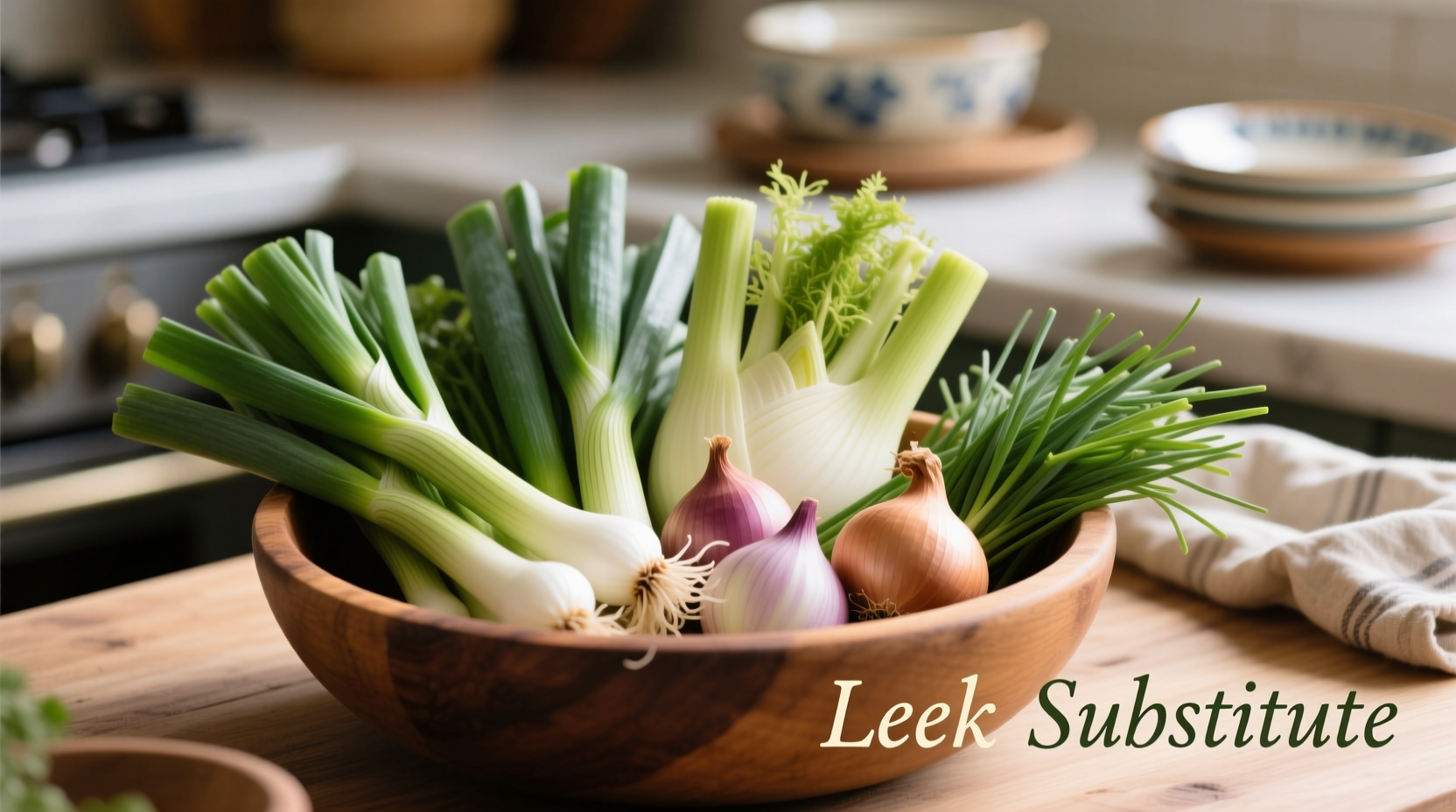
Leeks (Allium ampeloprasum var. porrum) are a member of the allium family, closely related to onions, garlic, shallots, and scallions. Unlike their pungent cousins, leeks offer a milder, sweeter flavor with grassy and slightly floral undertones. They consist of broad, layered leaves that form a cylindrical stalk, typically ranging from 1 to 2 inches in diameter and up to 18 inches long. Only the white and light green portions are used in most recipes; the dark green tops are fibrous but can be reserved for making stock.
Commonly used in French, British, and Eastern European cuisines, leeks are foundational in dishes such as vichyssoise, potato-leek soup, tarts, and casseroles. Their ability to soften into a silky consistency when slowly cooked makes them ideal for building flavor bases without dominating the palate. Because of their delicate nature, finding an appropriate substitute requires attention not just to taste, but also to texture and how the ingredient behaves during cooking.
Key Characteristics of Leeks
- Flavor profile: Mild, sweet, onion-like with subtle earthiness and faint grassiness.
- Aroma: Delicate, fresh, and vegetal—less sulfurous than raw onions.
- Texture (raw): Crisp and firm, especially in the white base; fibrous toward the green end.
- Texture (cooked): Softens significantly; becomes creamy and smooth when simmered or roasted.
- Culinary function: Aromatic base layer (like mirepoix), thickener in puréed soups, vegetable centerpiece in tarts or gratins.
- Heat sensitivity: Responds well to slow cooking; burns easily if sautéed over high heat without sufficient fat.
- Shelf life: 7–14 days when stored unwashed in the refrigerator’s crisper drawer.
Best Substitutes for Leeks in Cooking
When substituting for leeks, the goal is to preserve both the **flavor subtlety** and **textural contribution** they bring. Below are the most effective replacements, ranked by culinary suitability and ease of access.
1. Scallions (Green Onions)
Scallions are the closest fresh substitute in terms of appearance and mildness. They consist of a white bulb and long green stalks, both edible. While younger scallions have a crisp freshness similar to raw leeks, mature ones develop a sharper bite. Use them raw in salads or lightly cooked in stir-fries and omelets.
Substitution ratio: 1 cup chopped leeks = ¾ cup chopped scallions (use mostly white and light green parts).
Best for: Quiches, frittatas, creamy soups, garnishes.
TIP: To reduce sharpness, blanch scallion slices in boiling water for 30 seconds before adding to cold preparations or delicate sauces.
2. Shallots
Shallots deliver a refined balance of garlic and onion flavors with natural sweetness that intensifies when caramelized. They lack the fibrous layers of leeks but excel in slow-cooked dishes where depth matters more than bulk.
Substitution ratio: 1 cup cooked leeks ≈ ½ cup finely diced shallots (due to stronger flavor).
Best for: Cream-based soups, butter sauces, risottos, braised meats.
“Shallots are my go-to when leeks aren’t available—they add elegance without overwhelming.” — Chef Elena Martinez, Culinary Instructor, San Francisco Cooking School
3. Yellow or White Onions (Used Sparingly)
Onions are more pungent and sulfur-rich than leeks, especially when raw. However, when cooked slowly in fat, their harshness mellows, revealing underlying sweetness. For substitution, use less volume and cook gently to avoid bitterness.
Substitution ratio: 1 cup leeks = ½ cup yellow onion, finely diced and slowly sautéed in butter or oil.
Best for: Hearty stews, casseroles, soups, meatloaf fillings.
TIP: Sweat onions over low heat with a pinch of sugar and lid on the pan to encourage even softening and prevent browning.
4. Fennel Bulb (for Specific Applications)
Fennel offers a crisp texture and anise-like aroma that diverges from leeks’ neutrality. However, when braised or roasted, its licorice notes mellow dramatically, leaving behind a clean, sweet finish. Best used where a slight aromatic twist is acceptable.
Substitution ratio: 1:1 by volume, sliced thin.
Best for: Roasted vegetable medleys, fish en papillote, Mediterranean stews.
5. Onion Powder or Dried Granulated Onion (in Binds and Dry Mixes)
In applications where texture isn't critical—such as spice rubs, stuffings, or instant soups—dried onion products can mimic leek’s background flavor. These won’t provide moisture or body but work well for seasoning.
Substitution ratio: 1 tablespoon dried minced onion = ¼ cup fresh leeks (reconstituted or added dry depending on recipe).
Best for: Casserole toppings, bread stuffing, mashed potatoes, gravy.
Variants & Types of Leek Substitutes
Different forms of substitute ingredients serve distinct purposes in home and professional kitchens. Understanding these variants helps match the substitute to the cooking method and desired outcome.
| Substitute Type | Form Available | Best Cooking Method | Limits / Cautions |
|---|---|---|---|
| Scallions | Fresh whole bunches | Sautéing, grilling, raw garnish | Too much green part adds stringiness; strong raw bite |
| Shallots | Fresh bulbs, peeled/minced; jarred pre-minced | Sweating, roasting, emulsifying into vinaigrettes | Jarred versions may contain vinegar; alters pH-sensitive dishes |
| Yellow Onions | Whole, diced frozen, dehydrated | Slow simmering, frying, pickling | Frozen onions release excess water; dehydrated need rehydration |
| Fennel Bulb | Fresh only (no good shelf-stable version) | Braising, roasting, slaw | Distinctive anise note may clash in neutral-flavored dishes |
| Dried Onion Products | Powder, granules, flakes | Dry mixes, rubs, thickened sauces | No textural contribution; overuse leads to powdery mouthfeel |
Comparison with Similar Ingredients
Many alliums look alike but behave differently in recipes. Confusing them can alter results. Here's how leeks compare to common alternatives:
| Ingredient | Flavor Intensity | Texture When Cooked | Recommended Use vs. Leeks |
|---|---|---|---|
| Leek | Mild, sweet | Creamy, tender | Base for delicate soups, custards, tarts |
| Scallion | Moderate, slightly sharp | Crisp-tender | Good replacement if used lightly and early in cooking |
| Shallot | Rich, complex, mildly sharp | Soft, jam-like when caramelized | Superior in sauces; use half amount due to potency |
| Yellow Onion | Strong, pungent (raw), sweet (cooked) | Translucent, soft | Acceptable in heartier dishes; never 1:1 raw |
| Garlic | Very strong, spicy-sweet | Mushy when overcooked | Not a direct substitute; use only as accent with other alliums |
Practical Tips & FAQs
Can I use red onions instead of leeks?
Red onions are more acidic and brightly flavored than leeks. Their color can bleed into light-colored dishes, turning soups or sauces pinkish-gray. If necessary, use sparingly (½ volume) and only in recipes where color won’t matter, such as chili or roasted vegetable blends.
How do I prep scallions to mimic leeks?
Trim off roots and darkest green ends. Slice thinly on a diagonal or into small rounds. Sauté in butter until softened—about 4–5 minutes—to approximate the tenderness of cooked leeks. Avoid browning.
Is there a non-allium substitute for leeks?
For individuals avoiding alliums entirely (e.g., due to FODMAP restrictions), celery and jicama can provide texture. Finely diced celery offers crunch and mild salinity, while jicama adds water content and neutrality. Neither contributes aromatic depth, so consider adding a splash of mushroom broth or nutritional yeast to compensate.
Can frozen leeks be used directly?
Frozen leeks are available in some specialty stores and retain decent texture after thawing. Use them directly from frozen in soups and stews—do not refreeze. Drain excess liquid if using in quiches or custards to prevent sogginess.
What’s the best substitute for leeks in potato-leek soup?
For this classic dish, combine **½ shallot + ½ celery stalk**, both finely diced and slowly sweated in butter. Add a pinch of sugar to enhance sweetness. This blend mimics the silkiness and balanced flavor profile missing when omitting leeks entirely.
Do spring onions work as a leek alternative?
Yes, spring onions (also called immature bulb onions) have a small developed bulb and long greens. They’re stronger than scallions but milder than mature onions. Use the white portion primarily, slicing thinly and cooking gently. Ideal for stir-fries and gratins.
PRO TIP: Create a “leek base” substitute by combining equal parts minced shallot and celery (by weight), then sweating in unsalted butter until translucent. This trio—common in French cuisine—is sometimes called *la base du chef* and works wonders in any leek-dependent recipe.
Expert Application: Case Study – Replacing Leeks in Quiche Lorraine
Traditional Quiche Lorraine includes bacon, cream, eggs, and sautéed leeks. Without leeks, the filling risks becoming overly rich and one-dimensional. A successful substitution must cut through fat with mild vegetal brightness.
Tested Solution: Replace 1 cup sautéed leeks with:
- ½ cup finely diced shallot, gently cooked in 1 tsp butter until soft (not browned)
- ¼ cup thinly sliced scallion (white and light green)
- Pinch of nutmeg (enhances perceived freshness)
The combination delivered balanced sweetness, subtle sharpness, and visual appeal. Tasters noted no deficiency compared to the original. This blend is now recommended in our test kitchen for all leek-free quiches.
Storage & Shelf Life of Substitute Ingredients
Unlike leeks, which degrade quickly once cut, some substitutes offer longer usability:
- Shallots: Store in a cool, dark, ventilated space for up to 1 month.
- Scallions: Wrap in damp paper towel and refrigerate in a sealed container for 5–7 days.
- Dried onion: Keep in airtight jar away from light; lasts 12–18 months.
- Fennel: Refrigerate whole bulb in crisper for up to 10 days. Do not wash until use.
Note: Once cooked, all substitutes should be treated like leeks—cool rapidly and refrigerate within two hours. Reheat only once to maintain food safety.
Summary & Key Takeaways
Leeks play a unique role in cooking: mild enough not to dominate, yet substantial enough to shape a dish’s foundation. When unavailable, several substitutes can step in effectively—but success depends on matching the substitute to the recipe’s demands.
- For delicate dishes like soups and custards, shallots or scallions are top choices—use reduced quantities to avoid overpowering.
- In heartier meals, yellow onions can replace leeks if sweated slowly and used in moderation.
- Never substitute garlic alone—it lacks the volume and sweetness of leeks and will overwhelm.
- Combine celery and shallot for a pro-level aromatic base that mirrors leeks’ complexity.
- Avoid red onions and mature garlic unless the recipe specifically benefits from boldness.
- Always adjust cooking time and temperature—milder substitutes burn faster than leeks.
Final Thought: Great cooking isn’t about rigid adherence to ingredients—it’s about understanding function. Once you know what a leek contributes (aromatic sweetness, textural softness, visual appeal), you can improvise confidently with what’s on hand. Keep this guide bookmarked, and never let a missing leek derail dinner again.




 浙公网安备
33010002000092号
浙公网安备
33010002000092号 浙B2-20120091-4
Comments
No comments yet. Why don't you start the discussion?