
Sudden sensitivity to loud sounds—medically known as hyperacusis—is more than just discomfort. It can disrupt daily life, trigger anxiety, and even lead to social withdrawal when everyday noises become unbearable. Unlike normal reactions to loud environments, this condition makes moderate or typical sound levels feel jarring, painful, or overwhelming. While occasional sound sensitivity may occur due to fatigue or stress, a sudden onset often signals an underlying physiological or neurological shift. Understanding the root causes and learning how to respond effectively is essential for regaining comfort and control.
Understanding Hyperacusis: When Normal Sounds Become Painful
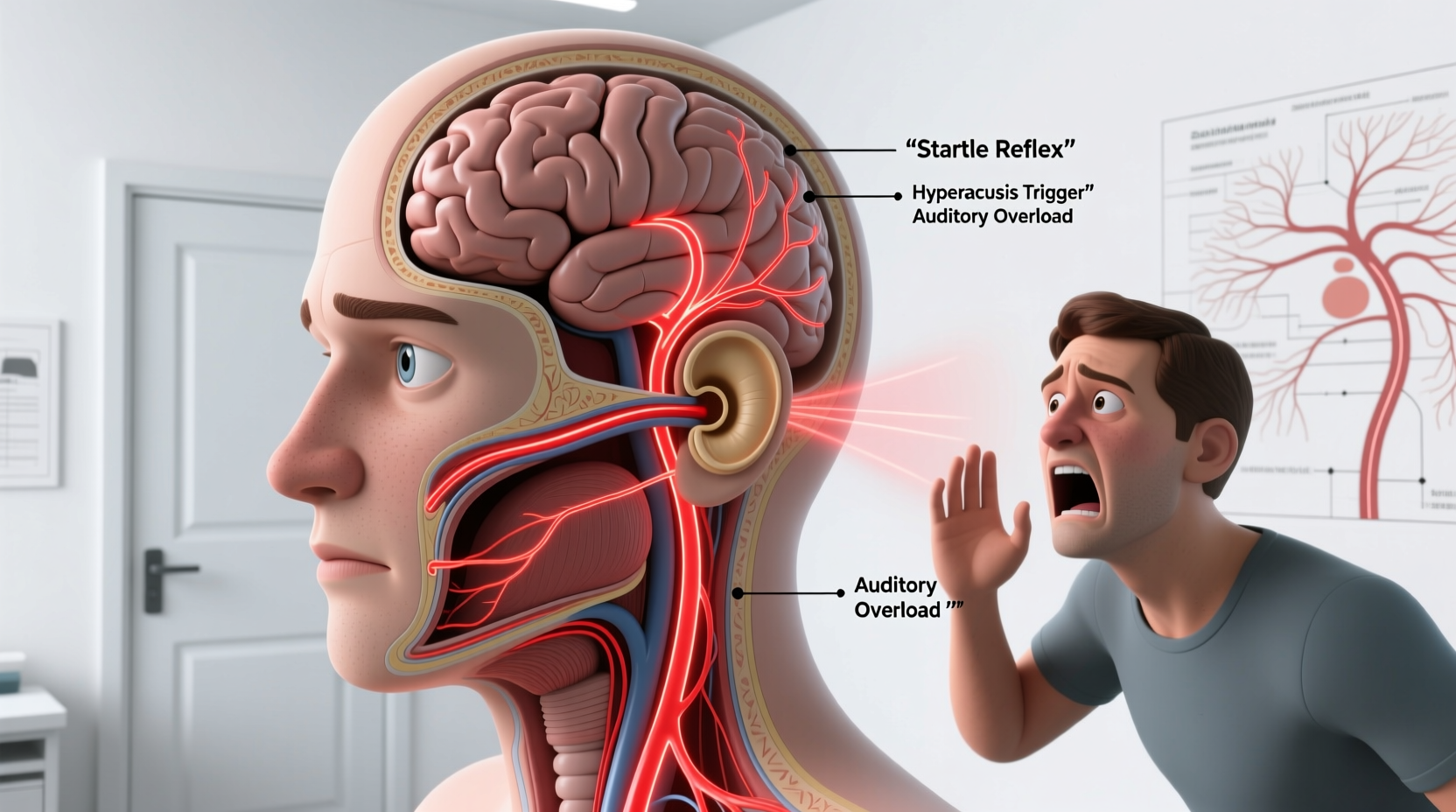
Hyperacusis is a reduced tolerance to sound that occurs without increased volume in the environment. People with this condition may find common sounds—such as dishes clattering, car horns, or children laughing—physically uncomfortable or distressing. The brain's auditory processing centers misinterpret sound intensity, amplifying perceived loudness despite normal decibel levels.
This isn’t simply being “sensitive” to noise. It’s a neurological response where the central auditory system becomes overactive or dysregulated. In some cases, hyperacusis develops gradually, but sudden onset is not uncommon—and it often correlates with specific health events or changes in the body.
Common Medical Triggers of Sudden Sound Sensitivity
Several medical conditions can precipitate sudden auditory hypersensitivity. Recognizing these can help guide diagnosis and treatment.
1. Head or Ear Trauma
Physical injury to the head or inner ear can disrupt the delicate balance of auditory signal processing. Concussions, whiplash, or acoustic trauma (e.g., exposure to an explosion) may damage neural pathways involved in sound modulation, leading to abnormal sensitivity.
2. Neurological Disorders
Conditions like migraines, epilepsy, and multiple sclerosis are linked to sudden sound intolerance. Migraine sufferers often report phonophobia (sound-triggered pain or discomfort) during attacks, even if they don’t have chronic hyperacusis. Similarly, post-concussion syndrome frequently includes auditory hypersensitivity as part of broader sensory dysfunction.
3. Inner Ear Disorders
Persistent issues such as Ménière’s disease, tinnitus, or vestibular schwannoma (acoustic neuroma) can alter how sound is processed. These disorders affect the cochlea or auditory nerve, potentially triggering sudden shifts in auditory perception.
4. Mental Health and Stress-Related Conditions
Anxiety disorders, PTSD, and severe stress can heighten sensory awareness. The limbic system, which governs emotional responses, becomes hyperalert, interpreting neutral stimuli—including sound—as threats. This state of hypervigilance can manifest as acute sound sensitivity.
5. Medication Side Effects
Certain drugs—including some antibiotics (like aminoglycosides), chemotherapy agents, and high-dose aspirin—can be ototoxic, meaning they damage hearing structures. Sudden changes in medication may prompt rapid-onset auditory disturbances, including hyperacusis.
“Sudden sound sensitivity should never be dismissed as imagination. It’s often a neurological red flag indicating disrupted auditory gain control.” — Dr. Lena Patel, Audiologist and Hearing Research Specialist
Environmental and Lifestyle Factors That Exacerbate Sensitivity
While medical causes initiate many cases, external factors can worsen or prolong symptoms.
- Noise exposure: Prolonged time in loud environments (concerts, construction sites) without protection can sensitize the auditory system.
- Sleep deprivation: Poor sleep lowers sensory thresholds, increasing reactivity to stimuli.
- Caffeine and stimulants: These can amplify nervous system activity, making sound perception more intense.
- Digital overload: Constant exposure to headphones, phone alerts, and background media may contribute to auditory fatigue and hypersensitivity.
Real Example: A Case of Post-Concert Hyperacusis
Mark, a 29-year-old graphic designer, attended an outdoor music festival wearing no ear protection. The next morning, he noticed ordinary kitchen noises—running water, clinking mugs—felt painfully sharp. Over the following week, his sensitivity intensified; office chatter became unbearable. He consulted an audiologist who diagnosed temporary hyperacusis likely triggered by acoustic overexposure. With sound therapy and avoidance of loud settings, Mark’s symptoms improved within six weeks. His case illustrates how a single high-decibel event can rapidly alter auditory processing.
Effective Management Strategies for Sudden Sound Sensitivity
Managing hyperacusis involves both protecting the auditory system and retraining the brain’s response to sound. Immediate action can prevent long-term adaptation issues.
Step-by-Step Guide to Initial Response
- Limit noise exposure: Avoid loud or unpredictable sound environments. Use quiet spaces at home or work.
- Use protective gear wisely: Wear earplugs in necessary noisy settings, but avoid constant use indoors, which can increase sensitivity over time.
- Document symptoms: Note when sensitivity began, associated events (illness, injury, stress), and which sounds cause discomfort.
- Seek professional evaluation: Visit an audiologist or ENT specialist to rule out structural or neurological causes.
- Begin sound therapy (if recommended): Gradual re-exposure to low-level white noise helps recalibrate auditory processing.
Therapeutic Approaches
Treatment varies based on the underlying cause but often includes a combination of therapies:
| Approach | Description | Effectiveness |
|---|---|---|
| Cognitive Behavioral Therapy (CBT) | Helps patients manage anxiety and fear related to sound exposure. | High for stress-related cases |
| Sound Desensitization Therapy | Uses low-level broadband noise to gradually reduce sensitivity. | Moderate to high with consistent use |
| Tinnitus Retraining Therapy (TRT) | Combines counseling and sound therapy to habituate the brain to sound. | Effective for co-occurring tinnitus |
| Medication Adjustment | Discontinuing or changing ototoxic drugs under medical supervision. | Depends on causative agent |
| Vestibular or Neurological Treatment | Addresses root conditions like Ménière’s or migraines. | Essential for full recovery |
Do’s and Don’ts: Practical Checklist for Daily Living
Navigating daily life with sudden sound sensitivity requires careful planning and self-awareness. Follow this checklist to minimize discomfort and support recovery.
- ✅ Do: Use soft background noise (e.g., fan, nature sounds) at home to maintain auditory stimulation.
- ✅ Do: Inform coworkers, teachers, or family about your sensitivity to reduce misunderstandings.
- ✅ Do: Practice mindfulness or breathing exercises to lower overall nervous system arousal.
- ✅ Do: Attend follow-up appointments with specialists to monitor progress.
- ❌ Don’t: Wear noise-canceling headphones all day—this can increase auditory gain.
- ❌ Don’t: Self-diagnose or delay seeking medical advice.
- ❌ Don’t: Push through discomfort in loud environments; it may prolong recovery.
- ❌ Don’t: Consume excessive caffeine or alcohol, which can worsen symptoms.
Frequently Asked Questions
Can sudden sound sensitivity go away on its own?
In mild cases—especially those triggered by temporary stress, fatigue, or brief noise exposure—symptoms may resolve within days or weeks. However, persistent sensitivity lasting more than two weeks warrants medical evaluation. Without proper management, some cases can become chronic.
Is hyperacusis the same as hearing loss?
No. While they can coexist, hyperacusis is not a hearing impairment. In fact, people with hyperacusis often have normal or near-normal hearing tests. The issue lies in how the brain processes sound, not in the ability to detect it.
Are children prone to sudden sound sensitivity?
Yes. Children with autism spectrum disorder (ASD), ADHD, or sensory processing disorder often exhibit extreme sound sensitivity. However, sudden onset in neurotypical children should be evaluated for ear infections, migraines, or neurological concerns.
Conclusion: Reclaiming Comfort in a Noisy World
Sudden sensitivity to loud sounds is not something to ignore or endure silently. Whether sparked by physical trauma, neurological shifts, or psychological stress, it reflects a real and treatable disruption in how the brain interprets auditory input. Early recognition, informed care, and gradual rehabilitation can significantly improve outcomes. You don’t have to retreat from the world to protect your ears—instead, equip yourself with knowledge, seek expert guidance, and apply strategies that restore balance to your auditory experience.




 浙公网安备
33010002000092号
浙公网安备
33010002000092号 浙B2-20120091-4
Comments
No comments yet. Why don't you start the discussion?