
Every holiday season, homes across the world light up with festive cheer, thanks in large part to strings of glowing Christmas lights. While these decorations bring warmth and joy, many homeowners quietly wonder: what voltage do these lights actually run on, and could they pose a risk to their family or property? Understanding the electrical specifications behind Christmas lighting isn’t just technical curiosity—it’s essential for safety, efficiency, and peace of mind.
Most standard Christmas lights designed for residential use operate on low-voltage systems or are engineered to safely step down household current. But not all lights are created equal. From traditional incandescent strands to modern LED strings, voltage varies—and so does risk. This guide breaks down the typical voltages used, explains how different types of lights manage power, and offers practical steps to ensure your holiday display remains both dazzling and safe.
Understanding Voltage in Christmas Lights
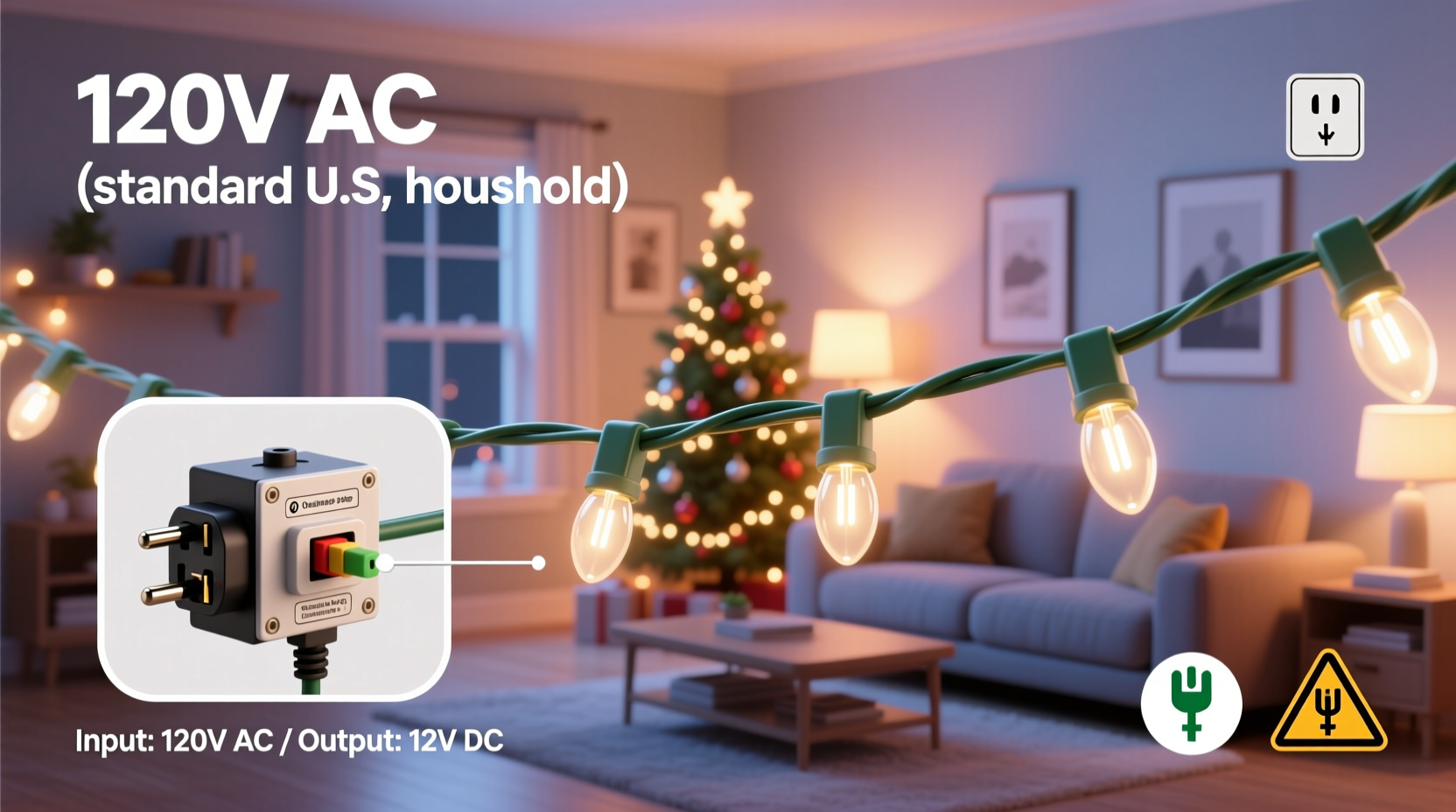
Voltage refers to the electrical pressure that pushes current through a circuit. In the United States, standard household outlets supply 120 volts of alternating current (AC). However, most Christmas lights don’t operate directly at this full voltage. Instead, they are designed to function safely using either:
- Low-voltage systems (typically 12V or 24V) — Often powered by transformers or plug-in adapters.
- Split-line designs — Where multiple bulbs share the 120V supply, with each receiving a fraction of the total voltage (e.g., 2.5V per bulb in a 50-light string).
Traditional mini lights, commonly found on trees and rooftops, often consist of series-wired bulbs. In a string of 50 incandescent bulbs, for example, each receives about 2.5 volts when connected to a 120V outlet. This design allows the entire string to remain within safe operating limits while maintaining brightness.
LED Christmas lights, now dominant in the market due to energy efficiency, typically use even less power. Many operate on as little as 3 to 5 watts per string and are often driven by built-in rectifiers or drivers that convert AC to low-voltage DC (direct current). Some LED sets are specifically labeled as “12V” or “24V,” meaning they require a transformer or adapter to step down the household voltage.
Common Types of Christmas Lights and Their Voltages
Different styles of Christmas lights serve different purposes—and come with varying electrical requirements. Here’s a breakdown of the most common types and their typical voltage setups:
| Type of Light | Average Voltage | Power Source | Safety Notes |
|---|---|---|---|
| Mini Incandescent (50-bulb string) | 120V total / ~2.5V per bulb | Direct wall outlet | Higher heat output; older models may lack fuses |
| LED Mini Lights | 12V–24V DC (via adapter) or split 120V | Wall adapter or direct plug | Cool to touch; energy efficient; lower fire risk |
| Rope Lights | 120V AC or 12V/24V DC | Outlet or transformer | Check insulation quality; outdoor-rated versions available |
| Icicle Lights | 120V (split voltage) or 24V DC | Direct plug or adapter | Ensure drip loops if used outdoors |
| Solar-Powered Lights | 3V–6V DC (battery-stored) | Solar panel + rechargeable battery | No wiring needed; ideal for remote areas |
The shift toward low-voltage and LED-based systems reflects both technological advancement and growing consumer demand for safer, more sustainable options. While 120V strings are still widely used, especially in pre-lit trees and commercial displays, the trend is clearly moving toward safer, cooler, and more efficient alternatives.
Are Christmas Lights Safe for Home Use?
When used correctly, modern Christmas lights are generally safe for home use. However, safety depends heavily on proper selection, installation, and maintenance. The Consumer Product Safety Commission (CPSC) estimates that holiday lights contribute to over 7,000 home fires annually in the U.S. alone—many caused by outdated equipment, overloaded circuits, or improper use.
Low-voltage lights, particularly those operating at 12V or 24V, are inherently safer than full-line voltage systems. They produce minimal heat, reduce shock risk, and are less likely to ignite nearby materials. LED lights amplify these benefits: they consume up to 90% less energy than incandescent bulbs and can last 25 times longer.
“Modern LED and low-voltage lighting systems have dramatically reduced the fire and shock hazards associated with holiday decorations.” — National Fire Protection Association (NFPA)
Still, risks remain if lights are damaged, improperly installed, or used beyond their rated capacity. For example, daisy-chaining too many light strings together can overload circuits, especially with older incandescent sets that draw more current. The UL (Underwriters Laboratories) recommends connecting no more than three strands of incandescent mini lights end-to-end unless the manufacturer specifies otherwise.
Key Safety Risks to Watch For
- Overheating – Common with old or frayed incandescent strings.
- Electrical Shorts – Caused by cracked insulation, moisture exposure, or rodent damage.
- Circuit Overload – Plugging too many devices into one outlet or power strip.
- Shock Hazard – Especially with non-polarized plugs or outdoor use without GFCI protection.
To minimize danger, always inspect lights before use. Discard any set with broken sockets, exposed wires, or loose connections. Never use indoor lights outdoors, and avoid placing lights near flammable materials like curtains or dry Christmas trees.
Step-by-Step Guide to Safe Christmas Light Installation
Following a structured approach ensures your holiday lighting is both beautiful and secure. Use this timeline to prepare, install, and maintain your display safely.
- Inspect All Light Sets (Before Hanging)
Check each string for damage. Plug them in temporarily to test functionality. Replace or discard faulty sets. - Choose the Right Location
Determine whether lights will be used indoors, outdoors, or both. Use only outdoor-rated lights outside, and ensure they are connected to a GFCI-protected outlet. - Plan Your Circuit Load
Calculate total wattage of all connected lights. Most household circuits handle 15–20 amps (1,800–2,400 watts at 120V). Stay below 80% of capacity. - Use Proper Extension Cords
Select heavy-duty, outdoor-rated cords for exterior use. Avoid running cords under rugs or through high-traffic areas. - Install with Secure Fasteners
Use plastic clips or hooks instead of nails or staples, which can damage insulation. - Connect Safely
Follow manufacturer guidelines for daisy-chaining. Use surge protectors, not simple power strips, for multiple connections. - Set a Timer
Use an outdoor timer to limit operation to 6–12 hours per night. This reduces wear, saves energy, and lowers fire risk. - Monitor Regularly
Check lights weekly for overheating, flickering, or weather damage. Turn off during storms or high winds.
Real Example: A Holiday Fire Prevented
In suburban Ohio, a homeowner named Linda noticed her rooftop icicle lights were flickering intermittently. She had used the same set for eight years and assumed it was normal seasonal wear. But after reading a local news story about holiday fires, she decided to inspect the strand more closely.
Upon unplugging and examining the lights, she found a section where the insulation had worn thin near the gutter. Rainwater had seeped in, causing minor corrosion and intermittent shorting. Though no fire occurred, the potential was real—especially given the proximity to wooden eaves and dry leaves.
Linda replaced the set with a new LED version rated for outdoor use and installed it using plastic clips and a GFCI-protected outlet. She also added a timer to limit nightly use. Her proactive inspection not only prevented a possible disaster but also cut her holiday electricity bill by nearly 70%.
This case illustrates how routine checks and modern replacements can make a critical difference—even when problems aren’t immediately obvious.
Expert Tips and Best Practices
Professional electricians and fire safety experts consistently emphasize prevention over reaction. Here are actionable best practices backed by industry standards:
- Replace incandescent lights with LEDs—they’re cooler, more durable, and cheaper to run.
- Store lights properly after the holidays using reels or original packaging to prevent tangling and damage.
- Use smart plugs or Wi-Fi timers to control lights remotely and receive outage alerts.
- Keep ladders and installation tools clean and dry when working outdoors.
- Never leave holiday lights on unattended or while sleeping.
“Just because lights still work doesn’t mean they’re safe. Age, UV exposure, and temperature swings degrade materials over time.” — James Reed, Certified Electrician and NFPA Contributor
Frequently Asked Questions
Can I use 12V Christmas lights with a regular outlet?
No—12V lights require a transformer or adapter to step down the 120V household current. Plugging a 12V-only set directly into a wall outlet will destroy the lights and may create a fire hazard.
Are battery-operated Christmas lights safer?
Yes, battery-powered lights (especially those using AA or AAA batteries) operate at very low voltage (usually 3V–6V) and pose minimal fire or shock risk. They’re ideal for indoor décor, children’s rooms, or temporary displays. However, replace batteries promptly to avoid leakage and corrosion.
How long can I leave Christmas lights on?
It’s safest to limit operation to 8–12 hours per day using a timer. Continuous use increases heat buildup and component stress, especially with older incandescent sets. Even LEDs benefit from rest periods to extend lifespan.
Final Checklist Before You Plug In
Checklist: Safe Christmas Light Setup
- ✅ Inspected all strings for damage
- ✅ Verified indoor/outdoor ratings match usage
- ✅ Calculated total wattage and circuit load
- ✅ Used GFCI outlets for outdoor connections
- ✅ Installed with non-damaging fasteners
- ✅ Connected no more than recommended strands
- ✅ Set up a timer or smart control
- ✅ Stored spare bulbs and fuses nearby
Conclusion: Shine Bright, Stay Safe
Christmas lights, whether twinkling on a tree or draped across a rooftop, are a beloved symbol of the season. Knowing that most operate safely at split or low voltage—especially modern LED versions—should give homeowners confidence. But vigilance matters. Electrical safety isn’t a one-time check; it’s an ongoing practice of inspection, smart choices, and respect for power.
By choosing the right lights, understanding their voltage needs, and following proven safety protocols, you can enjoy a radiant holiday display without compromise. Upgrade aging sets, embrace energy-efficient technology, and never underestimate the value of a simple visual inspection. Your home, your family, and your peace of mind are worth it.




 浙公网安备
33010002000092号
浙公网安备
33010002000092号 浙B2-20120091-4
Comments
No comments yet. Why don't you start the discussion?