
Clutter isn't just a physical problem—it's a mirror. The state of your living space often reveals far more than disorganization; it reflects patterns of thought, emotional burdens, and even unresolved stress. From overflowing countertops to closets that won’t close, accumulated possessions can silently signal deeper psychological challenges. Recognizing this connection is the first step toward meaningful change. More than just tidying up, decluttering becomes an act of self-awareness, offering a path to mental clarity, reduced anxiety, and improved well-being.
The Psychology Behind Clutter
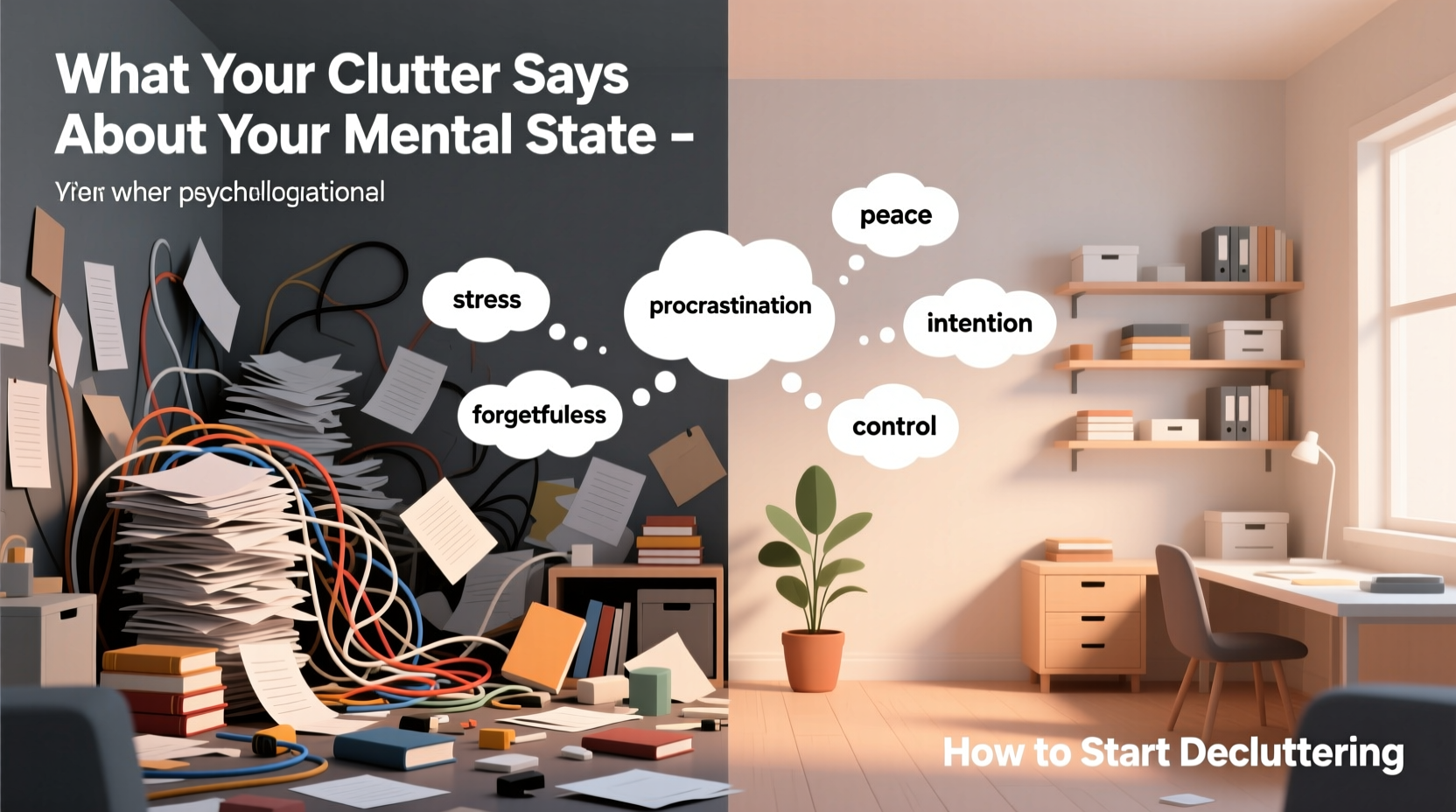
Psychologists have long studied the link between environment and emotional health. Cluttered spaces are frequently associated with increased cortisol levels—the hormone tied to stress. When visual stimuli overwhelm the brain, focus diminishes, decision-making falters, and motivation drops. A 2019 study from UCLA’s Center on Everyday Lives of Families found that women who described their homes as cluttered had higher cortisol levels throughout the day, especially in the evening.
But clutter isn’t merely about messiness. It often stems from emotional attachments, fear of loss, or avoidance behaviors. Some people hoard items as a form of security, believing that letting go means losing part of their identity. Others accumulate things to fill emotional voids—shopping after a breakup, saving gifts out of obligation, or keeping mementos they no longer cherish but can’t bear to discard.
“Clutter is not just stuff. It’s frozen decisions, unprocessed emotions, and deferred choices.” — Dr. Sherrie Bourg Carter, psychologist and author of *High Performance Habits*
What Your Clutter Reveals About You
Different types of clutter point to different psychological patterns. Understanding these can help you address root causes rather than just symptoms.
- Papers and bills piled high: Often linked to anxiety about finances, fear of making decisions, or procrastination. This kind of clutter suggests avoidance and mental overload.
- Clothes you never wear: May reflect identity confusion, nostalgia, or low self-worth. Holding onto outfits from a past self can indicate difficulty accepting personal growth.
- Unopened gifts or unused items: Can stem from guilt, obligation, or perfectionism. People keep these because discarding them feels like rejecting relationships or admitting failure.
- Kitchen clutter (expired food, duplicate gadgets): Often signals rushed routines, lack of planning, or emotional eating habits. It may also reflect a desire for control that hasn’t been translated into action.
- Digital clutter (emails, files, apps): Mirrors cognitive overload. An overcrowded inbox or desktop suggests difficulty prioritizing and managing attention.
Decluttering as Emotional Recovery
True decluttering isn’t about minimalism for its own sake—it’s about reclaiming agency over your environment and mind. Each object released can represent a decision made, a memory processed, or a boundary set. The process often surfaces buried emotions: sadness over lost relationships, regret about wasted time, or grief for missed opportunities.
This is why many people stall mid-declutter. They’re not lazy—they’re emotionally stuck. The key is to treat decluttering as therapy in motion. Allow space for feelings without letting them paralyze progress. For instance, taking photos of sentimental items before donating them can preserve memories without keeping physical clutter.
A Mini Case Study: Sarah’s Kitchen Transformation
Sarah, a 42-year-old teacher, struggled with chronic fatigue and indecision. Her kitchen was packed with mismatched containers, expired spices, and three blenders she’d never used. She felt ashamed every time she cooked. During a coaching session, she realized the clutter mirrored her fear of imperfection—she avoided cooking because she believed meals had to be “just right.” Letting go of excess tools symbolized permission to make mistakes. Within weeks of clearing her kitchen, she reported better sleep, more energy, and even started hosting dinner parties again.
A Step-by-Step Guide to Begin Decluttering
Starting small prevents burnout and builds momentum. Follow this six-step approach to create lasting change.
- Choose one zone: Pick a manageable area—a drawer, shelf, or corner. Avoid starting with emotionally charged spaces like photo albums or childhood keepsakes.
- Set a timer for 20 minutes: Work in short bursts to prevent overwhelm. Use a phone timer or kitchen clock to stay focused.
- Sort into four categories: Keep, Donate, Trash, Undecided. Be ruthless with duplicates and broken items. Place “Undecided” in a box with a date label—review in 30 days.
- Ask key questions:
- Have I used this in the last year?
- Does it bring me joy or serve a purpose?
- Would I buy this again today?
- Dispose immediately: Take donations to your car or schedule a pickup. Throw away trash the same day. Delay leads to re-cluttering.
- Repeat regularly: Schedule weekly 20-minute sessions. Progress compounds over time.
Do’s and Don’ts of Healthy Decluttering
| Do’s | Don’ts |
|---|---|
| Start small and celebrate progress | Try to declutter your entire house in one weekend |
| Involve family members respectfully | Force others to discard what they’re not ready to release |
| Use storage solutions only after sorting | Buy bins and organizers before clearing space |
| Take breaks when overwhelmed | Push through emotional resistance without pause |
| Donate usable items promptly | Let “donate” piles sit for months |
Building Sustainable Habits
Maintaining a clutter-free space requires new routines. Without habit change, old patterns return quickly. Consider these strategies:
- The One-In, One-Out Rule: For every new item brought home, remove an old one. Applies to clothes, books, electronics—anything.
- Daily Reset: Spend five minutes each evening returning items to their designated places. Prevents accumulation.
- Monthly Check-Ins: Review one category per month—bathroom products, digital files, pantry goods—to catch buildup early.
- Create Decision Zones: Designate a spot near the door for outgoing donations, returns, or repairs. Reduces mental load.
“Your environment teaches you how to behave. A calm space encourages calm behavior. A chaotic space invites distraction.” — Gretchen Rubin, author of *The Happiness Project*
FAQ
How do I know if my clutter is a sign of a deeper issue?
If clutter interferes with daily functioning—blocking exits, attracting pests, or causing shame—you may benefit from professional support. Chronic hoarding disorder affects about 2–6% of the population and often coexists with anxiety, depression, or ADHD. A licensed therapist can help uncover underlying causes and develop coping strategies.
What should I do with sentimental items?
Keep only what truly resonates. Digitize photos, frame meaningful objects, or create a single memory box with strict size limits. Ask: “If this were damaged, would I genuinely miss it?” If not, it’s likely symbolic weight, not real value.
Is it okay to keep things ‘just in case’?
Rarely. Most “just in case” items never get used. Exceptions include emergency supplies or legal documents. For everything else, consider accessibility: if you need it later, you can usually borrow, rent, or repurchase more easily than you imagine.
Decluttering Checklist
Use this checklist to track progress across key areas:
- ☐ Clear one surface (coffee table, countertop, desk)
- ☐ Empty and sort one drawer or closet shelf
- ☐ Discard expired food, medicine, or cosmetics
- ☐ Unsubscribe from 10 unnecessary emails
- ☐ Take a photo of a sentimental item before releasing it
- ☐ Deliver donated items within 48 hours
- ☐ Set up a daily 5-minute tidy-up routine
- ☐ Identify one emotional reason behind holding onto clutter
Conclusion: Reclaim Your Space, Reclaim Your Mind
Your surroundings shape your thoughts more than you realize. Clutter doesn’t just occupy space—it consumes mental energy, drains motivation, and amplifies stress. But every item you release is a vote for clarity, intention, and peace. Decluttering isn’t about perfection; it’s about alignment. It’s choosing to live in a space that supports who you are now, not who you once were or who you think you should be.
You don’t need to transform everything overnight. Start where you are. Pick one drawer. Set a timer. Make one decision. That small act creates ripple effects—clearer thinking, lighter emotions, renewed control. The path to mental wellness often begins not with grand gestures, but with quiet moments of letting go.




 浙公网安备
33010002000092号
浙公网安备
33010002000092号 浙B2-20120091-4
Comments
No comments yet. Why don't you start the discussion?