
Dog breeding is a serious responsibility that requires careful planning, ethical judgment, and deep knowledge of canine biology and behavior. One of the most critical decisions breeders face is determining the optimal age to begin breeding their dogs. Breeding too early or too late can lead to health complications, reduced litter viability, and behavioral issues in both parents and puppies. Understanding the best age for dog breeding ensures not only the well-being of the animals but also the integrity of the bloodline.
Understanding Canine Sexual Maturity vs. Physical Maturity
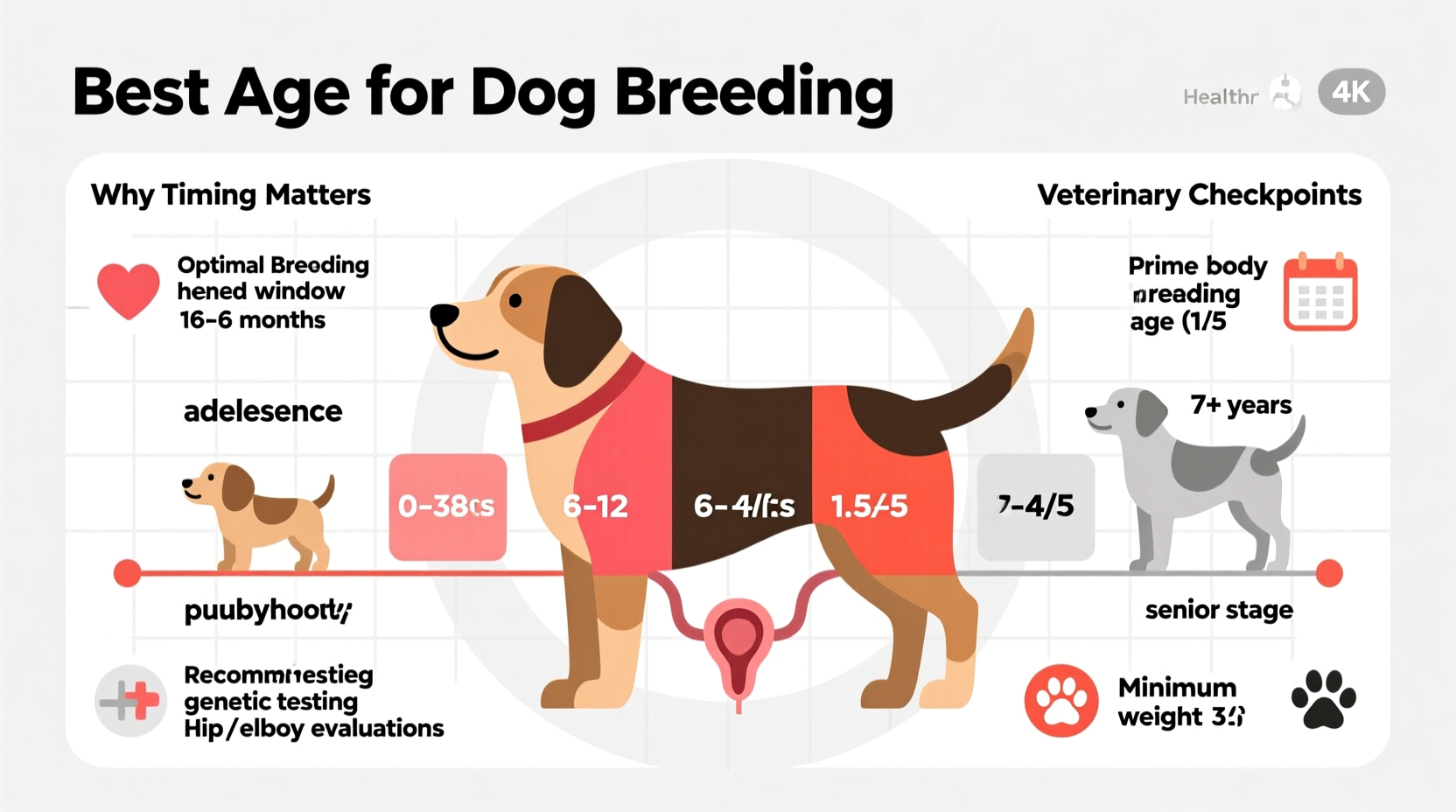
Many new breeders confuse sexual maturity with physical and mental readiness for breeding. Female dogs typically experience their first heat cycle between 6 and 15 months of age, depending on breed size. Smaller breeds tend to mature earlier, while larger and giant breeds may not have their first heat until 18–24 months. Males may show interest in females as early as 6 months, but this does not mean they are ready for responsible breeding.
Sexual maturity allows reproduction, but physical maturity—when the dog has fully developed bones, organs, and temperament—is essential for healthy breeding outcomes. Breeding a dog before it reaches full physical maturity increases risks such as dystocia (difficulty giving birth), poor milk production, and developmental issues in offspring.
“Breeding should never be based solely on age. Health, temperament, and genetic screening must come first.” — Dr. Laura Hernandez, DVM, Canine Reproductive Specialist
Recommended Breeding Ages by Gender
The ideal breeding window varies between male and female dogs due to biological differences.
Female Dogs: The First and Last Litter
Females should not be bred during their first heat. Most experts recommend waiting until at least the second or third heat cycle, which usually occurs when the dog is 18–24 months old. This delay allows time for health screenings like hip and elbow evaluations, cardiac exams, and eye certifications, especially important in purebred lines.
Breeding too frequently also poses risks. Responsible breeders allow at least one full cycle of rest between litters and typically retire females from breeding by age 6–7, depending on health and litter history.
Male Dogs: Fertility and Longevity
Males generally reach reproductive capability earlier than females but should still not be used for breeding before 12–15 months. For large and giant breeds, waiting until 18–24 months is advised to ensure full development. Unlike females, males can remain fertile into old age, but breeding after age 10 is discouraged unless exceptional health and genetic quality are confirmed.
| Gender | Earliest Recommended Age | Optimal Range | Retirement Age |
|---|---|---|---|
| Female | 18 months | 2–5 years | 6–7 years |
| Male | 12–15 months | 2–8 years | 8–10 years |
Health and Genetic Screening: A Non-Negotiable Step
No dog should be bred without comprehensive health testing. These tests help prevent passing hereditary conditions such as hip dysplasia, progressive retinal atrophy (PRA), von Willebrand’s disease, and heart disorders. Breed-specific panels vary, so consult with a veterinarian familiar with your dog’s lineage.
For example, Labrador Retrievers should be tested for Exercise-Induced Collapse (EIC) and PRA-prcd, while Doberman Pinschers require evaluation for von Willebrand’s Disease and Dilated Cardiomyopathy (DCM).
Essential Pre-Breeding Tests Include:
- Hip and elbow evaluations (OFA or PennHIP)
- Cardiac exams (auscultation and echocardiogram if needed)
- Ophthalmologist-certified eye exams (CAER)
- Breed-specific DNA tests
- Brucellosis testing (required before every breeding season)
Step-by-Step Guide to Responsible Breeding Timing
Planning a breeding involves more than just timing the heat cycle. Follow this timeline to ensure ethical and safe practices:
- 6–12 Months: Begin tracking the female’s heat cycles. Note duration and signs (swelling, bleeding, behavioral changes).
- 12–18 Months: Conduct initial health screenings. For males, evaluate semen quality if planning early stud use.
- 18–24 Months: Complete all genetic and structural health clearances. Confirm both dogs are physically and behaviorally sound.
- Before Breeding: Schedule a veterinary check-up. Perform vaginal cytology or progesterone testing to pinpoint ovulation.
- After Whelping: Allow the female at least 4–6 months to recover before considering another litter. Monitor her weight, coat, and energy levels.
- Throughout: Maintain detailed records of cycles, breedings, health results, and puppy development.
Mini Case Study: Responsible Breeding in Practice
Sarah owns a purebred German Shepherd named Luna. Though Luna had her first heat at 9 months, Sarah waited until she was 22 months old to consider breeding. During that time, she completed OFA hip and elbow certifications, a CAER eye exam, and DNA tests for degenerative myelopathy and PRA. Luna’s hips were rated “Excellent,” and all genetic tests came back clear.
Sarah then matched Luna with a proven stud whose lineage showed consistent temperament and working ability. Using progesterone testing, they timed the breeding precisely during Luna’s fertile window. She delivered a healthy litter of eight puppies at 63 days. After weaning, Sarah gave Luna a full year off before deciding whether to breed again—prioritizing her long-term health over frequency.
This approach minimized risk, ensured genetic integrity, and produced high-quality puppies sought after by working dog programs.
Common Mistakes to Avoid
Even well-intentioned breeders can make errors that compromise animal welfare and breeding success:
- Chasing profit over purpose: Breeding every heat cycle exhausts the female and lowers puppy quality.
- Ignoring temperament: Aggressive or overly fearful dogs should not be bred, regardless of pedigree.
- Skipping health tests: Assuming a dog is “healthy” because it looks fine is irresponsible and dangerous.
- Breeding seniors: Older dogs have higher risks of stillbirths, complications, and weaker immune systems in puppies.
Frequently Asked Questions
Can I breed my dog on her first heat?
No. Breeding during the first heat is strongly discouraged. The dog is not physically mature, and her body may not handle pregnancy safely. Additionally, temperament and health clearances are typically incomplete at this stage.
How many times can a dog be bred in her lifetime?
Most ethical breeders limit a female to 3–4 litters total, spaced appropriately. Overbreeding leads to uterine inertia, mastitis, and shortened lifespan. The focus should be on quality, not quantity.
Do male dogs need health testing too?
Absolutely. While males don’t carry the physical burden of pregnancy, they contribute 50% of the genetics. Untested males can spread serious inherited diseases just as easily as females.
Conclusion: Breeding with Purpose and Care
Determining the best age for dog breeding goes beyond simple timelines. It demands a commitment to health, temperament, and long-term welfare. The goal should never be convenience or profit, but rather the improvement and preservation of the breed through informed, ethical choices.
If you're considering breeding, ask yourself: Is my dog physically mature? Are all health clearances complete? Does my dog exhibit stable, desirable traits worth passing on? If the answer isn't a confident yes, wait. The extra months invested in preparation can lead to healthier dogs, stronger bloodlines, and a more sustainable future for canine companionship.




 浙公网安备
33010002000092号
浙公网安备
33010002000092号 浙B2-20120091-4
Comments
No comments yet. Why don't you start the discussion?