
The Netflix original series 13 Reasons Why became one of the most talked-about teen dramas of the 2010s. Based on Jay Asher’s 2007 novel of the same name, the show sparked widespread debate due to its unflinching portrayal of mental health, suicide, bullying, and sexual assault. From its initial release to its final season, the series left a lasting mark on both audiences and public discourse. This comprehensive overview covers the release dates, production background, major plot points, critical reception, and cultural significance of 13 Reasons Why.
Release Timeline and Seasonal Breakdown
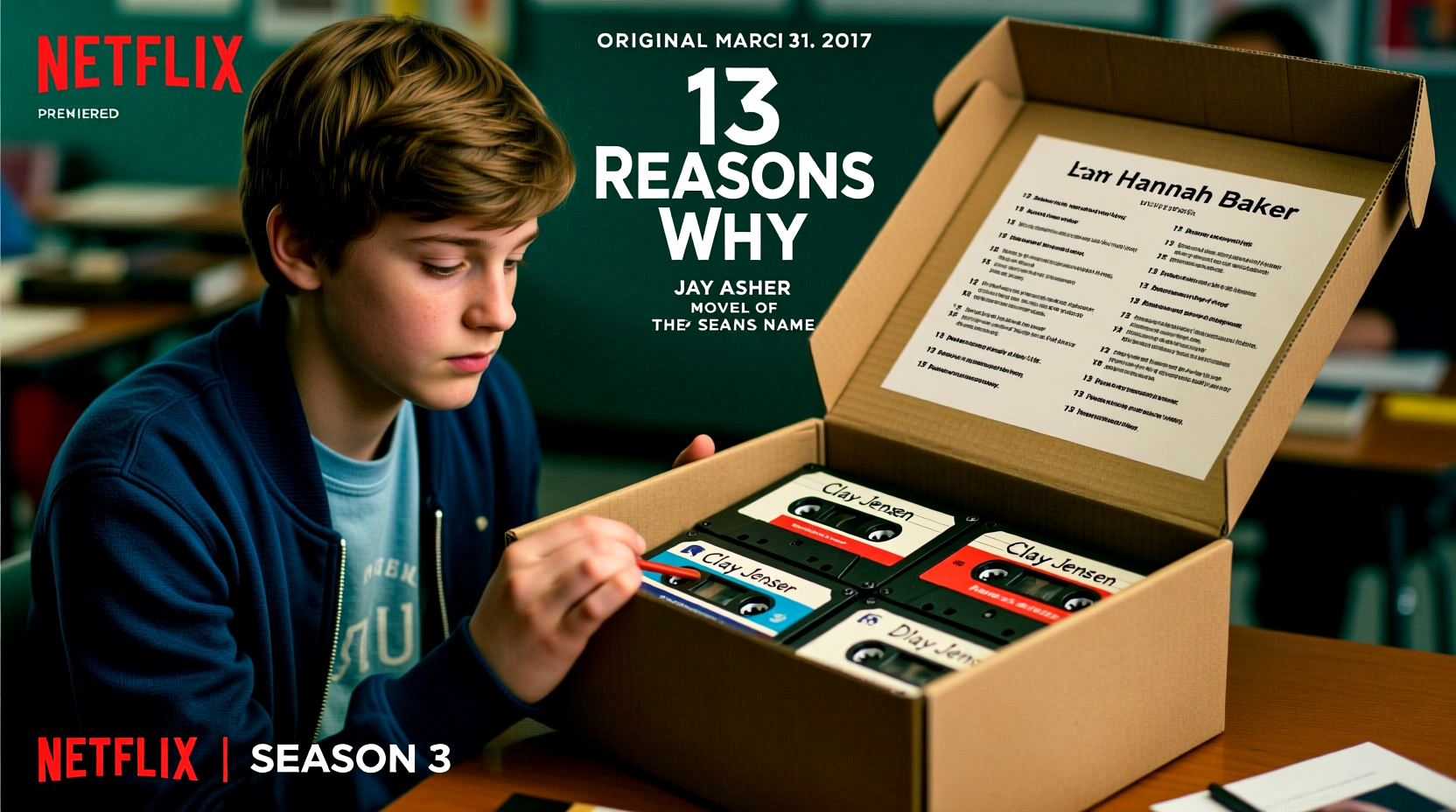
The series premiered on March 31, 2017, with all episodes of Season 1 released simultaneously on Netflix. Over the next four years, three additional seasons followed, each escalating in narrative complexity and controversy.
- Season 1: Released March 31, 2017 — Introduces Clay Jensen and the cassette tapes left by Hannah Baker explaining the 13 reasons leading to her suicide.
- Season 2: Released May 18, 2018 — Focuses on the aftermath of Hannah’s death, the trial against Liberty High School, and the psychological toll on survivors.
- Season 3: Released August 23, 2019 — Shifts toward crime drama, following the investigation into Bryce Walker’s murder.
- Season 4: Released June 5, 2020 — Concludes the story with a focus on senior year, emotional closure, and a final mystery surrounding a potential school shooting.
Each season consisted of 13 episodes, maintaining thematic symmetry with the title. The final episode, titled “Bye,” marked the end of the series as a planned conclusion, not a cancellation.
Plot Summary and Character Development
The story centers on Clay Jensen, a high school student who receives a set of seven double-sided cassette tapes recorded by his classmate and crush, Hannah Baker, shortly before her death by suicide. Each side details one person who contributed to her decision, culminating in a powerful exploration of guilt, responsibility, and the ripple effects of actions.
Hannah is portrayed not just as a victim but as a complex teenager grappling with isolation, betrayal, and trauma. As the series progresses, other characters—like Jessica Davis, Justin Foley, Alex Standall, and Tony Padilla—receive deeper backstories, revealing their own struggles with identity, abuse, and redemption.
While Season 1 closely follows the novel, subsequent seasons expand beyond the source material, introducing new conflicts such as sexual assault cover-ups, drug addiction, police corruption, and systemic failures in the education system. This shift transformed the show from a psychological drama into a broader social commentary.
Critical Reception and Controversy
13 Reasons Why received mixed reviews from critics. While praised for its cinematography, performances (particularly by Katherine Langford as Hannah and Dylan Minnette as Clay), and willingness to address taboo subjects, it faced intense scrutiny over its graphic depiction of suicide in the Season 1 finale.
Mental health professionals raised alarms. The American Foundation for Suicide Prevention issued a statement warning that the scene could trigger vulnerable viewers. Studies published in journals like The Lancet Psychiatry suggested a correlation between the show’s release and increased youth suicide rates in the months that followed.
“Media portrayals of suicide can have a contagion effect, especially when they depict the act in detail without sufficient context or resources.” — Dr. Christine Moutier, Chief Medical Officer, AFSP
In response to backlash, Netflix added viewer discretion warnings and partnered with mental health organizations to provide resources. Later seasons revised their approach, removing explicit depictions of self-harm and including hotline information during credits.
| Season | Release Date | Episodes | Key Themes |
|---|---|---|---|
| 1 | March 31, 2017 | 13 | Suicide, bullying, consent, isolation |
| 2 | May 18, 2018 | 13 | Trauma, justice, grief, media influence |
| 3 | August 23, 2019 | 13 | Revenge, moral ambiguity, institutional failure |
| 4 | June 5, 2020 | 13 | Redemption, closure, gun violence, friendship |
Production Background and Creative Team
The series was developed by Brian Yorkey, best known for the Pulitzer Prize-winning musical Next to Normal. His background in mental health storytelling influenced the show’s emotional depth. Selena Gomez served as executive producer, inspired by her personal connection to the novel’s themes. She has spoken openly about her own struggles with anxiety and depression, emphasizing the importance of starting conversations around youth mental health.
Filming took place primarily in Northern California, with San Rafael and nearby towns standing in for the fictional Crestmont, Colorado. The visual style—moody lighting, surreal dream sequences, and symbolic imagery—became a hallmark of the show’s tone.
Despite its popularity, the series lost lead actress Katherine Langford after Season 1, whose character was killed off but continued to appear in flashbacks and visions. Her absence was felt, but the show pivoted to ensemble storytelling, giving more screen time to characters like Zach Dempsey and Ani Achola, introduced in later seasons.
Viewer Impact and Cultural Legacy
13 Reasons Why undeniably changed how streaming platforms handle sensitive content. Its success demonstrated the demand for emotionally intense teen dramas, paving the way for shows like Euphoria and Never Have I Ever. However, it also forced studios to reconsider ethical storytelling practices.
Schools and counselors reported an increase in students discussing mental health after watching the show. Some educators used it as a discussion tool—though cautiously, often pairing it with guided dialogue and professional resources.
Mini Case Study: Classroom Dialogue Initiative
In 2018, a high school in Portland, Oregon, launched a pilot program where select classes watched edited clips from Season 1 followed by structured discussions led by trained counselors. Students were encouraged to reflect on empathy, bystander intervention, and communication. Over 70% of participants reported feeling more comfortable talking about mental health afterward. The program was later adapted into a district-wide resource guide.
FAQ Section
Is 13 Reasons Why based on a true story?
No, the series is based on a work of fiction—a novel by Jay Asher published in 2007. However, the themes reflect real-world issues faced by many teenagers, including cyberbullying, sexual assault, and depression.
Why did Netflix add content warnings?
Due to public health concerns and feedback from mental health experts, Netflix added strong viewer advisories before episodes containing traumatic content. These warnings direct viewers to crisis resources and encourage breaks if needed.
Can I watch 13 Reasons Why with my teenager?
It depends on maturity level and sensitivity. Common Sense Media recommends the show for ages 17+. If watching together, use it as an opportunity to discuss tough topics, emphasize help-seeking behaviors, and reinforce available support systems.
Actionable Viewing Checklist
- ✅ Assess the viewer’s emotional readiness before starting.
- ✅ Enable subtitles and content warnings on Netflix.
- ✅ Keep a list of crisis resources handy (e.g., National Suicide Prevention Lifeline: 988).
- ✅ Pause after intense episodes to process emotions.
- ✅ Encourage open conversation about what was seen.
- ✅ Avoid binge-watching; allow time for reflection between episodes.
Conclusion: A Series That Sparked Conversation
13 Reasons Why may be finished, but its impact endures. It challenged entertainment norms by placing uncomfortable truths at the forefront of teen storytelling. While its methods were debated, its intent—to foster empathy and awareness—resonated with millions.
Whether you're revisiting the series or exploring it for the first time, remember that stories like these are most valuable when they lead to real-world action. Talk to someone. Listen without judgment. Share resources. And if you’re struggling, know that reaching out is not weakness—it’s courage.




 浙公网安备
33010002000092号
浙公网安备
33010002000092号 浙B2-20120091-4
Comments
No comments yet. Why don't you start the discussion?