
Condoms are one of the most accessible and effective tools for preventing sexually transmitted infections (STIs) and unintended pregnancies. But even the highest-quality condom can fail if stored improperly. Heat, friction, light, and sharp objects can compromise latex and polyurethane, leading to breakage or reduced effectiveness. Knowing where to store condoms isn’t just about convenience—it’s a critical part of sexual health. The ideal storage location balances discretion, accessibility, and protection from environmental damage. This guide explores practical, science-backed strategies for keeping condoms safe and ready when you need them most.
Why Proper Condom Storage Matters
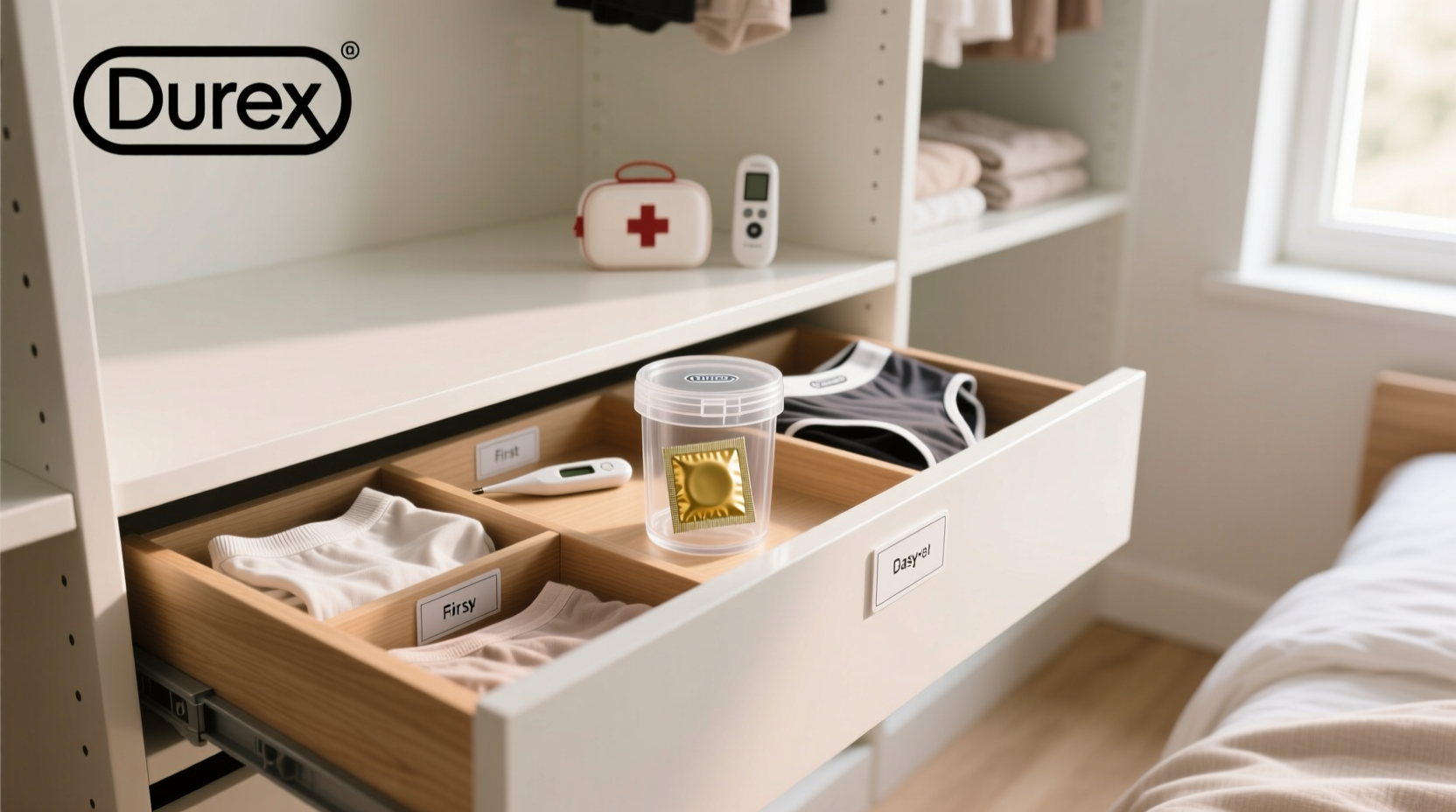
Latex and synthetic condoms degrade under certain conditions. Exposure to heat above 86°F (30°C), direct sunlight, humidity, and pressure can weaken the material. A study by the International Journal of STD & AIDS found that improper storage significantly increases the risk of condom breakage during use. Common mistakes include leaving condoms in wallets for weeks, tossing them into hot car glove compartments, or storing them near sharp objects like keys or pens.
The U.S. Food and Drug Administration (FDA) recommends storing condoms in a cool, dry place away from direct light and extreme temperatures. Shelf life varies by brand but typically ranges from three to five years. However, poor storage can shorten this lifespan dramatically—even unexpired condoms may fail if compromised by environmental stressors.
“Proper storage is as important as correct usage. A condom that’s been crushed in a pocket or baked in a car may look fine but could be microscopically weakened.” — Dr. Lena Patel, Sexual Health Educator and Public Health Advocate
Top Safe Storage Locations (And Why They Work)
Choosing the right spot depends on your lifestyle, privacy needs, and frequency of use. Below are the most reliable options, ranked by safety, accessibility, and discretion.
| Location | Pros | Cons |
|---|---|---|
| Bedside drawer (inside a fabric pouch) | Cool, dark, easily accessible; avoids friction and crushing | May not be private in shared bedrooms |
| Purse or bag (dedicated inner pocket) | Portable, discreet, always with you | Avoid leather bags or pockets near sharp items; check temperature exposure |
| Dresser drawer (away from windows) | Stable temperature, low light, good airflow | Less convenient during spontaneous moments |
| Medicine cabinet (in bedroom or bathroom) | Often dry and enclosed | Bathrooms can become humid; avoid cabinets near showers |
| Car glove compartment (only short-term) | Easily forgotten but occasionally useful | Temperatures can exceed 150°F in summer—never long-term |
Places You Should Never Store Condoms
Some common storage spots seem logical but pose serious risks to condom integrity. Avoid these at all costs:
- Wallets: Constant bending, body heat, and friction degrade latex over time. Even a week in a back pocket can reduce effectiveness.
- Car interiors: On a sunny day, a parked car can reach internal temperatures over 140°F—enough to melt adhesive and weaken materials.
- Bathroom countertops: Humidity from showers promotes bacterial growth and weakens packaging seals.
- Near windows or radiators: Direct sunlight and heat accelerate oxidation, making condoms brittle.
- Pockets (especially jeans): Sharp edges from keys or coins can puncture foil wrappers unnoticed.
Real-Life Example: The Wallet Myth
Mark, a 28-year-old teacher, kept a condom in his wallet for “just in case” moments. Six weeks later, during an intimate encounter, the condom broke immediately upon unrolling. He assumed it was user error—until he inspected the wrapper and noticed tiny cracks in the foil. A pharmacist explained that constant pressure and body heat had likely compromised the latex. After switching to a small fabric condom case in his backpack, Mark reported no further issues. His experience underscores why “always on hand” doesn’t mean “always safe.”
Step-by-Step: Creating Your Ideal Condom Access System
Follow this sequence to ensure your condoms remain effective and available when needed:
- Inventory Check: Review all current condom supplies. Discard any expired, damaged, or questionable ones.
- Select Primary Location: Choose one main spot—like a bedside drawer or purse compartment—based on your routine.
- Add a Backup Spot: Place a few extras in a secondary location (e.g., gym bag or office desk) for spontaneity.
- Use Protective Cases: Invest in a slim, rigid condom carrier to prevent crushing in bags or pockets.
- Schedule Rotation: Mark your calendar every six months to inspect and refresh stored condoms.
- Practice Accessibility: Ensure your chosen spot allows quick retrieval without fumbling—especially in low-light settings.
Checklist: Condom Storage Best Practices
- ✅ Store in a cool, dry, dark place
- ✅ Keep away from sharp or heavy objects
- ✅ Avoid heat sources (radiators, cars, direct sun)
- ✅ Use a dedicated pouch or case for portability
- ✅ Check expiration dates monthly
- ✅ Replace condoms stored in high-risk areas every 3 months
- ✅ Never open the foil until ready to use
Frequently Asked Questions
Can I carry a condom in my phone case?
Some phone cases have built-in condom slots, but caution is advised. If your phone heats up during use or charging, the condom may be exposed to damaging temperatures. Only use this method for short durations and replace the condom weekly.
What if I only have a condom from my car? Is it still safe?
If the car has been parked in hot weather for more than a few hours, assume the condom is compromised. Look for signs: brittleness, stickiness, or unusual odor. When in doubt, don’t use it. Always have a backup supply elsewhere.
Are there travel-friendly condom containers?
Yes. Rigid plastic or metal condom cases protect against crushing and are TSA-safe. Pair them with individually wrapped condoms and store in a climate-controlled area of your luggage—not the outer pockets exposed to sun or baggage heat.
Final Thoughts: Safety, Respect, and Responsibility
Having condoms readily available reflects responsibility—to yourself and your partner. But readiness means more than just physical access; it requires ensuring that each condom is in optimal condition. Thoughtful storage protects both health and intimacy. Whether you live alone, share a home, or travel frequently, designing a smart, sustainable system takes only minutes but pays off in confidence and safety.
Sexual wellness isn’t just about using protection—it’s about using it correctly, consistently, and confidently. By choosing the right storage strategy, you remove one more barrier to safer sex.




 浙公网安备
33010002000092号
浙公网安备
33010002000092号 浙B2-20120091-4
Comments
No comments yet. Why don't you start the discussion?