
Creating a garden that welcomes hummingbirds is more than just hanging a colorful feeder. It’s about thoughtful placement, environmental harmony, and long-term safety for these delicate pollinators. Hummingbirds are drawn not only to nectar but to spaces where they feel protected from predators and extreme weather. The right location can transform your outdoor space into a thriving haven, supporting both bird activity and native plant health.
Many gardeners make the mistake of placing feeders too close to windows or in full sun, unknowingly creating hazards. Others cluster multiple feeders too closely, leading to territorial aggression. The ideal spot balances visibility, accessibility, and security—offering peace of mind for both birds and observers.
Understanding Hummingbird Behavior
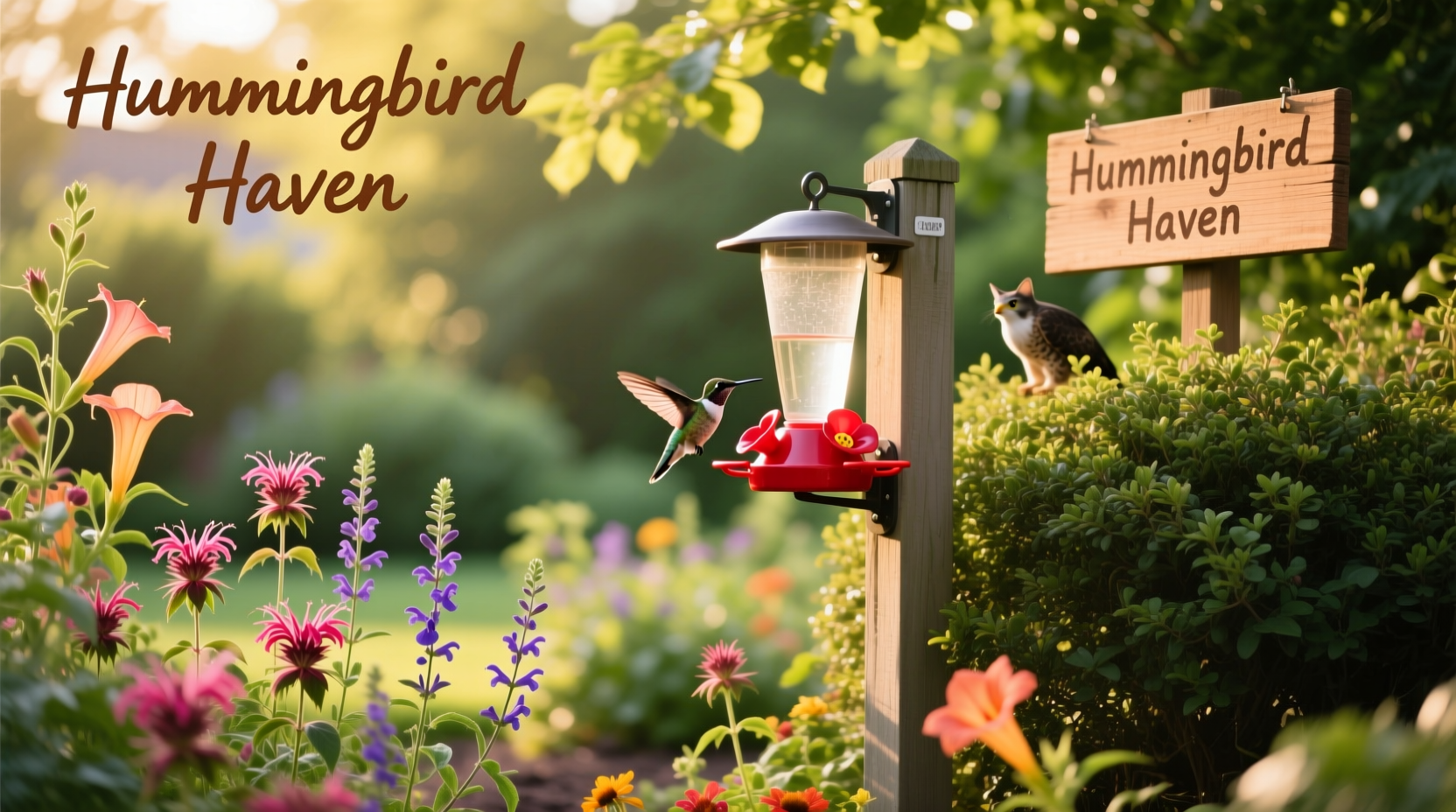
Before deciding on a location, it helps to understand how hummingbirds interact with their environment. These birds have high metabolisms and may visit feeders every 10 to 15 minutes during peak daylight hours. They rely on quick bursts of energy and need safe perching spots nearby to rest between feeding.
Hummingbirds are also highly territorial, especially males. A single dominant bird may guard a feeder aggressively, chasing away others. Strategic spacing and natural cover help reduce conflict and allow multiple birds to feed peacefully.
They prefer environments with a mix of sunlight and shade. While they’re attracted to bright colors and open spaces, they avoid areas without escape routes or protective foliage. This instinctual behavior makes placement critical—not just for attracting birds, but for keeping them safe.
Key Placement Guidelines for Safety and Accessibility
The best location for a hummingbird feeder strikes a balance between human enjoyment and avian well-being. Consider these five essential factors when choosing where to hang your feeder:
- Distance from Windows (3–10 feet): Too close, and birds risk window strikes; too far, and you lose viewing pleasure. The ideal range minimizes reflection confusion while allowing clear observation.
- Partial Shade: Direct sunlight can cause nectar to spoil within hours. Positioning the feeder under dappled tree cover or on an east-facing porch keeps nectar fresh longer.
- Elevation (5–7 feet high): At this height, feeders are out of reach of most ground predators like cats and raccoons, yet low enough for easy cleaning and refilling.
- Near Native Blooms: Planting trumpet vine, bee balm, or salvia near the feeder creates a natural extension of food sources, encouraging longer visits.
- Away from High-Traffic Areas: Avoid placing feeders directly beside patios or walkways where sudden movements might scare birds.
Why Height and Cover Matter
Elevating the feeder prevents access by curious pets and reduces contamination from dirt and debris. Simultaneously, nearby branches or small trees provide resting spots—hummingbirds don’t perch at feeders for long, but they do need places to hover-watch before approaching.
“Hummingbirds thrive in landscapes that offer layered habitats—nectar sources, shelter, and vantage points. A well-placed feeder integrates seamlessly into this ecosystem.” — Dr. Lila Chen, Avian Ecologist, Cornell Lab of Ornithology
Do’s and Don’ts of Feeder Placement
| Do’s | Don’ts |
|---|---|
| Place feeder near flowering plants that bloom at different times | Hang feeder in direct afternoon sun |
| Use multiple feeders spaced at least 10–15 feet apart | Cluster feeders together in one spot |
| Position feeder where it’s visible from a favorite window or seat | Mount feeder higher than eye level without a stable ladder |
| Clean and refill every 2–3 days in hot weather | Leave old nectar in the feeder for over a week |
| Add a shallow birdbath nearby for drinking and bathing | Use honey, artificial sweeteners, or red dye in nectar |
Step-by-Step Guide to Installing Your Feeder
Follow this practical sequence to ensure optimal placement and ongoing success:
- Survey your yard at different times of day to identify shaded zones and predator pathways.
- Select 2–3 potential spots that meet the criteria: partial shade, near native flowers, and proximity to cover.
- Test each location temporarily using a removable hook or shepherd’s hook for 2–3 days.
- Observe bird activity and behavior—note if birds approach, feed calmly, or seem hesitant.
- Choose the most frequented, stress-free spot and install a sturdy mounting system (e.g., pole, bracket).
- Introduce native plants around the area to enhance habitat value and reduce reliance on artificial feeders.
- Establish a maintenance schedule for cleaning, refilling, and seasonal adjustments.
Real Example: Transforming a Suburban Backyard
Sarah Thompson, a gardener in Asheville, North Carolina, struggled for years to attract hummingbirds despite having several feeders. She initially placed them near her kitchen window, but birds rarely stayed. After researching bird behavior, she moved one feeder to a quiet corner beneath a redbud tree, added bee balm and cardinal flower beds, and installed a second feeder 12 feet away on the opposite side of the deck.
Within two weeks, ruby-throated hummingbirds returned consistently. By late summer, she observed up to six individuals visiting daily. “The change wasn’t in the feeder quality,” she said, “but in giving them space, shade, and places to hide. Now my garden feels alive.”
Checklist: Is Your Feeder Location Optimal?
- ✅ Positioned 5–7 feet above ground
- ✅ Within 10 feet of shrubs or trees for cover
- ✅ Receiving morning sun and afternoon shade
- ✅ Located 3–10 feet from windows to prevent collisions
- ✅ At least 10–15 feet from other feeders to reduce aggression
- ✅ Visible from a comfortable viewing area (porch, window, bench)
- ✅ Near native, nectar-rich flowering plants
- ✅ Away from pet roaming zones and heavy foot traffic
- ✅ Easy to access for regular cleaning and refilling
- ✅ Equipped with a drip-proof design or ant moat if needed
Frequently Asked Questions
How often should I move my hummingbird feeder?
Once you’ve found an effective location, avoid frequent moves. Hummingbirds establish feeding routes and may stop visiting if the feeder disappears regularly. Only relocate it if you notice persistent issues like spoilage, predation, or lack of use.
Can I hang a feeder from a tree branch?
Yes, but ensure the branch is strong and the feeder is stable. Swinging or spinning can discourage birds. Use a flexible wire or coated hanger to reduce movement, and check that squirrels or rain won’t easily contaminate the nectar.
Should I bring the feeder in at night?
No need. Hummingbirds are diurnal and return to roost at dusk. However, in areas with raccoons or opossums, consider a detachable pole or nighttime removal if theft or contamination occurs.
Conclusion: Cultivating a Living Garden Sanctuary
The best place for a hummingbird feeder isn’t just about convenience—it’s about coexistence. When thoughtfully positioned, a feeder becomes part of a larger ecological story, connecting pollinators, plants, and people in a shared rhythm of life. Safety, sustainability, and serenity go hand in hand in a truly vibrant garden.
Start today by evaluating your current setup. Adjust one variable at a time—shade, height, or proximity to cover—and observe the changes. Over time, you’ll refine a space that doesn’t just attract hummingbirds, but nurtures them. As their numbers face decline due to habitat loss, every well-placed feeder contributes to conservation in your own backyard.




 浙公网安备
33010002000092号
浙公网安备
33010002000092号 浙B2-20120091-4
Comments
No comments yet. Why don't you start the discussion?