
Miami is more than just sun and sand—it’s a mosaic of cultures, neighborhoods, and lifestyles that offer something unique for every traveler. Choosing where to stay can dramatically shape your experience, from the energy of South Beach to the quiet elegance of Coral Gables. The right location aligns with your priorities: proximity to attractions, access to public transit, dining options, safety, and budget. With so many distinct districts, knowing which area suits your travel style is key to unlocking the full potential of your Miami trip.
Understanding Miami’s Neighborhoods at a Glance
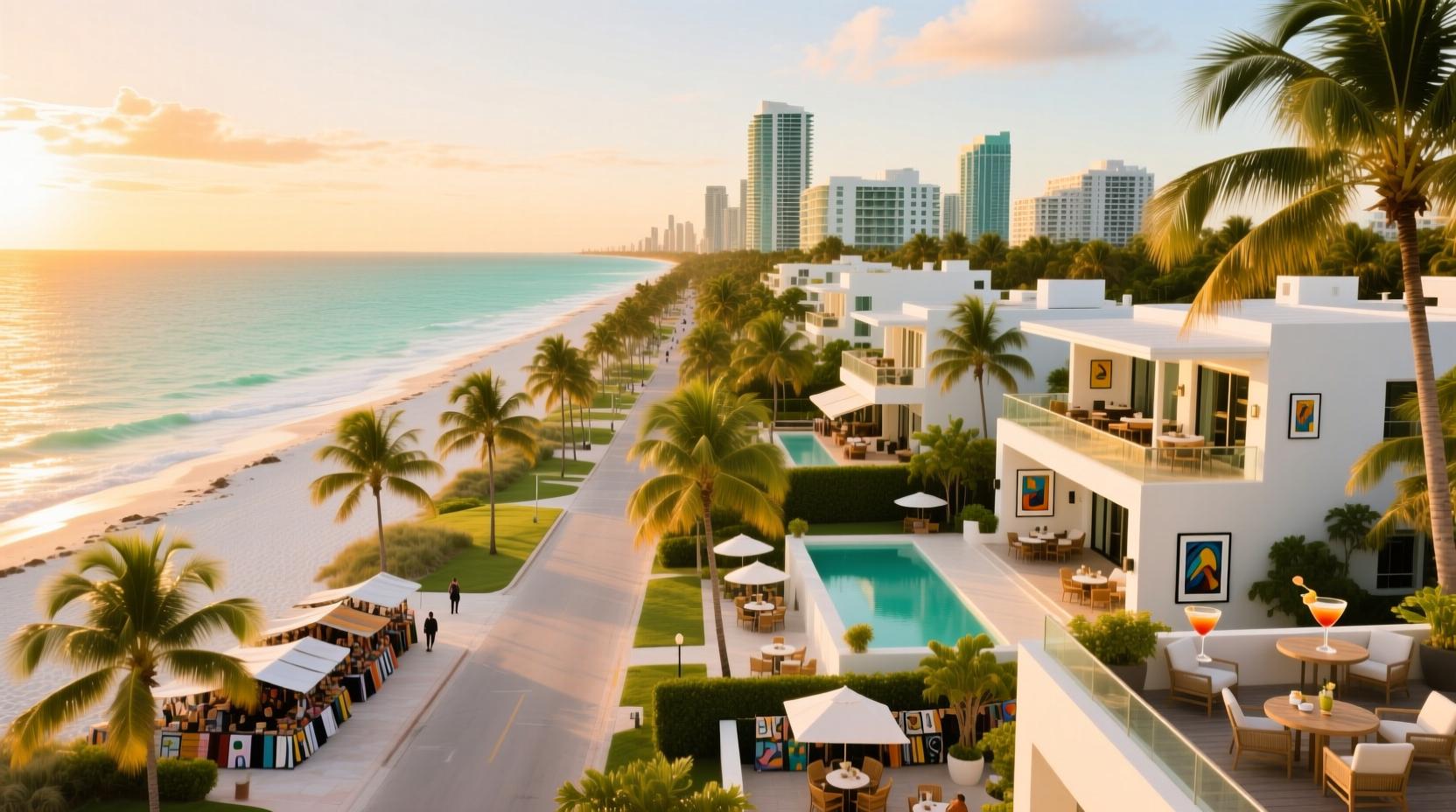
Miami isn’t a one-size-fits-all destination. Its neighborhoods vary widely in atmosphere, accessibility, and appeal. Here's a breakdown of the most popular areas for visitors:
- South Beach: Iconic Art Deco architecture, vibrant nightlife, and beachfront hotels.
- Miami Beach (North & Mid-Beach): Slightly quieter than South Beach, with luxury resorts and ocean views.
- Downtown Miami: Urban core with business travelers, cultural venues, and cruise port access.
- Brickell: Upscale financial district with high-end condos, restaurants, and riverfront walks.
- Wynwood: Artsy enclave known for street murals, galleries, and trendy eateries.
- Coral Gables: Historic, tree-lined streets; ideal for families and those seeking tranquility.
- Coconut Grove: Boating culture, lush parks, and a laid-back vibe.
- Little Havana: Authentic Cuban culture, music, and food—best for immersive cultural experiences.
Your ideal base depends on what kind of rhythm you want your trip to follow—fast-paced or relaxed, urban or coastal, social or secluded.
Matching Your Stay to Your Travel Goals
Not all travelers seek the same experience. A solo adventurer might thrive in Wynwood’s creative chaos, while a family may prefer the calm of Key Biscayne. Consider these traveler profiles and their best-fit neighborhoods:
For First-Time Visitors: South Beach
South Beach offers the quintessential Miami postcard—pastel buildings, palm trees, and Ocean Drive’s neon buzz. It’s walkable, packed with restaurants, bars, and shops, and puts you steps from the Atlantic. While prices are higher and crowds common, it’s hard to beat for iconic sights and convenience.
For Luxury Seekers: Bal Harbour or Fisher Island
Bal Harbour boasts some of the city’s most exclusive resorts and designer shopping. For unparalleled privacy and opulence, Fisher Island—a private island accessible only by ferry or helicopter—offers ultra-luxury villas and world-class service. As one hospitality expert notes:
“Fisher Island redefines exclusivity. Guests aren’t just staying in Miami—they’re escaping into a rarefied world.” — Carlos Mendez, Luxury Travel Advisor
For Culture & Art Lovers: Wynwood and Little Havana
Wynwood’s transformation from industrial zone to global art hub makes it a magnet for creatives. Spend mornings exploring Wynwood Walls, then sip craft coffee or enjoy fusion tacos nearby. Just 15 minutes south, Little Havana pulses with salsa rhythms, cigar shops, and cafecito stands. Staying here immerses you in local life beyond the tourist façade.
For Families: Coral Gables or Key Biscayne
Coral Gables offers spacious accommodations, excellent parks like Matheson Hammock, and easy access to museums and zoos. Key Biscayne, connected by a short bridge, provides safer swimming, bike trails, and Bill Baggs Cape Florida State Park. Both areas feel residential and safe—ideal for children and multigenerational groups.
For Business Travelers: Brickell
As Miami’s financial heart, Brickell delivers modern hotels, reliable Wi-Fi, conference centers, and proximity to major offices. Many high-rise hotels offer city or bay views, rooftop pools, and executive lounges. Plus, it’s well-connected via Metromover, reducing reliance on taxis.
Comparison Table: Top Areas to Stay in Miami
| Neighborhood | Best For | Average Hotel Price (per night) | Safety Level | Walkability |
|---|---|---|---|---|
| South Beach | First-timers, nightlife, beach lovers | $250–$500+ | Moderate (crowded at night) | High |
| Wynwood | Art, food, young travelers | $180–$300 | High (during day), moderate at night | High |
| Brickell | Business, couples, dining | $200–$400 | High | Very High |
| Coral Gables | Families, history buffs, quiet stays | $150–$280 | Very High | Moderate (car recommended) |
| Key Biscayne | Families, nature lovers | $220–$350 | Very High | Moderate |
| Little Havana | Culture, authenticity, budget stays | $100–$200 | Moderate | High |
Real Example: A Couple’s Perfect Weekend in Miami
Jessica and Marcus wanted a mix of relaxation and culture on their 3-day Miami getaway. They chose a boutique hotel in Mid-Beach—less chaotic than South Beach but still steps from the ocean. Their itinerary:
- Day 1: Arrived midday, walked along the quieter stretch of beach, dined at a seaside Mediterranean spot.
- Day 2: Took an Uber to Wynwood for brunch and gallery hopping, returned via bike rental along the beach path.
- Day 3: Visited Vizcaya Museum in Coconut Grove before checking out.
By staying centrally on the beach and using rideshares strategically, they maximized time without the stress of parking or long commutes. Their choice balanced comfort, access, and variety.
Checklist: How to Choose Your Ideal Miami Neighborhood
Use this checklist before booking your stay:
- ✅ Define your top priority: beach, nightlife, culture, family comfort, or business needs.
- ✅ Set a realistic budget—including parking, resort fees, and transportation costs.
- ✅ Check proximity to the places you plan to visit (e.g., airport, cruise terminal, museums).
- ✅ Read recent guest reviews focusing on noise levels, cleanliness, and safety.
- ✅ Consider transportation: Will you rent a car, use rideshares, or rely on public transit?
- ✅ Look at walk scores or use Google Maps to test walking routes from potential hotels.
- ✅ Verify if your hotel includes amenities like beach chairs, Wi-Fi, or breakfast.
Frequently Asked Questions
Is it safe to walk around Miami at night?
In tourist-heavy areas like South Beach, Brickell, and Coral Gables, walking at night is generally safe, especially on well-lit, populated streets. However, avoid isolated alleys or poorly lit side streets. In neighborhoods like Liberty City or parts of Overtown, even daytime visits are not recommended for tourists.
What’s the best time of year to visit Miami?
The ideal window is between December and April—dry season with pleasant temperatures. This is also peak tourist season, so expect higher prices. Summer months (June–November) bring heat, humidity, and hurricane risk, but also lower rates and fewer crowds.
Do I need a car in Miami?
It depends. South Beach and Brickell are walkable and served by public transit. But if you plan to explore areas like the Everglades, Homestead, or even Fairchild Tropical Botanic Garden, a car is essential. Rideshares work well but can add up quickly over several days.
Final Tips for Booking Your Stay
Once you’ve narrowed down the neighborhood, refine your search with these strategies:
Look beyond star ratings. A 3-star boutique hotel in Wynwood might offer a more authentic experience than a generic 5-star chain downtown. Also, consider smaller inns or serviced apartments if you’re staying a week or longer—they often include kitchens and laundry, saving money and increasing comfort.
Finally, check for seasonal events. If you're visiting during Art Basel (December) or Miami Music Week (March), book months in advance and expect premium pricing. Conversely, traveling right after major events can yield last-minute deals.
Conclusion: Make Your Miami Stay Unforgettable
The best area to stay in Miami isn’t a single answer—it’s the place that aligns with who you are and what you want from your trip. Whether you crave the electric pulse of Ocean Drive or the serene charm of a coral stone mansion in Gables, Miami rewards thoughtful planning. Use this guide to match your pace, budget, and interests with the perfect neighborhood. When you do, your visit won’t just be a vacation—it’ll be a true experience of the city’s soul.




 浙公网安备
33010002000092号
浙公网安备
33010002000092号 浙B2-20120091-4
Comments
No comments yet. Why don't you start the discussion?