
In the heart of North Carolina’s Triangle region, Raleigh has evolved into a culinary destination where Southern tradition meets modern innovation. Among the standout ingredients elevating dishes across the city’s vibrant food scene is the humble yet transformative pickled onion. Whether brightening a taco, adding tang to a burger, or cutting through the richness of barbecue, pickled onions have become a signature touch in many of Raleigh’s most celebrated plates. For locals and visitors alike, knowing where to find the best pickled onions isn’t just about flavor—it’s about experiencing the city’s gastronomic identity at its sharpest.
This guide explores the top purveyors of pickled onions in Raleigh, from restaurant kitchens to farmers’ markets and specialty grocers. It also delves into what makes a great pickled onion, how different styles are used across cuisines, and practical advice for incorporating them into home cooking. Whether you're seeking ready-made jars or inspiration to craft your own, this resource delivers actionable insights grounded in Raleigh’s real food culture.
Definition & Overview
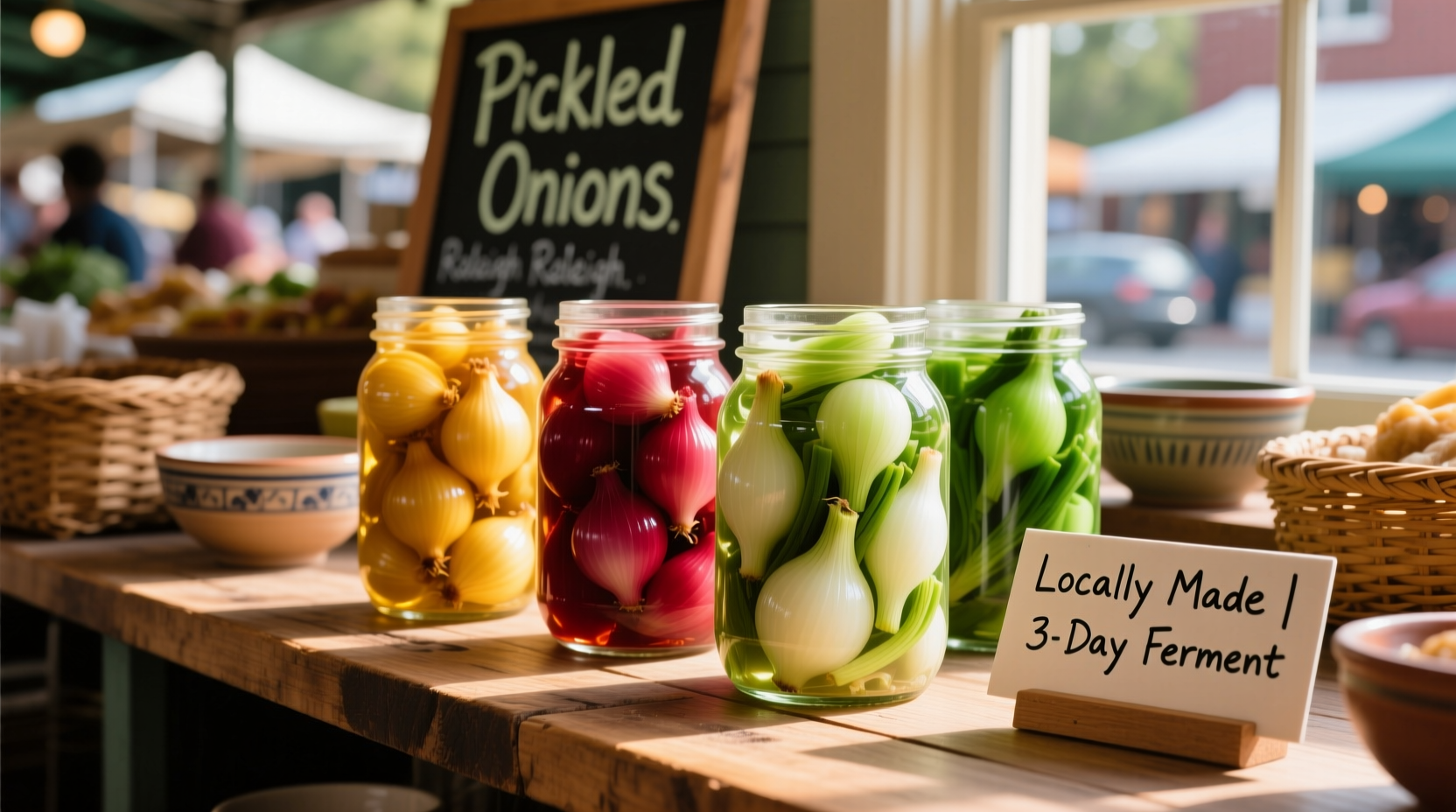
Pickled onions are raw onions preserved in an acidic brine, typically made from vinegar, water, salt, and often sugar and spices. The pickling process transforms their pungency into a balanced blend of tangy, sweet, and savory notes while softening their texture. Commonly made with red onions for their vibrant color and mild bite, they can also be prepared with white, yellow, or even shallots depending on the desired outcome.
The practice of pickling vegetables dates back thousands of years as a method of preservation, but in contemporary American cuisine—especially in Southern, Mexican, and fusion cooking—pickled onions have emerged as a dynamic condiment. In Raleigh, where farm-to-table ethics intersect with global flavors, chefs use pickled onions not merely as garnish but as essential components that define a dish’s character.
Raleigh’s food ecosystem supports both artisanal producers and high-volume restaurants, meaning pickled onions appear in diverse forms: quick-pickled in-house at gastropubs, slow-fermented by small-batch vendors, or imported from regional specialty brands. Their accessibility and versatility make them a staple worth seeking out intentionally.
Key Characteristics
What separates an exceptional pickled onion from a generic jar off the shelf? Several sensory and technical factors come into play:
| Characteristic | Description |
|---|---|
| Flavor Profile | Bright acidity balanced with subtle sweetness; minimal harshness. High-quality versions avoid oversaturation with vinegar. |
| Aroma | Clean, sharp, slightly floral—free of mustiness or fermentation off-notes (unless intentionally fermented). |
| Color | Deep magenta for red onions; translucent sheen indicating proper brine penetration. Faded color suggests age or poor storage. |
| Texture | Firm but tender—never mushy. Should retain a slight crunch after pickling. |
| Brine Clarity | Clear and clean, not cloudy (unless naturally fermented). Sediment may indicate spoilage if unintended. |
| Shelf Life | Vinegar-based: 3–6 months refrigerated. Fermented: up to 1 year when stored properly. |
| Culinary Function | Adds acidity, color contrast, and palate-cleansing brightness. Enhances fatty, grilled, or starchy dishes. |
Top Spots to Find the Best Pickled Onions in Raleigh
Raleigh’s dining landscape offers multiple avenues to experience outstanding pickled onions. Below are some of the most reputable sources, categorized by type of venue.
1. Restaurants & Gastropubs
- Neomonde Mediterranean Grill (North Hills): Known for its house-pickled red onions served alongside lamb kabobs and falafel. These onions are lightly sweetened with honey and infused with coriander, offering a Middle Eastern twist that complements smoky meats.
- Beasley’s Chicken + Honey (Moore Square): A Southern-fried institution where pickled onions crown their Nashville-style hot chicken sandwiches. The onions here are crisp, vividly colored, and steeped in apple cider vinegar with a hint of turmeric for depth.
- Watts Grocery (Glenwood South): This upscale Southern bistro features pickled red onions on its fried green tomato BLT. Their version uses white wine vinegar and a touch of brown sugar, resulting in a more mellow profile suited to refined plating.
- Taza Tacos (Broadway Street): A local favorite for authentic street tacos, Taza prepares its pickled onions daily using lime juice and rice vinegar, giving them a fresher, less aggressive tang ideal for fish and carnitas tacos.
2. Food Trucks & Markets
- Elmo’s Diner (Food Truck, various locations): Famous for its Korean-Mexican fusion, Elmo’s serves bulgogi beef tacos topped with pickled red onions and jalapeños. Their brine includes gochugaru (Korean chili flakes), lending a faint heat and umami complexity.
- Raleigh City Farm Farmers Market (Saturday mornings, Moore Square): Several vendors sell bottled pickled onions here, including “Carolina Crisp,” a local brand using heirloom red onions from Chatham County farms. Look for small-batch producers who label ingredients transparently—fewer additives mean better flavor integrity.
- The Pit Bus (Rotating spots): While primarily known for barbecue, this mobile offshoot of The Pit BBQ includes house-pickled onions on pulled pork sliders. Theirs are fermented over 72 hours, yielding a deeper sour note that cuts through rich pork fat.
3. Specialty Grocers & Pantries
- Lowes Foods To Go (Multiple Locations): Carries a private-label line of pickled vegetables, including red onions made in collaboration with local food artisans. These are widely available and affordably priced, making them a solid everyday option.
- Morgan Street Food Hall (Downtown): Home to rotating pop-ups and curated pantry shelves, this space stocks artisanal jars from Durham-based Sunny Girl Pickles, whose “Ruby Rings” are fermented for two weeks and seasoned with black peppercorns and bay leaf.
- EarthFare (Brier Creek): Offers both national brands like Rao’s and regional picks such as Carolina Gold Vinegar Co.’s spiced pickled onions. Ideal for those wanting to compare styles side by side.
Pro Tip: When dining out, don’t hesitate to ask servers whether pickled onions are house-made. Chefs in Raleigh take pride in in-house preparations, and many will happily share details about their brining methods or even offer samples.
Variants & Types of Pickled Onions
Not all pickled onions are created equal. Different techniques and ingredients yield distinct profiles suitable for specific culinary applications.
Quick-Pickled (Fresh-Pack)
The most common style in restaurants, quick-pickled onions are submerged in hot vinegar brine and cooled within hours. They retain firmness and deliver immediate tang. Often used in tacos, salads, and sandwiches.
Fermented Pickled Onions
Made through lacto-fermentation, these develop probiotics and a more complex sourness over days or weeks. Found in health-conscious cafes and natural food stores. Slightly softer texture; ideal for charcuterie boards or grain bowls.
Sweet Variants
Common in Southern and Jewish deli traditions, these include added sugar or honey. Balance sharpness with richness—perfect for pairing with corned beef or pimento cheese.
Spiced & Global Styles
- Mexican Escabeche-Style: Includes carrots, jalapeños, and oregano; often served warm as a condiment.
- Indian Lime-Pickled Onions: Use mustard oil and fenugreek; found occasionally at Indo-Caribbean eateries like Chaat Cafe.
- Middle Eastern Muhammara-Inspired: Blended with pomegranate molasses and walnuts—rare but emerging in fusion tapas menus.
| Type | Best Used In | Availability in Raleigh |
|---|---|---|
| Quick-Pickled Red Onions | Tacos, burgers, salads, grain bowls | Widespread (restaurants, markets) |
| Fermented Onions | Kombucha bars, health-focused cafes | Moderate (specialty grocers, farmers markets) |
| Sweet-Honey Onions | Sandwiches, cheese plates, Southern platters | Limited (artisan producers, holiday markets) |
| Spiced/Escabeche Mix | Mexican antojitos, banh mi, nachos | Seasonal (food trucks, Latin markets) |
Comparison with Similar Ingredients
Pickled onions are sometimes confused with other preserved alliums or vinegared vegetables. Understanding the differences ensures correct usage.
- Pickled Pearl Onions: Smaller, whole onions often used in cocktails (e.g., Gibson martini) or casseroles. Milder and rounder in texture than sliced red onions.
- Pepperoncini vs. Pickled Onions: Pepperoncini are peppers, not onions—though similarly brined. They offer a gentler heat and are often mistaken due to similar jarred presentation.
- Kimchi vs. Fermented Pickled Onions: Kimchi involves napa cabbage and extensive spice blends; fermented onions are simpler, focusing solely on allium transformation.
- Marinated Raw Onions: Not truly pickled—these sit in vinegar briefly without full acidification. Less shelf-stable but crisper.
“In our kitchen, pickled onions aren’t just a garnish—they’re a balancing agent. One slice can recalibrate an entire plate.” — Chef Ashley Christensen, AC Restaurants (Raleigh)
Practical Usage: How to Use Pickled Onions in Cooking
Whether sourced locally or made at home, pickled onions are highly functional. Here are proven ways to integrate them into everyday meals:
At Home
- Elevate Sandwiches: Layer onto turkey clubs, grilled cheese, or veggie wraps for acidity that prevents heaviness.
- Salad Booster: Toss into chopped salads, grain bowls, or coleslaw for color and zing.
- Breakfast Upgrade: Top avocado toast, huevos rancheros, or breakfast burritos.
- Dip Component: Chop finely and mix into cream cheese, hummus, or guacamole.
- Pizza Finisher: Scatter over white pizzas or BBQ chicken pies post-bake.
Professional Applications
- Palette Cleanser: Serve between courses in tasting menus (common in fine dining pop-ups).
- Bar Program Integration: Use in Bloody Marys, Micheladas, or as cocktail garnishes (e.g., on a skewer with olives).
- Plating Accent: Add visual contrast to dark meats or creamy sauces via vibrant purple slices.
- Street Food Essential: Integral to loaded fries, arepas, and kebabs sold at festivals.
Storage Tip: Always store pickled onions in glass containers with tight seals. Keep refrigerated. Discard if brine becomes cloudy (outside of fermentation), develops mold, or emits foul odor.
Can You Make Your Own? A Raleigh-Style DIY Guide
Many of Raleigh’s top chefs start with raw onions and craft their brines from scratch. Replicating this at home is simple and cost-effective.
Basic Quick-Pickled Onion Recipe (Yields 1 pint)
- Thinly slice 1 large red onion (use a mandoline for uniformity).
- In a saucepan, combine 1 cup distilled white vinegar, 1 cup water, 1 tbsp kosher salt, 1 tbsp sugar, 1 tsp whole peppercorns, and 1 crushed garlic clove. Bring to a boil.
- Pack onions into a clean jar. Pour hot brine over them, ensuring full submersion.
- Cool to room temperature, then refrigerate. Ready in 1 hour; optimal flavor at 24 hours.
To align with Raleigh’s culinary trends, consider variations:
- Add ½ tsp smoked paprika for a nod to local barbecue.
- Use apple cider vinegar instead of white for a fruitier profile.
- Include thin carrot coins for an escabeche effect.
Practical Tips & FAQs
How long do pickled onions last?
Vinegar-based pickled onions stay fresh for 3 to 6 months in the refrigerator. Fermented versions can last up to a year if sealed and stored properly.
Are pickled onions healthy?
Yes, in moderation. They are low in calories and contain no fat. Fermented types offer beneficial gut bacteria. However, sodium content can be high—check labels if monitoring intake.
Can I reduce the sugar in the brine?
Absolutely. Sugar balances acidity but isn’t mandatory. Omit it entirely for a sharper taste, or substitute with stevia or monk fruit for a sugar-free version.
What’s the best onion variety for pickling?
Red onions are preferred for their color, mild flavor, and firm texture. Sweet onions like Vidalias can work but may break down faster due to higher water content.
Do pickled onions need to be sterilized like canned goods?
For refrigerator pickles (most common at home), sterilization isn’t required. For shelf-stable canning, jars must be processed in a boiling water bath to prevent spoilage.
Where can I buy bulk pickled onions in Raleigh?
Wholesale options include:
- Restaurant Depot (Raleigh location): Sells gallon jugs of commercial-grade pickled onions.
- US Foods CHEF’STORE: Carries branded and private-label varieties in bulk.
- Local Producers: Contact “Carolina Crisp” or “Sunny Girl Pickles” directly for wholesale orders at farmers markets.
Summary & Key Takeaways
Raleigh’s reputation as a rising food city is reflected in the care taken with even its smallest ingredients. Pickled onions—once overlooked—are now curated, crafted, and celebrated across restaurants, markets, and homes. From the citrus-kissed versions at Taza Tacos to the fermented jars at Morgan Street Food Hall, the city offers diverse interpretations rooted in technique and terroir.
The best pickled onions in Raleigh share key traits: vibrant color, balanced acidity, and thoughtful seasoning. They enhance rather than overpower, serving as culinary punctuation marks on a wide range of dishes. Whether enjoyed at a downtown gastropub or recreated in a home kitchen using local produce, they embody Raleigh’s ethos—respect for tradition, openness to innovation, and passion for bold, clean flavors.
For residents and visitors, seeking out excellent pickled onions is more than a snack quest—it’s a way to engage with Raleigh’s evolving palate. Start at the farmers market, explore a food truck, or experiment with a homemade batch. Each bite tells a story of place, process, and precision.
Call to Action: Visit three different vendors this month—try a restaurant, a farmers market stall, and a specialty grocer—to compare textures and brines. Keep notes on what you prefer, and consider sharing feedback with local producers. Your palate helps shape Raleigh’s food future.




 浙公网安备
33010002000092号
浙公网安备
33010002000092号 浙B2-20120091-4
Comments
No comments yet. Why don't you start the discussion?