
Boston blends colonial history with modern innovation, making it a top destination for travelers across the U.S. and beyond. Whether you're visiting for academic conferences, romantic getaways, family-friendly attractions, or simply to walk the Freedom Trail, choosing the right place to stay can make or break your experience. The city’s diverse neighborhoods each offer distinct vibes, accessibility, and amenities. This guide breaks down where to stay in Boston based on travel style, budget, and priorities—helping you find not just a hotel, but the perfect home base.
Why Location Matters in Boston
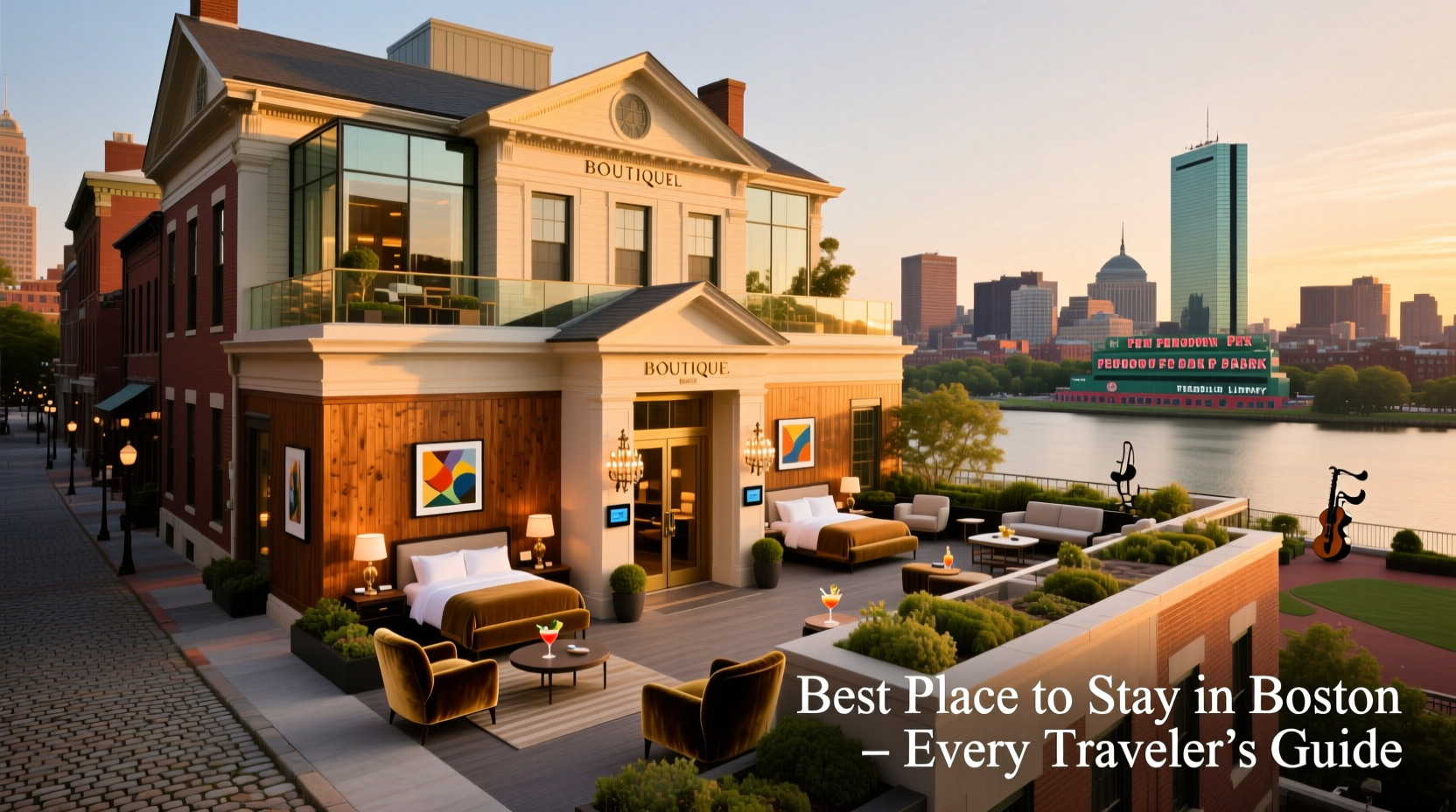
Boston is compact but highly segmented by neighborhood. Public transit (the “T”) is reliable, but staying in the wrong area can mean long commutes or missed evening walks along the Charles River. The city's walkability score ranks among the highest in the nation, so proximity to subway lines, dining, and attractions significantly enhances your trip.
The ideal location depends on what you prioritize: historic charm, nightlife, family-friendly spaces, or business convenience. For example, staying near Downtown Crossing puts you steps from Faneuil Hall and the Boston Common, while lodging in Cambridge offers a quieter, intellectual atmosphere close to MIT and Harvard.
Best Neighborhoods for Different Travelers
Families: Back Bay & Beacon Hill
Back Bay combines elegance with practicality. Wide sidewalks, boutique shopping on Newbury Street, and proximity to the Boston Public Garden—complete with swan boats—make it ideal for families. The Museum of Science and Children’s Museum are just a short T ride away via the Green Line.
Beacon Hill, though more residential, offers charming cobblestone streets and a safe, picturesque environment. It’s adjacent to the Common, giving kids space to run while parents relax on park benches.
Couples & Romantic Getaways: North End & Seaport
The North End, Boston’s historic Italian enclave, brims with candlelit restaurants, narrow alleys, and old-world charm. Staying here means dinner at authentic trattorias, gelato strolls, and easy access to waterfront views. The nearby Harborwalk provides serene sunset spots away from crowds.
For modern romance, the Seaport District delivers sleek hotels, rooftop bars, and contemporary art at the Institute of Contemporary Art. It’s slightly removed from downtown, offering a quieter retreat with luxurious touches.
Budget Travelers: Jamaica Plain & Allston
If minimizing costs is key, consider neighborhoods just outside downtown. Jamaica Plain (JP) offers affordable guesthouses and B&Bs, plus access to the Arnold Arboretum and vibrant local cafes. It’s a 15-minute Orange Line ride to downtown.
Allston, popular with students, has budget motels and hostel-style lodgings near Boston University. While less touristy, it’s lively, multicultural, and well-connected via the Green Line B branch.
Luxury Seekers: Back Bay & Beacon Hill (Upscale Edition)
For five-star service and historic grandeur, Back Bay shines. The Fairmont Copley Plaza and Four Seasons Hotel sit blocks from Copley Square and offer opulent rooms, spas, and concierge services. These properties blend Gilded Age architecture with modern comfort.
Beacon Hill’s XV Beacon and Eliot Hotel provide intimate luxury in Federal-style buildings, often with fireplaces and personalized butler service. Though pricier, they deliver an unmatched sense of place.
Business Travelers: Downtown & Financial District
Direct access to meeting hubs like the Hynes Convention Center, Boston Convention & Exhibition Center (in Seaport), and corporate offices makes Downtown and the Financial District top picks. Hotels such as the Marriott Long Wharf and Courtyard by Marriott City Center cater specifically to professionals with workspaces, early breakfast options, and fast Wi-Fi.
Many offer shuttle services or partnerships with nearby coworking spaces—ideal if you need to squeeze in a midday call or print materials before a presentation.
“Location efficiency is critical in Boston. A ten-minute walk can save you thirty minutes on the T.” — Michael Tran, Urban Travel Planner & Boston Resident
Choosing the Right Accommodation Type
Hotels aren’t your only option. Boston offers a range of stays tailored to different needs:
- Historic Hotels: Properties like the Omni Parker House (America’s oldest continuously operating hotel) combine legacy with central access.
- Boutique Inns: Smaller, design-forward lodgings in neighborhoods like the South End offer personality and local flair.
- Apartments & Vacation Rentals: Ideal for families or longer stays, platforms like Airbnb provide full kitchens and extra bedrooms.
- Hostels: HI Boston Hostel offers dorm and private rooms starting under $100/night, with communal kitchens and social events.
| Traveler Type | Recommended Area | Avg. Nightly Rate | Top Pick |
|---|---|---|---|
| Families | Back Bay | $250–$350 | Lenox Hotel |
| Couples | North End | $200–$300 | Revere Hotel Boston Common |
| Budget | Jamaica Plain | $80–$150 | HI Boston Hostel |
| Luxury | Beacon Hill | $400+ | XV Beacon |
| Business | Downtown | $275–$400 | Marriott Long Wharf |
Step-by-Step Guide to Booking Your Stay
- Define your priorities: Is walkability, price, or ambiance most important?
- Select 2–3 neighborhoods that align with your travel goals.
- Check public transit maps: Ensure your chosen area connects easily to your must-see destinations.
- Read recent guest reviews on Google, TripAdvisor, or Booking.com—pay attention to comments about noise, cleanliness, and staff.
- Compare cancellation policies: Flexible bookings are valuable if plans change.
- Book early during peak seasons: April (Marathon), September (college move-in), and December (holidays) see high demand and prices.
- Contact the hotel directly: Sometimes calling yields better rates or room upgrades than online portals.
Real Example: A Family’s Perfect Weekend
The Rivera family from Chicago planned a three-day Boston trip with their two young children. They prioritized safety, space, and proximity to parks. After researching, they booked a suite at the Lenox Hotel in Back Bay. Their room overlooked the Public Garden, and they walked daily to the swan boats and Cheers Bar (a fun stop for parents).
From their hotel, they took the Green Line to the Museum of Science, used stroller-friendly sidewalks to reach Faneuil Hall, and enjoyed dinner at Legal Sea Foods without needing a cab. By choosing a central yet calm neighborhood, they maximized enjoyment while minimizing stress—a textbook example of location done right.
FAQ
Is it safe to stay in Boston as a tourist?
Yes. Most tourist areas—including Downtown, Back Bay, and the North End—are safe day and night. Exercise normal urban caution: avoid poorly lit streets late at night and keep valuables secure.
Do I need a car in Boston?
No. Parking is expensive ($40–$60 per day in garages), and traffic is notoriously difficult. The MBTA subway and bus system covers most key areas. Ride-shares are available but often unnecessary.
When is the best time to visit Boston for good hotel rates?
January through March offers the lowest prices and fewer crowds. Avoid Patriots Day (April), graduation season (May–June), and the fall foliage rush (October) for better availability and rates.
Final Checklist Before You Book
- ✅ Confirm walking distance to at least one T station
- ✅ Check if parking is included (if driving)
- ✅ Review pet policies (if traveling with animals)
- ✅ Look for hotels with elevators (especially with strollers or luggage)
- ✅ Verify check-in/check-out times match your itinerary
- ✅ See if complimentary breakfast or Wi-Fi is offered
Conclusion
Finding the best place to stay in Boston doesn’t require compromise—it requires clarity. Whether you’re a solo backpacker, honeymoon couple, or corporate visitor, the city has a neighborhood that fits your rhythm. The key is aligning your accommodation with your agenda: proximity to transit, access to dining, or a quiet retreat after a day of exploration.




 浙公网安备
33010002000092号
浙公网安备
33010002000092号 浙B2-20120091-4
Comments
No comments yet. Why don't you start the discussion?