
Turmeric powder is one of the most versatile and widely used spices in global cuisine, prized for its vibrant golden hue, earthy warmth, and well-documented health properties. Whether you're building a curry base, enhancing a grain bowl, or crafting a wellness tonic, understanding where to source high-quality turmeric powder and how to apply it effectively can elevate both flavor and function in your kitchen. Despite its ubiquity, many home cooks still struggle with selecting the right grade, storing it properly, or unlocking its full potential beyond superficial uses. This guide provides a comprehensive look at sourcing, characteristics, culinary applications, and best practices to ensure you make the most of this essential spice.
Definition & Overview
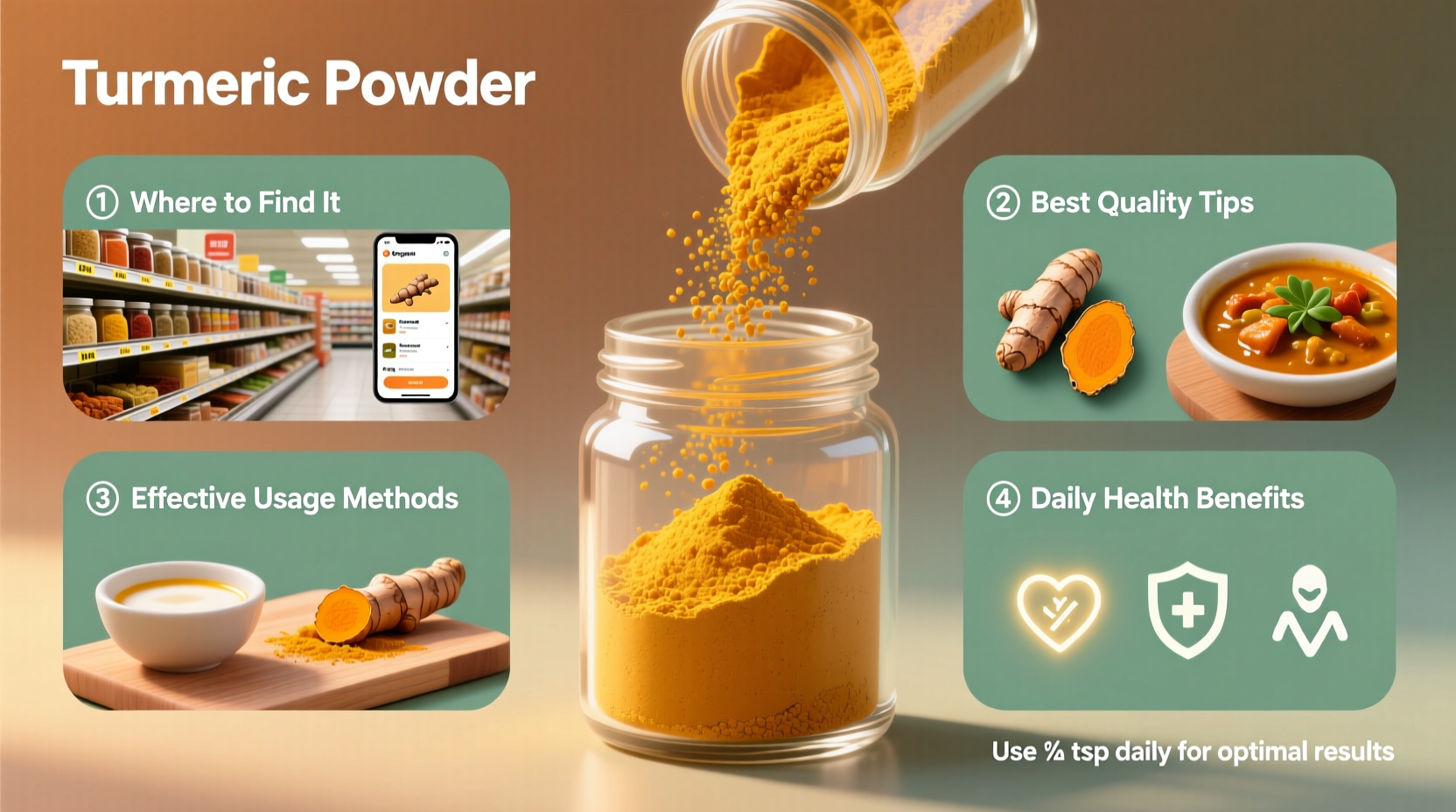
Turmeric powder is derived from the rhizomes (underground stems) of Curcuma longa, a flowering plant in the ginger family native to Southeast Asia and India. After harvesting, the rhizomes are boiled, dried, and ground into a fine, deep-orange powder. For thousands of years, turmeric has played a central role not only in South Asian cooking but also in Ayurvedic medicine, textile dyeing, and religious ceremonies. Its active compound, curcumin, is responsible for much of its antioxidant and anti-inflammatory reputation.
In culinary contexts, turmeric functions as both a seasoning and a coloring agent. It imparts a warm, slightly bitter, and mildly peppery flavor with subtle notes of ginger and citrus. While often associated with Indian food, it appears in Middle Eastern, North African, Caribbean, and even modern fusion dishes. Its use extends far beyond curries—it seasons rice, lentils, soups, marinades, roasted vegetables, and even baked goods. As interest in functional foods grows, turmeric has gained popularity in golden milk lattes, smoothies, and wellness shots.
Key Characteristics
| Attribute | Description |
|---|---|
| Flavor Profile | Earthy, warm, slightly bitter, with hints of ginger and pepper. |
| Aroma | Woody, musky, mildly pungent when fresh; fades over time. |
| Color | Vibrant golden-yellow; stains surfaces and fabrics easily. |
| Form | Fine powder, typically bright orange when fresh. |
| Heat Level | Not spicy; contributes warmth without capsaicin-like heat. |
| Culinary Function | Seasoning, colorant, preservative, and flavor base component. |
| Shelf Life | 6–12 months for peak potency; degrades in color and aroma over time. |
Practical Usage: How to Use Turmeric Powder Effectively
The effectiveness of turmeric in cooking depends not just on quantity, but on technique, timing, and synergy with other ingredients. Used improperly, it can taste dusty or overly bitter. Applied thoughtfully, it enhances depth and visual appeal across a wide range of dishes.
1. Activate with Fat and Heat
Turmeric is fat-soluble and thermally activated. To maximize flavor release and bioavailability—especially of curcumin—always bloom it in oil or ghee. Heat 1/2 teaspoon of turmeric in 1–2 teaspoons of oil over medium heat for 30–60 seconds before adding liquids or other ingredients. This step removes rawness and intensifies aroma.
2. Pair with Black Pepper
Piperine, a compound in black pepper, increases curcumin absorption by up to 2,000%. A simple rule: whenever using turmeric for health-focused preparations (e.g., tonics or immunity blends), include a pinch of freshly ground black pepper.
3. Balance Bitterness with Complementary Flavors
Turmeric’s natural bitterness benefits from balancing agents:
- Sweetness: Coconut milk, caramelized onions, or a touch of honey soften sharp edges.
- Acidity: Lemon juice, tamarind, or vinegar lifts heaviness and brightens the palate.
- Umami: Tomato paste, soy sauce, or fermented ingredients deepen complexity.
4. Dosage Guidelines
Overuse leads to unpleasant bitterness and staining. General recommendations:
- Per 4 servings of curry or stew: 1–1.5 teaspoons
- For rice or grains: 1/2 teaspoon per cup of uncooked rice
- In smoothies or tonics: 1/4 to 1/2 teaspoon
- Marinades: 1 teaspoon per 1 lb (450g) of protein
5. Culinary Applications
Indian Dal: Add 1 teaspoon turmeric to lentil stews during the sauté phase with cumin and garlic. It integrates seamlessly, lending body and color without dominating.
Golden Milk: Simmer 1/2 teaspoon turmeric, 1/4 teaspoon cinnamon, a pinch of black pepper, and 1 tsp honey in 1 cup of coconut or dairy milk. Strain and serve warm.
Rice Pilaf: Stir 1/2 teaspoon into rice water before cooking basmati or jasmine rice. The result is subtly spiced, visually appealing, and aromatic.
Roasted Vegetables: Toss cauliflower, sweet potatoes, or carrots with olive oil, turmeric, salt, and cumin before roasting. The spice caramelizes slightly, enhancing sweetness.
Mayonnaise or Aioli: Whisk 1/4 teaspoon into homemade mayo for a golden, mildly spiced condiment ideal for sandwiches or dips.
Pro Tip: Always add turmeric early in the cooking process when building flavor bases. When used in dry rubs or finishing blends, combine with other powdered spices to prevent clumping and uneven distribution.
Variants & Types of Turmeric Products
While ground turmeric is the most accessible form, several variants exist—each suited to different purposes.
| Type | Description | Best Uses |
|---|---|---|
| Ground Turmeric (Standard) | Finely milled dried rhizome; most common in supermarkets. | Everyday cooking, baking, beverages. |
| Fresh Turmeric Root | Raw rhizome resembling ginger; more floral and less bitter. | Grated into juices, salads, or sauces; excellent for fresh tonics. |
| Organic or Single-Origin Turmeric | Sourced from specific regions (e.g., Kerala, India); higher curcumin content. | Health-focused recipes, premium spice blends. |
| Turmeric Extract or Curcumin Powder | Concentrated form; contains 95%+ curcuminoids. | Dietary supplements, functional foods; not for general seasoning. |
| Liquid Turmeric Extract | Alcohol- or glycerin-based tincture. | Wellness shots, sublingual use, or precise dosing. |
| Blended Spice Mixes Containing Turmeric | Includes curry powders, berbere, ras el hanout, yellow mustard powder. | Complex seasoning; reduces need for individual spice measurement. |
When possible, opt for organic, non-irradiated turmeric powder to avoid chemical treatments that degrade quality. Some specialty brands offer \"cold-milled\" or \"freshly ground\" options with superior aroma and color retention.
Comparison with Similar Ingredients
Turmeric is frequently confused with other yellow-hued spices. Understanding the differences prevents misuse and improves recipe accuracy.
| Ingredient | Similarities | Differences |
|---|---|---|
| Saffron | Imparts golden color; used in rice dishes. | Much more expensive; delicate floral flavor; threads vs. powder; does not require fat activation. |
| Annatto (Achiote) | Provides strong yellow-orange tint; used in Latin and Caribbean cuisines. | Seeds or paste form; nutty, slightly sweet flavor; no medicinal compounds like curcumin. |
| Mustard Powder | Used in spice rubs and marinades; pale yellow appearance. | Sharp, pungent, sinus-clearing heat; derived from mustard seeds; activates with liquid, not oil. |
| Ginger Powder | From the same botanical family; warm, spicy notes. | Brighter, sharper heat; lacks yellow pigment; stronger zing; not a color substitute. |
\"Many people reach for turmeric simply because a recipe calls for it, but they miss the transformative effect of blooming it properly. A few seconds in hot oil unlock layers of flavor that raw addition never achieves.\" — Chef Anika Patel, Culinary Instructor & Spice Specialist
Where to Buy Turmeric Powder: Sourcing Guide
Access to high-quality turmeric varies by location and shopping preference. Consider these sources based on availability, quality, and purpose.
1. Supermarkets & Grocery Stores
Most large grocery chains carry turmeric in the spice aisle. Brands like McCormick, Simply Organic, or Badia are widely available. Look for opaque containers to protect against light degradation. Check the “best by” date—older stock loses potency.
2. International Markets
Indian, Middle Eastern, or Southeast Asian grocery stores often stock fresher, more affordable turmeric in bulk bins. These stores may carry regional varieties (e.g., Alleppey turmeric from Kerala) known for higher curcumin levels and richer color.
3. Health Food Stores
Stores like Whole Foods, Sprouts, or local co-ops prioritize organic, non-GMO, and fair-trade options. Look for certifications and transparent sourcing information. These versions are ideal for wellness applications.
4. Online Retailers
E-commerce platforms such as Amazon, Thrive Market, or specialty spice vendors (e.g., Spice Jungle, Rani Brands, Diaspora Co.) offer curated, high-potency turmeric. Premium online sellers often provide batch-specific details, including origin, harvest date, and curcumin content.
5. Farmers’ Markets & Direct Trade
Some small farms and artisan producers sell fresh turmeric root or freshly ground powder. This option ensures maximum freshness and supports sustainable agriculture.
Buying Tip: Avoid unusually cheap turmeric—adulteration with fillers like starch, chalk, or metanil yellow (a toxic industrial dye) remains a concern in low-grade imports. Choose reputable brands with third-party testing when possible.
Practical Tips & FAQs
How should I store turmeric powder?
Keep in an airtight container away from heat, light, and moisture. A dark glass jar in a cool pantry preserves flavor and color for up to a year. Avoid storing near the stove or in clear containers on open shelves.
Does turmeric lose potency over time?
Yes. Ground spices degrade faster than whole ones. After six months, turmeric begins to lose volatile oils and curcumin content. Test freshness by rubbing a small amount between fingers—if the aroma is faint or musty, replace it.
Can I substitute fresh turmeric for powdered?
Yes. Use a 1:3 ratio: 1 teaspoon of fresh grated turmeric ≈ 1/3 teaspoon of powder. Fresh turmeric is juicier and more vibrant but less concentrated. It stains hands and cutting boards—wear gloves and clean surfaces immediately.
Is all turmeric the same?
No. Quality varies significantly. Indian-grown turmeric, particularly from Tamil Nadu or Kerala, is renowned for high curcumin levels (up to 5%). Compare labels: anything below 2% indicates lower potency. Some U.S.-grown or hydroponic versions are emerging but remain niche.
What are common substitutions for turmeric?
If unavailable, limited substitutes exist due to its unique profile:
- Curry powder: Contains turmeric; use 1.5x the amount, but expect additional flavors (cumin, coriander).
- Annatto oil: Mimics color but not flavor.
- Saffron (for color only): Extremely costly; use sparingly for visual effect in rice.
No substitute fully replicates turmeric’s earthy depth and health benefits.
How do I prevent staining?
Turmeric stains skin, countertops, and fabrics. Work on disposable parchment, wear an apron, and clean spills immediately with soapy water. For skin, rub with lemon juice or oil before washing. Stainless steel sinks resist staining better than porcelain.
Can turmeric be used in sweet dishes?
Yes. In moderation, it complements warm spices in pumpkin bread, spiced granola, or chai-spiced desserts. Pair with cinnamon, nutmeg, and cardamom. Start with 1/4 teaspoon per batch to avoid bitterness.
Summary & Key Takeaways
Turmeric powder is far more than a background spice—it is a cornerstone of flavor, color, and wellness in modern kitchens. Sourcing high-quality, fresh turmeric from reliable vendors ensures optimal taste and nutritional benefit. Whether purchased in bulk at an international market or ordered online from a specialty grower, attention to origin, processing, and shelf life makes a tangible difference.
Effective use hinges on technique: always bloom in fat, pair with black pepper, and balance its inherent bitterness with complementary flavors. From everyday lentils to gourmet spice blends, turmeric enhances both traditional and innovative dishes. Understanding its variants—from fresh root to concentrated extract—allows for tailored application based on culinary or health goals.
Finally, proper storage preserves potency, while awareness of adulteration risks guides smarter purchasing decisions. By treating turmeric not as a mere ingredient but as a dynamic culinary tool, home cooks can harness its full potential with confidence and creativity.
Final Thought: Keep a small jar of turmeric within easy reach. Incorporate it mindfully—not just for color, but as a bridge between flavor, tradition, and well-being. One teaspoon can transform a dish; consistent use can transform your kitchen.




 浙公网安备
33010002000092号
浙公网安备
33010002000092号 浙B2-20120091-4
Comments
No comments yet. Why don't you start the discussion?