
In an age where minimalism meets maximalist self-expression, something as small as a keychain can spark debate. The choice between a white keychain and a colorful one might seem trivial—after all, its primary function is to hold keys. But in 2024, personal accessories have evolved beyond utility. They reflect identity, mood, and even lifestyle choices. So, does the color of your keychain actually matter? The answer isn’t just about aesthetics—it’s about psychology, durability, social signaling, and practicality.
The Psychology Behind Color Choices
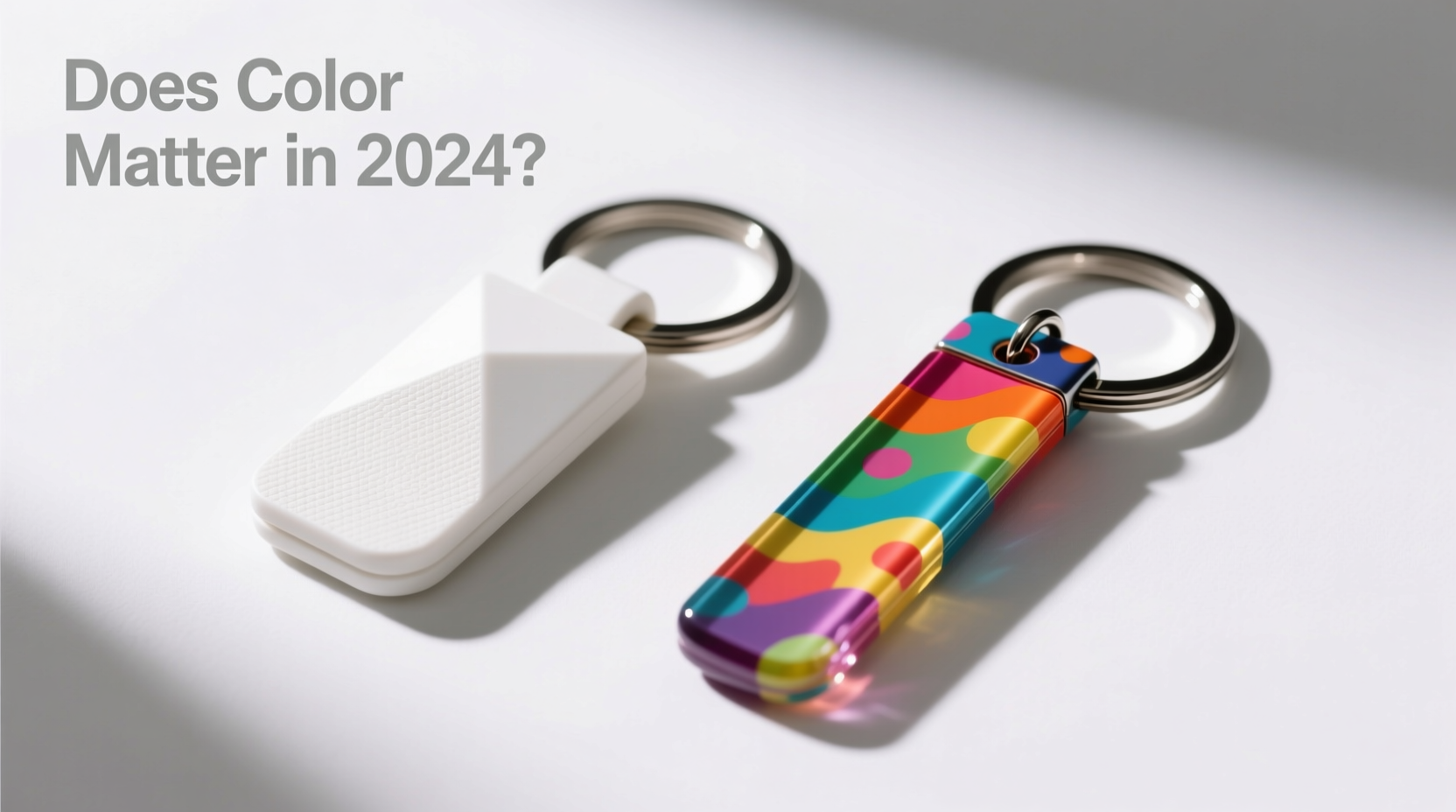
Color influences perception more than we often acknowledge. Even in small objects like keychains, hues trigger subconscious associations. White, for instance, is traditionally linked with purity, simplicity, and modernity. It aligns with minimalist design philosophies that have dominated tech and fashion for over a decade. A white keychain may signal intentionality—a preference for clean lines and understated elegance.
On the other hand, colorful keychains are expressive. Bright red might suggest confidence, blue could indicate calmness, and yellow may reflect optimism. According to Dr. Lila Thompson, a behavioral psychologist specializing in consumer behavior:
“Color acts as a silent communicator. In everyday items, it reveals aspects of personality without words. People who choose vibrant accessories often seek subtle ways to assert individuality in routine environments.” — Dr. Lila Thompson, Behavioral Psychologist
This psychological layer makes the white-versus-colorful debate more nuanced than mere preference. It's about how we want to be perceived—or whether we want to be perceived at all.
Functionality and Practical Considerations
Beyond symbolism, practical factors play a significant role. White keychains, especially those made from silicone or plastic, tend to show dirt, scratches, and UV damage faster than darker or multi-colored alternatives. Sunlight exposure can cause yellowing over time, diminishing their crisp appearance within months.
Colorful keychains, particularly those using fade-resistant dyes or layered materials, often maintain visual appeal longer under daily wear. However, not all colors perform equally. Light pastels may stain easily, while deep tones like navy or forest green resist grime better.
Material also interacts with color. For example:
- Silicone: Great for bold colors and easy cleaning, but prone to tearing if overstretched.
- Metal: Durable and sleek, though colored enamel coatings can chip.
- Leather: Ages beautifully, but white leather requires meticulous care to avoid staining.
Comparison Table: White vs Colorful Keychains
| Factor | White Keychain | Colorful Keychain |
|---|---|---|
| Visibility (in bags) | Moderate – stands out against dark interiors | High – multiple colors increase contrast |
| Durability (color retention) | Poor – shows stains and yellowing quickly | Good to excellent – depends on dye quality |
| Style Flexibility | High – matches any outfit or bag | Variable – may clash with certain styles |
| Cleanability | Difficult – discoloration is obvious | Easier – stains less noticeable |
| Emotional Impact | Calm, neutral, professional | Playful, energetic, expressive |
Trends in 2024: Minimalism vs Personalization
The early 2020s saw a peak in minimalist aesthetics—think Apple-inspired whites, muted tones, and monochrome accessories. But by 2024, there’s a cultural pivot toward personalized, joyful design. TikTok and Instagram influencers now showcase rainbow keychains, custom charms, and themed lanyards as part of curated \"aesthetic\" lifestyles.
This shift reflects broader post-pandemic values: people crave connection, fun, and individuality. A colorful keychain becomes a tiny rebellion against uniformity. Brands like PopMart and Pachip have capitalized on this, offering limited-edition character keychains in vibrant palettes that double as collectibles.
Yet, minimalism hasn’t disappeared. Professionals in corporate settings still lean toward white or neutral-toned accessories to project seriousness and order. Architects, designers, and engineers often favor simple white key fobs that match their tools and devices.
The trend isn’t binary—it’s contextual. What matters most is alignment with personal environment and goals.
Mini Case Study: Sarah’s Office Transition
Sarah, a UX designer in Toronto, used a plain white silicone keychain for years. It matched her MacBook and AirPods case, reinforcing her “clean tech” aesthetic. But after joining a creative startup in early 2024, she noticed colleagues expressing themselves through quirky accessories. On a whim, she bought a six-color gradient keychain with tiny illustrated icons representing hobbies—books, coffee, hiking.
Within days, three coworkers commented on it. One asked where she got it; another said it reminded them of their own love for outdoor adventures. That small object sparked conversations and helped Sarah feel more integrated into the team culture.
She didn’t abandon minimalism entirely—she kept her white work bag—but realized that controlled bursts of color in small accessories could enhance both mood and social engagement.
How to Choose Based on Your Lifestyle
Selecting between white and colorful comes down to evaluating your daily context. Here’s a step-by-step guide to help you decide:
- Assess your environment: Do you work in a formal office, a creative studio, or mostly from home?
- Consider usage frequency: Will the keychain be in a pocket, purse, or clipped to a backpack exposed to elements?
- Evaluate maintenance willingness: Are you okay with occasional wiping and upkeep, or do you prefer “set and forget”?
- Reflect on self-expression needs: Do you enjoy standing out subtly, or do you prefer blending in?
- Test temporarily: Try borrowing or buying inexpensive versions of both types for two weeks each.
Checklist: Choosing the Right Keychain for You
- ☐ Matches my daily attire or bag style
- ☐ Resistant to dirt, UV, and wear based on material
- ☐ Reflects my current mood or personal brand
- ☐ Easy to find inside bags or pockets
- ☐ Doesn’t interfere with key access or RFID functions
- ☐ Can be cleaned easily if needed
- ☐ Feels satisfying to touch (texture matters!)
Frequently Asked Questions
Does a white keychain get dirty faster than a black one?
Yes. White surfaces highlight dust, oils, and stains immediately. Black or dark-colored keychains hide everyday grime much better. However, white tends to stay looking fresh longer in controlled environments like indoor offices.
Can color affect how likely someone is to return a lost keychain?
Possibly. Studies in behavioral economics suggest that distinctive, colorful, or uniquely designed items are more memorable and thus more likely to be returned. Adding a colorful tag with contact info increases recovery chances significantly.
Are there any industries where colorful keychains are discouraged?
Yes. In healthcare, food service, and some engineering fields, regulations may limit dangling accessories for safety or hygiene reasons. When allowed, neutral colors like white or gray are often preferred to maintain professionalism.
Final Thoughts: Color Matters—But Not How You Think
In 2024, the debate between white and colorful keychains isn’t about which is objectively better. It’s about intentionality. Color matters not because it changes function, but because it influences emotion, interaction, and identity—even in micro-moments.
A white keychain offers clarity and cohesion in a cluttered world. A colorful one injects joy and visibility into routine actions. The best choice depends not on trends, but on how you want to feel every time you reach for your keys.
Whether you value subtlety or celebration, your keychain is more than a tool—it’s a tiny mirror of your inner world. Choose deliberately. Switch when needed. And remember: sometimes, the smallest details unlock the biggest sense of self.




 浙公网安备
33010002000092号
浙公网安备
33010002000092号 浙B2-20120091-4
Comments
No comments yet. Why don't you start the discussion?