
Finding unexpected changes in your stool can be unsettling. One common concern is the appearance of white stuff in poop. While occasional variations in bowel movements are normal, persistent or recurring white particles, specks, or mucus may signal an underlying issue. Understanding the potential causes—ranging from harmless dietary factors to more serious digestive conditions—is essential for knowing when to seek medical attention.
This article explores the most frequent reasons behind white material in stool, distinguishes benign cases from warning signs, and provides actionable guidance on managing digestive health.
Common Causes of White Stuff in Poop
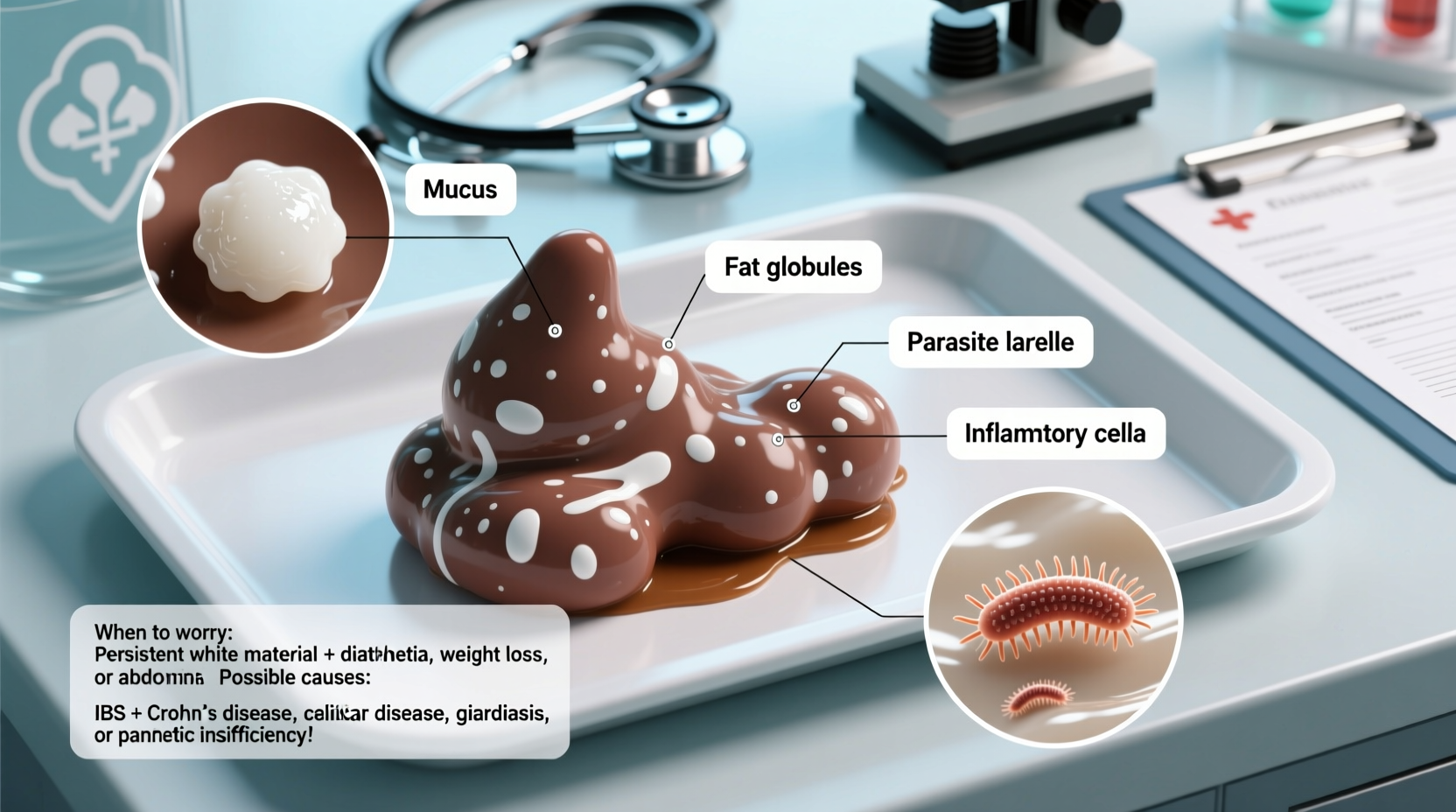
The presence of white substances in feces isn’t always a cause for alarm. Several everyday factors can lead to temporary changes in stool appearance.
- Undigested food: Certain foods, especially those high in fiber or with hard coatings (like sesame seeds, flaxseeds, or corn), may pass through the digestive tract intact. This can result in small white flecks visible in the stool.
- Dairy residue: Consuming large amounts of milk, cheese, or yogurt can sometimes leave whitish traces, particularly if lactose digestion is impaired.
- Mucus: A small amount of clear-to-white mucus naturally lubricates the intestines. Increased mucus may appear as slimy white strands, often due to mild irritation or temporary inflammation.
- Medications or supplements: Antacids containing aluminum hydroxide, calcium supplements, or certain antibiotics can alter stool color and consistency, occasionally producing chalky or pale deposits.
When It Might Be a Sign of Infection or Parasites
In some cases, white specks in stool are not food-related but biological. The two most concerning infectious causes are intestinal parasites and fungal overgrowth.
Pinworms (Enterobius vermicularis) are the most common intestinal worm infection in the U.S., especially among children. These tiny, thread-like worms can sometimes be seen in stool or around the anal area, particularly at night. They appear as small white moving threads and may cause itching, restlessness, or disturbed sleep.
Tapeworms can also shed segments that resemble rice grains or flat white pieces in the stool. Infection typically occurs from consuming undercooked meat or contaminated water.
Candida overgrowth, though less common in the colon, can occasionally manifest as white, stringy material resembling cottage cheese, especially in individuals with weakened immune systems or prolonged antibiotic use.
“Any visible worms or persistent unexplained particles in stool should be evaluated by a healthcare provider. Stool testing can confirm parasitic infections.” — Dr. Lena Torres, Gastroenterologist
Steps to Identify a Possible Parasite
- Note the frequency and appearance of the white material.
- Check for associated symptoms: anal itching, abdominal pain, weight loss, or fatigue.
- Collect a sample (if possible) in a sealed container for lab analysis.
- Schedule a visit with your doctor for a formal diagnosis.
More Serious Digestive Conditions
Pale, white, or clay-colored stools—not just specks—can indicate problems with the liver, gallbladder, or pancreas. These organs produce and transport bile, which gives stool its typical brown color. When bile flow is blocked or reduced, stool loses pigment and turns light.
Common conditions include:
- Gallstones: Can block the bile duct, leading to pale stools, dark urine, and upper right abdominal pain.
- Hepatitis or liver disease: Impairs bile production, resulting in greasy, foul-smelling, and discolored bowel movements.
- Pancreatic insufficiency: The pancreas fails to release enough digestive enzymes, causing fat malabsorption (steatorrhea), which may look oily or contain white streaks.
- Biliary atresia (in infants): A rare but serious condition where bile ducts are malformed or absent.
These issues often come with additional symptoms such as jaundice (yellowing of skin or eyes), nausea, bloating, or unexplained weight loss.
Do’s and Don’ts When You Notice White Stool Changes
| Do’s | Don’ts |
|---|---|
| Monitor changes for 1–2 days before panicking | Ignore persistent pale stools lasting over 48 hours |
| Stay hydrated and maintain a balanced diet | Self-diagnose or take herbal remedies without consultation |
| Keep a symptom journal (diet, timing, pain, etc.) | Delay seeing a doctor if you have jaundice or fever |
| Seek testing if worms are suspected | Share medications or treatments with family members |
Real-Life Example: A Parent’s Concern Leads to Diagnosis
Sarah, a mother of two, noticed tiny white specks in her 6-year-old son’s stool over several mornings. At first, she assumed it was undigested food. But when he began complaining of nighttime itching and restless sleep, she took action. After capturing a photo and consulting their pediatrician, a tape test confirmed pinworms. The doctor prescribed a safe antiparasitic medication and recommended treating all household members to prevent reinfection. Within a week, symptoms resolved completely.
This case highlights how timely observation and professional evaluation can quickly address even uncomfortable conditions.
When to Worry: Red Flags That Require Medical Attention
While isolated incidents of white specks are usually harmless, certain signs warrant prompt medical evaluation:
- Stools consistently pale, clay-colored, or putty-like
- Visible worms or moving particles in stool
- Abdominal pain, bloating, or cramping lasting more than a day
- Unintentional weight loss or appetite changes
- Yellowing of the skin or eyes (jaundice)
- Fever, nausea, or vomiting accompanying stool changes
- Bloody or black tarry stools (indicative of gastrointestinal bleeding)
If any of these red flags appear, contact your healthcare provider immediately. Diagnostic tests such as stool ova and parasite exams, liver function panels, abdominal ultrasound, or endoscopy may be necessary.
Preventive Care and Daily Habits for Digestive Health
Maintaining a healthy digestive system reduces the risk of both minor and serious causes of abnormal stool. Simple lifestyle adjustments can make a significant difference.
Digestive Wellness Checklist
- ✅ Drink plenty of water throughout the day
- ✅ Eat fiber-rich foods like fruits, vegetables, and whole grains
- ✅ Limit processed foods and excess dairy if sensitive
- ✅ Practice good hand hygiene, especially before meals and after using the bathroom
- ✅ Cook meat thoroughly to avoid parasitic contamination
- ✅ Avoid sharing towels or utensils in households with infections
- ✅ Schedule regular check-ups, especially if you have a history of GI issues
Probiotics from yogurt or supplements may also support gut balance, particularly after antibiotic use. However, consult your doctor before starting new supplements.
Frequently Asked Questions
Is it normal to see white strings in poop?
Occasionally, yes. Mucus or undigested fibers (like from bananas or celery) can appear as white strings. However, if they persist, increase in volume, or are accompanied by pain or diarrhea, it could indicate inflammation, infection, or irritable bowel syndrome (IBS).
Can stress cause white stuff in stool?
Stress doesn’t directly create white particles, but it can exacerbate conditions like IBS or increase mucus production in the gut. Managing stress through mindfulness, exercise, or therapy may help stabilize digestive function.
What does baby poop with white specks mean?
In infants, small white specks are often normal, especially in formula-fed babies—they may be undigested milk proteins. However, consistently pale stools in newborns require urgent evaluation to rule out biliary atresia or liver issues.
Conclusion: Know Your Body, Trust Your Instincts
White stuff in poop ranges from harmless dietary remnants to signals of deeper health concerns. Most cases resolve on their own, especially when linked to food or temporary digestive upset. But when changes persist or are accompanied by other symptoms, professional assessment is crucial.
Your digestive system communicates through subtle cues. Pay attention, keep records, and don’t hesitate to ask questions. With informed awareness and proactive care, you can protect your gut health and overall well-being.




 浙公网安备
33010002000092号
浙公网安备
33010002000092号 浙B2-20120091-4
Comments
No comments yet. Why don't you start the discussion?