
When the seasons shift and your wardrobe lightens up, so too does your accessory game. A crisp white summer bag feels like sunshine incarnate—fresh, airy, and effortlessly stylish. Meanwhile, a sleek black all-season bag stands as a wardrobe anchor: reliable, timeless, and ready for anything. But when closet space is limited and budgets are tight, the real question arises: do you need both, or can one truly replace the other?
The answer isn’t binary. It depends on lifestyle, climate, personal style, and how much versatility you demand from your accessories. Let’s break down the strengths, limitations, and real-world utility of each to help you decide whether investing in both makes sense—or if one bag can genuinely carry the load year-round.
The Case for the White Summer Bag
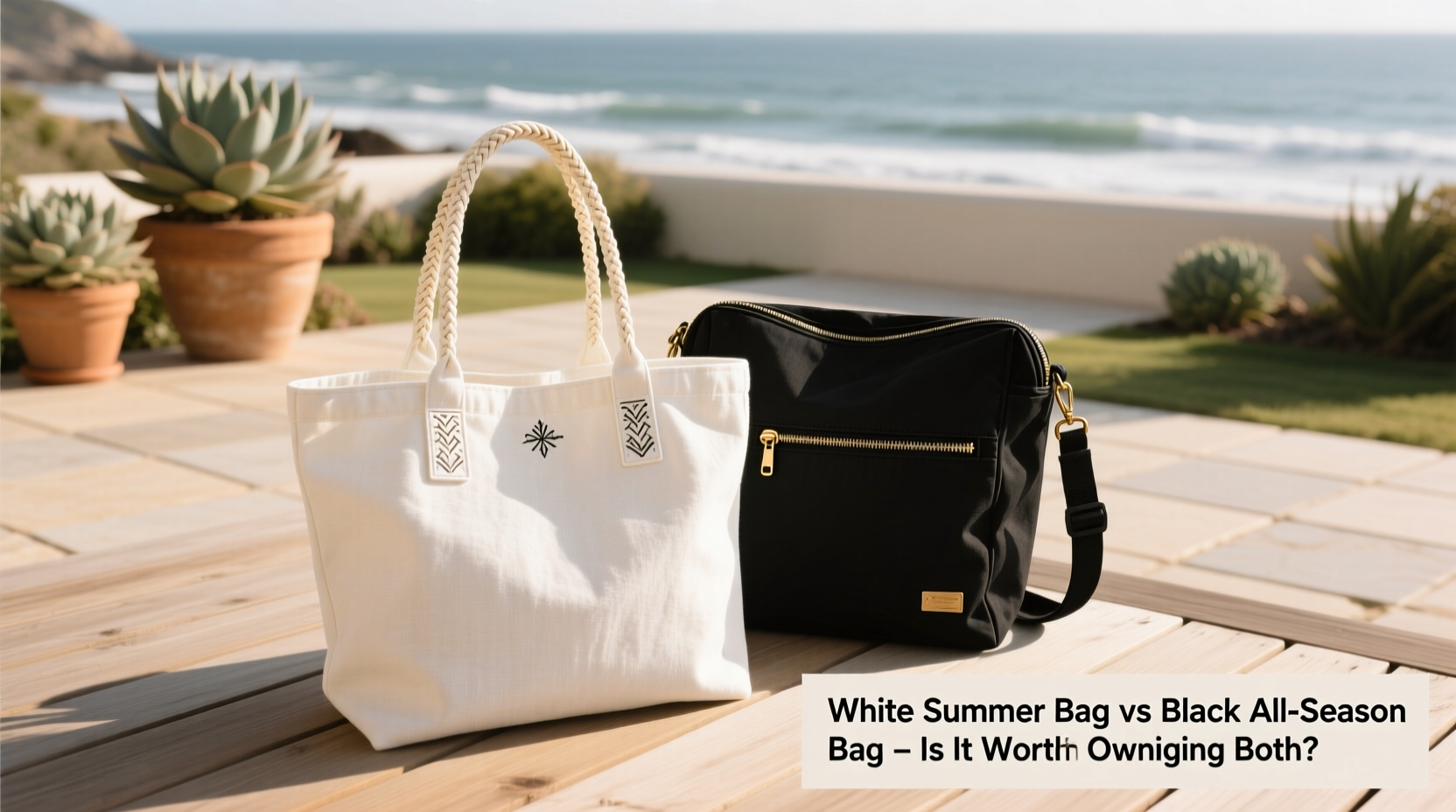
A white bag is more than an accessory; it’s a seasonal statement. Typically made from canvas, leather, or vegan materials designed for breathability, white bags shine during spring and summer. Their brightness complements pastels, florals, denim, and beachwear, elevating even the simplest outfit.
But with beauty comes responsibility. White is unforgiving. Sunscreen residue, grass stains, coffee spills, and dust can all leave visible marks. Regular maintenance is non-negotiable if you want your white bag to stay pristine. That said, when cared for properly, a white summer bag radiates elegance and intentionality.
Pros of a White Summer Bag
- Perfectly matches light, breezy seasonal outfits
- Adds visual contrast and freshness to neutral ensembles
- Photogenic and ideal for vacations, brunches, or garden parties
- Symbolizes a carefree, elevated aesthetic
Cons of a White Summer Bag
- High maintenance—requires frequent cleaning
- Limited wearability in rainy or urban environments
- Less practical for daily commuting or work use
- Can yellow over time if stored improperly
The Strengths of the Black All-Season Bag
If white is seasonal poetry, black is functional prose. A well-crafted black bag—especially in structured leather or durable nylon—transcends trends. It works with tailoring in winter, contrasts boldly against summer whites, and fits seamlessly into professional, casual, and evening settings.
Fashion stylist and accessory curator Lila Monroe puts it plainly:
“A black bag is like punctuation in a sentence—it doesn’t draw attention to itself, but everything feels incomplete without it.” — Lila Monroe, Stylist & Wardrobe Architect
Black conceals dirt, blends with nearly every color, and rarely clashes. It's the default choice for business meetings, evening outings, and unpredictable weather. High-quality black bags often feature hardware, compartments, and ergonomic designs that support daily utility.
Pros of a Black All-Season Bag
- Extremely versatile across seasons and occasions
- Low visibility of stains and wear
- Easily pairs with formal and casual attire
- Tends to hold value better, especially in premium leathers
Cons of a Black All-Season Bag
- Can feel heavy or visually oppressive in hot weather
- May lack seasonal flair or vibrancy
- Risks blending into the background in minimalist wardrobes
- Scratches and scuffs may show on patent or glossy finishes
Comparison: Can One Replace the Other?
To determine whether one bag can do it all, consider usage frequency, environment, and aesthetic goals. The table below outlines key differences to help evaluate functionality.
| Feature | White Summer Bag | Black All-Season Bag |
|---|---|---|
| Best Season | Spring/Summer | All year round |
| Versatility | Moderate (limited by color) | High (works with 90% of outfits) |
| Maintenance Level | High (frequent cleaning needed) | Low to moderate |
| Weather Resistance | Poor (avoid rain, mud) | Good (tolerates varied conditions) |
| Style Impact | High (makes a statement) | Moderate (reliable, not flashy) |
| Durability | Varies (lighter materials common) | Generally higher (built for longevity) |
Real-Life Scenario: Two Women, Two Choices
Sophie, 32 – Urban Professional & Weekend Traveler
Sophie lives in Seattle, where drizzle is a near-daily companion. She owns a buttery black crossbody that she uses for work, errands, and weekend getaways. Last summer, she bought a straw tote with white leather trim for a Mediterranean trip. While she loved its vacation vibe, she found it impractical back home. Rain left water spots, and city sidewalks quickly dulled the edges. Today, it lives in her vacation rotation—used three months a year at most.
Jamila, 28 – Creative Freelancer in Austin
Jamila thrives in bold colors and expressive fashion. Her white woven shoulder bag is her signature piece from March through October. She stores it with silica gel packets and cleans it monthly. In winter, she switches to a matte black satchel. For her, owning both isn’t excess—it’s essential to expressing different facets of her identity across seasons.
Their stories highlight a truth: lifestyle dictates necessity. If you’re in a dry climate with a vibrant social calendar, a white bag earns its keep. If you prioritize function and live in variable weather, black dominates.
Step-by-Step: How to Decide Which Bags You Need
- Assess Your Climate: Do you experience distinct seasons? If yes, seasonal rotation makes sense. If you live in a consistently warm or wet region, adapt accordingly.
- Track Your Outfits for Two Weeks: Note how many times you wear light vs. dark clothing. If 70% of your wardrobe is neutral or dark, black may suffice.
- Map Your Daily Routine: Commuting on public transit? Working outdoors? Frequent dining out? High-exposure activities favor low-maintenance black.
- Test a Monochrome Trial: Use only one bag (start with black) for four weeks. Evaluate gaps in style or function.
- Calculate Cost Per Wear: Divide the price of a white bag by how many times you realistically expect to use it annually. Is the ROI justified?
Checklist: Do You Need Both Bags?
- ☑ I dress significantly lighter in warmer months
- ☑ I attend outdoor events, weddings, or beach trips regularly
- ☑ I’m willing to clean and maintain a high-visibility bag
- ☑ I have storage space for off-season accessories
- ☑ My current black bag feels “off” with summer outfits
If you checked three or more, adding a white summer bag is a worthwhile upgrade. If fewer apply, optimize one high-quality black bag instead.
Frequently Asked Questions
Can I wear a white bag in winter?
Yes, but selectively. Pair it with monochrome winter whites, cream knits, or festive metallics for a modern contrast. Avoid snowy or slushy conditions to prevent salt stains and moisture damage.
Is a beige or tan bag a good compromise?
Absolutely. Neutral tones like camel, oat, or sand offer warmth without the high maintenance of pure white. They bridge seasons effectively and pair well with both black and pastel wardrobes.
How do I keep my white bag clean long-term?
Wipe after each use with a damp cloth, condition leather monthly, and deep-clean every 4–6 weeks during peak season. Store away from sunlight to prevent yellowing.
Final Verdict: Balance Function and Expression
One bag can technically do it all—but that doesn’t mean it should. A black all-season bag offers unmatched practicality, making it the smart foundational choice. Yet, a white summer bag brings joy, seasonal relevance, and aesthetic balance that no neutral substitute fully replicates.
Ultimately, fashion isn’t just about utility. It’s about self-expression, mood, and the subtle details that make getting dressed feel intentional. If your lifestyle allows, owning both is not indulgence—it’s thoughtful curation. But if space or budget demands simplicity, let the black bag lead, and save the white one for moments that call for celebration.




 浙公网安备
33010002000092号
浙公网安备
33010002000092号 浙B2-20120091-4
Comments
No comments yet. Why don't you start the discussion?