
Brian Bechler, more commonly referred to as Mr. Bechler, is a supporting yet pivotal character in the Netflix series *13 Reasons Why*. As Liberty High School’s guidance counselor, he occupies a position meant to support students emotionally and academically. However, his actions—or lack thereof—throughout the series raise critical questions about institutional responsibility, adult accountability, and the consequences of inaction in youth mental health crises. Though not one of the central figures like Clay, Hannah, or Jessica, Bechler’s presence underscores a recurring theme: the failure of systems designed to protect vulnerable teens.
The Role of Mr. Bechler at Liberty High
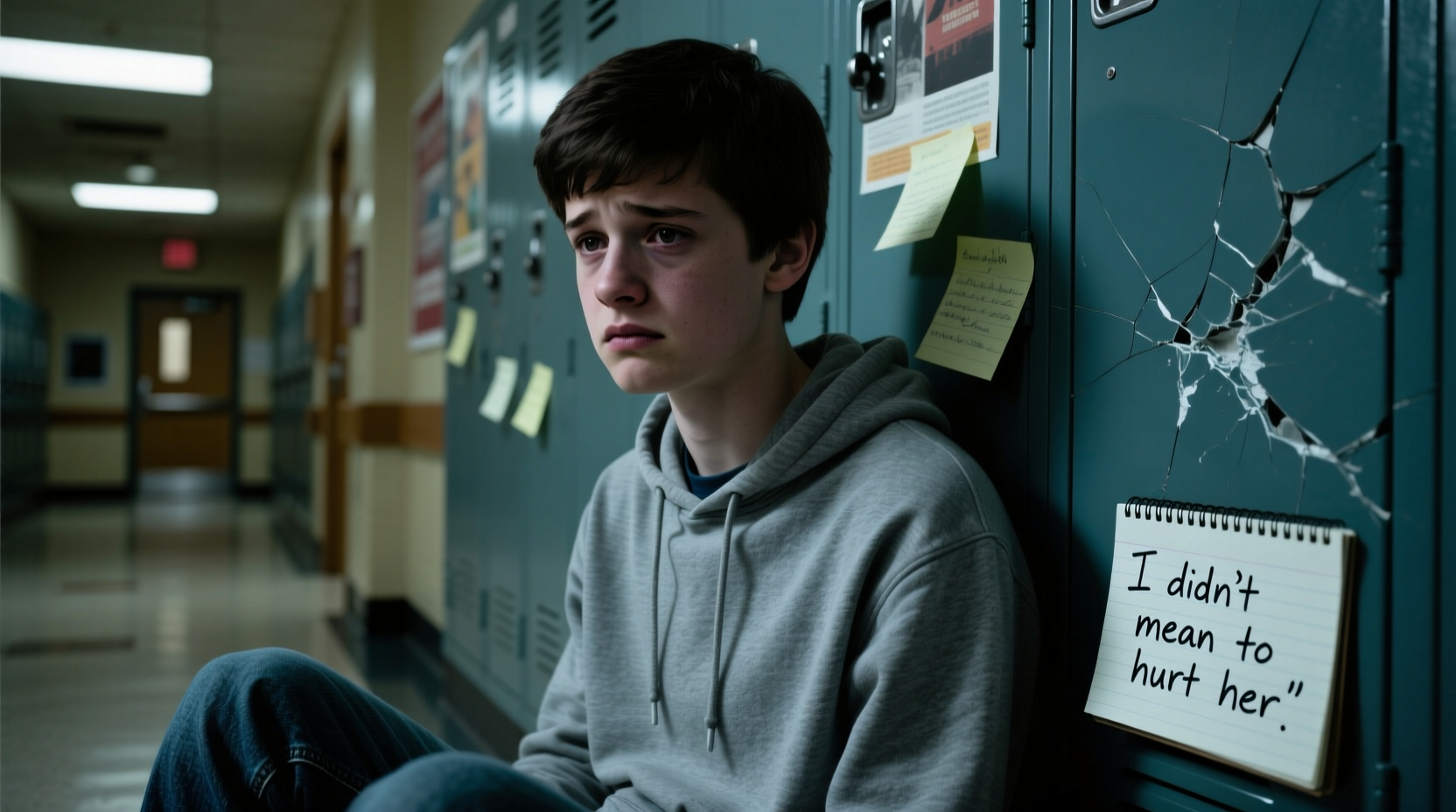
Mr. Bechler serves as the school counselor, a role that typically involves academic advising, emotional support, and crisis intervention. In theory, he should be one of the first points of contact for students struggling with personal or psychological issues. Yet, from his earliest appearances, Bechler comes across as detached, underprepared, and overwhelmed by the volume of student needs.
His office is often portrayed as cluttered and impersonal, reflecting a broader disconnection between the institution and its students. When students do seek help, Bechler frequently defaults to procedural responses—filling out forms, making referrals, or offering generic advice—rather than engaging in meaningful dialogue. This bureaucratic approach becomes especially problematic when dealing with sensitive cases involving trauma, abuse, or suicidal ideation.
A Symbol of Systemic Failure
Bechler is not inherently malicious. He does not actively harm students. But his passivity makes him complicit in the tragedies that unfold. His character functions as a narrative device to highlight how well-intentioned but ineffective adults can contribute to a toxic school environment. The show repeatedly contrasts Bechler’s inaction with the urgent cries for help from students like Hannah Baker and Alex Standall.
In Season 1, when Hannah visits his office after being raped at a party, Bechler fails to recognize the severity of her trauma. Instead of providing empathetic support or initiating proper intervention protocols, he offers vague reassurance and sends her on her way. This moment is emblematic of a larger societal issue: the normalization of suffering among adolescents and the minimization of their pain by authority figures.
Key Interactions and Their Consequences
Bechler’s most significant scenes revolve around moments where intervention could have altered the course of events. Below are three critical instances that define his character arc:
- Hannah Baker’s Visit (Season 1): After being sexually assaulted by Bryce Walker, Hannah confides in Bechler. Instead of recognizing signs of PTSD or sexual trauma, he treats her visit as a routine check-in. He doesn’t report the incident, nor does he refer her to external counseling. His failure here contributes directly to Hannah’s sense of isolation.
- Alex Standall’s Decline (Season 2): Following Alex’s suicide attempt, Bechler conducts a mandated post-crisis evaluation. However, his assessment lacks depth. He asks perfunctory questions without probing into underlying depression or bullying. Later, when Alex relapses, Bechler is nowhere to be found, symbolizing the fragility of institutional follow-up.
- Jessica Davis’ Trauma (Seasons 2–3): Even after Jessica publicly discloses her rape, Bechler plays no visible role in supporting her recovery. There is no indication he initiated trauma-informed care plans or coordinated with external agencies. His absence speaks volumes about the gaps in school-based mental health services.
Contrast with Other Adult Figures
Unlike characters such as Principal Bolan or even Mrs. Bradley (the English teacher), who show varying degrees of engagement, Bechler remains consistently passive. He never attends student-led events, participates in anti-bullying initiatives, or challenges harmful policies. This contrasts sharply with Dr. Sarah Needham, the school psychologist introduced in later seasons, who advocates for systemic reform and pushes back against administrative negligence.
“School counselors aren’t just paperwork managers—they’re frontline responders in adolescent mental health. When they fail to act, the cost is measured in broken lives.” — Dr. Lena Peterson, School Psychology Journal, 2021
Moral Ambiguity: Is Bechler to Blame?
Assigning blame to Bechler is complex. On one hand, he holds a professional duty to identify and respond to student distress. On the other, he operates within a severely underfunded and overburdened system. Liberty High has hundreds of students and only one full-time counselor—a ratio far exceeding recommended standards.
According to the American School Counselor Association (ASCA), the ideal student-to-counselor ratio is 250:1. At Liberty High, estimates suggest it exceeds 500:1. This context matters. Bechler may not be evil, but he also never pushes for change, additional resources, or policy reforms. His compliance with a broken system makes him part of the problem.
| Aspect | Bechler’s Action | Recommended Best Practice |
|---|---|---|
| Hannah’s Disclosure | Dismissive, non-reporting response | Mandatory reporting, trauma-informed follow-up |
| Student Caseload | No public concern raised | Advocacy for hiring additional staff |
| Crisis Intervention | Reactive, not proactive | Regular check-ins with high-risk students |
| Collaboration | Limited interaction with teachers/parents | Interdisciplinary student support teams |
What Viewers Can Learn from Bechler’s Character
While fictional, Bechler represents a real-world archetype: the overwhelmed educator who retreats into procedure rather than empathy. His character serves as a cautionary tale for schools, parents, and policymakers. It prompts viewers to ask difficult questions:
- Are our schools equipped to handle mental health emergencies?
- Do counselors receive adequate training in trauma response?
- How can we ensure that students feel seen, heard, and supported?
The series suggests that individual compassion must be paired with structural reform. One caring adult can make a difference—but systemic change ensures that no student falls through the cracks.
Checklist: Signs a Student May Need Immediate Support
Bechler missed several red flags. Use this checklist to recognize when someone might be struggling:
- Withdrawal from friends or activities
- Sudden drop in academic performance
- Expressions of hopelessness or self-harm
- Changes in sleep or eating patterns
- Direct or indirect references to suicide
- Loss of interest in personal appearance
Frequently Asked Questions
Was Mr. Bechler fired in 13 Reasons Why?
No, Mr. Bechler was never shown to be fired. His role diminishes in later seasons, and he is eventually replaced or overshadowed by more proactive figures like Dr. Needham. The show implies systemic turnover rather than individual accountability.
Does Bechler appear in all seasons?
He appears primarily in Seasons 1 and 2, with minimal presence in Season 3. By Season 4, he is no longer featured, suggesting either resignation, reassignment, or deliberate exclusion from key storylines.
Could Bechler have prevented any of the tragedies?
Potentially, yes. Early intervention with Hannah, Alex, or Jessica could have altered outcomes. While he couldn’t single-handedly stop all harm, timely referrals, active listening, and mandatory reporting might have created lifelines for those in crisis.
Conclusion: Beyond Fiction—A Call for Real Change
Mr. Bechler is more than a character—he’s a mirror. He reflects the quiet failures that occur when institutions prioritize order over empathy, paperwork over people. *13 Reasons Why* uses his passivity to challenge viewers: What will you do when someone reaches out? Will you listen deeply, act decisively, and advocate relentlessly?
The legacy of Bechler shouldn’t be indifference—it should be motivation. Whether you're a teacher, parent, student, or concerned citizen, you have a role in building safer, more supportive communities. Speak up. Get trained. Demand better resources. Because behind every statistic is a person who deserves to be seen.




 浙公网安备
33010002000092号
浙公网安备
33010002000092号 浙B2-20120091-4
Comments
No comments yet. Why don't you start the discussion?