
Curtis James Jackson III is a name that might not immediately ring bells for everyone, but \"50 Cent\"? That’s universally recognized. The rapper, entrepreneur, and cultural icon didn’t just pick a catchy alias—he chose a name steeped in symbolism, personal history, and urban legend. While many assume the moniker refers to money or a discount, the truth runs much deeper into the streets of South Jamaica, Queens, where reputation is everything and names carry weight. Understanding why 50 Cent chose his name reveals far more than branding—it’s a story of survival, betrayal, and reinvention.
The Literal Meaning: What “50 Cent” Actually Signifies
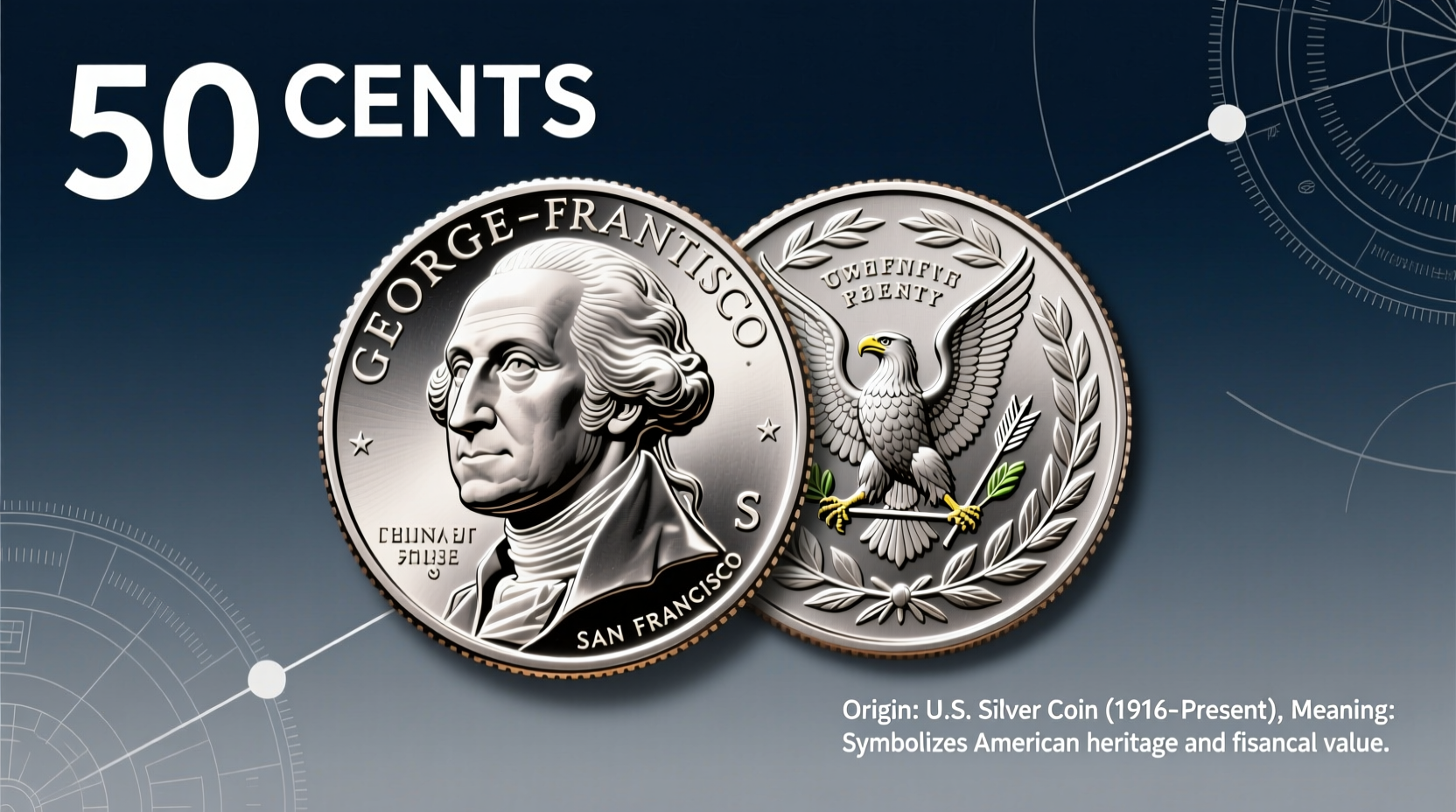
The phrase “50 cent” in American slang has long been associated with something cheap, disposable, or lacking value. But in the context of Curtis Jackson’s life, it took on an entirely different connotation. In street culture, calling someone “50 cent” was a way of saying they weren’t worth a dollar—lacking integrity, loyalty, or credibility. It was an insult, implying someone would sell out for a small price.
When Jackson adopted the name, he flipped the narrative. Instead of shying away from the stigma, he embraced it as a badge of awareness. He wasn’t unaware of betrayal; he had lived it. By naming himself 50 Cent, he acknowledged the fragility of trust in his environment while asserting control over his own identity. As he later explained, the name served as both a warning and a reminder: “I know what people are capable of. I’ve seen friends turn for less.”
The Origin Story: A Shooting, a Betrayal, and a Rebirth
The pivotal moment that cemented the name came in May 2000, when Jackson was shot nine times in a drive-by shooting outside his grandmother’s home. Miraculously, he survived—a fact he attributes partly to luck, partly to timing. But what made the incident even more jarring was the revelation that someone close to him had set him up. The betrayal cut deep, and it reshaped how he viewed relationships in the music industry and on the streets.
After recovering, Jackson decided to rebrand himself completely. He had already been using variations of the name “50 Cent” in underground circles, inspired by Kelvin Martin, a 1980s Brooklyn burglar known for robbing people for “50 cents” to prove a point about vulnerability. But post-shooting, the name gained new gravity. It became symbolic of his near-death experience and the realization that loyalty had a price—one some were willing to collect for pocket change.
“People will stab you in the back for 50 cents. I’ve seen it happen. So I took the name to remind myself—and everyone else—that not everybody is worth a dollar.” — 50 Cent
Historical Roots: Kelvin Martin and the Birth of a Meme
The original “50 Cent” wasn’t a rapper—it was a real-life figure from New York City’s criminal underworld. Kelvin Martin, also known as “50 Cent,” rose to infamy in the mid-1980s for a series of high-profile robberies in Brooklyn. His modus operandi was psychological: he’d approach victims, demand their valuables, and then take only 50 cents, leaving the rest behind. This wasn’t about profit; it was about power, fear, and humiliation.
His exploits became legendary in NYC street lore, covered by local media and even referenced in hip-hop lyrics before Jackson’s time. For young rappers growing up in the city, “50 Cent” became a symbol of audacity and unpredictability. When Jackson adopted the name in the late 1990s, he paid homage to this legacy while carving out his own version of the mythos.
Comparison: The Two 50 Cents
| Aspect | Kelvin Martin (Original) | Curtis Jackson (Rapper) |
|---|---|---|
| Era | 1980s | 2000s–Present |
| Profession | Burglar | Rapper, Entrepreneur |
| Motive for Name | Symbolic robbery for 50 cents | Street credibility & betrayal awareness |
| Public Fame | Local notoriety, media coverage | Global celebrity, business empire |
| Legacy | Urban legend | Cultural icon, brand mogul |
From Insult to Empire: How the Name Became a Brand
What began as a gritty street reference evolved into one of the most powerful personal brands in entertainment. After surviving the shooting and independently releasing mixtapes like *Guess Who’s Back?*, Jackson caught the attention of Dr. Dre and Eminem, who signed him to Shady/Aftermath in 2002. His debut album, *Get Rich or Die Tryin’*, sold over 800,000 copies in its first week and launched him into superstardom.
The irony wasn’t lost on anyone: a man named after being “worth half a dollar” was now worth tens of millions. But Jackson leaned into the contradiction. He used the name to highlight his rise from poverty and violence to wealth and influence. The logo—a classic buffalo nickel—became instantly recognizable, appearing on albums, clothing lines, video games, and even energy drinks.
In interviews, he often joked about the name’s financial absurdity: “I’m called 50 Cent, but I’m worth way more than that now.” Yet beneath the humor was a serious message about transformation and resilience.
Timeline: Key Moments in the Evolution of the 50 Cent Name
- 1980s: Kelvin Martin operates in Brooklyn, earns the nickname “50 Cent” through symbolic robberies.
- Late 1990s: Curtis Jackson begins using “50 Cent” in underground rap battles and mixtapes.
- May 2000: Jackson survives a nine-shot assassination attempt; betrayal by a close associate reinforces the name’s meaning.
- 2002: Signed to Interscope Records via Dr. Dre and Eminem; releases major-label debut.
- 2003: Get Rich or Die Tryin’ becomes a cultural phenomenon; the name gains global recognition.
- 2007: Launches Vitamin Water investment, later earning $100 million from Coca-Cola acquisition.
- 2010s–Present: Expands into film, TV production (Power series), fitness, and digital media.
FAQ
Did 50 Cent get permission to use the name from the original “50 Cent”?
No formal legal transfer occurred. Kelvin Martin was incarcerated during the time Curtis Jackson adopted the name. There was no direct collaboration, though Jackson has acknowledged Martin’s influence in interviews. Martin reportedly expressed mixed feelings but never pursued legal action.
Is 50 Cent’s name related to the Canadian rapper “Tory Lanez” using “50%”?
Possibly. In 2020, Tory Lanez changed his name to “50%” amid a public feud with 50 Cent, who criticized him heavily after a legal incident. The move was widely seen as a jab or imitation, playing on the same symbolism of devaluation or partial worth. 50 Cent publicly mocked the change, reinforcing his ownership of the original brand.
Why didn’t 50 Cent change his name after becoming successful?
He’s stated in multiple interviews that the name represents his journey. Changing it would mean rejecting the struggles that shaped him. As he put it: “The name reminds me where I came from. I don’t want to forget that.”
Real-World Impact: The Name Beyond Music
Consider the case of a young artist from Detroit who began rapping under the name “Half Dollar” in 2015, trying to evoke a similar edge. Despite decent local buzz, he struggled to gain traction. Industry contacts told him the name lacked authenticity—it felt imitative rather than earned. Unlike 50 Cent, he hadn’t lived through betrayal or violence that justified the symbolism.
This illustrates a broader truth: in hip-hop, names aren’t just marketing tools—they’re testimonials. The most enduring aliases are those rooted in real experience. 50 Cent’s name works because it’s backed by a story the audience can believe. It’s not a gimmick; it’s a memoir in two syllables.
Conclusion: More Than a Nickname—A Testament to Survival
The name “50 Cent” is not a throwaway joke or a random choice. It’s a layered symbol of betrayal, survival, and self-awareness. Born from street lore, tested by gunfire, and refined through relentless hustle, it transformed from an insult into a global brand. It stands as proof that in hip-hop—and in life—meaning isn’t given, it’s forged.
Today, when people hear “50 Cent,” they don’t think of loose change. They think of resilience, strategy, and undeniable impact. The name endures because it tells a truth far deeper than currency: that some people will sell you out for pennies, but the ones who survive? They become priceless.




 浙公网安备
33010002000092号
浙公网安备
33010002000092号 浙B2-20120091-4
Comments
No comments yet. Why don't you start the discussion?