
September 11, 2001, was not just a day of tragedy; it was a turning point that reshaped nations, redefined security, and altered the course of modern history. The coordinated terrorist attacks on the World Trade Center, the Pentagon, and the failed attempt aboard United Airlines Flight 93 killed nearly 3,000 people and left an indelible scar on the American psyche. Yet more than two decades later, the question remains: Why does 9/11 still matter? Its significance endures not only in memory but in policy, identity, and global dynamics. Understanding its lasting impact is essential to comprehending the world we live in today.
The Immediate Aftermath: A Nation in Shock
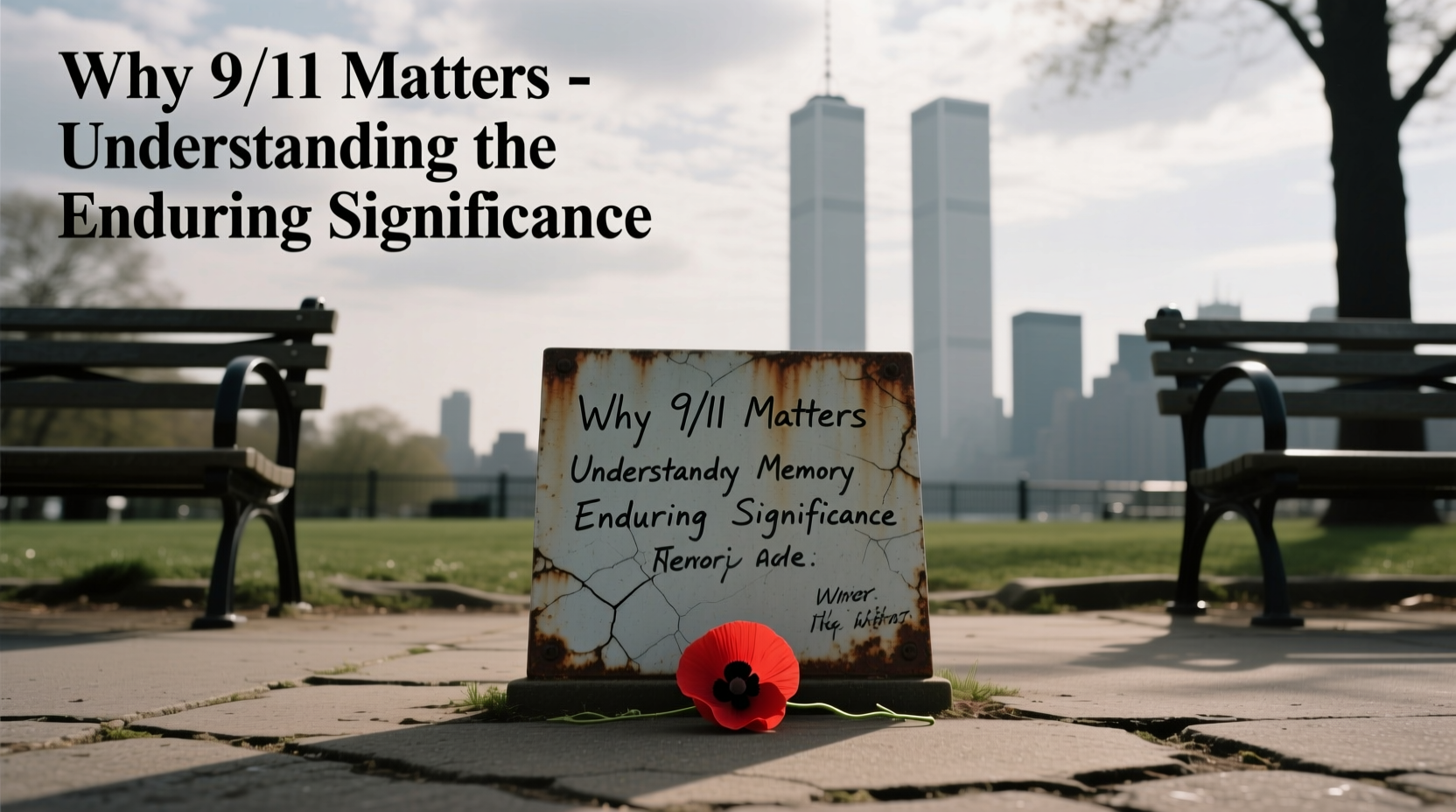
In the hours and days following the attacks, the United States faced an unprecedented crisis. Images of smoke rising from Lower Manhattan, the collapse of the Twin Towers, and stunned citizens covering their faces with makeshift masks became seared into public consciousness. Emergency responders worked tirelessly amid chaos, while families across the country waited for news of loved ones.
The immediate response included the grounding of all civilian aircraft, a nationwide state of emergency, and an outpouring of solidarity. Flags flew at half-staff, vigils were held in towns large and small, and spontaneous memorials appeared in parks and street corners. The unity felt in those early days was profound—politicians from both parties stood together, first responders were hailed as heroes, and ordinary citizens reached out to help one another.
A Shift in Global Security and Foreign Policy
One of the most tangible legacies of 9/11 is the transformation of national and international security frameworks. The U.S. launched the War on Terror, beginning with the invasion of Afghanistan in October 2001 to dismantle al-Qaeda and remove the Taliban from power. This marked the start of what would become two decades of military engagement abroad.
The creation of the Department of Homeland Security in 2002 centralized domestic security efforts, while the USA PATRIOT Act expanded surveillance powers and law enforcement capabilities. Air travel was permanently changed—passengers now face rigorous screening, restrictions on liquids, and behavioral detection programs. These measures, while controversial, reflect a fundamental recalibration of how safety is prioritized in public spaces.
“9/11 didn’t just change our foreign policy—it rewrote the rules of engagement for an entire generation.” — Dr. Sarah Lin, National Security Analyst at Georgetown University
The Human Cost Beyond the Day Itself
The loss of life on September 11 was catastrophic, but the human toll has extended far beyond that single day. First responders who inhaled toxic debris at Ground Zero have suffered long-term health consequences, including respiratory diseases and cancers linked to exposure. As of 2023, over 2,000 rescue and recovery workers have died from 9/11-related illnesses, according to the World Trade Center Health Program.
Survivors, family members, and witnesses continue to grapple with PTSD, anxiety, and grief. For many, the anniversary reignites trauma. Psychological studies show that collective trauma of this scale can affect community resilience for decades, influencing how future crises—from pandemics to mass shootings—are perceived and managed.
Timeline of Key Events Following 9/11
- October 7, 2001: U.S. begins bombing campaign in Afghanistan.
- November 2001: Fall of the Taliban regime (temporary).
- 2003: Invasion of Iraq based on intelligence linking Saddam Hussein to WMDs and terrorism (later discredited).
- 2004: 9/11 Commission releases final report detailing failures and recommendations.
- 2011: Osama bin Laden killed in Pakistan by U.S. Navy SEALs.
- 2021: Final U.S. troops withdraw from Afghanistan after 20-year war.
Societal and Cultural Impact
9/11 altered the cultural fabric of the United States and much of the Western world. Media coverage shifted toward counterterrorism narratives, and Hollywood began producing films centered on espionage, surveillance, and moral ambiguity. Television series like *24* and movies such as *United 93* reflected public anxieties and attempts to make sense of the unthinkable.
Islamophobia surged in the aftermath. Muslim Americans reported increased discrimination, hate crimes, and suspicion. Mosques were vandalized, and individuals were profiled based solely on appearance or name. While civil rights organizations pushed back, the stigma persists in subtle forms today.
At the same time, acts of courage—like the passengers of Flight 93 who fought back against hijackers—became symbols of resistance and sacrifice. Memorials, museums, and annual commemorations ensure that individual stories are not lost to time.
| Aspect | Before 9/11 | After 9/11 |
|---|---|---|
| Domestic Surveillance | Limited, regulated | Expanded under Patriot Act |
| International Travel | Minimal screening | Rigorous checks, biometrics |
| Military Engagement | Peacetime operations | Global counterterrorism focus |
| Public Trust in Government | Moderate confidence | Initial surge, then erosion over Iraq War |
| Civil Liberties Debate | Low intensity | Ongoing tension between security and freedom |
Educational Responsibility and Historical Memory
As the years pass, fewer Americans have direct memories of 9/11. For students born after 2005, the event is history—not lived experience. This generational shift places greater responsibility on educators, families, and institutions to convey its significance accurately and meaningfully.
Curricula must balance factual reporting with emotional sensitivity. Lessons should include not only the events of the day but also the geopolitical context, the rise of extremist ideologies, and the ethical dilemmas raised by responses to terrorism. Avoiding oversimplification is key—framing the conflict as “good vs. evil” may provide comfort but fails to prepare young people for complex realities.
Mini Case Study: Teaching 9/11 in a Diverse Classroom
In a high school in suburban Chicago, teacher Maria Thompson introduced a unit on 9/11 by inviting a former firefighter who volunteered at Ground Zero. She paired his testimony with essays written by Muslim-American students reflecting on how the attacks affected their families. The discussion moved beyond facts to empathy, revealing how trauma ripples outward. Students later created digital memorials combining art, poetry, and research. The project received district-wide recognition for its depth and inclusivity.
Frequently Asked Questions
Why do we still commemorate 9/11 every year?
Annual commemorations honor the lives lost, support survivors and families, and reaffirm national values of resilience and unity. They also serve as educational moments to prevent historical amnesia and promote civic reflection.
Did 9/11 lead to long-term changes in U.S. foreign policy?
Yes. The doctrine of preemptive strikes, increased defense spending, drone warfare, and prolonged military presence in the Middle East all stem from post-9/11 strategic decisions. These policies continue to influence diplomatic relations and military engagements worldwide.
How can individuals contribute to preserving the memory of 9/11?
People can volunteer at memorial events, support first responder charities, educate others using credible resources, and encourage open dialogue about the event’s legacy. Listening to survivors and respecting diverse perspectives is equally important.
Action Checklist: Honoring the Legacy of 9/11
- Visit a local memorial or attend a moment of silence ceremony.
- Read the 9/11 Commission Report or watch a documentary from a reputable source.
- Talk to someone who experienced the day firsthand.
- Donate to organizations supporting 9/11 families or first responders’ health programs.
- Reflect on how personal freedoms and national security intersect in your daily life.
Conclusion: Why Remembrance Matters
Understanding why 9/11 matters goes beyond remembering a date. It means confronting uncomfortable truths about vulnerability, extremism, and the cost of security. It means honoring those who were lost and recognizing the ongoing struggles of survivors. And it means learning from the past to build a more informed, compassionate future.
The significance of 9/11 endures because its effects are still unfolding—in veterans returning from war, in airport lines, in classrooms discussing democracy and fear, and in every decision about how to balance liberty with protection. History does not fade simply because time passes. It lives in choices, policies, and memories.




 浙公网安备
33010002000092号
浙公网安备
33010002000092号 浙B2-20120091-4
Comments
No comments yet. Why don't you start the discussion?