
In today’s complex professional landscape, integrity and accountability are not just ideals—they are necessities. A well-crafted code of ethics serves as the moral compass for individuals and organizations alike. It defines acceptable behavior, sets expectations, and fosters a culture rooted in transparency and responsibility. Whether in business, healthcare, education, or public service, ethical standards guide decision-making when rules alone don’t provide clear direction.
A code of ethics is more than a document filed away in a policy manual. When actively implemented and lived by leadership and employees, it becomes a foundational element of organizational identity. It shapes how teams interact, how problems are resolved, and how stakeholders perceive the organization. This article explores the tangible reasons why a code of ethics matters, outlines its key benefits, and explains its enduring importance across industries.
The Role of a Code of Ethics in Decision-Making
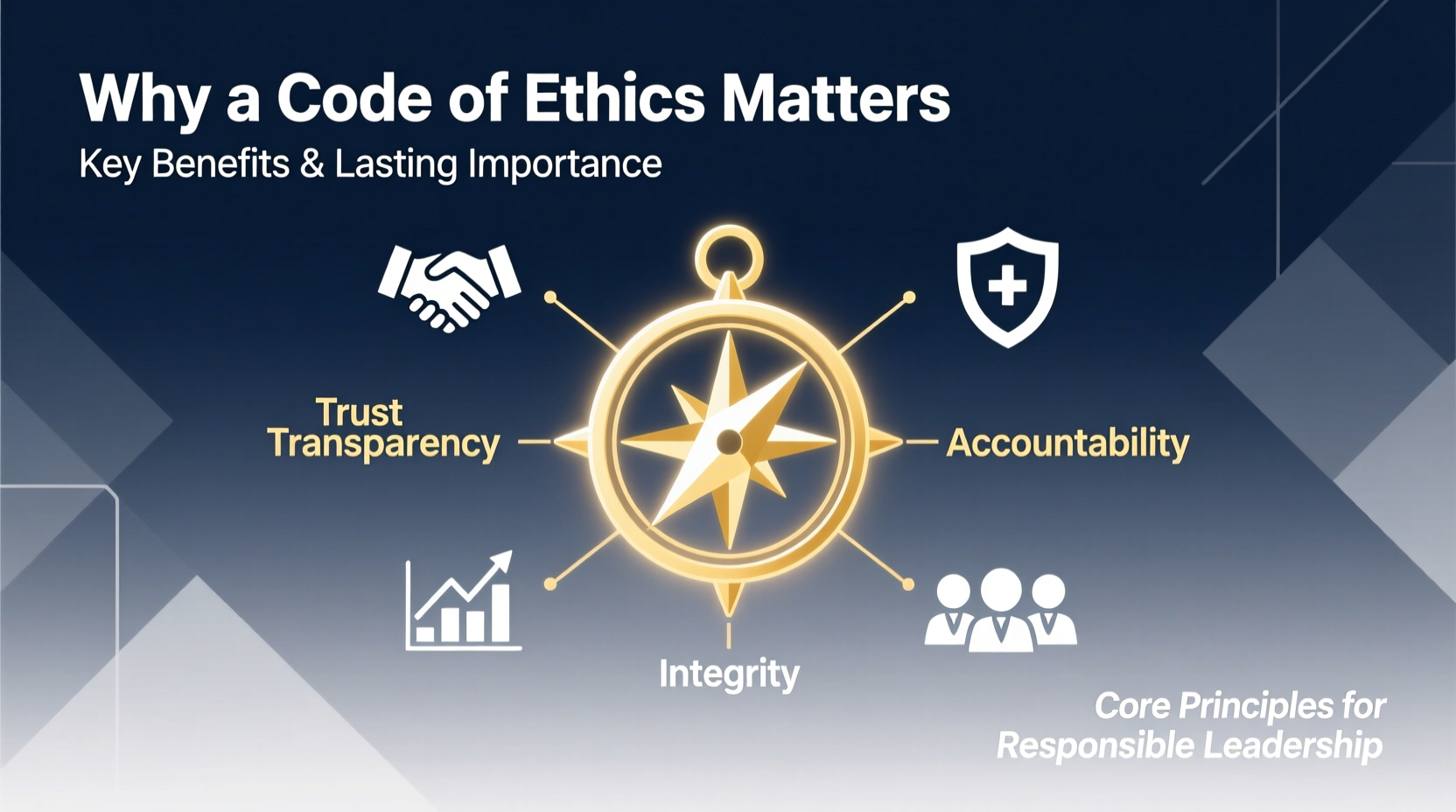
Every day, professionals face choices that have ethical implications—some obvious, others subtle. Should a sales representative disclose a product limitation? Should a manager report inflated performance metrics? These situations often fall into gray areas where legal compliance doesn’t equate to ethical correctness.
A code of ethics provides a framework for navigating such dilemmas. It establishes core principles—such as honesty, fairness, respect, and accountability—that serve as reference points when uncertainty arises. Employees equipped with these guidelines are more likely to make consistent, principled decisions even under pressure.
Moreover, a strong ethical framework reduces cognitive load during high-stakes moments. Instead of improvising responses, individuals can align their actions with established values. This consistency builds internal confidence and external credibility.
Key Benefits of Implementing a Code of Ethics
The advantages of a robust code of ethics extend far beyond avoiding misconduct. They permeate every level of an organization and contribute directly to sustainable success.
- Builds Trust with Stakeholders: Customers, investors, and partners are more likely to engage with organizations they perceive as ethical. Transparency breeds confidence.
- Strengthens Organizational Culture: A shared ethical foundation unites employees around common values, reducing conflict and increasing cohesion.
- Reduces Legal and Reputational Risk: Proactive ethical standards help prevent violations before they occur, minimizing fines, lawsuits, and public backlash.
- Enhances Employee Morale and Retention: People want to work for companies that stand for something. Ethical environments attract talent and reduce turnover.
- Supports Long-Term Strategic Goals: Ethical practices foster innovation, customer loyalty, and brand equity—key drivers of lasting growth.
Case Study: The Cost of Ignoring Ethics
Consider the case of a mid-sized tech startup that prioritized rapid growth over ethical oversight. In pursuit of market share, sales teams were incentivized to exaggerate product capabilities. Initially, revenue surged. But within 18 months, multiple clients filed complaints, regulatory bodies launched investigations, and employee morale plummeted due to internal pressure to \"hit targets at any cost.\"
When news broke publicly, investor confidence collapsed. The company lost two major funding rounds and was forced into restructuring. Leadership later admitted that the absence of a formal code of ethics—and lack of enforcement—allowed toxic behaviors to take root. After adopting a comprehensive ethics program, including training and anonymous reporting channels, the company slowly rebuilt trust and stabilized operations.
This example underscores that ethics isn’t a secondary concern—it’s a strategic imperative.
Components of an Effective Code of Ethics
A meaningful code of ethics goes beyond vague statements like “behave ethically.” It must be specific, actionable, and relevant to the organization’s mission and industry. Key components include:
- Core Values Statement: Clearly defined principles such as integrity, respect, diversity, and accountability.
- Behavioral Guidelines: Concrete examples of acceptable and unacceptable conduct in various contexts (e.g., conflicts of interest, data privacy).
- Reporting Mechanisms: Safe, confidential ways for employees to report concerns without fear of retaliation.
- Enforcement Policies: Defined consequences for violations and procedures for investigation and resolution.
- Leadership Commitment: Visible endorsement and modeling of ethical behavior from executives and managers.
| Element | Purpose | Example |
|---|---|---|
| Core Values | Establishes foundational beliefs | \"We value honesty in all communications with clients.\" |
| Conflict of Interest Policy | Prevents personal gain from influencing decisions | Employees must disclose outside affiliations with vendors. |
| Whistleblower Protection | Encourages reporting without fear | Anonymous hotline managed by third party. |
| Training Requirements | Ensures understanding and application | Annual ethics workshop for all staff. |
Expert Insight on Ethical Leadership
“Culture eats strategy for breakfast—but ethics feeds the culture. Without a living code of ethics, even the best strategies fail when trust erodes.” — Dr. Linda Chen, Organizational Psychologist and Ethics Consultant
Dr. Chen’s observation highlights a critical truth: no amount of planning or innovation can compensate for a breakdown in ethical standards. Leaders who embody ethical behavior set the tone for entire organizations. Their actions signal what is truly valued, regardless of what is written in handbooks.
Steps to Develop and Sustain an Ethical Framework
Creating a code of ethics is not a one-time project. It requires ongoing effort and integration into daily operations. Follow this step-by-step process to build and maintain an effective system:
- Assess Current Culture: Conduct surveys or focus groups to understand existing attitudes toward ethics.
- Draft the Code with Input: Involve cross-functional teams to ensure relevance and buy-in.
- Align with Mission and Industry Standards: Tailor language and policies to your sector’s unique challenges.
- Train All Employees: Deliver interactive sessions that go beyond reading the document.
- Integrate into Performance Reviews: Include ethical behavior as a criterion for evaluations and promotions.
- Review Annually: Update the code based on feedback, incidents, or changes in law and regulation.
Frequently Asked Questions
What's the difference between a code of ethics and a code of conduct?
A code of ethics outlines broad principles and values that guide behavior, while a code of conduct specifies concrete rules and prohibited actions. The former answers \"why\" we act ethically; the latter defines \"how\" through enforceable standards.
Can small businesses benefit from a code of ethics?
Absolutely. Even small teams face ethical decisions. A simple, clear code helps maintain professionalism, build client trust, and prepare for future growth. It also protects owners from liability by setting behavioral expectations early.
How do you enforce a code of ethics without creating a culture of fear?
Enforcement should be fair, transparent, and educational. Focus on coaching and correction rather than punishment. Protect whistleblowers and emphasize that reporting concerns is an act of loyalty—not betrayal.
Conclusion: Make Ethics Non-Negotiable
A code of ethics is not a luxury reserved for large corporations or regulated industries. It is a vital tool for any group seeking to operate with integrity, earn trust, and achieve sustainable impact. The benefits—stronger culture, reduced risk, enhanced reputation—are too significant to ignore.
Organizations that treat ethics as a core discipline, not just a compliance checkbox, position themselves for resilience and long-term success. They attract customers who value authenticity, employees who take pride in their work, and partners who see them as reliable allies.




 浙公网安备
33010002000092号
浙公网安备
33010002000092号 浙B2-20120091-4
Comments
No comments yet. Why don't you start the discussion?