
It starts with a flicker of movement in the corner of your eye—a spider skittering across the floor, a beetle crawling up the wall, or even a fly buzzing near your face. For many, the reaction is immediate: heart races, skin crawls, muscles tense. This intense fear isn’t just annoyance; it’s a real psychological response known as entomophobia, the irrational or excessive fear of insects.
While some discomfort around bugs is normal—after all, certain species can carry disease or sting—entomophobia goes beyond caution. It can lead to panic attacks, avoidance behaviors, and significant disruption in daily life. Understanding why this fear develops, how it manifests, and what can be done about it is the first step toward regaining control.
The Psychology Behind Insect Fear
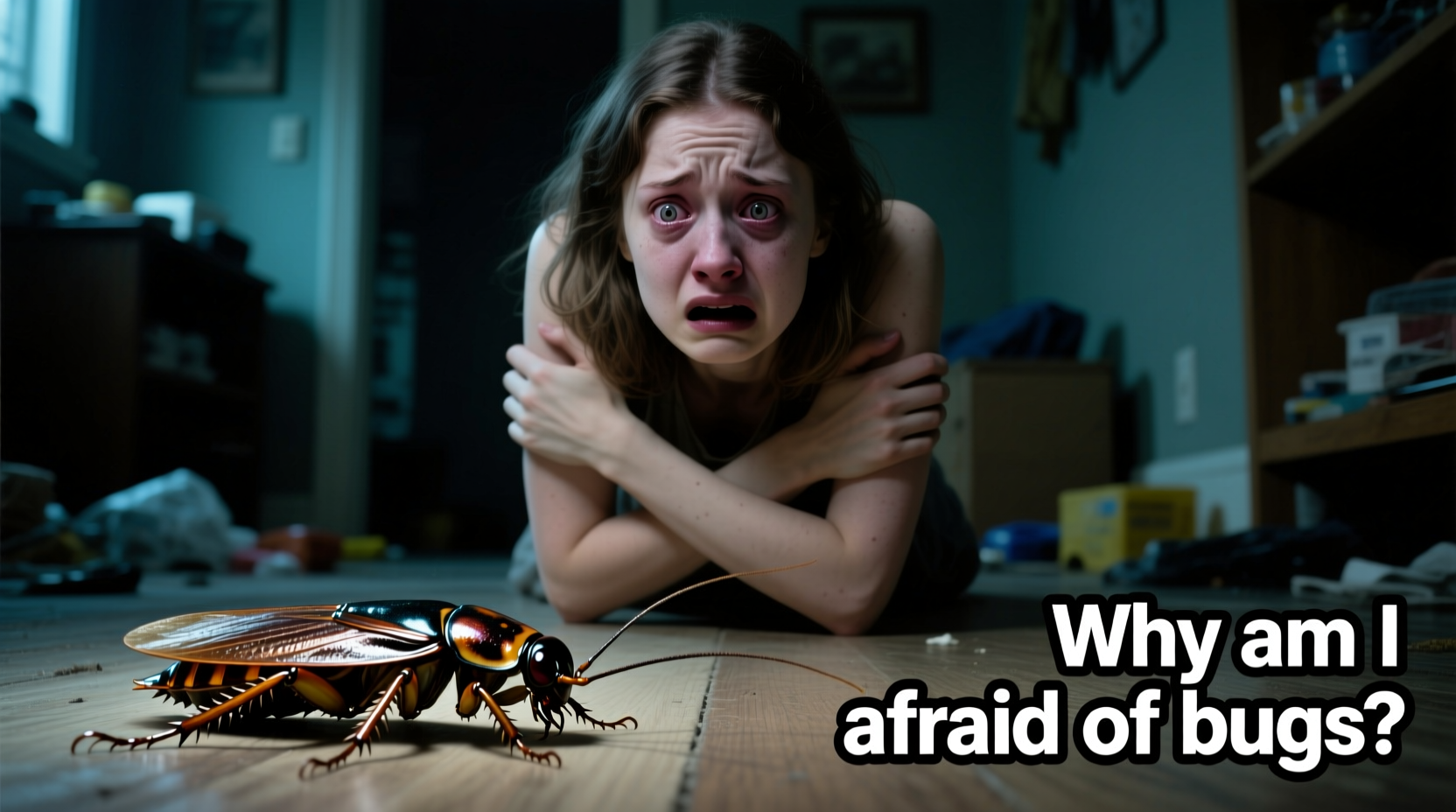
Fear of insects is one of the most common specific phobias worldwide. Unlike general anxiety, phobias are focused on particular triggers and often provoke disproportionate reactions. Entomophobia typically centers on insects like spiders (arachnophobia), ants, cockroaches, wasps, and beetles—creatures that are small, fast-moving, and sometimes associated with dirt or danger.
From an evolutionary standpoint, a degree of wariness makes sense. Early humans who avoided venomous or disease-carrying insects had better survival odds. This ingrained caution may explain why insect-related fears are so prevalent—they’re rooted in biological self-preservation. However, when that caution escalates into paralyzing fear, it crosses into phobia territory.
Modern psychology identifies several contributing factors:
- Classical conditioning: A traumatic experience—like being stung by a bee or waking up with bedbugs—can condition the brain to associate all insects with danger.
- Observational learning: Children often adopt fears from parents or caregivers. If a parent screams at the sight of a spider, the child learns to react the same way.
- Cognitive distortions: The mind exaggerates threat levels—“All spiders are deadly” or “One ant means an infestation”—fueling irrational dread.
“Phobias aren’t just ‘in your head’—they reflect real neural patterns. The amygdala, our fear center, becomes hyperactive, triggering fight-or-flight responses even when no real threat exists.” — Dr. Lena Torres, Clinical Psychologist & Anxiety Specialist
Common Triggers and Symptoms of Entomophobia
Entomophobia varies in intensity. Some people can tolerate seeing insects on TV but panic if one appears in their home. Others avoid outdoor activities altogether. Common physical and emotional symptoms include:
- Rapid heartbeat
- Sweating or trembling
- Shortness of breath
- Nausea or dizziness
- Overwhelming urge to flee
- Obsessive cleaning or sealing windows to keep bugs out
Triggers often involve unpredictability—bugs appear suddenly, move erratically, or invade personal space. Their alien-like appearance—multiple legs, compound eyes, hard exoskeletons—can also trigger disgust or unease, which amplifies fear.
Understanding the Spectrum: Discomfort vs. Phobia
Not everyone who dislikes bugs has a phobia. The key difference lies in impact. Here’s how to distinguish mild aversion from clinical entomophobia:
| Aspect | Normal Discomfort | Entomophobia |
|---|---|---|
| Reaction to Sight | Mild startle, brief discomfort | Panic, screaming, freezing |
| Avoidance Behavior | May shoo bug away | Avoids basements, gardens, camping |
| Impact on Life | Minimal | Disrupts routines, relationships, travel |
| Duration of Fear | Passes quickly | Persists for months or years |
| Physical Response | Minor adrenaline spike | Full panic attack |
If your fear prevents you from enjoying summer evenings, forces you to call pest control for a single moth, or causes sleepless nights over the possibility of bugs, it may be time to seek support.
Strategies to Overcome Entomophobia
Healing from entomophobia doesn’t require becoming best friends with every insect. It’s about reducing the power the fear holds over your life. Evidence-based approaches include:
1. Cognitive Behavioral Therapy (CBT)
CBT helps identify and reframe distorted thoughts. For example, replacing “This spider will hurt me” with “Most spiders are harmless and avoid humans” reduces perceived threat.
2. Gradual Exposure (Systematic Desensitization)
This involves slow, controlled exposure to the feared object. A typical progression might look like:
- Looking at photos of insects
- Watching videos of bugs in nature
- Being in the same room as a contained insect (e.g., in a jar)
- Observing insects outdoors at a distance
- Allowing a harmless bug (like a ladybug) to crawl on your hand
3. Mindfulness and Grounding Techniques
When fear strikes, grounding exercises can interrupt the panic cycle. Try the 5-4-3-2-1 method: name 5 things you see, 4 you can touch, 3 you hear, 2 you smell, and 1 you taste.
4. Education
Learning about insect behavior demystifies them. Did you know that only about 0.5% of insect species are harmful to humans? Or that house spiders eat pests like mosquitoes? Knowledge builds confidence.
Mini Case Study: Maria’s Journey with Spider Fear
Maria, a 34-year-old teacher from Portland, avoided her attic for over five years after spotting a large spider during a move. She began experiencing anxiety whenever she heard rustling sounds, convinced spiders were near. Her fear affected her ability to host guests and enjoy her home.
She sought therapy and began CBT sessions. Her therapist guided her through exposure exercises: first looking at cartoon spiders, then real photos, then watching documentaries. After six weeks, she stood in her attic with a therapist present. By week ten, she could enter the space alone. Today, she still dislikes spiders—but no longer lets them dictate her life.
“I realized my fear wasn’t about the spider,” she said. “It was about losing control. Once I learned to manage my reaction, the power it had over me faded.”
FAQ: Common Questions About Entomophobia
Can entomophobia develop later in life?
Yes. While many develop insect fears in childhood, adults can acquire them after traumatic events—such as a severe allergic reaction to a sting or witnessing an infestation.
Are some people more prone to bug phobias?
Individuals with anxiety disorders, high sensitivity, or a history of trauma may be more vulnerable. Genetics and environment both play roles in phobia development.
Is medication necessary to treat entomophobia?
Not always. Therapy, especially CBT, is highly effective. Medication like anti-anxiety drugs may be used short-term in severe cases but is not a long-term solution.
Checklist: Steps to Manage Your Fear of Bugs
Use this actionable checklist to begin addressing entomophobia:
- ✅ Acknowledge your fear without judgment
- ✅ Identify specific triggers (e.g., flying insects vs. crawling ones)
- ✅ Learn factual information about common insects in your area
- ✅ Practice deep breathing when anxious
- ✅ Begin gradual exposure (start with images or videos)
- ✅ Seek a licensed therapist if fear interferes with daily life
- ✅ Celebrate small progress—each step counts
Conclusion: Reclaiming Calm in a Crawling World
Fear of bugs is more than a quirk—it’s a deeply felt experience that can shape behavior, limit freedom, and amplify stress. But it’s also highly treatable. By understanding the roots of entomophobia, recognizing its symptoms, and applying proven techniques, you can shift from fear to resilience.
You don’t need to love insects to stop fearing them. You just need to retrain your brain to see them as part of the natural world—not as threats. With patience and practice, peace of mind is within reach.




 浙公网安备
33010002000092号
浙公网安备
33010002000092号 浙B2-20120091-4
Comments
No comments yet. Why don't you start the discussion?