
Feeling cold when others are comfortable is a surprisingly common experience — but it’s not something to dismiss lightly. While occasional chills can result from a drafty room or thin clothing, a persistent sensation of being cold may signal an underlying health issue. Understanding the root causes, recognizing warning signs, and knowing when to seek medical advice can make a significant difference in your well-being.
Common Physiological Reasons for Feeling Cold
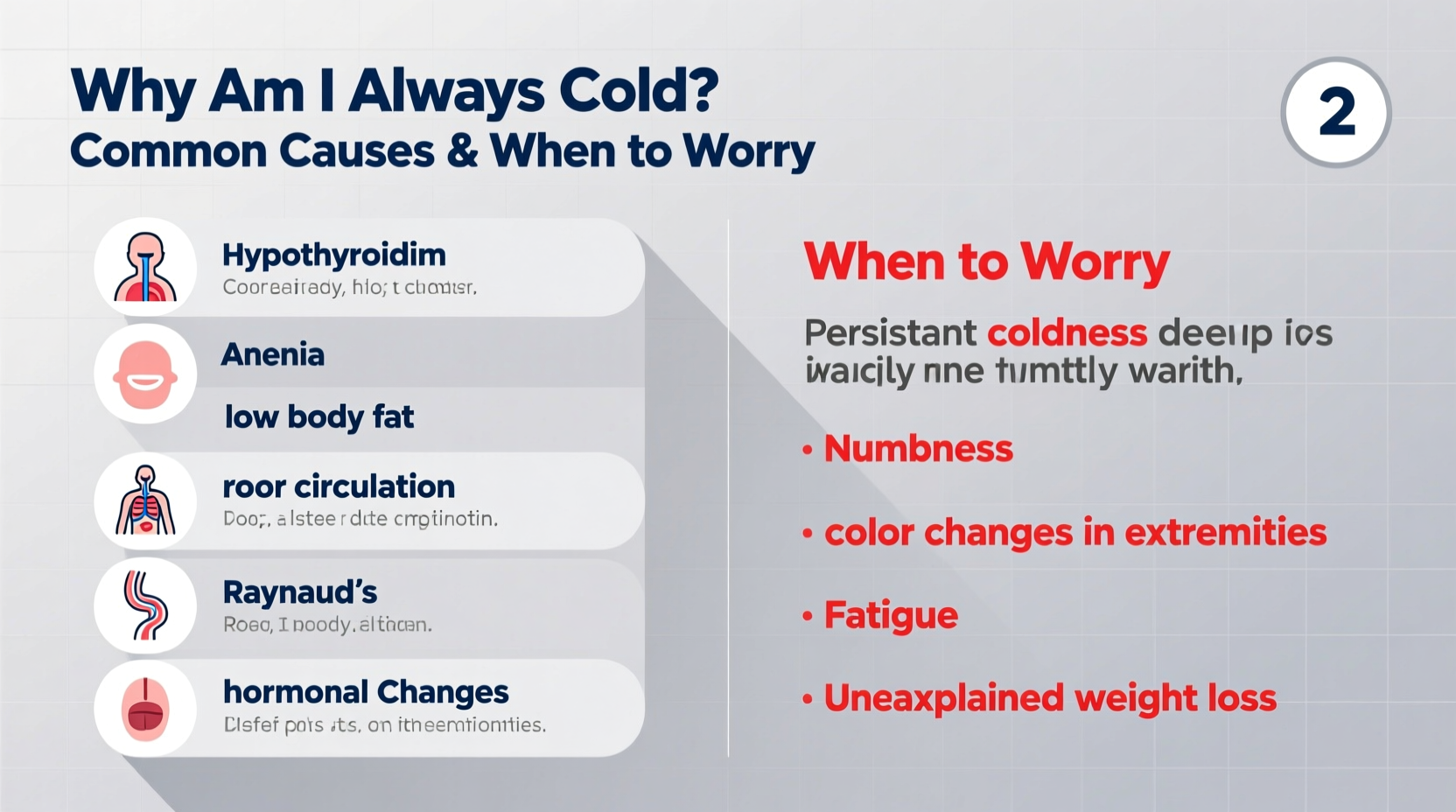
The human body maintains a core temperature of around 98.6°F (37°C), but individual perception of warmth varies widely. Some people naturally run colder than others due to differences in metabolism, body composition, and circulation. However, consistent coldness — especially in warm environments — often has identifiable causes.
- Low body fat: Fat acts as natural insulation. Individuals with lower body fat, particularly women with very lean physiques, may feel cold more easily.
- Poor circulation: Reduced blood flow to extremities — hands, feet, ears — leads to cold sensations. This can stem from sedentary habits, smoking, or vascular conditions.
- Gender differences: Women generally have lower resting metabolic rates and less muscle mass than men, contributing to a greater likelihood of feeling cold.
- Aging: As we age, skin thins and circulation slows, reducing the body’s ability to retain heat.
Medical Conditions Linked to Persistent Coldness
Chronic coldness isn’t always about environment or body type. Several medical conditions disrupt the body’s ability to regulate temperature effectively.
Anemia
Iron-deficiency anemia reduces the blood’s oxygen-carrying capacity. Without sufficient oxygen delivery, cells produce less energy and heat, leading to fatigue and cold intolerance. Symptoms often include pale skin, dizziness, and brittle nails.
Hypothyroidism
An underactive thyroid gland fails to produce enough hormones that regulate metabolism. This slowdown affects body temperature, causing constant coldness, weight gain, dry skin, and sluggishness. A simple blood test can confirm diagnosis.
“Patients with undiagnosed hypothyroidism often report feeling cold year-round, even in heated rooms. It’s one of the earliest and most consistent symptoms.” — Dr. Lena Patel, Endocrinologist
Raynaud’s Phenomenon
This condition causes small arteries in fingers and toes to spasm in response to cold or stress, drastically reducing blood flow. Affected areas turn white or blue, then red upon warming, often accompanied by numbness or tingling.
Diabetes and Neuropathy
Uncontrolled diabetes can damage nerves and blood vessels, impairing circulation and temperature sensation. Diabetic neuropathy may cause paradoxical feelings — burning or coldness — in the feet, even when they’re warm to the touch.
When to Worry: Red Flags That Need Medical Attention
Not every bout of coldness requires a doctor’s visit. But certain patterns suggest an underlying problem needing evaluation.
| Symptom Pattern | Potential Concern | Action Step |
|---|---|---|
| Coldness with unexplained fatigue and weight gain | Possible hypothyroidism | Request TSH and free T4 blood tests |
| Fingers/toes turn white or blue in cold | Raynaud’s phenomenon | See a rheumatologist for evaluation |
| Cold feet with numbness or tingling | Peripheral neuropathy | Check blood sugar and neurological function |
| Pale skin, shortness of breath, dizziness | Anemia | Complete blood count (CBC) and iron studies |
Other Warning Signs
- Sudden onset of cold intolerance without environmental explanation
- Coldness localized to one limb (could indicate vascular blockage)
- Accompanying symptoms like hair loss, constipation, or depression
- No improvement despite adequate clothing and heating
Real-Life Example: Sarah’s Story
Sarah, a 34-year-old teacher, wore leggings and sweaters year-round, even during summer staff meetings. Colleagues joked about her “arctic tolerance,” but she was concerned. She also felt unusually tired, gained 15 pounds without changing her diet, and noticed her hair thinning. After months of dismissal, she requested blood work during a routine check-up. Her TSH level was elevated at 8.2 mIU/L (normal: 0.4–4.0), confirming hypothyroidism. Within weeks of starting medication, her energy returned, and she no longer needed extra layers indoors.
Sarah’s case illustrates how easily cold intolerance can be overlooked — especially when it develops gradually. Her story emphasizes the importance of listening to your body and advocating for testing when symptoms persist.
Practical Steps to Reduce Cold Sensitivity
While treating medical causes is essential, lifestyle adjustments can significantly improve comfort.
- Dress in layers: Use moisture-wicking base layers, insulating mid-layers (like wool), and wind-resistant outerwear. Avoid cotton next to skin in cold weather.
- Stay active: Movement generates heat. Simple exercises like marching in place, calf raises, or hand clenching boost circulation.
- Eat balanced meals: Include protein, healthy fats, and complex carbs to support sustained energy and thermogenesis.
- Hydrate wisely: Dehydration impairs circulation. Warm fluids like herbal tea or broth can raise internal temperature safely.
- Optimize sleep environment: Use warm bedding, but avoid overheating. A cool room with warm blankets supports natural thermoregulation.
Checklist: When to Seek Medical Evaluation
If you're frequently cold, use this checklist to determine if professional assessment is warranted:
- ☑️ Do you feel cold while others in the same room are comfortable?
- ☑️ Have you experienced unexplained weight changes?
- ☑️ Are you unusually tired, even after adequate rest?
- ☑️ Do your hands or feet change color in the cold?
- ☑️ Have you noticed hair thinning, dry skin, or brittle nails?
- ☑️ Does coldness interfere with daily activities or sleep?
If three or more apply, consult your healthcare provider. Early diagnosis of conditions like hypothyroidism or anemia can prevent complications and dramatically improve quality of life.
Frequently Asked Questions
Can anxiety make me feel cold?
Yes. Anxiety triggers the fight-or-flight response, redirecting blood flow away from extremities to vital organs. This can cause cold hands, feet, and a general chill, even in warm settings. Managing stress through breathing techniques or therapy often reduces these symptoms.
Is feeling cold a sign of low blood pressure?
Potentially. Low blood pressure (hypotension) can reduce circulation, especially to limbs, leading to coldness. If accompanied by dizziness, fainting, or blurred vision, it should be evaluated by a doctor.
Why do I feel cold after eating?
Some people experience postprandial coldness due to blood being redirected to the digestive system. Large meals, especially high-carb ones, can trigger this. Eating smaller, balanced meals may help stabilize body temperature.
Take Control of Your Comfort and Health
Feeling cold all the time isn’t just uncomfortable — it can be a signal from your body that something needs attention. Whether it's adjusting your lifestyle, improving circulation, or investigating potential medical causes, taking action empowers you to live more comfortably and confidently. Don’t normalize persistent coldness. Listen to your body, track your symptoms, and seek answers when needed. Small changes today can lead to lasting improvements in how you feel — physically and mentally.




 浙公网安备
33010002000092号
浙公网安备
33010002000092号 浙B2-20120091-4
Comments
No comments yet. Why don't you start the discussion?