
It’s summer. The sun is blazing, air conditioners hum at full blast, and yet you’re reaching for a sweater. If this sounds familiar, you're not imagining things. Persistent feelings of cold—especially when others are sweating—can signal an underlying health issue. While occasional sensitivity to temperature is normal, consistently feeling chilled, even in warm environments, often points to physiological imbalances. Two of the most common culprits: iron deficiency and thyroid dysfunction. Understanding these conditions, their symptoms, and how they affect your body’s ability to regulate heat can help you take meaningful steps toward better health.
The Body’s Natural Thermostat: How Temperature Regulation Works
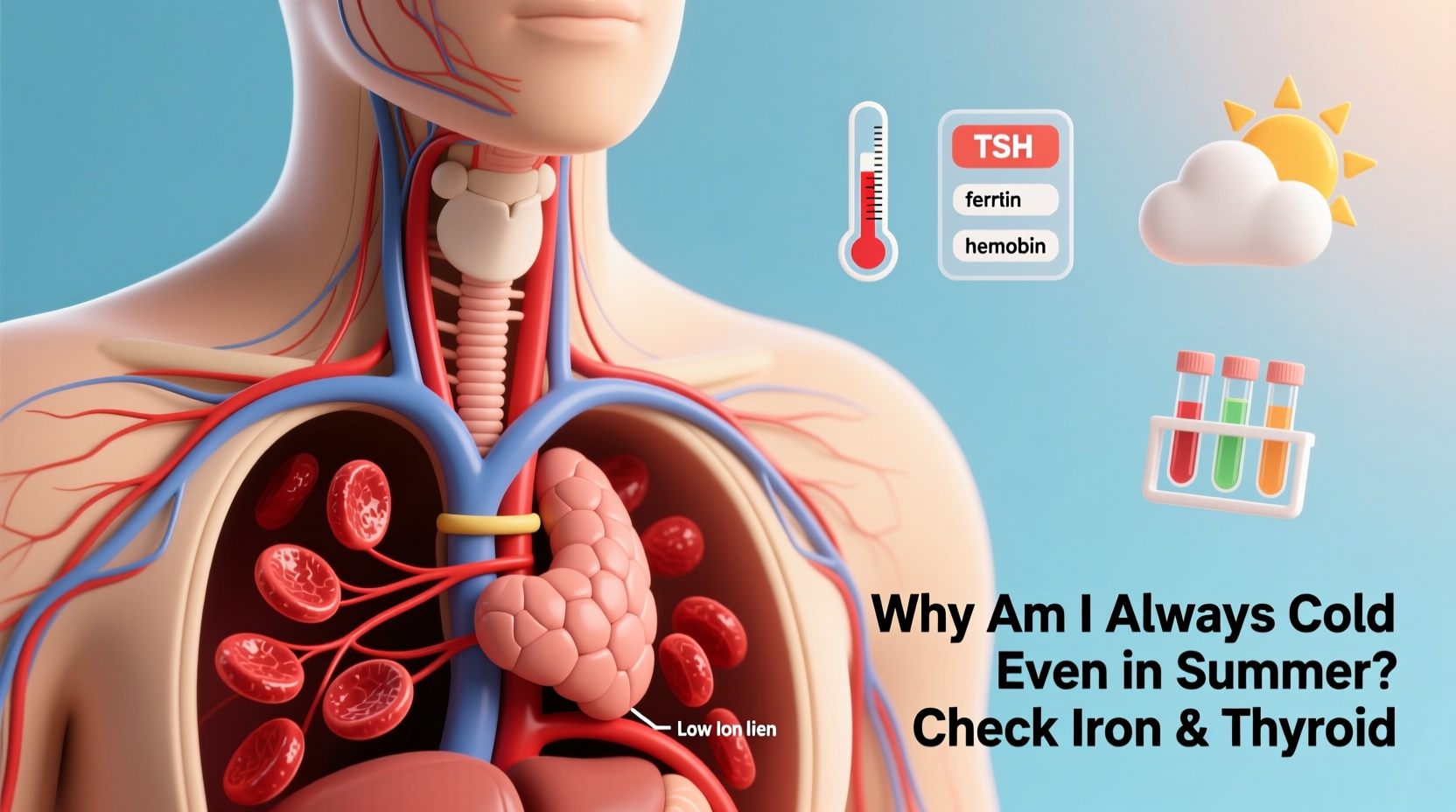
Your body maintains a core temperature of around 98.6°F (37°C) through a complex system managed by the hypothalamus in the brain. This internal thermostat adjusts based on external conditions, activity levels, and metabolic processes. When it’s hot, blood vessels near the skin dilate to release heat, and you sweat. When it’s cold, vessels constrict, and muscles may shiver to generate warmth.
However, this system depends heavily on hormones and nutrients. Thyroid hormones regulate your metabolic rate—the speed at which your cells produce energy. Iron is essential for producing hemoglobin, the protein in red blood cells that carries oxygen needed for cellular respiration and heat production. When either system falters, your body struggles to generate or retain heat—even when the thermometer says otherwise.
Iron Deficiency: The Hidden Cause of Constant Chills
Iron deficiency is one of the most widespread nutritional deficiencies worldwide, affecting over 25% of people globally, according to the World Health Organization. It’s especially common in women of reproductive age due to menstrual blood loss, but men and postmenopausal women aren’t immune.
When iron levels drop, your body produces fewer red blood cells, leading to iron-deficiency anemia. With less hemoglobin available, oxygen delivery to tissues slows down. Cells can't produce energy efficiently, which reduces heat generation. As a result, you may feel cold—particularly in extremities like hands and feet—even in mild weather.
Beyond cold intolerance, signs of iron deficiency include:
- Pale skin or conjunctiva (inner eyelids)
- Fatigue and weakness
- Dizziness or lightheadedness
- Shortness of breath during light activity
- Nails that are brittle or spoon-shaped (koilonychia)
- Restless legs syndrome
- Craving ice (a condition called pica)
A 2020 study published in the Journal of Clinical Medicine found that patients with unexplained cold sensitivity were significantly more likely to have low ferritin levels—a marker of stored iron—even before full-blown anemia developed. This suggests that subclinical iron deficiency can disrupt thermoregulation long before standard blood tests flag anemia.
“Many patients come in complaining they’re always cold. When we check iron stores, especially ferritin, we often find a deficiency that explains their symptoms—even if hemoglobin is still within range.” — Dr. Lena Torres, Internal Medicine Specialist
Thyroid Dysfunction: When Your Metabolism Slows Down
The thyroid gland, located in your neck, produces hormones—primarily T3 (triiodothyronine) and T4 (thyroxine)—that control your metabolism. When these hormones are underproduced, as in hypothyroidism, your body’s systems slow down. One of the earliest and most consistent symptoms? Feeling cold all the time.
Hypothyroidism affects nearly 5% of the U.S. population, with many cases going undiagnosed. The condition is more common in women, older adults, and those with autoimmune disorders like Hashimoto’s thyroiditis.
In addition to cold intolerance, key signs of an underactive thyroid include:
- Unexplained weight gain
- Dry skin and hair
- Constipation
- Depression or brain fog
- Heavy or irregular periods
- Slowed heart rate
- Muscle aches and stiffness
Unlike iron deficiency, which primarily impairs oxygen transport, hypothyroidism directly reduces basal metabolic rate. This means your body burns fewer calories at rest, generating less heat. Even in summer, your internal furnace runs too low to keep you warm.
How Hypothyroidism and Iron Deficiency Can Coexist
These two conditions often overlap. Autoimmune thyroid disease can impair nutrient absorption, including iron. Conversely, chronic iron deficiency may worsen thyroid function because iron is a cofactor in thyroid hormone synthesis. A 2019 review in Endocrine Connections highlighted that correcting iron deficiency in hypothyroid patients improved TSH (thyroid-stimulating hormone) levels and symptom relief, even without adjusting medication.
What You Can Do: A Step-by-Step Guide to Investigating the Cause
If you’re constantly cold despite warm surroundings, don’t dismiss it as just being “sensitive.” Follow this practical timeline to uncover the root cause:
- Track your symptoms for two weeks. Record when you feel cold, what you eat, your energy levels, sleep quality, and any other symptoms (e.g., hair loss, fatigue).
- Schedule a blood test with your primary care provider. Request:
- Ferritin (iron stores)
- Complete iron panel (serum iron, TIBC, transferrin saturation)
- TSH, free T4, and optionally free T3 and thyroid antibodies (TPOAb)
- Review results with a doctor. Optimal ferritin should be above 50 ng/mL for symptom relief, though labs often consider >15–20 ng/mL “normal.” For TSH, many functional medicine experts recommend staying below 2.5 mIU/L for optimal thyroid function.
- Adjust diet and lifestyle while awaiting or following up on results. Increase iron-rich foods and support thyroid health naturally.
- Follow up in 6–8 weeks. Recheck key markers if starting supplements or treatment.
Nutrition and Lifestyle: Supporting Iron and Thyroid Health
Diet plays a pivotal role in both iron status and thyroid function. Here’s how to optimize both:
Boosting Iron Naturally
There are two types of dietary iron: heme (from animal sources) and non-heme (from plants). Heme iron is absorbed more efficiently.
- Heme sources: Lean red meat, liver, poultry, oysters, sardines
- Non-heme sources: Lentils, spinach, tofu, fortified cereals
- Enhance absorption: Pair iron-rich foods with vitamin C (e.g., bell peppers, citrus, strawberries)
- Avoid inhibitors: Don’t consume tea, coffee, calcium supplements, or high-fiber foods within one hour of iron-rich meals
Supporting Thyroid Function
The thyroid requires specific nutrients to produce hormones effectively.
- Iodine: Found in iodized salt, seaweed, fish. Critical for T4 production.
- Selenium: Brazil nuts, tuna, eggs. Helps convert T4 to active T3.
- Zinc: Oysters, pumpkin seeds, beef. Supports hormone synthesis.
- Avoid goitrogens in excess: Raw cruciferous vegetables (kale, broccoli, cabbage) can interfere with iodine uptake—cooking reduces this effect.
Do’s and Don’ts: Managing Cold Intolerance
| Do | Don't |
|---|---|
| Eat iron-rich meals with vitamin C for better absorption | Drink coffee or tea with iron-containing meals |
| Get tested for both iron and thyroid markers if symptoms persist | Self-diagnose or start high-dose supplements without medical guidance |
| Stay hydrated and maintain balanced blood sugar to support circulation | Ignore other symptoms like fatigue, hair loss, or mood changes |
| Use layered clothing to manage fluctuating body temperature | Rely solely on heating pads or external warmth without addressing root causes |
| Exercise regularly to boost circulation and metabolism | Overexert if you’re anemic or severely hypothyroid—start gently |
Real Example: Sarah’s Story
Sarah, a 34-year-old graphic designer, noticed she was wearing long sleeves in July while her coworkers complained about the office being too hot. She also felt exhausted by mid-afternoon, had gained 12 pounds without changing her diet, and her hair was thinning. At first, she blamed stress. But after reading about thyroid issues online, she requested blood work from her doctor.
Results showed a TSH of 6.8 mIU/L (above the optimal range) and a ferritin level of 18 ng/mL—low despite normal hemoglobin. She was diagnosed with subclinical hypothyroidism and iron deficiency. Her doctor prescribed levothyroxine and recommended iron supplementation along with dietary changes.
Within three months, Sarah’s energy returned, she lost the extra weight, and—for the first time in years—she turned down a sweater on a mild spring day. “I didn’t realize how much those constant chills were stealing my quality of life,” she said.
Frequently Asked Questions
Can low vitamin D make me feel cold?
Vitamin D itself doesn’t directly regulate temperature, but deficiency is often linked to poor immune function, fatigue, and muscle weakness—symptoms that can compound cold sensitivity. It’s also commonly low in people with thyroid disorders, so testing vitamin D alongside iron and thyroid markers is wise.
Is it possible to have normal blood tests but still feel cold?
Yes. Standard lab ranges are broad and based on population averages, not optimal function. For example, a ferritin level of 20 ng/mL may be labeled “normal,” but many people still experience symptoms like cold hands and fatigue at that level. Functional medicine practitioners often aim for ferritin >50 ng/mL and TSH <2.5 mIU/L for best symptom resolution.
Should I take iron or thyroid supplements on my own?
No. Self-supplementing with iron can lead to iron overload, especially in people with undiagnosed hemochromatosis. Similarly, taking thyroid hormone without monitoring can cause heart palpitations, bone loss, or anxiety. Always consult a healthcare provider and confirm imbalances with blood tests before starting treatment.
Final Thoughts: Listen to Your Body
Feeling cold when it’s warm isn’t just inconvenient—it’s a signal. Your body uses symptoms like persistent chills to communicate that something is off. Iron deficiency and thyroid dysfunction are treatable, but only if recognized. Don’t normalize discomfort. Whether it’s adjusting your diet, getting tested, or seeking a second opinion, taking action can restore your energy, comfort, and overall well-being.
You don’t have to live bundled up in summer. With the right information and medical support, you can identify the cause of your cold sensitivity and finally feel warm—inside and out.




 浙公网安备
33010002000092号
浙公网安备
33010002000092号 浙B2-20120091-4
Comments
No comments yet. Why don't you start the discussion?