
Catching a cold once in a while is normal—most adults average two to four colds per year. But if you’re constantly sniffling, coughing, or battling fatigue from yet another viral infection, something deeper may be at play. Frequent colds aren’t just inconvenient; they can disrupt work, strain relationships, and erode your energy over time. Understanding the root causes behind your recurring infections—and taking targeted steps to prevent them—is essential for long-term wellness.
The common cold is typically caused by rhinoviruses, but over 200 different viruses can trigger similar symptoms. While exposure is inevitable, your body’s ability to resist and recover depends on immune resilience, lifestyle habits, and environmental factors. This article explores the real reasons you might be catching colds so often and provides practical, evidence-based strategies to help you stay healthier all year round.
Why You Keep Getting Colds: Key Contributing Factors
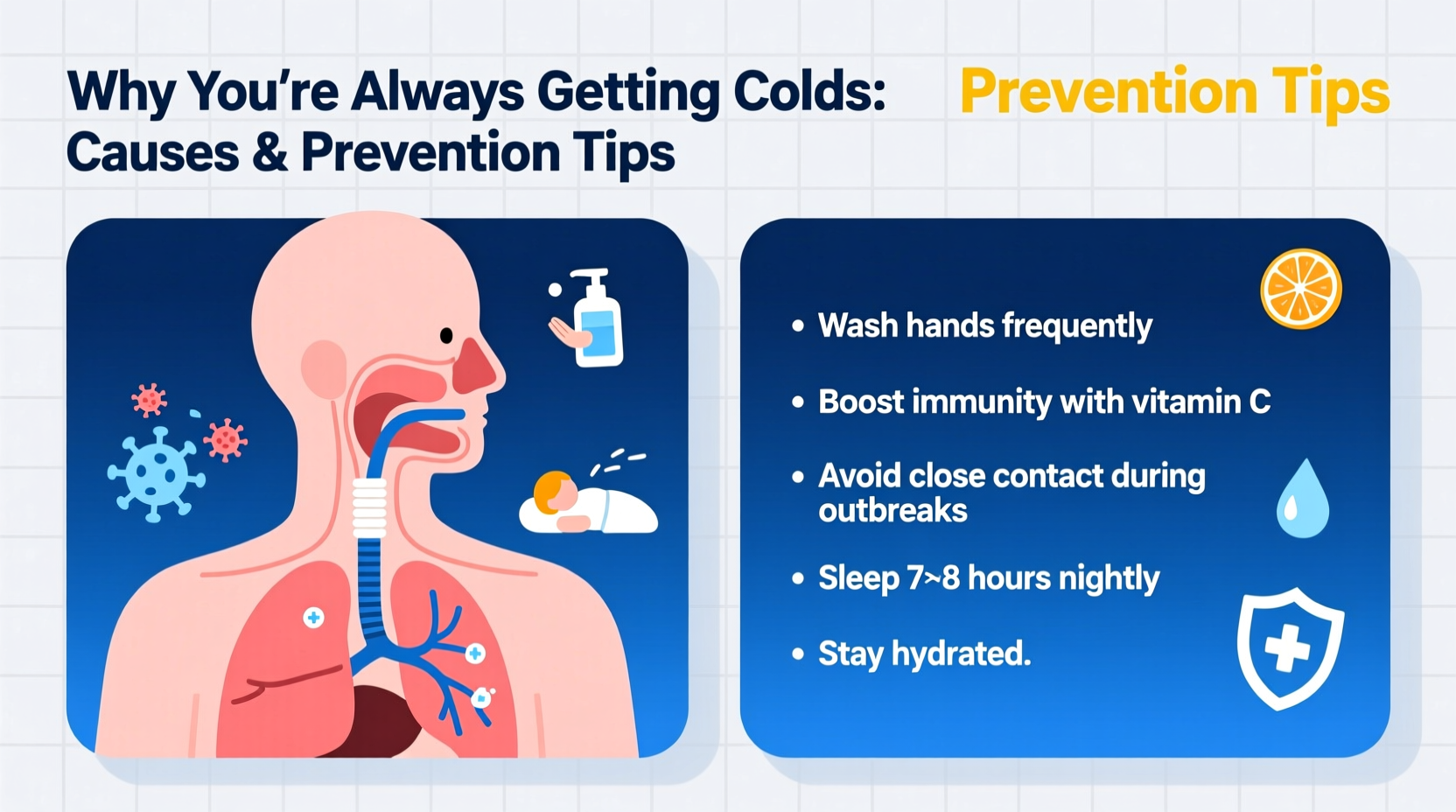
Frequent colds are rarely due to bad luck. More often, they signal underlying vulnerabilities in your immune system or daily routines. Identifying these triggers is the first step toward lasting change.
- Poor Sleep Quality: Chronic sleep deprivation suppresses immune function. Adults who sleep fewer than six hours per night are nearly five times more likely to catch a cold than those who get seven or more, according to research from the University of California, San Francisco.
- Chronic Stress: Elevated cortisol levels from ongoing stress impair white blood cell activity, making it harder for your body to fight off viruses.
- Nutritional Deficiencies: Low levels of vitamin D, zinc, and vitamin C are linked to weakened immunity. Diets high in processed foods and sugar can also depress immune responses.
- Lack of Physical Activity: Sedentary lifestyles reduce circulation of immune cells. Moderate exercise, however, enhances immune surveillance.
- Close Contact with High-Risk Groups: Parents, teachers, healthcare workers, and daycare staff face repeated exposure to germs, increasing infection risk.
Environmental and Behavioral Triggers
Your surroundings and daily choices significantly influence how often you get sick. Even with a strong immune system, constant exposure to pathogens or poor hygiene habits can lead to frequent infections.
Air Quality and Indoor Spaces
Dry, poorly ventilated indoor air allows viruses to linger longer. Central heating in winter reduces humidity, drying out nasal passages and weakening their natural defense against invaders. Offices, schools, and public transit are breeding grounds for airborne viruses, especially during colder months.
Hand Hygiene Habits
Many people underestimate how easily cold viruses spread through touch. Touching contaminated surfaces—doorknobs, elevator buttons, shared desks—and then touching your eyes, nose, or mouth introduces pathogens directly into your system.
Social Density and Commuting
Living in densely populated areas or using public transportation increases contact with infected individuals. Studies show commuters who stand near someone coughing have a significantly higher risk of developing symptoms within days.
“Frequent colds often reflect lifestyle patterns more than genetic weakness. The immune system responds powerfully to behavioral changes.” — Dr. Lena Patel, Immunology Researcher, Johns Hopkins Medicine
Prevention Checklist: 7 Daily Actions to Reduce Cold Frequency
Staying healthy isn’t about perfection—it’s about consistency. Incorporate these science-backed habits into your routine to build long-term resistance.
- Wash hands thoroughly with soap and water for at least 20 seconds, especially after public outings.
- Use alcohol-based hand sanitizer (60%+ alcohol) when soap isn’t available.
- Moisturize nasal passages with saline spray during dry seasons.
- Take a daily walk or engage in moderate aerobic activity (e.g., brisk walking, cycling) for 30 minutes.
- Include immune-supportive foods: citrus fruits, garlic, ginger, spinach, yogurt, and almonds.
- Keep indoor humidity between 40–60% using a humidifier.
- Avoid touching your face, especially eyes and nose, throughout the day.
Common Immune Myths vs. Facts
Misinformation can lead to ineffective—or even harmful—habits. This table clarifies widespread misconceptions about cold prevention.
| Myth | Fact |
|---|---|
| Antibiotics can treat the common cold. | False. Colds are viral; antibiotics only work on bacterial infections and misuse contributes to resistance. |
| Vitamin C megadoses prevent colds. | Partially false. Regular moderate intake may slightly reduce duration, but large doses don’t stop most colds. |
| Going outside with wet hair causes colds. | False. Exposure to cold doesn’t cause infection—but being outdoors in crowded shelters may increase virus exposure. |
| Everyone needs a flu shot to avoid colds. | Not exactly. The flu vaccine prevents influenza, not colds—but reducing flu burden supports overall immune health. |
Real-Life Example: How One Teacher Reduced Her Cold Frequency
Sarah, a 3rd-grade teacher in Chicago, used to get six to eight colds annually. Her classroom was often stuffy, children frequently sneezed without covering their mouths, and she regularly skipped meals during busy weeks. After missing nine school days in one academic year, she decided to make changes.
She started carrying hand sanitizer, wiping down her desk daily, and packing immune-boosting lunches with vegetables and lean protein. She began using a small desktop humidifier and committed to 30 minutes of yoga or walking three times a week. Within six months, her colds dropped to two that year—and both were mild. “I realized I couldn’t control the kids’ germs,” she said, “but I could control how my body responded.”
Step-by-Step Guide: Building a Cold-Resistant Lifestyle in 4 Weeks
You don’t need drastic changes to see results. Follow this gradual plan to strengthen your defenses without burnout.
- Week 1 – Foundation: Focus on hydration and sleep. Drink at least 8 glasses of water daily and set a consistent bedtime.
- Week 2 – Nutrition Upgrade: Add one immune-supporting food per day (e.g., orange, broccoli, or pumpkin seeds). Eliminate one sugary snack.
- Week 3 – Movement & Air Quality: Walk 20–30 minutes every day. Place a humidifier in your bedroom at night.
- Week 4 – Prevention Habits: Practice no-face-touching, carry hand sanitizer, and disinfect frequently touched items (phone, keys, doorknobs).
By the end of the month, these behaviors become automatic, creating a resilient baseline that makes catching colds less likely.
Frequently Asked Questions
Can low vitamin D really make me catch more colds?
Yes. Vitamin D plays a critical role in activating immune defenses. Studies show people with deficient levels are more susceptible to respiratory infections. Consider getting your levels tested, especially in winter, and supplement under medical guidance if needed.
Is it possible to be \"too clean\" and weaken my immune system?
While early-life exposure to microbes helps train immunity, excessive cleanliness in adulthood doesn’t suppress immune function. Good hygiene—like handwashing—prevents unnecessary pathogen overload. The key is balance, not sterility.
Should I take daily supplements to prevent colds?
Evidence supports modest benefits from zinc (especially at onset), vitamin D (if deficient), and probiotics. However, whole foods should be your primary source. Consult a healthcare provider before starting any regimen.
Conclusion: Take Control of Your Immune Health
Constantly getting colds isn’t something you have to accept. Behind every recurring sniffle is a pattern—of stress, sleep, nutrition, or environment—that can be changed. Your immune system is dynamic, responsive, and capable of improvement at any age. By addressing root causes and adopting sustainable prevention habits, you can reduce illness frequency and reclaim your energy.




 浙公网安备
33010002000092号
浙公网安备
33010002000092号 浙B2-20120091-4
Comments
No comments yet. Why don't you start the discussion?