
It’s a familiar feeling: you sit down for lunch, enjoy a satisfying meal, and within 30 minutes, your eyelids grow heavy, your focus fades, and all you want is a nap. While occasional drowsiness after eating is normal, consistent fatigue can disrupt your day, reduce productivity, and signal deeper imbalances in your diet or health. The good news? Most cases of post-meal tiredness are preventable with targeted dietary and lifestyle changes. Understanding why food affects your energy levels is the first step toward reclaiming your afternoon clarity.
The Science Behind Post-Meal Fatigue
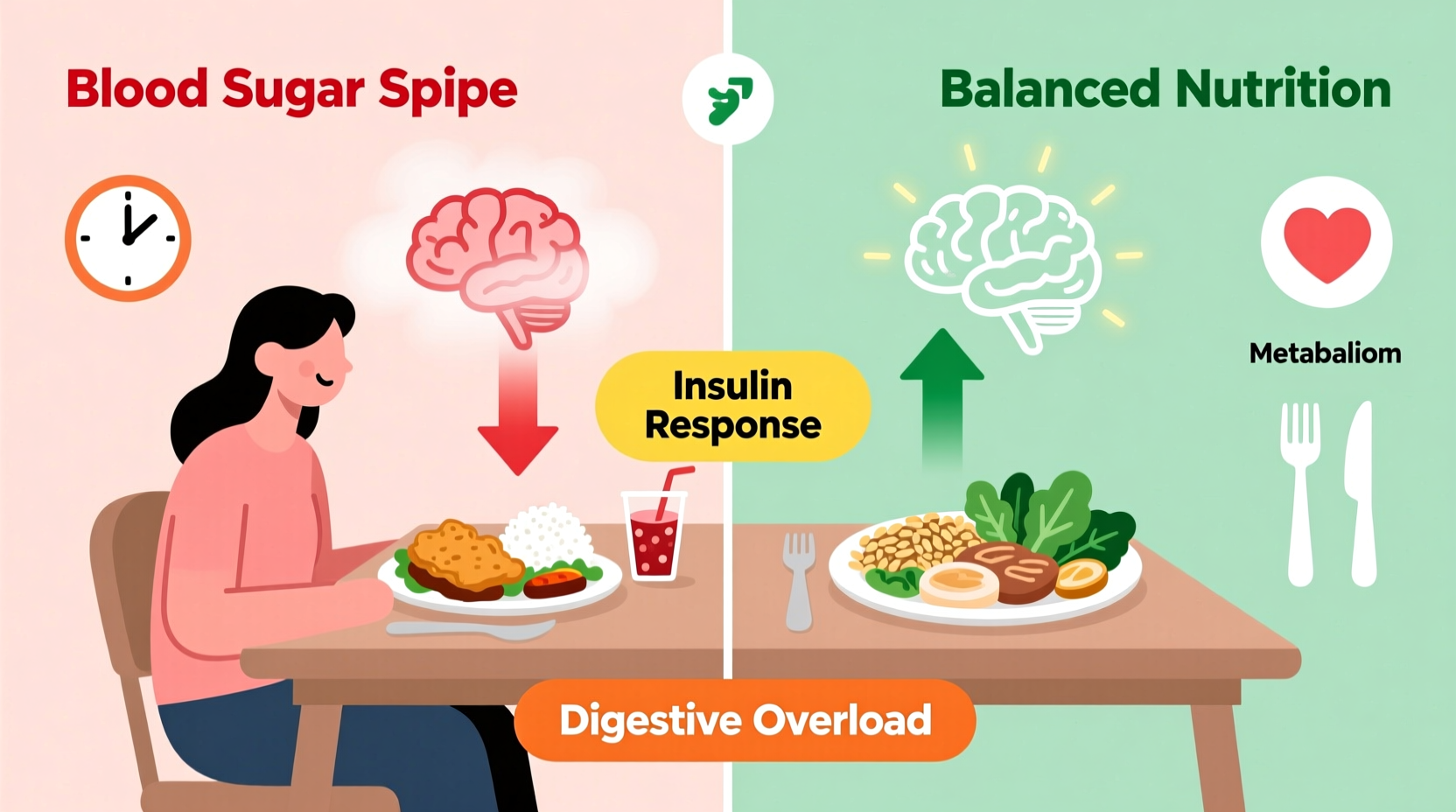
After you eat, your body shifts into digestive mode. Blood flow redirects from muscles and the brain to the gastrointestinal tract to support nutrient absorption. This natural redistribution can cause temporary sluggishness—especially after large meals. But when fatigue becomes routine, it often points to more than just digestion at work.
One key player is insulin. When you consume carbohydrates, especially refined ones, your blood sugar spikes. In response, the pancreas releases insulin to shuttle glucose into cells. If this spike is sharp, it can lead to a rapid drop in blood sugar—known as reactive hypoglycemia—leaving you feeling shaky, irritable, and exhausted shortly after eating.
Additionally, certain foods trigger the release of serotonin and melatonin, neurotransmitters linked to relaxation and sleep. Tryptophan—an amino acid found in protein-rich foods like turkey—is a precursor to both. When consumed with carbohydrates, tryptophan enters the brain more easily, amplifying drowsiness. That’s part of why Thanksgiving dinner is so infamous for sending people into a food coma.
“Postprandial fatigue isn’t just ‘normal’—it’s often a sign that your meal composition is misaligned with your metabolic needs.” — Dr. Lena Patel, Registered Dietitian and Metabolic Health Specialist
Common Reasons You’re Always Tired After Eating
While everyone experiences occasional sluggishness, chronic fatigue after meals may stem from one or more of the following causes:
1. High-Glycemic Meals
Foods like white bread, sugary cereals, pastries, and soda cause rapid spikes in blood sugar. These quick bursts of energy are followed by crashes that leave you drained. Diets high in refined carbs are consistently linked to increased fatigue and reduced cognitive performance.
2. Overeating
Large meals demand more digestive effort. Your body produces more insulin and diverts greater blood flow to the gut, which can leave less available for the brain and muscles. This physiological shift often results in mental fog and physical lethargy.
3. Imbalanced Macronutrients
Meals heavy in carbohydrates but low in protein and healthy fats lack satiety and stability. Without adequate protein to slow digestion and fats to sustain energy, blood sugar fluctuations are more likely.
4. Food Intolerances or Sensitivities
Undiagnosed intolerances—such as gluten, dairy, or FODMAPs—can cause inflammation, bloating, and fatigue after eating. The immune system’s response to these foods increases systemic stress, draining energy reserves.
5. Poor Digestive Health
Conditions like low stomach acid, small intestinal bacterial overgrowth (SIBO), or leaky gut impair nutrient absorption and increase the body’s workload during digestion. This extra strain can manifest as post-meal exhaustion.
6. Dehydration
Many people mistake dehydration for hunger or fatigue. Since digestion requires water, eating without adequate hydration can make the process more taxing on the body, contributing to tiredness.
Dietary Tweaks to Prevent Post-Meal Slumps
You don’t need to overhaul your entire diet to feel better after eating. Small, strategic changes can dramatically improve your energy levels. Focus on balance, quality, and timing.
1. Prioritize Low-Glycemic Carbohydrates
Choose complex carbs that digest slowly and provide steady energy. Replace white rice with quinoa, swap sugary breakfast bars for oatmeal with nuts, and opt for whole-grain sourdough instead of regular bread.
2. Pair Carbs with Protein and Fat
This combination slows glucose absorption and prevents insulin spikes. For example, add avocado and eggs to toast, or pair an apple with almond butter. These pairings stabilize blood sugar and keep you alert.
3. Control Portion Sizes
Aim to fill half your plate with non-starchy vegetables, one-quarter with lean protein, and one-quarter with complex carbohydrates. This proportion supports efficient digestion without overloading your system.
4. Eat Mindfully
Rushing through meals increases stress hormones and impairs digestion. Chew thoroughly, pause between bites, and avoid eating while distracted. This practice improves nutrient absorption and reduces post-meal discomfort.
5. Limit Ultra-Processed Foods
These often contain hidden sugars, unhealthy fats, and additives that promote inflammation and fatigue. Read labels and choose whole, single-ingredient foods whenever possible.
“Patients who switch from processed lunches to balanced, whole-food meals report up to a 70% reduction in afternoon fatigue within two weeks.” — Dr. Marcus Lee, Functional Medicine Physician
Practical Checklist: Optimize Your Meals for Energy
- ✅ Include a source of lean protein (chicken, fish, tofu, legumes)
- ✅ Add healthy fats (olive oil, nuts, seeds, avocado)
- ✅ Choose fiber-rich, low-glycemic carbs (sweet potato, brown rice, berries)
- ✅ Fill half your plate with vegetables
- ✅ Avoid sugary drinks and desserts with meals
- ✅ Stop eating when 80% full
- ✅ Drink water before and after (not during) meals to avoid diluting digestive enzymes
Do’s and Don’ts at Mealtimes
| Do | Don’t |
|---|---|
| Eat smaller, frequent meals every 3–4 hours | Eat one or two very large meals per day |
| Combine carbs with protein and fat | Eat carbs alone (e.g., plain bagel, cereal) |
| Choose whole, unprocessed ingredients | Rely on packaged convenience meals |
| Stay hydrated throughout the day | Drink large amounts of water during meals |
| Take time to chew and relax while eating | Eat quickly at your desk or while multitasking |
Mini Case Study: From Afternoon Crash to Sustained Energy
Sarah, a 34-year-old project manager, used to rely on a sandwich, chips, and soda for lunch. By 2:30 PM, she’d struggle to stay awake during meetings, often needing caffeine or a nap to continue working. After tracking her meals and symptoms for a week, she noticed a clear pattern: high-carb, low-protein lunches led to predictable crashes.
She made three changes: switched to a salad with grilled chicken, olive oil dressing, and roasted vegetables; replaced soda with sparkling water and lemon; and started eating a small handful of almonds mid-morning to prevent over-hunger at lunch.
Within five days, Sarah reported feeling “clear-headed” after lunch. She no longer needed afternoon coffee and completed tasks faster. Her energy remained stable until dinner, and she even began taking evening walks—something she’d previously been too tired to do.
Step-by-Step Guide to Building an Energy-Supportive Meal
Follow this sequence to design meals that fuel your body without dragging you down:
- Start with protein: Choose 3–6 oz of lean meat, fish, eggs, beans, or plant-based alternatives.
- Add healthy fats: Include 1–2 tablespoons of olive oil, a quarter of an avocado, or a small handful of nuts or seeds.
- Select complex carbohydrates: Limit portions to about ½ cup cooked grains or starchy vegetables. Prioritize fiber-rich options like lentils, oats, or squash.
- Fill the rest with vegetables: Aim for variety in color and type to maximize micronutrient intake.
- Season wisely: Use herbs, spices, lemon, or vinegar to enhance flavor without added sugar or sodium.
- Hydrate before and after: Drink 8–12 oz of water 15 minutes before eating and again 30 minutes after.
When to See a Doctor
While dietary adjustments resolve most cases of post-meal fatigue, persistent tiredness may indicate underlying conditions such as:
- Insulin resistance or prediabetes
- Food allergies or celiac disease
- Chronic fatigue syndrome
- Thyroid disorders
- Anemia (iron or B12 deficiency)
- Sleep apnea or poor sleep quality
If you experience additional symptoms—like brain fog, weight gain, digestive issues, or frequent hunger despite eating—you should consult a healthcare provider. Simple blood tests can identify metabolic imbalances or deficiencies that require medical attention.
FAQ
Is it normal to feel sleepy after every meal?
Occasional drowsiness, especially after larger meals, is common. However, consistent fatigue after eating is not normal and usually indicates room for dietary improvement or an underlying health issue.
Can drinking coffee after meals help with fatigue?
Coffee may provide a short-term boost, but it doesn’t address the root cause. Relying on caffeine can also disrupt sleep and worsen energy imbalances over time. Focus on meal composition first, then consider limiting coffee to mornings only.
Are there supplements that help with post-meal energy crashes?
Magnesium, B-complex vitamins, and omega-3 fatty acids support metabolic function and energy production. However, supplements should complement—not replace—a balanced diet. Always consult a doctor before starting new supplements.
Conclusion
Feeling tired after eating isn’t something you have to accept as inevitable. More often than not, it’s a signal from your body asking for better fuel. By choosing balanced meals, controlling portions, and tuning into how different foods affect you, you can transform your energy levels—starting with your next bite. Small changes compound into lasting results: sharper focus, improved mood, and sustained vitality throughout the day.




 浙公网安备
33010002000092号
浙公网安备
33010002000092号 浙B2-20120091-4
Comments
No comments yet. Why don't you start the discussion?