
Bleeding during or after a bowel movement can be alarming. While it’s often caused by minor, treatable conditions like hemorrhoids or anal fissures, it can sometimes signal more serious gastrointestinal issues. Understanding the potential causes, recognizing when to seek medical help, and knowing how to manage symptoms are crucial steps in protecting your digestive health. This guide provides clear, evidence-based information to help you make informed decisions about your care.
Common Causes of Rectal Bleeding
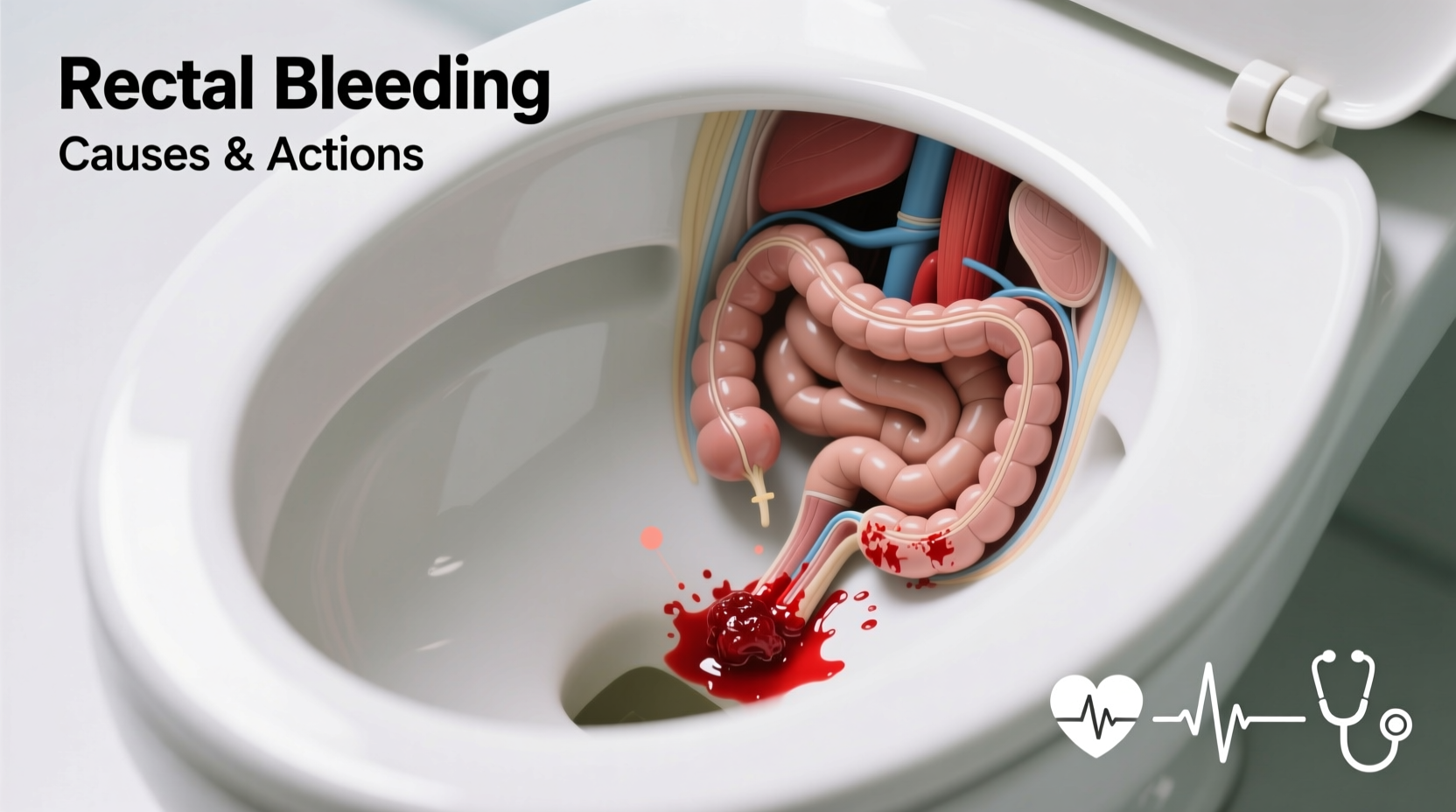
Rectal bleeding—passing blood with stool or noticing blood on toilet paper—is more common than many people realize. The color and consistency of the blood often provide clues about its origin.
- Bright red blood: Typically indicates bleeding near the anus or lower rectum.
- Dark red or maroon blood: Suggests bleeding higher in the colon.
- Black, tarry stools (melena): May point to upper gastrointestinal bleeding, such as from stomach ulcers.
Here are the most frequent causes of bright red rectal bleeding:
Hemorrhoids
Hemorrhoids are swollen veins in the rectum or around the anus. They’re one of the leading causes of rectal bleeding. Internal hemorrhoids may bleed without pain, while external ones can cause discomfort, itching, and visible lumps.
Anal Fissures
A small tear in the lining of the anus, often caused by passing hard or large stools. Fissures typically cause sharp pain during bowel movements and leave streaks of bright red blood.
Colitis and Inflammatory Bowel Disease (IBD)
Conditions like ulcerative colitis and Crohn’s disease cause inflammation of the colon, leading to bloody diarrhea, abdominal pain, and urgency.
Diverticulosis and Diverticulitis
Small pouches (diverticula) can form in weak spots of the colon wall. When inflamed or bleeding, they may cause sudden, painless rectal bleeding, usually dark red.
Polyps and Colorectal Cancer
Colon polyps are growths that can become cancerous over time. While most are asymptomatic, some bleed. Persistent rectal bleeding, especially in adults over 50, should prompt evaluation for colorectal cancer.
When to Seek Medical Attention
While occasional bleeding from hemorrhoids or fissures may resolve with self-care, certain signs require prompt medical evaluation. Ignoring persistent or severe bleeding can delay diagnosis of serious conditions.
“Any unexplained rectal bleeding should be evaluated, especially if it persists beyond a few days or is accompanied by changes in bowel habits.” — Dr. Lena Patel, Gastroenterologist
Seek immediate medical attention if you experience:
- Heavy or continuous bleeding
- Dizziness, lightheadedness, or fatigue (signs of anemia)
- Black or tarry stools
- Unintentional weight loss
- Persistent abdominal pain
- Change in bowel patterns lasting more than two weeks
- Family history of colorectal cancer
Individuals over age 45 should discuss colorectal cancer screening with their doctor—even in the absence of symptoms.
Diagnostic Process and What to Expect
If you report rectal bleeding to a healthcare provider, they will likely begin with a detailed medical history and physical exam, including a digital rectal examination (DRE). Based on findings, further tests may include:
| Test | Purpose | What It Detects |
|---|---|---|
| Fecal Immunochemical Test (FIT) | Stool sample analysis | Hidden (occult) blood |
| Sigmoidoscopy | Visual exam of lower colon | Polyps, inflammation, tumors |
| Colonoscopy | Full colon examination | Cancer, polyps, IBD |
| Imaging (CT scan, MRI) | Structural assessment | Diverticulitis, abscesses |
A colonoscopy is the gold standard for evaluating the entire colon and allows for biopsy or removal of polyps during the procedure.
Step-by-Step Guide: What You Can Do at Home
For mild cases linked to hemorrhoids or fissures, lifestyle changes can significantly reduce symptoms and prevent recurrence.
- Increase fiber intake: Aim for 25–30 grams daily from fruits, vegetables, whole grains, and legumes. Fiber softens stool and reduces straining.
- Stay hydrated: Drink at least 8 glasses of water per day to keep stools soft.
- Avoid prolonged sitting on the toilet: Limit bathroom time to 5–10 minutes to reduce pressure on rectal veins.
- Use gentle wiping: Opt for moist wipes or rinse with water using a bidet to avoid irritation.
- Try over-the-counter treatments: Use hemorrhoid creams, witch hazel pads, or sitz baths (warm water soaks) for 10–15 minutes daily to relieve discomfort.
- Exercise regularly: Physical activity promotes healthy bowel function and improves circulation.
Checklist: Managing Mild Rectal Bleeding at Home
- ✔️ Add high-fiber foods to meals (e.g., oats, pears, beans)
- ✔️ Drink water consistently throughout the day
- ✔️ Avoid constipating foods (processed foods, cheese, red meat)
- ✔️ Take a daily sitz bath if experiencing pain or swelling
- ✔️ Monitor symptoms for 3–5 days
- ✔️ Schedule a doctor’s visit if bleeding continues
Real-Life Example: Recognizing a Serious Condition Early
James, a 52-year-old teacher, noticed occasional bright red blood on the toilet paper for several weeks. He assumed it was due to hemorrhoids, especially since he’d experienced them before. But when he began feeling unusually tired and developed crampy abdominal pain, he scheduled a visit with his primary care physician. A FIT test came back positive, prompting a colonoscopy. The procedure revealed a precancerous polyp in his ascending colon, which was removed during the same session. Because it was caught early, James avoided surgery and now undergoes regular screenings. His story highlights why even minor-seeming symptoms deserve attention—especially with age-related risk factors.
Prevention Strategies for Long-Term Digestive Health
Preventing rectal bleeding starts with maintaining consistent bowel health. Chronic constipation and straining are major contributors to hemorrhoids and fissures. By adopting sustainable habits, you can reduce your risk significantly.
Key preventive measures include:
- Maintaining a high-fiber diet rich in plant-based foods
- Responding promptly to bowel urges—don’t delay going to the bathroom
- Using proper posture: Elevate feet with a small stool during bowel movements to align the rectum and ease stool passage
- Managing stress, which can affect gut motility
- Getting screened for colorectal cancer starting at age 45 (or earlier if family history suggests higher risk)
FAQ
Is it normal to see blood after pooping occasionally?
Occasional spotting due to a hard bowel movement or minor anal irritation may not be concerning. However, repeated episodes—even if minimal—should be discussed with a healthcare provider to rule out underlying conditions.
Can dehydration cause rectal bleeding?
Yes. Dehydration leads to harder stools, increasing the likelihood of straining, anal fissures, and hemorrhoid flare-ups—all of which can result in bleeding.
Should I stop taking aspirin or blood thinners if I notice rectal bleeding?
No. Never discontinue prescribed medications like aspirin, warfarin, or clopidogrel without consulting your doctor. These drugs increase bleeding risk, but stopping them abruptly can lead to dangerous complications like stroke or heart attack.
Conclusion: Take Action Before It Escalates
Seeing blood when you poop doesn’t automatically mean something life-threatening, but it should never be ignored. Most causes are manageable when addressed early, and serious conditions like colorectal cancer are far more treatable in their initial stages. Whether it’s adjusting your diet, trying home remedies, or scheduling a medical evaluation, taking proactive steps today can protect your long-term health. Your body is sending a signal—listen to it.




 浙公网安备
33010002000092号
浙公网安备
33010002000092号 浙B2-20120091-4
Comments
No comments yet. Why don't you start the discussion?