
Blinking is a natural reflex—most people blink 15 to 20 times per minute without even thinking about it. It keeps the eyes lubricated, protects them from debris, and helps maintain visual clarity. But what happens when you notice you're blinking more than usual? Excessive blinking isn’t always a cause for concern, but in some cases, it can signal an underlying issue that deserves attention. Understanding the reasons behind increased blinking—and knowing when to seek help—can make all the difference in preserving both eye health and overall comfort.
Common Causes of Increased Blinking
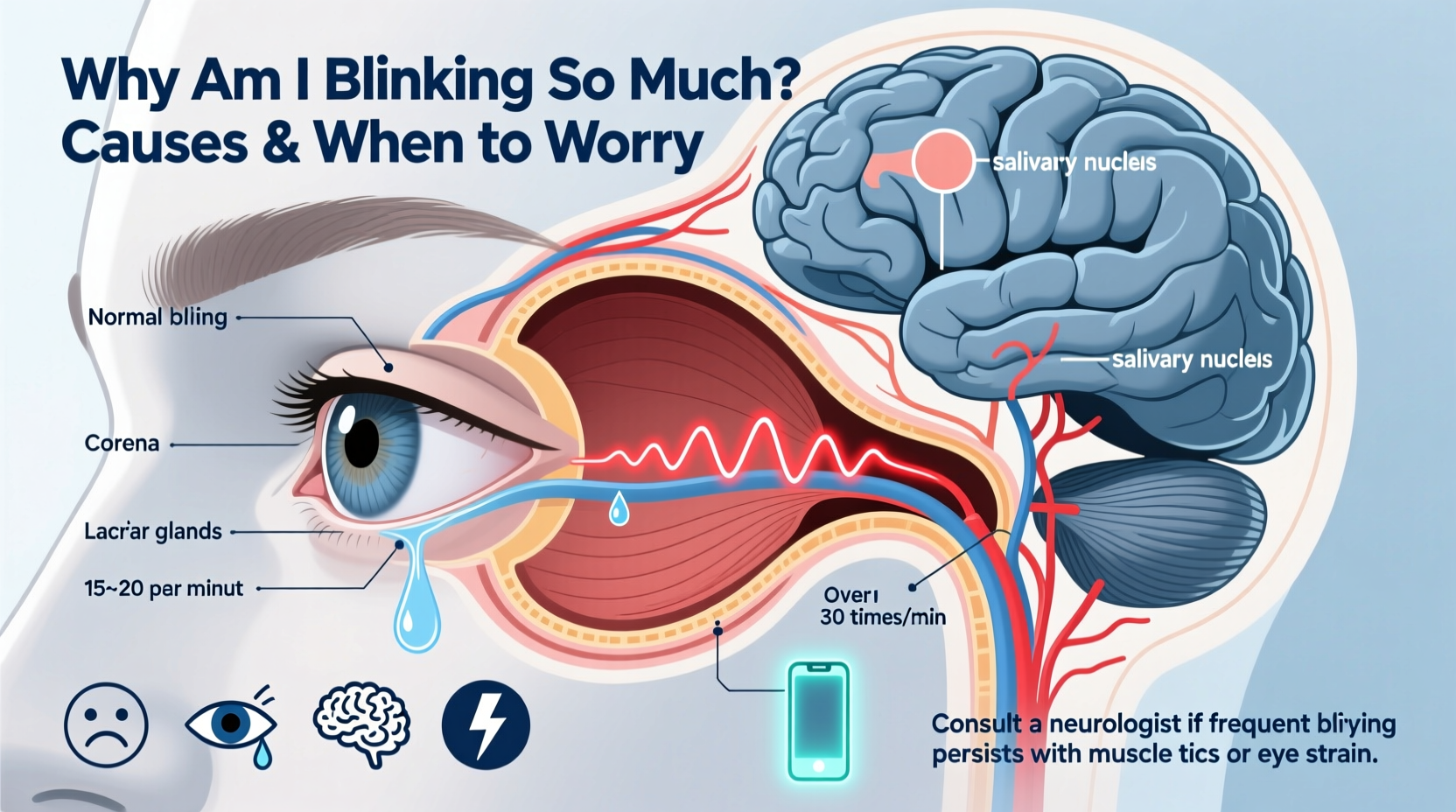
Increased blinking often stems from simple, temporary irritants. These are usually easy to identify and resolve with minor lifestyle or environmental adjustments.
- Dry eyes: A lack of sufficient tear production or poor tear quality can lead to dryness, prompting the body to blink more frequently in an effort to lubricate the surface of the eye.
- Eye strain: Prolonged screen time, reading in low light, or focusing on fine details for extended periods can fatigue the eye muscles, increasing blink rate.
- Foreign particles: Dust, eyelashes, or small debris in the eye trigger protective blinking to flush out the irritant.
- Bright lights or glare: Sudden exposure to intense sunlight, LED lighting, or computer screen glare can cause squinting and rapid blinking.
- Allergies: Pollen, pet dander, or smoke can inflame the conjunctiva, leading to itching, watering, and frequent blinking.
When Medical Conditions Are Involved
Sometimes, excessive blinking points to a medical condition that requires diagnosis and treatment. While less common, these causes should not be ignored—especially if blinking persists or worsens.
Dry Eye Syndrome
A chronic condition where the eyes don't produce enough tears or the tears evaporate too quickly. Symptoms include burning, stinging, redness, and paradoxically, watery eyes due to overcompensation.
Blepharitis
Inflammation of the eyelid margins, often caused by bacteria or skin conditions like rosacea. It leads to crusting, redness, and irritation that increases blinking frequency.
Neurological Factors
Frequent blinking can be a symptom of neurological disorders such as:
- Tourette syndrome (often accompanied by tics)
- Facial nerve hyperactivity
- Parkinson’s disease (in early stages, may present with reduced blinking, but medication side effects can increase it)
“Persistent or asymmetric blinking should prompt evaluation—not just for ocular health, but for possible neurological involvement.” — Dr. Lena Patel, Neuro-Ophthalmologist
Medication Side Effects
Some medications, particularly those affecting dopamine levels (like antipsychotics), can cause movement-related side effects, including increased blinking or facial tics.
Environmental and Behavioral Triggers
Lifestyle choices and surroundings play a major role in how often you blink. Recognizing these triggers allows for proactive management.
| Trigger | How It Affects Blinking | What You Can Do |
|---|---|---|
| Digital screens | Reduces blink rate initially, then causes rebound blinking due to dryness | Follow the 20-20-20 rule; use blue light filters |
| Wind or dry air | Increases tear evaporation, leading to irritation | Wear wraparound sunglasses; use humidifiers indoors |
| Stress or anxiety | Can heighten muscle tension, including around the eyes | Practice mindfulness, breathing exercises, or meditation |
| Smoking or secondhand smoke | Irritates the ocular surface | Avoid exposure; consider smoking cessation support |
Mini Case Study: Sarah’s Screen-Related Blinking Issue
Sarah, a 32-year-old graphic designer, began noticing she was blinking excessively after transitioning to full-time remote work. She spent 9–10 hours daily in front of dual monitors under fluorescent lighting. Initially, she dismissed it as fatigue. Over weeks, her eyes felt gritty, and she developed headaches. After visiting an optometrist, she was diagnosed with mild dry eye syndrome and digital eye strain. Her blink rate had dropped during focused work—sometimes to as low as 5 times per minute—followed by compensatory rapid blinking during breaks. With prescribed lubricating drops, adjusted screen brightness, and scheduled visual rests, her symptoms improved within three weeks.
When to Worry: Red Flags That Require Medical Attention
Most cases of increased blinking are benign and self-limiting. However, certain signs suggest it’s time to consult a healthcare provider.
Warning Signs Include:
- Blinking that interferes with vision or daily activities
- Facial twitching, grimacing, or uncontrollable eye movements
- One-sided blinking or facial asymmetry
- Sensitivity to light, pain, or persistent redness
- Sudden onset following head trauma or illness
- Blinking accompanied by vocal tics or repetitive behaviors (especially in children)
If excessive blinking develops suddenly in a child alongside behavioral changes, it could indicate transient tic disorder or early-stage Tourette’s. Early evaluation by a pediatric neurologist or ophthalmologist is crucial.
Step-by-Step Guide to Managing Excessive Blinking
- Assess your environment: Check for bright lights, screen glare, dry air, or allergens.
- Reduce screen time: Follow the 20-20-20 rule—every 20 minutes, look at something 20 feet away for 20 seconds.
- Use lubricating eye drops: Opt for preservative-free artificial tears if dryness is suspected.
- Improve eyelid hygiene: Gently clean eyelids with a warm washcloth to manage blepharitis.
- Manage stress: Incorporate relaxation techniques such as deep breathing, yoga, or progressive muscle relaxation.
- Schedule an eye exam: See an optometrist or ophthalmologist to rule out structural or neurological issues.
- Monitor for progression: If blinking becomes more frequent, forceful, or spreads to other facial muscles, seek neurological consultation.
FAQ
Is it normal to blink more when tired?
Yes. Fatigue reduces the efficiency of the nervous system, making eye muscles work harder. This can lead to increased blinking, especially after prolonged focus or lack of sleep.
Can anxiety cause me to blink more?
Absolutely. Anxiety increases muscle tension and arousal levels, which can manifest as frequent blinking, eye twitching, or squinting. Addressing the root cause—through therapy, lifestyle changes, or stress reduction—often helps reduce symptoms.
Should I be worried if my child blinks a lot?
Not necessarily. Children often develop temporary tics due to stress, excitement, or imitation. However, if blinking persists beyond a few months, involves other movements, or affects school performance, a professional evaluation is recommended.
Conclusion
Excessive blinking is more than just a quirky habit—it's a signal from your body that something may need adjustment. Whether it’s dry air, screen fatigue, or a deeper neurological concern, paying attention to the pattern and context of your blinking can guide you toward effective solutions. Most causes are manageable with simple changes, but knowing when to seek help ensures you don’t overlook something serious. Your eyes are a window not just to the world, but to your overall health.




 浙公网安备
33010002000092号
浙公网安备
33010002000092号 浙B2-20120091-4
Comments
No comments yet. Why don't you start the discussion?