
It starts with a beat. Then a bassline pulses through your chest. The lights blur. A lyric hits—just right—and suddenly, tears. Not from sadness, not from pain, but from something deeper, something harder to name. You’re in a club, surrounded by bodies, noise, energy, and yet, you’re weeping. Alone in a crowd. Why?
This experience is more common than people admit. Emotional release in high-stimulus environments like clubs isn’t a sign of weakness or instability—it’s often a profound convergence of memory, music, neurochemistry, and unprocessed emotion. What feels like an anomaly might actually be your psyche finally catching up with what your heart has been holding.
The Science Behind Sudden Emotion in Loud Spaces
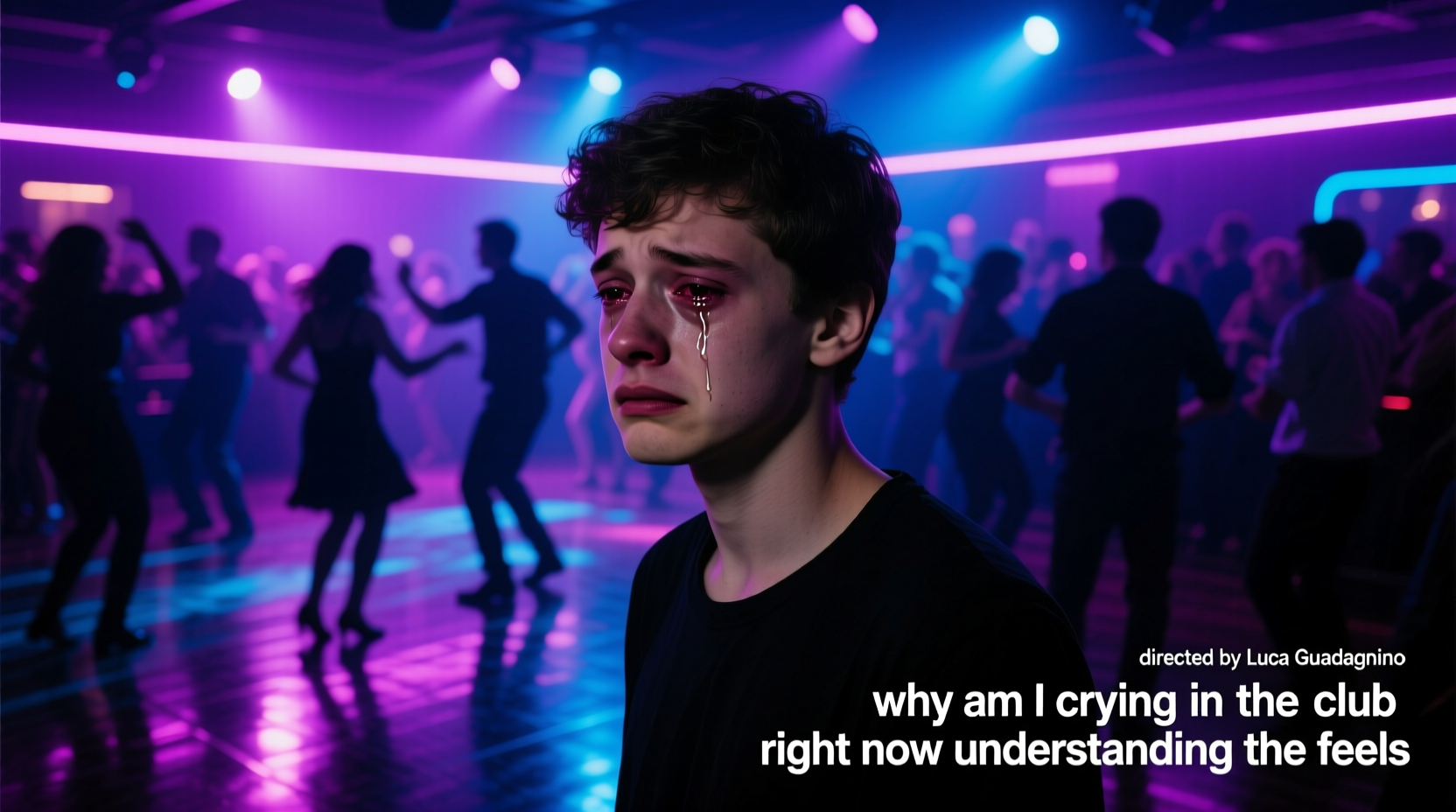
Clubs are sensory overload zones: flashing lights, physical vibration from bass, crowded movement, alcohol, and loud music. These stimuli don’t just affect mood—they alter brain chemistry. Dopamine spikes from rhythm and social connection can lower emotional barriers. Meanwhile, cortisol (the stress hormone) may dip temporarily due to rhythmic entrainment, making space for suppressed feelings to surface.
Music itself is a powerful emotional trigger. Neurologically, familiar songs activate the hippocampus (memory center) and amygdala (emotion center). A track from your past—a breakup anthem, a song from high school, a tune tied to someone lost—can bypass logic and go straight to grief, joy, or longing.
“Music accesses parts of the brain that words alone cannot reach. In moments of collective sound and rhythm, people often experience catharsis without even knowing why.” — Dr. Lena Reyes, Cognitive Psychologist & Music Therapist
Why the Club? Why Now?
The club is paradoxical: it's a place designed for escape, yet it often becomes a site of confrontation. When you're dancing, your body is moving rhythmically, which can reduce anxiety and open neural pathways associated with emotional processing. Add dim lighting and anonymity, and you’ve created conditions where vulnerability doesn’t feel dangerous.
Many people cry in clubs because they’re finally safe enough to do so. In daily life, emotions are managed, scheduled, suppressed. But in the middle of a dance floor, under strobes and synth, defenses drop. The moment isn’t about control—it’s about surrender. And sometimes, surrender looks like tears.
Consider this: you might not be crying about anything happening right now. You could be releasing months of accumulated stress, loneliness, or unresolved grief. The music isn’t causing the tears—it’s creating the container for them.
Common Triggers That Spark Emotional Release
- A song linked to a past relationship or loss
- Social exhaustion masked as extroversion
- Identity reflection—especially during nightlife centered around LGBTQ+ or alternative communities
- Alcohol lowering inhibition, allowing buried emotions to surface
- Physical fatigue weakening emotional regulation
Case Study: Jamie at the Queer Dance Party
Jamie, 27, attended a monthly queer dance event in Brooklyn after a long week of remote work and family obligations. They hadn’t seen their chosen community in months. Midway through the night, the DJ played a remix of Robyn’s “Dancing On My Own.” Jamie started moving, then froze. Tears came fast.
At first, they thought it was about a recent breakup. But later, journaling, they realized it wasn’t about one person—it was about years of feeling unseen, of performing happiness, of hiding parts of themselves. The song, the space, the solidarity of other queer bodies dancing—it all cracked something open.
“I didn’t leave the club,” Jamie said. “I danced through it. Cried and danced. It felt like healing.”
This is the power of communal rhythm: it doesn’t fix pain, but it holds space for it. In environments where identity is celebrated, emotional honesty becomes possible—even necessary.
Do’s and Don’ts: Navigating Emotional Moments in Public
| Do | Don't |
|---|---|
| Step aside if overwhelmed, but don’t shame yourself | Force yourself to “tough it out” or suppress tears |
| Breathe deeply and acknowledge what you’re feeling | Assume crying means you’re “too sensitive” |
| Lean on a trusted friend if present | Isolate yourself completely—some solitude helps, but total withdrawal can deepen distress |
| Reflect later: journal or talk about the experience | Dismiss the moment as “just the alcohol” or “bad vibes” without inquiry |
How to Process the Feels After the Beat Drops
Crying in the club isn’t the problem—it’s data. It’s your inner world signaling that something needs attention. Here’s how to follow up constructively:
- Pause and Name It: When you’re calm, ask: What was I really feeling? Grief? Loneliness? Joy mixed with loss? Use specific language.
- Trace the Trigger: Was it a lyric, a smell, a person nearby? Identifying the spark helps demystify the reaction.
- Journal Without Judgment: Write freely. No editing. Let the narrative unfold. You might discover patterns—songs from a certain year, themes of abandonment, or recurring emotional tones.
- Seek Connection: Talk to a therapist, close friend, or support group. Emotional release in public often points to deeper needs for intimacy or validation.
- Reframe the Experience: Instead of seeing the tears as embarrassing, view them as evidence of emotional resilience. You felt something real and allowed it to move through you.
Frequently Asked Questions
Is it normal to cry in a club?
Yes. Emotional release in high-sensory, socially charged environments is more common than reported. Clubs combine music, movement, identity, and altered states—all of which can unlock deep feelings. As long as it doesn’t interfere with safety or well-being, it’s a valid human response.
Could this be a sign of depression or anxiety?
Occasional emotional surges aren’t necessarily clinical. However, if crying episodes are frequent, disruptive, or paired with persistent low mood, fatigue, or disconnection, consider speaking with a mental health professional. Context matters.
How can I enjoy nightlife without being overwhelmed?
Set boundaries: take breaks, stay hydrated, limit substances, and go with trusted friends. Choose venues that align with your emotional needs—some spaces are more about escapism, others about expression. Know which you need.
Building Emotional Resilience Through Nightlife
Nightlife doesn’t have to be just about forgetting. For many, it’s a ritual of remembrance, reclamation, and release. Dancing can be prayer. Bass can be therapy. And tears on the dance floor? They can be sacramental.
The key is integration. Allow the moment its truth, then carry its lesson forward. Maybe you need more creative expression. Maybe you’re craving deeper connection. Or perhaps you’ve been carrying grief disguised as apathy.
Next time you find yourself blinking back tears under a disco ball, try this: don’t fight it. Let the music hold you. Breathe. Move. And know that you’re not broken—you’re becoming.
“We underestimate the therapeutic power of collective rhythm. When people dance together, they co-regulate. When someone cries in that space, it’s often not a breakdown—it’s a breakthrough.” — Malik Greene, DJ & Community Healer
You’re Not Alone in the Dark
If you’ve ever asked, *Why am I crying in the club right now?*, know this: you’re part of a quiet chorus. People weep in restrooms, lean against walls mid-song, disappear into corners with trembling lips. And many never speak of it.
But those tears matter. They mean you’re alive, feeling, remembering. They mean the music reached you. The night held you. The moment found you.
So next time it happens—don’t rush to explain it away. Sit with it. Learn from it. And if you feel moved, share your story. Someone else might be crying in the dark, too, needing to know they’re not alone.




 浙公网安备
33010002000092号
浙公网安备
33010002000092号 浙B2-20120091-4
Comments
No comments yet. Why don't you start the discussion?