
Sudden crying spells can be disorienting, especially when they occur without an obvious trigger. You might be in the middle of a routine task, having a normal conversation, or even feeling relatively calm—only to find tears streaming down your face moments later. These unexplained emotional releases are more common than many realize, and while unsettling, they often point to deeper psychological, physiological, or environmental factors at play. Understanding why you're crying unexpectedly is the first step toward self-awareness, emotional regulation, and improved well-being.
The Emotional Triggers Behind Unexpected Tears
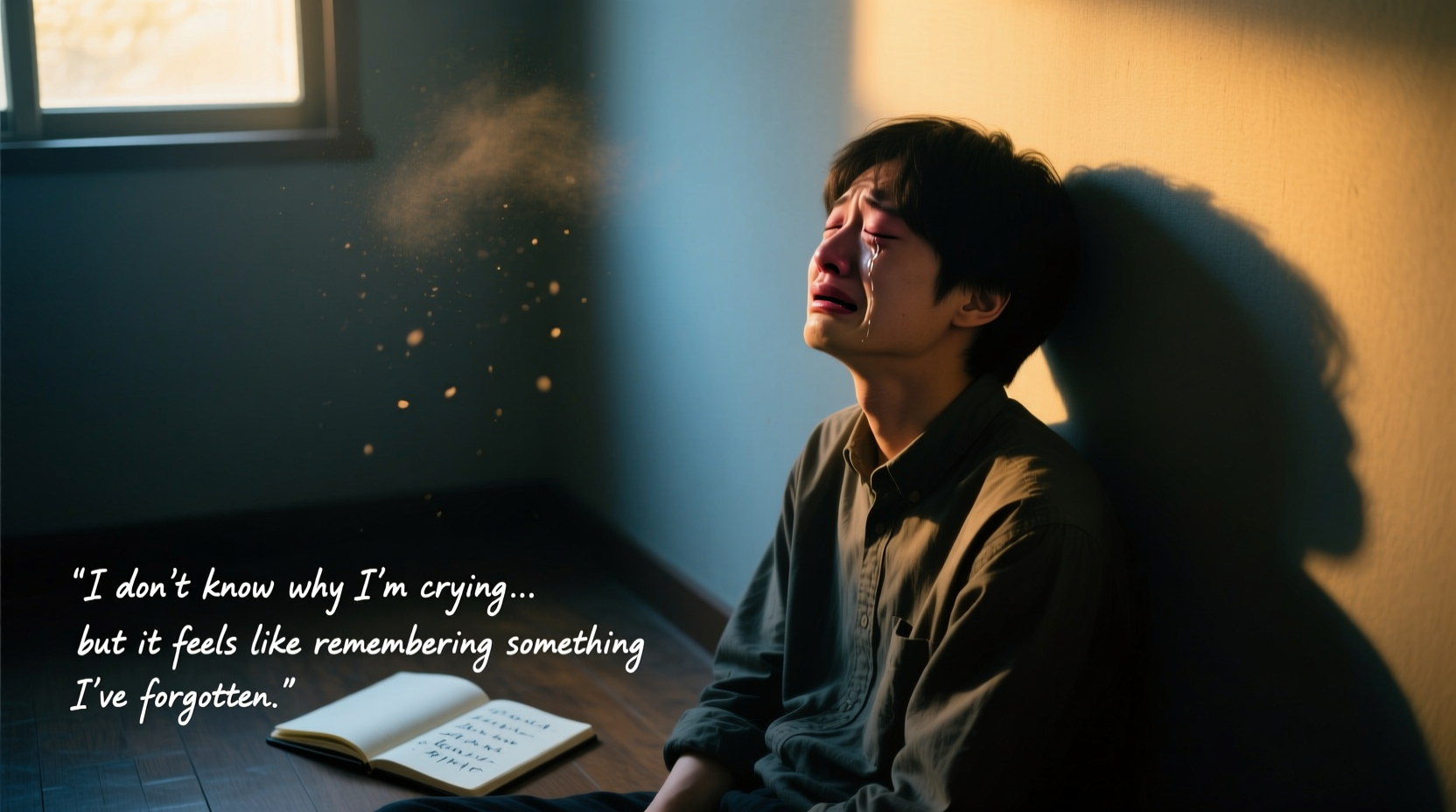
Crying is a natural human response to emotion, but not all crying is caused by sadness. Sudden tears can stem from a complex mix of emotions, including frustration, overwhelm, relief, or even joy. The brain processes emotional stimuli rapidly, sometimes bypassing conscious awareness before triggering a physical release like crying.
Stress is one of the most common catalysts for unanticipated crying. When under prolonged pressure, the nervous system becomes hypersensitive. Small triggers—a kind word, a minor inconvenience, or a nostalgic song—can act as tipping points that unleash built-up emotional tension. This phenomenon is often referred to as \"emotional flooding,\" where accumulated stress finally finds an outlet.
Repressed emotions also contribute significantly. Many people suppress feelings due to social expectations, fear of vulnerability, or past experiences where expressing emotion was discouraged. Over time, these buried emotions don’t disappear—they accumulate. Eventually, they may surface spontaneously, disconnected from their original source, making them seem random.
Physiological Factors That Influence Crying
While emotions are central to crying, the body’s internal chemistry plays a crucial role. Hormonal fluctuations, neurological activity, and even fatigue can lower your threshold for tears.
For example, women may experience increased crying spells during certain phases of the menstrual cycle, pregnancy, or perimenopause due to shifts in estrogen and progesterone. Similarly, thyroid imbalances or adrenal fatigue can destabilize mood regulation, leading to emotional volatility.
Sleep deprivation impairs the prefrontal cortex—the part of the brain responsible for emotional control. When this region is compromised, emotional reactions become less regulated and more intense. A person who hasn’t slept well may burst into tears over something trivial simply because their brain lacks the resources to modulate the response.
“Crying isn’t just emotional—it’s neurochemical. Tears contain stress hormones like cortisol, which suggests crying may help the body literally release tension.” — Dr. Lena Patel, Neuroscientist and Emotion Researcher
Common Causes of Sudden Crying Spells
Understanding potential causes can demystify the experience and reduce shame or confusion. Below is a summary of frequent contributors:
| Cause | Description | Associated Conditions |
|---|---|---|
| Chronic Stress | Prolonged mental or emotional pressure leads to emotional exhaustion. | Anxiety, burnout, PTSD |
| Hormonal Changes | Fluctuations in reproductive or stress-related hormones affect mood. | PMS, postpartum, menopause |
| Depression & Anxiety | Mood disorders often include emotional lability as a symptom. | Clinical depression, panic disorder |
| Neurological Sensitivity | Highly sensitive individuals process emotions more deeply. | HSP (Highly Sensitive Person) trait |
| Medication Side Effects | Some drugs impact neurotransmitters involved in mood. | SSRIs, hormonal treatments |
A Real-Life Example: Sarah’s Experience
Sarah, a 34-year-old project manager, began experiencing sudden crying episodes at work. She would start weeping during team meetings or while replying to emails, with no clear reason. Initially embarrassed, she feared her colleagues thought she was unstable. After tracking her episodes, she noticed they occurred mostly after 3 p.m., often following back-to-back calls.
She consulted a therapist who helped her identify chronic workplace stress combined with sleep deprivation. Sarah had been averaging five hours of sleep and skipping meals. Her body and mind were overloaded. With adjustments—structured breaks, better sleep hygiene, and weekly therapy sessions—the crying spells decreased significantly within six weeks.
Her case illustrates how external pressures and lifestyle factors can converge to create emotional instability, even in high-functioning individuals.
What You Can Do: A Step-by-Step Guide
If you’re experiencing unexplained crying, consider the following steps to gain insight and regain balance:
- Pause and Acknowledge: When a crying spell occurs, stop what you’re doing if possible. Don’t suppress it—acknowledge that your body is responding to something real, even if it’s not immediately apparent.
- Check In With Yourself: Ask quietly: “What am I feeling right now?” Name the emotion—sadness, frustration, loneliness, relief—even if it seems unrelated to your current situation.
- Trace Backward: Think about the past 24–48 hours. Were there unresolved conflicts, missed rest, or suppressed frustrations? Often, crying is delayed reaction to earlier stressors.
- Assess Physical Health: Evaluate sleep, diet, hydration, and any medical conditions. Consider a check-up to rule out hormonal or neurological issues.
- Seek Support: Talk to a trusted friend, counselor, or doctor. Verbalizing your experience reduces isolation and can clarify underlying causes.
When to Be Concerned: Red Flags
Occasional crying without a clear cause is usually not a concern. However, persistent or disruptive episodes may signal an underlying condition requiring attention. Watch for:
- Crying multiple times daily without relief
- Inability to perform daily tasks due to emotional overwhelm
- Feelings of hopelessness, numbness, or detachment
- Physical symptoms like fatigue, appetite changes, or insomnia
If these patterns persist for two weeks or more, it may indicate clinical depression, anxiety disorder, or another mental health condition. Professional evaluation is strongly recommended.
FAQ
Is it normal to cry for no reason?
Yes, it’s more common than people admit. Crying without an obvious trigger can result from accumulated stress, hormonal shifts, or subconscious emotional processing. As long as it’s occasional and doesn’t interfere with functioning, it’s typically within the range of normal emotional expression.
Can crying be a sign of strength?
Absolutely. Crying reflects emotional awareness and the courage to feel rather than suppress. In many cultures, it’s been wrongly labeled as weakness, but modern psychology recognizes emotional release as a healthy coping mechanism and a sign of self-awareness.
How can I stop myself from crying at inappropriate times?
While suppressing tears isn’t ideal long-term, you can use immediate strategies: focus on slow breathing, press your thumb gently against your palm, or excuse yourself briefly. Long-term, addressing root causes—like stress management or therapy—reduces the frequency of overwhelming episodes.
Conclusion
Sudden crying spells are rarely random. They are signals—sometimes subtle, sometimes urgent—from your mind and body that something needs attention. Whether it's unprocessed grief, chronic stress, hormonal imbalance, or simply emotional overload, each tear carries information. Instead of judging or resisting these moments, approach them with curiosity and kindness.
Start small: notice when and where crying happens, reflect without judgment, and take one constructive step—be it better sleep, a conversation with a therapist, or simply allowing space to feel. Emotional health isn’t about eliminating tears; it’s about understanding them.




 浙公网安备
33010002000092号
浙公网安备
33010002000092号 浙B2-20120091-4
Comments
No comments yet. Why don't you start the discussion?