
Feeling like life is working against you—repeated failures, unexplained misfortunes, persistent anxiety—can lead many to wonder: Am I cursed? While the idea of curses originates in folklore, religion, and spiritual traditions, modern psychology offers alternative interpretations. Whether your belief leans toward the metaphysical or the rational, this article explores the signs people associate with being cursed, examines possible explanations, and provides actionable steps to restore balance, confidence, and well-being.
Common Signs People Associate With Being Cursed
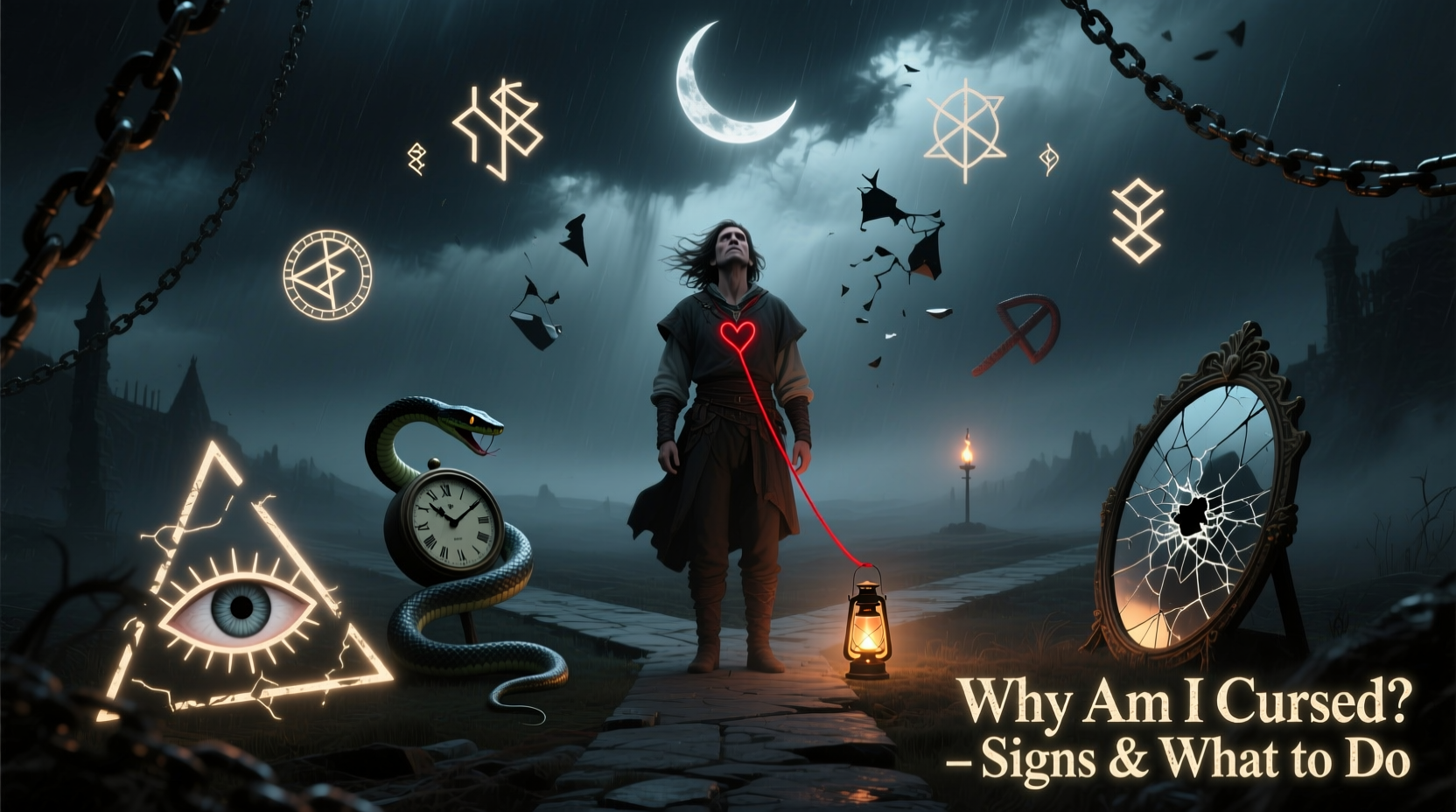
People who believe they are cursed often report a cluster of recurring negative experiences. These patterns may not have a clear cause, which fuels the perception of supernatural influence. Common signs include:
- Chronic bad luck – losing jobs unexpectedly, financial setbacks, or repeated accidents.
- Relationship turmoil – toxic cycles, sudden betrayals, or inability to maintain healthy connections.
- Persistent health issues – unexplained illnesses that resist diagnosis or treatment.
- Sleep disturbances – nightmares, night terrors, or chronic insomnia without medical cause.
- Unusual coincidences – feeling watched, hearing one’s name called when alone, or objects moving inexplicably.
- A sense of doom – constant dread, even when life appears stable.
While these experiences can be deeply unsettling, it's important to recognize that correlation does not equal causation. The human mind naturally seeks patterns—even where none exist.
Psychological vs. Spiritual Explanations
The interpretation of a “curse” depends heavily on worldview. Below is a comparison of psychological and spiritual perspectives on perceived curses.
| Aspect | Psychological View | Spiritual/Cultural View |
|---|---|---|
| Cause | Anxiety, trauma, cognitive distortions (e.g., catastrophizing) | Negative energy, ancestral karma, hexes, or divine punishment |
| Symptoms | Stress-related illness, depression, self-sabotage | Energy blockages, spirit attachment, recurring misfortune |
| Treatment | Therapy, medication, lifestyle changes | Rituals, prayers, cleansing ceremonies, spiritual guidance |
| Evidence | Empirical research, clinical studies | Personal testimony, tradition, religious texts |
Dr. Lena Reyes, a clinical psychologist specializing in anxiety disorders, explains:
“Many patients describe feeling ‘cursed’ when they’re actually experiencing untreated trauma or chronic stress. The brain interprets prolonged distress as a threat pattern—even if no real danger exists.” — Dr. Lena Reyes, PhD, Cognitive Behavioral Therapy Specialist
This doesn’t invalidate personal beliefs but encourages a balanced approach: exploring both internal and external factors behind suffering.
Real-Life Example: Maria’s Experience With \"Bad Luck\"
Maria, a 34-year-old teacher from New Mexico, believed she was cursed after three miscarriages, her husband leaving her, and a house fire—all within 18 months. She consulted a curandera (a traditional healer), who performed a limpia (spiritual cleansing). While Maria found comfort in the ritual, she also began therapy. Over time, she discovered unresolved grief from childhood neglect and a tendency to attract emotionally unavailable partners. Combining spiritual practice with cognitive-behavioral therapy helped her regain stability.
Maria’s case illustrates how cultural beliefs and psychological healing can coexist. The ritual provided emotional closure, while therapy addressed root causes.
What You Can Do: A Step-by-Step Guide
If you feel cursed, take deliberate, grounded actions to assess and improve your situation. Follow this six-step process:
- Pause and reflect – Journal daily for one week. Note emotions, events, and physical sensations. Identify patterns.
- Rule out medical causes – Visit a doctor to check for hormonal imbalances, sleep disorders, or chronic conditions.
- Seek professional support – A therapist can help uncover subconscious beliefs contributing to self-sabotage.
- Assess relationships – Are certain people consistently draining or hostile? Set boundaries or distance yourself.
- Engage in meaningful rituals (if aligned with your beliefs) – Smudging with sage, prayer, meditation, or visiting sacred spaces can restore a sense of control.
- Create a positive environment – Declutter your space, adopt healthy routines, and surround yourself with supportive people.
Practical Checklist: Regaining Control When You Feel Cursed
Use this checklist to systematically address your concerns—whether spiritual or psychological:
- ☐ Keep a symptom and mood journal for 7–10 days
- ☐ Schedule a physical and mental health checkup
- ☐ Identify any recent conflicts or emotional wounds
- ☐ Remove or limit contact with negative influences
- ☐ Perform a symbolic cleansing (e.g., wash hands with salt, clean your home)
- ☐ Write down one limiting belief (e.g., “I always fail”) and challenge it with evidence
- ☐ Spend 10 minutes daily in mindfulness or gratitude practice
- ☐ Share your feelings with a trusted friend or counselor
Frequently Asked Questions
Can a curse be passed down through families?
Some cultural traditions believe in generational curses tied to unresolved trauma, betrayal, or ancestral wrongdoing. From a psychological standpoint, dysfunctional family patterns—such as addiction or abuse—can repeat across generations unless consciously interrupted. Whether viewed spiritually or behaviorally, breaking the cycle requires awareness and intentional change.
How do I know if I need spiritual help versus therapy?
If your distress is rooted in fear of spirits, dreams of ominous figures, or belief in supernatural harm, consulting a trusted spiritual leader may bring relief. If symptoms include panic attacks, low self-worth, or relationship dysfunction, a licensed therapist is better equipped to help. Many find value in both.
Are there real cases of curses causing harm?
There is no scientific evidence that curses cause physical harm. However, the *nocebo effect*—the opposite of the placebo effect—shows that believing something will harm you can trigger real physical symptoms. Fear itself can make you ill.
“The power of belief is immense. Whether you call it a curse or chronic stress, the outcome on the body can be similar.” — Dr. Arjun Patel, Behavioral Scientist
Conclusion: Reclaiming Power Over Your Narrative
Feeling cursed often stems from a loss of control in the face of repeated hardship. While cultural and spiritual frameworks offer comfort to many, long-term healing comes from addressing root causes—be they emotional, relational, or psychological. You are not doomed by fate, karma, or unseen forces. You are responding to real challenges, perhaps amplified by fear and isolation.
Take back agency. Seek clarity through reflection and professional guidance. Honor your beliefs without surrendering to helplessness. Whether you cleanse your space with sage or sit in therapy unpacking old wounds, the goal is the same: to move from victimhood to empowerment.




 浙公网安备
33010002000092号
浙公网安备
33010002000092号 浙B2-20120091-4
Comments
No comments yet. Why don't you start the discussion?