
It’s a question that echoes in quiet moments: Why do I feel empty, sad, or numb when everything on paper looks perfect? A stable job, loving relationships, financial security—yet an unshakable weight lingers. Depression doesn’t always arrive with obvious triggers. Sometimes, it creeps in silently, contradicting the narrative of a “good life.” This dissonance can be confusing, even shameful. But understanding this paradox is the first step toward healing.
Depression is not a moral failing or a sign of ingratitude. It is a complex interplay of biology, psychology, and environment. When symptoms arise without apparent cause, they often stem from internal processes invisible to the outside world—and sometimes, even to ourselves.
The Myth of Circumstantial Happiness
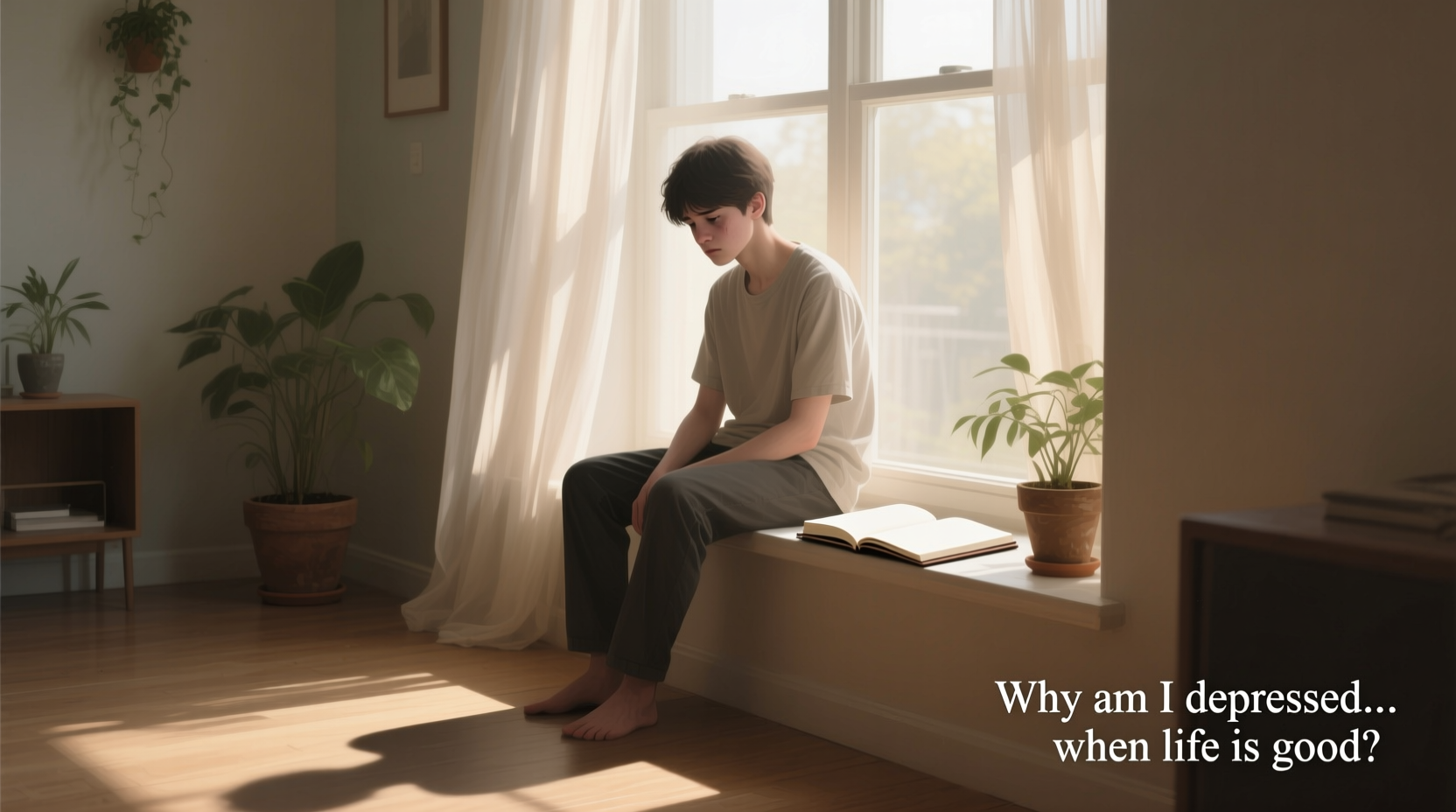
Society conditions us to believe that achievement leads to happiness. Graduate, get the job, buy the house, find the partner—then joy should follow. But emotional well-being doesn’t operate on transactional logic. The brain doesn’t reward external success with automatic contentment. In fact, reaching these milestones can sometimes trigger a crisis of meaning: “Is this all there is?”
This phenomenon is known as the arrival fallacy—the belief that achieving certain goals will bring lasting happiness. When the expected fulfillment doesn’t arrive, disappointment sets in. For some, it spirals into depression, especially if self-worth has been tied too closely to accomplishments.
Biological and Neurochemical Factors
Depression often has roots deep within the body’s chemistry. Imbalances in neurotransmitters like serotonin, dopamine, and norepinephrine can disrupt mood regulation regardless of external circumstances. These imbalances may result from genetics, hormonal fluctuations, chronic stress, or even inflammation.
Consider seasonal affective disorder (SAD), where people experience depression during specific times of year—despite no change in their personal lives. Or postpartum depression, which strikes after childbirth, often in women with strong support systems and stable lives. These examples show that mood disorders are not always rational responses to hardship.
“Depression is not sadness about your life—it’s a medical condition that affects how your brain functions.” — Dr. Lisa Chen, Clinical Psychologist
Emotional Suppression and Hidden Stress
Many high-functioning individuals maintain an image of control while internally struggling. They smile at work, host gatherings, and meet obligations—but behind closed doors, they feel detached, fatigued, or emotionally hollow. This performance of normalcy can mask underlying distress for years.
Chronic low-grade stress—what psychologists call “background anxiety”—can wear down mental resilience over time. Even positive life changes, like promotions or marriage, carry subtle pressures. Over time, unprocessed emotions accumulate, leading to emotional exhaustion and depressive symptoms.
Common signs of suppressed emotional strain include:
- Difficulty concentrating
- Loss of interest in activities once enjoyed
- Increased irritability or emotional numbness
- Sleep disturbances (insomnia or oversleeping)
- Physical symptoms like headaches or digestive issues
Identity, Purpose, and Existential Disconnection
When life is objectively good, depression may signal a deeper existential crisis. Questions like “What is my purpose?” or “Who am I beneath my roles?” become louder. People who have spent years meeting expectations—of family, society, or themselves—may wake up feeling like strangers in their own lives.
This kind of depression isn’t about lacking things; it’s about lacking meaning. It often affects those who have achieved success but feel disconnected from their inner selves. The absence of struggle doesn’t guarantee presence of joy.
A real example illustrates this clearly:
Mini Case Study: Alex’s Story
Alex, 34, works as a senior manager at a tech firm. Married, home-owner, financially secure—he ticks every box. Yet for months, he’s felt increasingly detached. Mornings are exhausting. He scrolls through emails without focus. Weekends pass in a fog of Netflix and silence. His wife notices his withdrawal but assumes he’s just tired. Alex feels guilty for not being grateful. “I have everything,” he says, “so why do I feel so broken?”
After months of hesitation, Alex sees a therapist. Through sessions, he uncovers a long-standing pattern: he chose his career to please his parents, suppressed creative passions, and avoided confronting unresolved grief from his father’s death years earlier. His depression wasn’t caused by lack—but by emotional neglect and misalignment with his authentic self.
Practical Steps Toward Healing
Recognizing that depression can exist alongside a good life is vital. From there, intentional action can restore balance. Healing isn’t about fixing what’s broken externally, but reconnecting with what’s been buried internally.
Step-by-Step Guide to Reconnecting With Yourself
- Pause and Acknowledge: Stop dismissing your feelings as irrational. Name them: “I feel sad, even though my life looks good.”
- Seek Professional Support: Talk to a licensed therapist or psychiatrist. Therapy helps uncover root causes and develop coping strategies.
- Journal Regularly: Write freely about your thoughts, dreams, fears, and regrets. Patterns will emerge over time.
- Reconnect With Joy: List activities you once loved but abandoned. Try one each week, without pressure to enjoy it immediately.
- Practice Mindfulness: Spend 5–10 minutes daily focusing on breath or bodily sensations. This builds awareness of present-moment experience.
- Set Small Emotional Goals: Instead of “be happy,” aim for “feel one authentic emotion today.”
Do’s and Don’ts When Coping With Invisible Depression
| Do | Don't |
|---|---|
| Validate your emotions | Dismiss feelings as “ungrateful” |
| Talk to someone you trust | Isolate yourself to avoid burdening others |
| Seek professional help early | Wait until you’re in crisis |
| Allow space for grief, even without loss | Force positivity or toxic optimism |
| Take care of physical health (sleep, diet, movement) | Neglect your body while focusing only on mind |
Frequently Asked Questions
Can you be depressed even if nothing bad happened?
Yes. Depression is not solely a reaction to trauma or adversity. It can arise from biological imbalances, unmet emotional needs, identity conflicts, or prolonged suppression of feelings—even in the absence of external hardship.
Is it normal to feel guilty about being depressed when life is good?
Very common, but misplaced. Guilt often worsens depression. Feeling this way doesn’t mean you’re flawed—it means you’re human, navigating complex emotions in a culture that equates comfort with happiness.
How long does this type of depression last?
Duration varies. Without intervention, it can persist for months or years. With therapy, lifestyle adjustments, and self-awareness, many see improvement within weeks or months. Early action shortens recovery time significantly.
Checklist: First Steps If You Feel Depressed Despite a Good Life
- ☑ Acknowledge your feelings without judgment
- ☑ Write down three things you’re feeling right now
- ☑ Schedule an appointment with a mental health professional
- ☑ Share your experience with one trusted person
- ☑ Commit to one small act of self-care daily (e.g., walk, hydrate, rest)
- ☑ Remove the phrase “I should be happy” from your inner dialogue
Conclusion: Your Pain Is Valid—Even Here
Depression in the midst of abundance is not a contradiction. It’s a signal—a quiet voice asking to be heard beneath the noise of success. Healing doesn’t require catastrophe to justify suffering. What matters is listening, responding with compassion, and taking steps—no matter how small—toward authenticity.
You don’t need to earn the right to feel. You are allowed to seek help, to grieve unseen losses, to question your path, and to rediscover who you are beyond the surface of a “good life.” Start where you are. Speak your truth. Reach out. Recovery isn’t about returning to normal—it’s about building a life that resonates with your soul.




 浙公网安备
33010002000092号
浙公网安备
33010002000092号 浙B2-20120091-4
Comments
No comments yet. Why don't you start the discussion?