
If you find yourself catching colds, sore throats, or stomach bugs with alarming regularity—every few weeks or once a month—it’s natural to wonder what’s going wrong. Frequent illness isn’t just inconvenient; it can signal deeper imbalances in your lifestyle, environment, or health. While occasional sickness is normal, recurring infections suggest your body may be struggling to defend itself effectively. The good news? Most underlying causes are modifiable with the right knowledge and habits.
This article explores the most common reasons behind monthly illness cycles, from weakened immunity to chronic stress and environmental triggers. More importantly, it provides actionable, science-backed strategies to help you break the cycle and stay healthier year-round.
Common Causes of Recurrent Monthly Illness
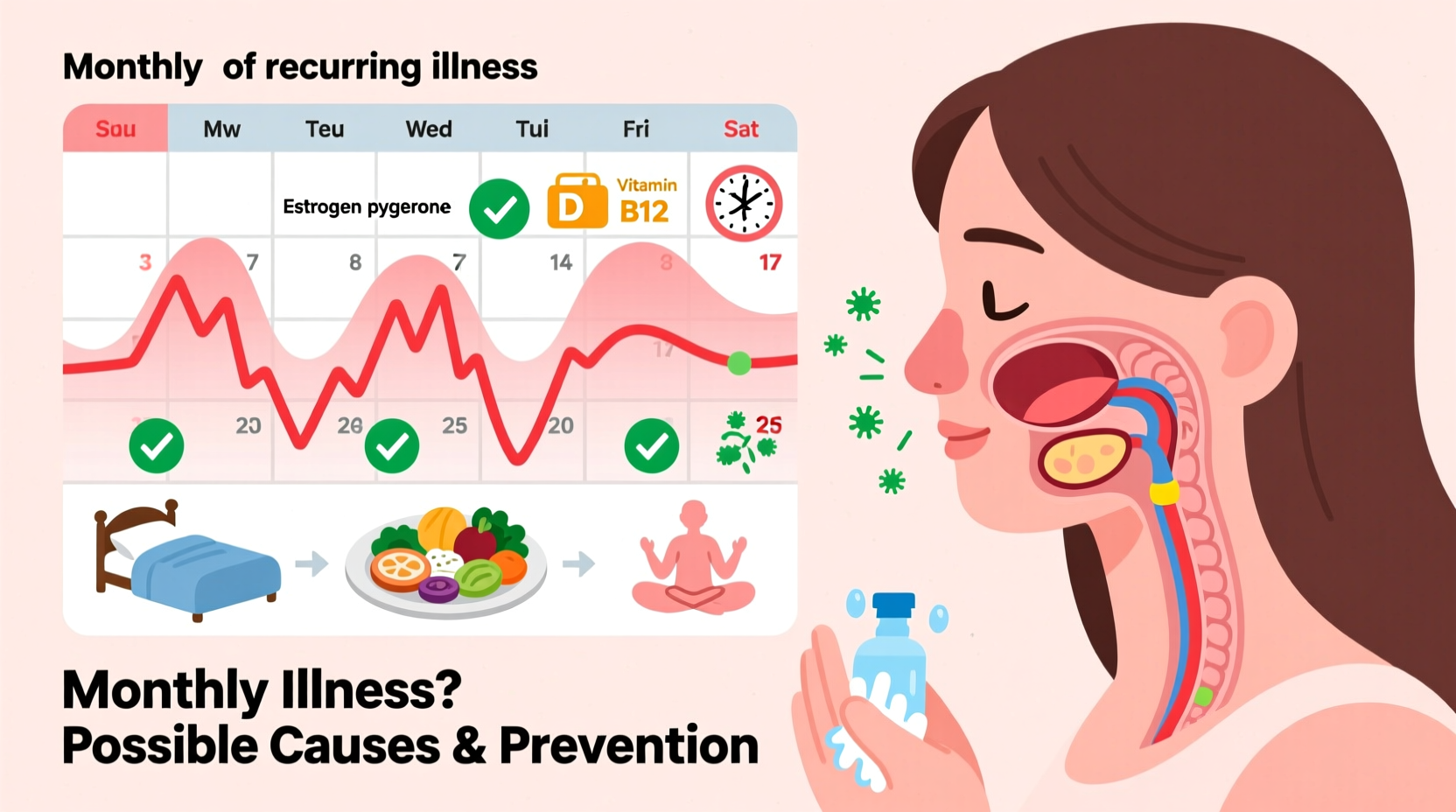
Frequent illness often stems from a combination of factors rather than a single cause. Understanding these root issues is the first step toward long-term prevention.
- Weakened Immune Function: A compromised immune system struggles to fend off viruses and bacteria, making you more susceptible to infections.
- Chronic Stress: Elevated cortisol levels suppress immune activity over time, increasing vulnerability to illness.
- Poor Sleep Habits: Sleeping less than 7 hours per night regularly reduces immune defenses and slows recovery.
- Nutritional Deficiencies: Low levels of vitamin D, zinc, iron, or vitamin C impair immune cell function.
- Exposure to Pathogens: Working in high-traffic environments (schools, hospitals, public transit) increases contact with germs.
- Underlying Health Conditions: Autoimmune disorders, thyroid dysfunction, or undiagnosed allergies can mimic or contribute to frequent sickness.
- Lifestyle Factors: Sedentary behavior, smoking, excessive alcohol, and dehydration all weaken resilience.
How Stress and Sleep Impact Immunity
The connection between mental well-being and physical health is profound. Chronic psychological stress alters immune regulation by increasing pro-inflammatory cytokines and reducing the effectiveness of white blood cells.
A landmark study published in the Proceedings of the National Academy of Sciences found that individuals under prolonged stress produced fewer antibodies after vaccination, indicating impaired immune memory. Similarly, disrupted sleep affects the production of cytokines necessary for fighting infection.
“Even moderate, consistent sleep deprivation can reduce immune efficiency as much as a poor diet or lack of exercise.” — Dr. Lisa Chen, Immunologist and Sleep Researcher
When you’re stressed or sleep-deprived, your body remains in a low-grade inflammatory state, leaving fewer resources available to respond to new threats. This creates a vicious cycle: you get sick, lose sleep, feel more stressed, and become even more vulnerable.
Signs Your Immune System Is Compromised
- Frequent colds (more than 4–5 per year)
- Slow wound healing
- Constant fatigue unrelated to exertion
- Recurrent fungal infections (e.g., oral thrush, athlete’s foot)
- Digestive issues like bloating or diarrhea
Prevention Checklist: Strengthening Your Body’s Defenses
Preventing recurrent illness requires a holistic approach. Use this checklist to evaluate and improve your daily habits:
- Get 7–9 hours of quality sleep nightly
- Drink at least 2 liters of water per day
- Eat 3–5 servings of vegetables daily
- Include protein-rich foods at every meal
- Spend 15–30 minutes outdoors for sunlight exposure
- Practice mindfulness or deep breathing for 10 minutes
- Wash hands frequently, especially after public transit or crowded spaces
- Disinfect high-touch surfaces (phone, keyboard, doorknobs) weekly
- Exercise moderately 3–5 times per week
- Schedule annual physicals and blood work (vitamin D, iron, CBC)
Environmental and Behavioral Triggers
Your surroundings play a major role in how often you get sick. Even if your diet and sleep are on point, external factors can undermine your efforts.
| Trigger | Impact | What You Can Do |
|---|---|---|
| Dry indoor air (especially in winter) | Dries nasal passages, reducing natural germ filtration | Use a humidifier; aim for 40–60% humidity |
| Recirculated air in offices or airplanes | Spreads airborne pathogens | Wear a mask during flu season; use portable air purifier |
| Shared workspaces or communal kitchens | High surface contamination risk | Clean desk with disinfectant wipes; avoid sharing utensils |
| Overuse of hand sanitizer | Kills beneficial skin bacteria; may lead to resistance | Wash hands with soap and water when possible |
Real Example: Maria’s Monthly Cold Cycle
Maria, a 34-year-old teacher, caught a cold every four to five weeks for nearly a year. She assumed it was due to classroom exposure—until she tracked her symptoms alongside her schedule. She noticed each illness began during parent-teacher conference week, when she slept only 5–6 hours per night and skipped meals.
After consulting a functional medicine practitioner, Maria discovered she had borderline low vitamin D and elevated cortisol. With improved sleep hygiene, daily walks, and a vitamin D supplement, her illness frequency dropped to one mild cold per year.
Her case illustrates how timing, stress, and nutrition interact to influence immune resilience—even in otherwise healthy individuals.
Step-by-Step Guide to Breaking the Illness Cycle
Follow this six-week plan to reset your immune health and prevent recurring sickness:
- Week 1: Audit Your Lifestyle
Create a log tracking sleep, diet, stress levels, and any symptoms. Note patterns such as post-work fatigue or menstrual-related illness spikes. - Week 2: Optimize Sleep and Hydration
Set a consistent bedtime, eliminate screens one hour before bed, and drink half your body weight (lbs) in ounces of water daily. - Week 3: Revise Your Diet
Incorporate fermented foods (yogurt, sauerkraut), leafy greens, nuts, and lean proteins. Reduce sugar and processed carbs, which impair white blood cell function. - Week 4: Introduce Movement
Start with 20-minute brisk walks 4 times a week. Moderate exercise boosts circulation of immune cells. - Week 5: Test and Supplement (if needed)
Request blood tests for vitamin D, iron, B12, and thyroid function. Supplement under medical guidance if deficiencies are found. - Week 6: Build Resilience Habits
Add meditation, journaling, or yoga to manage stress. Continue hygiene practices and monitor symptom recurrence.
Frequently Asked Questions
Is it normal to get sick every month?
No, getting sick monthly is not considered normal for adults. While children may experience more frequent infections due to developing immune systems, adults typically have 2–4 respiratory infections per year. Monthly illness suggests an underlying issue such as stress, poor sleep, nutritional gaps, or chronic inflammation.
Can hormonal changes make me sick every month?
Yes. Some women experience heightened susceptibility to illness around their menstrual cycle due to fluctuations in estrogen and progesterone, which influence immune activity. This is known as \"immune cyclicity.\" Symptoms like fatigue, headaches, or sore throat may coincide with premenstrual or ovulatory phases, especially if stress or nutrient intake is suboptimal.
Should I see a doctor if I keep getting sick?
Yes. If you’ve had more than four significant infections in a year, or if illnesses last longer than 10–14 days, consult a healthcare provider. They may screen for conditions like hypothyroidism, diabetes, autoimmune disorders, or primary immunodeficiency.
Conclusion: Take Control of Your Health
Getting sick every month doesn’t have to be your normal. With deliberate changes to sleep, diet, stress management, and environment, most people can significantly reduce their illness frequency and build lasting immunity. Small, consistent actions compound into powerful protection over time.




 浙公网安备
33010002000092号
浙公网安备
33010002000092号 浙B2-20120091-4
Comments
No comments yet. Why don't you start the discussion?