
Being ignored—whether by a partner, friend, coworker, or group—can be one of the most emotionally disorienting experiences. It’s not always loud or dramatic; often, it’s subtle: messages left on read, opinions dismissed in meetings, invitations never extended. The silence can feel heavier than any argument. But before you internalize it as personal failure, it's important to recognize that being ignored rarely stems from one single cause. It's usually a mix of interpersonal dynamics, communication styles, and unspoken expectations. Understanding why this happens is the first step toward meaningful change—both in how others treat you and how you show up in relationships.
The Emotional Impact of Being Ignored
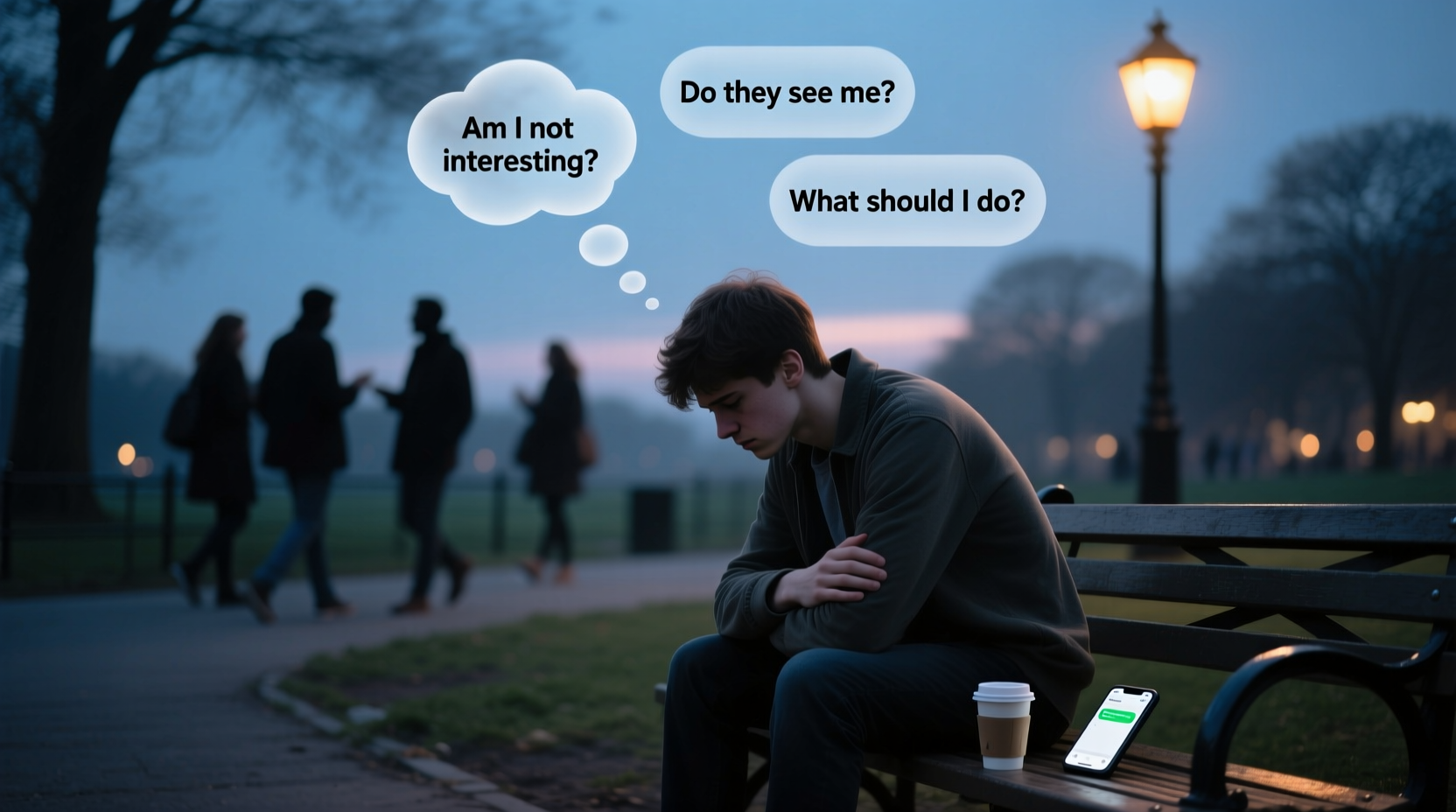
Psychological research consistently shows that social exclusion activates the same regions of the brain associated with physical pain. Dr. Naomi Eisenberger, a neuroscientist at UCLA, found that “being excluded is literally painful.” This explains why being ignored can lead to anxiety, self-doubt, and even depression over time. When people consistently overlook your presence or input, it sends an unconscious message: *You don’t matter here.*
But while the emotional toll is real, it’s crucial not to jump to conclusions. Being ignored doesn't automatically mean you’re unlikable or unworthy. Sometimes, it reflects the other person’s stress, distractions, or emotional limitations—not your value.
“Repeated ignoring can erode self-worth, but context matters. Isolation isn’t always intentional—it’s often a symptom of misaligned priorities or poor communication habits.” — Dr. Lena Torres, Clinical Psychologist
Common Reasons Why People Are Ignored
Understanding the root causes helps shift the focus from blame to insight. Below are some of the most frequent explanations:
- Communication Style Mismatch: Some people dominate conversations, while others listen quietly. If you're more reserved, your contributions might be overlooked in fast-paced or assertive environments.
- Assumed Availability: In friendships or family dynamics, closeness can breed complacency. The person may assume you’ll always be there, so they take you for granted.
- Social Hierarchy at Work: In professional settings, junior team members or those in support roles often experience being bypassed in favor of louder or higher-status colleagues.
- Conflict Avoidance: Someone might ignore you to sidestep a difficult conversation, especially after a disagreement.
- Personal Distraction: Stress, burnout, or life crises can make people emotionally unavailable—even toward those they care about.
- Perceived Lack of Value: Whether fair or not, if others don’t see your input as relevant or insightful, they may tune you out.
What You Can Do: A Step-by-Step Guide
Passivity reinforces invisibility. Taking constructive action shifts the dynamic. Here’s a practical roadmap:
- Reflect Honestly: Ask yourself: Have I been passive in interactions? Do I often agree without contributing ideas? Self-awareness is the foundation of change.
- Document Patterns: Note specific instances—dates, contexts, who was involved. This helps determine if the behavior is isolated or systemic.
- Initiate Direct Communication: Calmly express how you feel using “I” statements. For example: “I’ve noticed my suggestions in meetings haven’t been acknowledged lately. I’d appreciate feedback on how I can contribute more effectively.”
- Adjust Your Presence: If you’re easily overlooked, practice speaking up early in discussions. Use confident body language—eye contact, upright posture, clear tone.
- Reevaluate Relationships: Not every connection deserves equal energy. Invest more in people who reciprocate attention and respect.
Mini Case Study: Maria’s Workplace Turnaround
Maria, a project coordinator at a marketing firm, felt invisible during team calls. Her ideas were either ignored or later repeated by others who took credit. After journaling her experiences, she realized she typically spoke last—and only after others had dominated the conversation.
She began speaking within the first five minutes of each meeting, framing her input as a question: “Could we consider timing the campaign launch around customer data season?” She also scheduled bi-weekly check-ins with her manager to align on visibility goals.
Within two months, her contributions were regularly acknowledged. One colleague even said, “I didn’t realize how much insight you had until you started speaking up earlier.”
Do’s and Don’ts When Addressing Being Ignored
| Do | Don’t |
|---|---|
| Use calm, non-confrontational language to express your feelings | Accuse or label someone as “rude” or “disrespectful” |
| Ask clarifying questions: “Did you get my message?” or “Can I clarify my point?” | Send multiple follow-ups in anger or desperation |
| Focus on behavior, not personality: “I noticed my emails weren’t replied to” vs. “You never care” | Generalize: “You always ignore me” |
| Set boundaries: “If I don’t hear back in 48 hours, I’ll assume it’s not a priority” | Stay silent indefinitely and let resentment build |
| Seek feedback from trusted peers to validate your perception | Assume everyone sees you the same way without checking |
Tips for Rebuilding Visibility and Connection
- Be strategically visible: Volunteer for cross-functional projects where your skills can shine.
- Practice active listening: People remember those who make them feel heard. Respond thoughtfully, then gently pivot to your own insights.
- Leverage written communication: Summarize key points in emails after meetings. This reinforces your contribution and keeps you on record.
- Cultivate allies: Build rapport with one or two supportive colleagues who can amplify your voice when needed.
- Work on confidence, not approval: Seek validation less from others and more from your own growth and consistency.
Frequently Asked Questions
How do I know if I’m being ignored versus just imagining it?
Patterns matter. One missed text isn’t proof. But if multiple people consistently fail to respond, interrupt you, or exclude you from plans or decisions—especially when others are included—it’s likely more than coincidence. Compare notes with someone you trust to gain perspective.
Should I confront someone who ignores me?
Yes—but thoughtfully. Choose a neutral setting and use non-blaming language. Focus on impact, not intent. Instead of “You ignore me,” try “I’ve felt disconnected lately and wanted to check in.” This opens dialogue instead of triggering defensiveness.
What if nothing changes after I speak up?
Then the issue may lie with the other person’s willingness—or inability—to engage. At that point, redirect your energy. Invest in relationships where mutual respect exists. Sometimes, the healthiest response to being ignored is graceful withdrawal.
Conclusion: Reclaim Your Voice, Respect, and Space
Being ignored doesn’t define your worth—it reveals the state of a relationship or environment. Some situations improve with communication and adjustment. Others require you to walk away with dignity. Either way, your response shapes your self-respect.
Start small: speak up once when you’d normally stay quiet. Send that email you hesitated on. Ask for the feedback you need. Each act of courage rebuilds your sense of agency. Over time, consistent presence drowns out neglect.




 浙公网安备
33010002000092号
浙公网安备
33010002000092号 浙B2-20120091-4
Comments
No comments yet. Why don't you start the discussion?