
Nausea is a familiar but often misunderstood sensation. It’s not a disease in itself, but rather a symptom that something in your body is off balance. Whether it strikes suddenly after a meal or lingers for days without explanation, queasiness can disrupt daily life and raise concerns about underlying health issues. Understanding the root causes is the first step toward effective relief. From gastrointestinal disturbances to emotional triggers, numerous factors can lead to that unsettled stomach feeling. This article breaks down the most common reasons you might be feeling queasy, backed by medical insight and practical guidance.
Digestive System Triggers
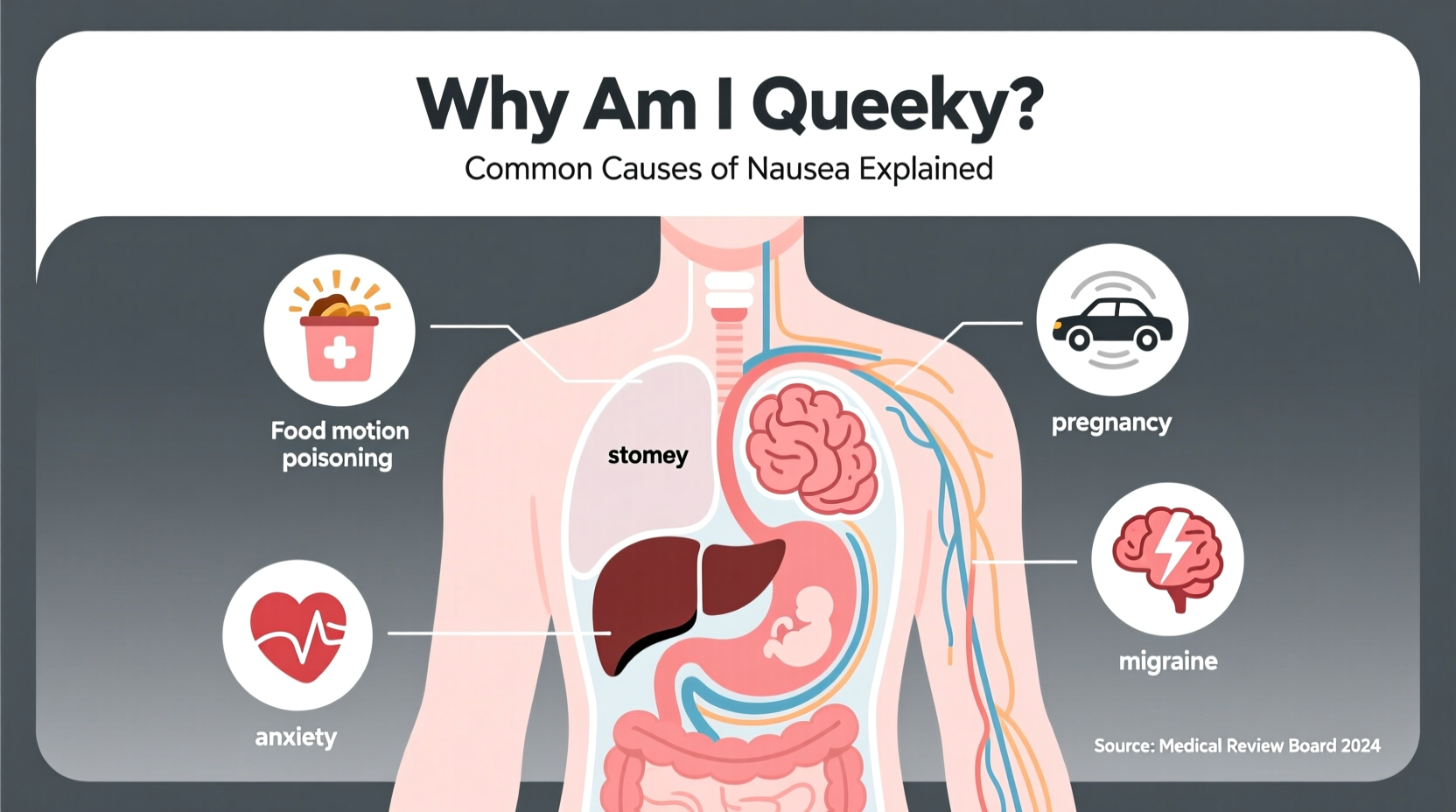
The digestive tract is one of the most frequent sources of nausea. When food doesn’t move through the system properly or when irritation occurs, the brain receives signals that result in queasiness.
- Indigestion: Eating too quickly, consuming fatty or spicy foods, or overeating can cause bloating, acid reflux, and nausea shortly after meals.
- Gastroenteritis (stomach flu): Viral infections inflame the stomach and intestines, commonly causing nausea, vomiting, diarrhea, and cramping.
- Gastritis: Inflammation of the stomach lining—often due to infection with *H. pylori*, excessive alcohol use, or prolonged NSAID use—can create a persistent sense of nausea, especially on an empty stomach.
- Gallbladder disease: Bile duct blockages or gallstones may trigger nausea, particularly after eating fatty meals, often accompanied by pain in the upper right abdomen.
Hormonal and Reproductive Factors
Hormonal fluctuations play a significant role in triggering nausea, especially in individuals assigned female at birth.
Pregnancy is perhaps the most well-known hormonal cause. Up to 80% of pregnant people experience morning sickness, typically during the first trimester. Despite the name, this nausea can occur at any time of day and is linked to rising levels of human chorionic gonadotropin (hCG) and estrogen.
Other hormonal contributors include:
- Menstruation: Some women report nausea before or during their periods due to prostaglandins—hormone-like substances that stimulate uterine contractions and can affect the digestive tract.
- Birth control: Oral contraceptives, especially those with higher estrogen levels, may cause initial nausea as the body adjusts.
- Perimenopause: Fluctuating hormone levels during the transition to menopause can also contribute to digestive discomfort and queasiness.
“Nausea during early pregnancy is usually benign and self-limiting, but persistent vomiting—known as hyperemesis gravidarum—requires medical evaluation.” — Dr. Lena Patel, OB-GYN Specialist
Medications and Medical Treatments
Many prescription and over-the-counter drugs list nausea as a side effect. The body may react negatively as it metabolizes these substances.
| Medication Type | Common Examples | Nausea Risk Level |
|---|---|---|
| Antibiotics | Amoxicillin, Doxycycline | Moderate |
| Pain Relievers (NSAIDs) | Ibuprofen, Naproxen | High (especially on empty stomach) |
| Chemotherapy Drugs | Cisplatin, Doxorubicin | Very High |
| Iron Supplements | Ferrous sulfate | High |
| Antidepressants | SSRIs like Sertraline | Moderate (usually temporary) |
If nausea begins soon after starting a new medication, consult your healthcare provider. Adjusting dosage, switching formulations, or taking pills with food may reduce symptoms.
Psychological and Neurological Influences
The gut-brain connection is powerful. Emotional stress, anxiety, and certain neurological conditions can manifest physically as nausea.
Anxiety activates the autonomic nervous system, which controls digestion. During heightened stress, blood flow shifts away from the gut, slowing motility and creating a churning or queasy sensation. Panic attacks often include nausea alongside rapid heartbeat and dizziness.
Neurological causes include:
- Migraines: Vestibular migraines can cause dizziness and nausea without head pain.
- Concussions or head injuries: Post-traumatic nausea may persist for days or weeks.
- Balance disorders: Conditions like Meniere’s disease or labyrinthitis affect the inner ear and frequently lead to vertigo and queasiness.
Real-Life Scenario: When Nausea Wasn’t What It Seemed
Sarah, a 34-year-old teacher, experienced recurring nausea every weekday morning. She assumed it was stress-related until she noticed it always occurred before her 8 a.m. class. After tracking her habits, she realized she was drinking strong coffee on an empty stomach—paired with rushing out the door under pressure. Eliminating caffeine and adding a small protein-rich snack reduced her symptoms within days.
This case illustrates how lifestyle patterns, even subtle ones, can mimic more serious conditions. Simple changes often yield dramatic results.
Actionable Checklist: Responding to Nausea
When queasiness strikes, follow this checklist to assess and address the issue:
- Pause and hydrate: Sip water or an electrolyte drink slowly.
- Assess recent meals: Did you eat something unusual or spoiled?
- Review medications: Check labels for nausea as a side effect.
- Consider timing: Is it related to menstrual cycle, stress, or travel?
- Avoid lying flat: Stay upright for at least 30 minutes after symptoms begin.
- Try bland foods: If tolerable, eat small portions of toast, rice, or bananas.
- Seek help if: Vomiting persists beyond 24 hours, there’s severe abdominal pain, or signs of dehydration (dry mouth, dark urine, dizziness).
Frequently Asked Questions
Can dehydration cause nausea?
Yes. Dehydration reduces blood volume and affects electrolyte balance, which can confuse the brain’s regulation of nausea. Ironically, nausea can also cause dehydration, creating a harmful cycle. Replenishing fluids gradually with water, broth, or oral rehydration solutions is crucial.
Why do I feel nauseous when I’m hungry?
An empty stomach can trigger nausea due to increased acid production. Without food to digest, acid builds up and irritates the stomach lining. This is common in people who skip meals or have irregular eating patterns. A small snack, like crackers or fruit, often provides quick relief.
Is nausea ever a sign of heart problems?
In rare cases, yes. Women experiencing heart attacks often report atypical symptoms such as nausea, fatigue, and indigestion instead of chest pain. If nausea is accompanied by shortness of breath, sweating, or pressure in the chest, seek emergency care immediately.
Step-by-Step Guide to Managing Acute Nausea
Follow this timeline when nausea appears unexpectedly:
- Minute 0–10: Stop current activity. Sit or lie propped up. Avoid sudden movements.
- Minute 10–30: Take small sips of room-temperature water or ginger tea. Avoid gulping.
- Hour 1: Apply a cool cloth to the forehead. Try acupressure at the P6 point (inner wrist, three finger-widths below the palm).
- Hour 2–4: If nausea subsides, introduce a small portion of bland food. Monitor for recurrence.
- Next 24 hours: Stick to a BRAT diet (bananas, rice, applesauce, toast). Avoid greasy, spicy, or acidic foods.
- If symptoms persist: Contact a healthcare provider to rule out infections, obstructions, or metabolic issues.
Conclusion: Listen to Your Body
Nausea is your body’s way of signaling imbalance—whether physical, chemical, or emotional. While occasional queasiness is usually harmless, recurring or unexplained symptoms deserve attention. By understanding the common causes, monitoring patterns, and responding with informed care, you can regain comfort and confidence. Don’t dismiss persistent nausea as “just stress” or “bad digestion.” Empower yourself with knowledge and take action when needed.




 浙公网安备
33010002000092号
浙公网安备
33010002000092号 浙B2-20120091-4
Comments
No comments yet. Why don't you start the discussion?