
Waking up feeling shaky and nauseous can be alarming. These symptoms often appear together because they share underlying physiological pathways—particularly involving blood sugar, the nervous system, and gastrointestinal health. While occasional episodes may stem from something as simple as skipping a meal, persistent or severe symptoms could point to more serious conditions like hypoglycemia, anxiety disorders, infections, or neurological issues. Understanding the root cause is essential for effective management.
Common Causes of Shakiness and Nausea
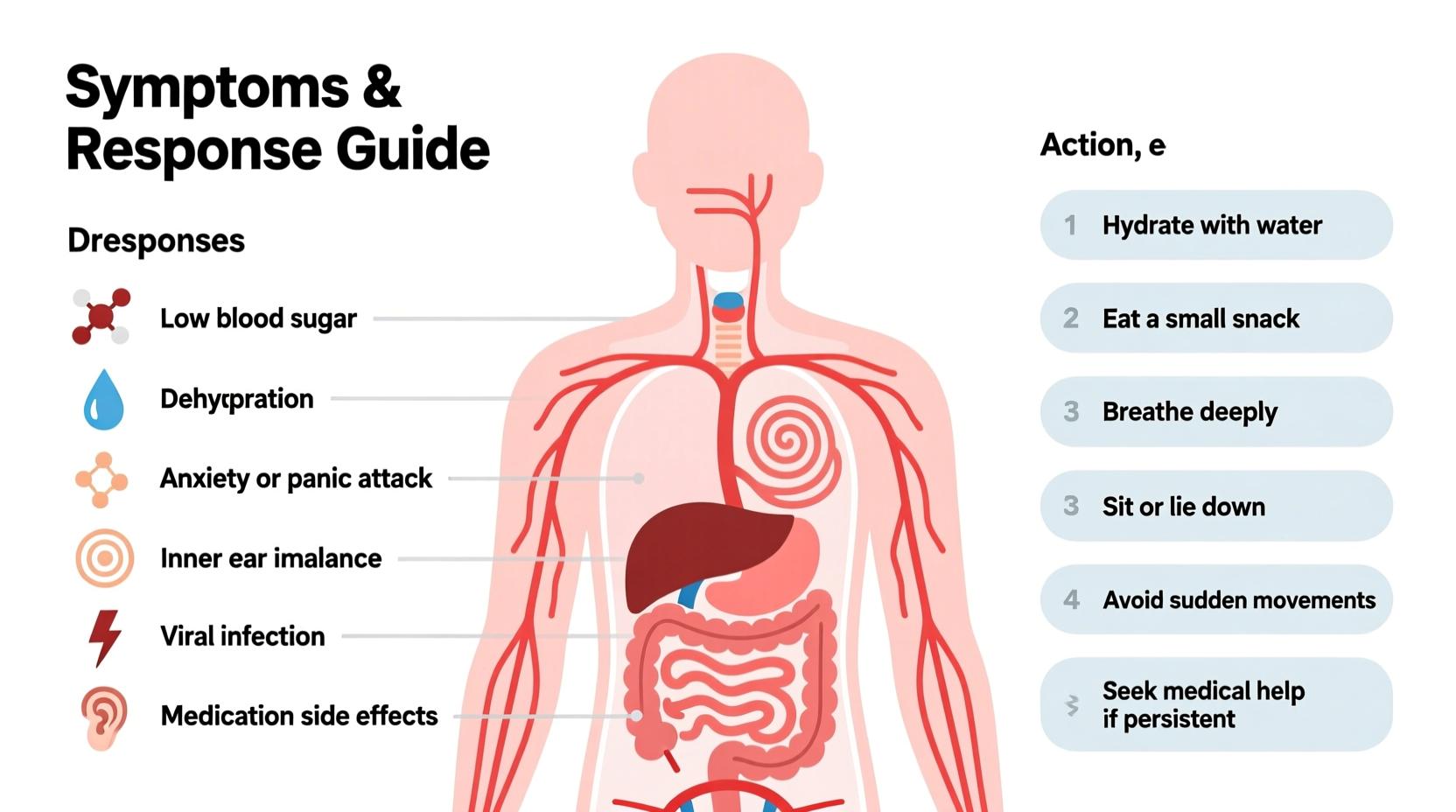
Shakiness (tremors or jitteriness) and nausea frequently occur simultaneously due to overlapping triggers in the body’s autonomic nervous system. Below are some of the most frequent explanations:
- Hypoglycemia (Low Blood Sugar): When glucose levels drop too low—common in people with diabetes or those who haven’t eaten for hours—the brain signals distress, causing trembling, sweating, dizziness, and nausea.
- Anxiety and Panic Attacks: During high-stress moments, adrenaline surges through the body, increasing heart rate, causing muscle tremors, and triggering digestive upset that leads to nausea.
- Gastrointestinal Illness: Viral infections like gastroenteritis often begin with nausea and may induce weakness and shivering due to dehydration and immune response.
- Medication Side Effects: Certain antidepressants, blood pressure medications, and stimulants can disrupt neurological or metabolic balance, leading to these dual symptoms.
- Pregnancy (Especially Morning Sickness): In early pregnancy, hormonal changes frequently result in nausea accompanied by fatigue and lightheadedness that may feel like shakiness.
- Inner Ear Disorders: Conditions such as vertigo or Meniere’s disease affect balance, often causing dizziness, nausea, and a sensation of unsteadiness mistaken for shaking.
When to Seek Medical Attention
While many cases resolve on their own, certain red flags require prompt medical evaluation. Ignoring these signs could delay treatment for potentially life-threatening conditions.
“Persistent nausea combined with tremors should never be dismissed, especially if neurological or metabolic conditions are suspected.” — Dr. Lena Patel, Internal Medicine Specialist
Symptoms Warranting Immediate Care
| Symptom | Possible Implication | Action Required |
|---|---|---|
| Chest pain with shakiness | Heart attack or arrhythmia | Call emergency services immediately |
| Severe headache and confusion | Stroke or brain injury | Seek urgent medical assessment |
| Fever over 101°F with vomiting | Infection or sepsis risk | Contact healthcare provider within hours |
| Slurred speech or facial drooping | Neurological event | Emergency evaluation needed |
Step-by-Step: What to Do When Symptoms Occur
If you suddenly feel shaky and nauseous, follow this structured approach to assess and respond appropriately:
- Stop and Sit Down: Prevent falls by sitting or lying down in a safe place.
- Check for Obvious Triggers: Ask yourself: Did I skip a meal? Am I dehydrated? Have I been under stress?
- Test Blood Sugar (if diabetic): Use a glucometer. If below 70 mg/dL, consume 15g of fast-acting carbs (e.g., juice, glucose tablets).
- Hydrate Slowly: Sip small amounts of water or an electrolyte drink to avoid worsening nausea.
- Monitor Symptoms: Wait 15–20 minutes after intervention. If symptoms persist or worsen, proceed to next step.
- Contact a Healthcare Provider: Describe your symptoms clearly, including onset, duration, and any additional complaints.
- Go to ER if Critical Signs Appear: Chest pain, difficulty breathing, fainting, or neurological deficits demand immediate attention.
Real-Life Scenario: A Case of Missed Breakfast and Anxiety
Mark, a 34-year-old office worker, began his day late after missing breakfast. By mid-morning, he felt jittery, dizzy, and nauseated during a high-pressure meeting. His hands trembled while presenting, and he had to excuse himself to the restroom. At first, he assumed it was nerves—but after drinking orange juice, his symptoms improved within 20 minutes. His doctor later explained that prolonged fasting triggered reactive hypoglycemia, which was amplified by performance anxiety. With dietary adjustments and mindfulness techniques, Mark reduced recurrence significantly.
This example highlights how multiple factors—metabolic and psychological—can converge to produce physical symptoms. Identifying personal patterns is key to prevention.
Prevention and Long-Term Management Strategies
Managing recurring shakiness and nausea involves both lifestyle modifications and medical oversight when necessary.
Dietary Adjustments
- Eat balanced meals every 3–4 hours to stabilize blood sugar.
- Include protein, complex carbohydrates, and healthy fats at each meal.
- Avoid excessive caffeine and alcohol, which can trigger tremors and stomach irritation.
Stress Reduction Techniques
- Practice diaphragmatic breathing: inhale for 4 seconds, hold for 4, exhale for 6.
- Engage in regular physical activity like walking or yoga to regulate the nervous system.
- Consider cognitive behavioral therapy (CBT) if anxiety is a recurring factor.
FAQ: Frequently Asked Questions
Can dehydration cause shakiness and nausea?
Yes. Dehydration reduces blood volume and electrolyte balance, impairing nerve and muscle function. This can lead to lightheadedness, tremors, and nausea. Rehydrating with water or oral rehydration solutions often brings rapid relief.
Is it normal to feel shaky and nauseous before vomiting?
Yes. The body's vomiting reflex activates the vagus nerve, which influences both gastrointestinal activity and autonomic functions like heart rate and muscle control. This commonly results in cold sweats, shakiness, and intense nausea prior to emesis.
Can lack of sleep contribute to these symptoms?
Absolutely. Chronic sleep deprivation disrupts hormonal regulation, weakens immune function, and heightens sensitivity to stress—all of which can manifest as physical symptoms like tremors and digestive discomfort.
Checklist: Immediate Actions for Shakiness and Nausea
- ✅ Sit or lie down to prevent injury
- ✅ Assess recent food intake and hydration
- ✅ Check blood sugar if diabetic
- ✅ Sip water or clear fluids slowly
- ✅ Avoid sudden movements or bright screens
- ✅ Note any additional symptoms (fever, pain, dizziness)
- ✅ Contact a healthcare professional if no improvement in 30 minutes
- ✅ Call emergency services if chest pain, confusion, or breathing difficulties develop
Conclusion: Take Control of Your Health
Feeling shaky and nauseous isn't something you should ignore—especially when it happens repeatedly or without clear cause. While many triggers are manageable with simple lifestyle changes, others require medical diagnosis and treatment. You know your body best. Pay attention to patterns, act promptly when symptoms arise, and don’t hesitate to seek professional guidance. Small steps today—like eating regularly, staying hydrated, and managing stress—can make a significant difference in how you feel tomorrow.




 浙公网安备
33010002000092号
浙公网安备
33010002000092号 浙B2-20120091-4
Comments
No comments yet. Why don't you start the discussion?