
Shivering is a natural bodily response designed to generate heat when your core temperature drops. But when the shaking becomes intense, persistent, or occurs without an obvious reason, it can be alarming. While occasional shivers due to cold or mild stress are normal, severe or unexplained shivering may signal an underlying health issue. Understanding the range of possible causes — from benign to serious — helps determine when it’s time to seek medical advice.
What Causes Shivering?
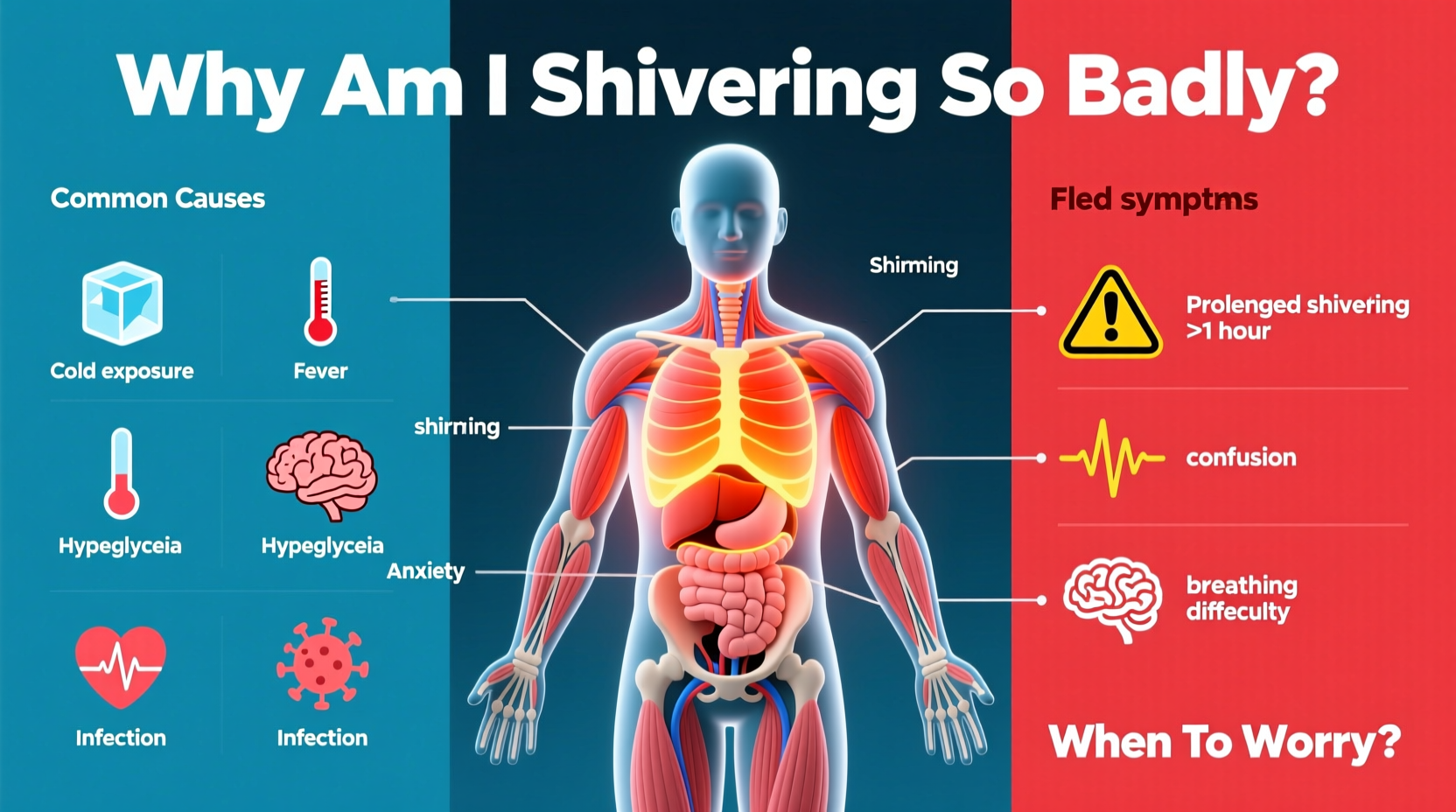
Shivering, also known as rigors, happens when your muscles contract and relax rapidly to produce warmth. This reflex is controlled by the hypothalamus, the brain’s thermostat. However, several factors beyond cold exposure can trigger this response. These include infections, metabolic imbalances, neurological conditions, and emotional states.
The severity and duration of shivering often provide clues about its cause. Brief episodes linked to temperature changes are typically harmless. Prolonged or violent shivering, especially when accompanied by fever, chills, or confusion, warrants closer attention.
Infections and Fever
One of the most common reasons for intense shivering is infection. When your body detects pathogens like bacteria or viruses, it releases chemicals called pyrogens that reset the hypothalamus to a higher temperature. As your body works to reach this new set point, you feel cold and begin to shiver — even if your actual temperature is rising.
Conditions such as influenza, urinary tract infections (UTIs), pneumonia, and sepsis frequently present with shivering and high fever. In some cases, shivering may precede the fever spike by minutes or hours.
“Patients with bacterial infections often experience 'rigors' — sudden, violent shivering spells. It's a red flag that shouldn’t be ignored.” — Dr. Alan Reyes, Infectious Disease Specialist
Exposure to Cold
Environmental cold remains a primary cause of shivering. When skin temperature drops, nerve signals prompt muscle contractions to generate heat. Mild shivering helps maintain core temperature, but prolonged exposure can lead to hypothermia, where shivering eventually stops as the body loses its ability to regulate heat.
Outdoor activities in winter, inadequate clothing, or immersion in cold water increase risk. Elderly individuals and young children are especially vulnerable due to less efficient thermoregulation.
Metabolic and Endocrine Disorders
Certain internal imbalances can mimic cold-induced shivering. Hypoglycemia (low blood sugar) is a frequent culprit, particularly in people with diabetes. When glucose levels fall too low, the body releases adrenaline, which can cause trembling, sweating, and shakiness — symptoms often mistaken for shivering.
Thyroid dysfunction, especially hyperthyroidism, can also lead to temperature sensitivity and involuntary muscle tremors. Though not true shivering, the sensation may feel similar.
When Shivering Isn’t About Temperature
Not all shivering stems from physical cold or infection. Some causes are psychological or neurologically driven.
Anxiety and Panic Attacks
During periods of acute anxiety or panic, the body activates the sympathetic nervous system. This “fight-or-flight” response can trigger muscle tension, rapid breathing, and visible trembling — including full-body shivers. These episodes usually resolve once the emotional surge passes.
People experiencing panic attacks may report feeling cold and shaky despite being in a warm environment. The shivering is psychogenic — originating from the mind rather than a physical drop in temperature.
Medication and Substance Effects
Several medications list shivering or tremors as side effects. Antidepressants (especially SSRIs), antipsychotics, and certain asthma inhalers can affect neuromuscular pathways. Withdrawal from alcohol, opioids, or sedatives may also induce severe shivering during detoxification.
If you’ve recently started a new medication or changed dosages, consider it a potential contributor. Always consult your doctor before adjusting prescriptions.
Red Flags: When to Worry About Shivering
Most cases of shivering are temporary and resolve on their own. However, certain symptoms indicate a potentially serious condition requiring immediate evaluation.
| Symptom | Possible Cause | Action Needed |
|---|---|---|
| Fever over 103°F (39.4°C) with violent shivering | Bacterial infection, sepsis | Seek emergency care |
| Mental confusion or disorientation | Hypothermia, encephalitis, sepsis | Immediate medical assessment |
| Chest pain or difficulty breathing | Pneumonia, pulmonary embolism | Call emergency services |
| Seizure-like movements | Neurological disorder, severe electrolyte imbalance | Emergency evaluation required |
| Shivering lasting more than 2–3 hours without improvement | Uncontrolled infection or metabolic crisis | Contact healthcare provider |
Case Example: Recognizing Sepsis Early
Mark, a 58-year-old man with type 2 diabetes, began shivering uncontrollably one evening despite being under blankets. He felt cold, had a fever of 102.8°F, and was increasingly confused. His wife noted he hadn’t urinated much that day and seemed unusually tired. She called an ambulance. At the hospital, Mark was diagnosed with a kidney infection that had progressed to sepsis. Rapid treatment with IV antibiotics saved his life. His case highlights how shivering, especially when paired with altered mental status and reduced urine output, can be a silent warning of systemic infection.
Step-by-Step: What to Do When You’re Shivering Badly
- Assess your environment: Are you cold? Move to a warmer area and add layers or blankets.
- Check for fever: Use a thermometer. A reading above 100.4°F (38°C) suggests infection.
- Evaluate other symptoms: Note any pain, cough, vomiting, confusion, or rapid heartbeat.
- Hydrate and rest: Drink water or clear fluids. Avoid caffeine and alcohol.
- Monitor progression: If shivering persists beyond 1–2 hours or worsens, seek medical help.
- Seek emergency care if: You experience chest pain, trouble breathing, fainting, or high fever with rigors.
Prevention and Self-Care Strategies
While not all causes of shivering can be prevented, proactive habits reduce risk and improve outcomes.
- Dress appropriately for weather conditions, especially if spending time outdoors.
- Maintain stable blood sugar levels if you have diabetes.
- Stay up to date on vaccinations to prevent infections like flu and pneumonia.
- Practice stress management techniques such as deep breathing or mindfulness to reduce anxiety-related tremors.
- Review medications regularly with your doctor to identify potential side effects.
Checklist: When to Contact a Doctor
- ✅ Shivering continues for more than 2 hours despite warming up
- ✅ Fever exceeds 103°F (39.4°C)
- ✅ You feel confused, dizzy, or extremely weak
- ✅ Urine output is significantly reduced
- ✅ You have a chronic illness like diabetes, heart disease, or cancer
- ✅ Shaking occurs after starting a new medication
Frequently Asked Questions
Can dehydration cause shivering?
Yes. Severe dehydration affects electrolyte balance and impairs temperature regulation, potentially leading to chills and shivering. This is especially common in older adults or during illnesses involving vomiting and diarrhea.
Is shivering a sign of a heart attack?
Not typically a primary symptom, but some people — especially women — may experience atypical signs like cold sweats, shaking, nausea, and fatigue during a cardiac event. If shivering is accompanied by chest pressure, shortness of breath, or arm pain, seek emergency help immediately.
Why do I shiver after surgery?
Post-anesthesia shivering is common. Anesthesia disrupts the body’s temperature control, and operating rooms are kept cool. Most cases resolve within 20–30 minutes, but medical staff monitor for complications.
Conclusion: Listen to Your Body
Shivering is more than just a reaction to cold — it’s a signal. Whether your body is fighting an infection, responding to stress, or struggling with metabolic balance, persistent or severe shivering deserves attention. By recognizing the context and accompanying symptoms, you can distinguish between a passing chill and a warning sign that requires action.
Don’t dismiss intense shivering, especially if it’s out of proportion to your surroundings or lasts longer than expected. Early intervention can prevent minor issues from becoming emergencies. Pay attention, take appropriate steps, and when in doubt, consult a healthcare professional.




 浙公网安备
33010002000092号
浙公网安备
33010002000092号 浙B2-20120091-4
Comments
No comments yet. Why don't you start the discussion?