
Shortness of breath—medically known as dyspnea—is more than just a sign of poor fitness. While it’s normal to breathe harder during intense exercise, feeling winded during routine activities like climbing stairs, walking short distances, or even at rest can signal an underlying issue. Understanding the root causes, recognizing warning signs, and knowing when to act can make a critical difference in your long-term health.
Common Causes of Easy Breathlessness
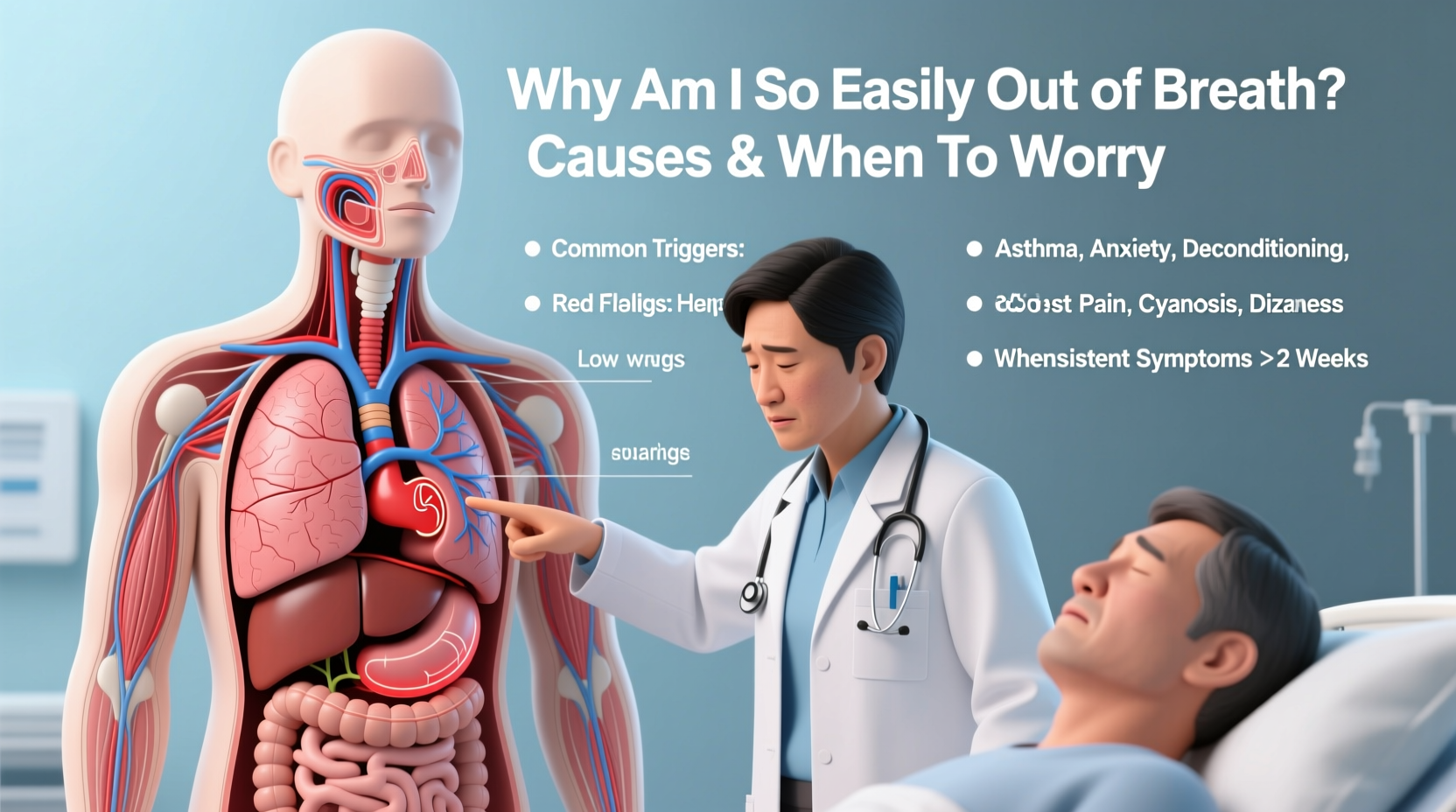
Breathlessness occurs when your body struggles to meet its oxygen demands. This imbalance can stem from various systems—most commonly the respiratory and cardiovascular systems—but also metabolic, neurological, or psychological factors.
- Asthma: Chronic airway inflammation leads to narrowing, causing wheezing, chest tightness, and breathlessness, especially during triggers like allergens or cold air.
- Chronic Obstructive Pulmonary Disease (COPD): Often linked to smoking, COPD includes emphysema and chronic bronchitis, progressively reducing lung function.
- Heart Conditions: Heart failure, arrhythmias, or coronary artery disease impair the heart’s ability to pump blood efficiently, leading to fluid buildup in the lungs and breathlessness.
- Anemia: Low red blood cell count reduces oxygen delivery to tissues, forcing the heart and lungs to work harder even at rest.
- Obesity: Excess weight increases the workload on the heart and lungs, restricts diaphragm movement, and is often associated with sleep apnea.
- Anxiety and Panic Disorders: Hyperventilation due to stress can cause rapid, shallow breathing that mimics physical causes of breathlessness.
When to Worry: Red Flags That Demand Medical Attention
Not all breathlessness is urgent, but certain symptoms indicate potentially life-threatening conditions. Immediate evaluation is necessary if you experience:
- Sudden onset of severe shortness of breath without clear cause
- Chest pain or pressure, especially radiating to the arm, neck, or jaw
- Fainting or dizziness alongside breathing difficulty
- Lips or fingertips turning blue (cyanosis)
- Swelling in legs or abdomen with worsening breathlessness
- High fever with labored breathing and cough
“Sudden dyspnea without a prior history should never be ignored. It could indicate a pulmonary embolism, heart attack, or acute heart failure.” — Dr. Alan Reyes, Pulmonologist at Boston General Hospital
Diagnostic Process: What to Expect at the Doctor
If breathlessness persists or worsens, your doctor will likely begin with a thorough history and physical exam, followed by targeted tests. These may include:
| Test | Purpose | What It Detects |
|---|---|---|
| Spirometry | Lung function test | Asthma, COPD, restrictive lung diseases |
| Chest X-ray | Imaging of lungs and heart | Pneumonia, fluid, tumors, heart enlargement |
| Echocardiogram | Ultrasound of the heart | Heart valve issues, ejection fraction, fluid around heart |
| Blood tests | Hemoglobin, BNP, D-dimer | Anemia, heart strain, blood clots |
| Electrocardiogram (ECG) | Heart rhythm assessment | Arrhythmias, ischemia, past heart attacks |
Depending on initial findings, further testing such as a CT scan, stress test, or pulmonary function panel may be recommended. Early diagnosis improves outcomes significantly, especially for progressive conditions like heart failure or interstitial lung disease.
Step-by-Step Guide to Managing Breathlessness
Whether your breathlessness has a diagnosed cause or remains unexplained, these steps can help manage symptoms and improve daily function.
- Track Symptoms: Note frequency, intensity, and context (e.g., after meals, during anxiety, upon waking).
- Quit Smoking: If applicable, stop immediately. Smoking accelerates lung damage and worsens heart health.
- Optimize Weight: Even a 5–10% reduction in body weight can dramatically improve breathing efficiency.
- Practice Pursed-Lip Breathing: Inhale slowly through the nose for two counts, then exhale gently through pursed lips for four counts. This helps keep airways open longer.
- Engage in Graded Exercise: Start with low-intensity walking or stationary cycling, gradually increasing duration under medical guidance.
- Use Prescribed Medications: Inhalers for asthma/COPD, diuretics for heart failure, or iron supplements for anemia must be taken consistently.
- Monitor Oxygen Levels: A pulse oximeter can help track oxygen saturation at home, especially if you have a chronic condition.
Real-Life Example: Sarah’s Journey with Undiagnosed Anemia
Sarah, a 38-year-old teacher, began noticing she was unusually breathless while walking her dog or climbing the school stairs. At first, she attributed it to being “out of shape,” but fatigue and pale skin became hard to ignore. After several weeks, she visited her primary care physician. Blood work revealed severe iron-deficiency anemia—her hemoglobin was just 7.8 g/dL (normal range: 12–16 g/dL). With iron supplementation and dietary changes, her energy returned within six weeks, and her breathlessness resolved completely.
Sarah’s case highlights how non-respiratory conditions can manifest primarily as breathing difficulty. Without investigation, her condition could have led to cardiac strain or required a blood transfusion.
Do’s and Don’ts: Quick Reference Table
| Do’s | Don’ts |
|---|---|
| Seek evaluation for new or worsening breathlessness | Ignore sudden or severe shortness of breath |
| Practice breathing techniques daily | Smoke or expose yourself to secondhand smoke |
| Maintain a healthy weight and diet | Overexert yourself without medical clearance |
| Take prescribed medications as directed | Self-diagnose or skip follow-ups |
| Stay active within your limits | Dismiss symptoms because “others feel the same” |
FAQ
Can dehydration cause shortness of breath?
Yes. Dehydration thickens mucus and reduces blood volume, making the heart work harder and potentially triggering breathlessness, especially in hot environments or during illness.
Is it normal to be out of breath when lying down?
No. Orthopnea—shortness of breath when lying flat—is a classic sign of heart failure. Patients often need extra pillows to sleep comfortably. Seek medical evaluation if this occurs.
Why do I get breathless after eating?
A full stomach pushes up on the diaphragm, limiting lung expansion. This is more pronounced in people with obesity, GERD, or existing lung/heart disease. Eating smaller meals can help.
Conclusion: Take Control of Your Breathing Health
Breathlessness is not something to dismiss as aging or lack of fitness. It’s a vital signal from your body that deserves attention. Whether the cause is reversible, like anemia or anxiety, or chronic, like COPD or heart disease, early intervention leads to better outcomes. You don’t have to live with constant fatigue or fear of running out of breath.




 浙公网安备
33010002000092号
浙公网安备
33010002000092号 浙B2-20120091-4
Comments
No comments yet. Why don't you start the discussion?